Why Nike's hottest sneakers are going to be harder to find — and more expensive
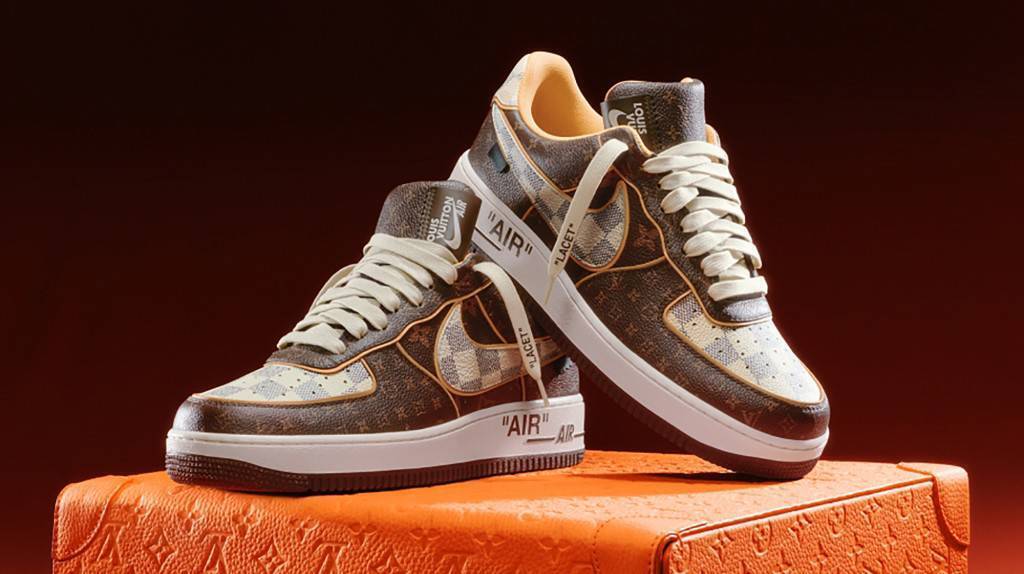
Louis Vuitton and Nike “Air Force 1” by Virgil Abloh with pilot case, auctioned exclusively at Sotheby's. Picture: Louis Vuitton
Nike Inc. is so on trend right now.
By making its hottest sneakers harder to find, it’s on its way to becoming more a top-end name, like Gucci or Louis Vuitton, than a mainstream product. That’s of immense value to both the sportswear giant’s brand equity and its profits. And with American luxury on a tear, it’s a strategy the company should take even further.
For Nike, this is part of a broader shift away from selling through third-party retailers. Reaching customers instead through channels that it controls is more profitable, because it gives Nike greater power over its pricing and its image. If the company’s stores, website or app are the only places selling a particular sneaker, then there’s no risk that it might be available somewhere else at a discount. Markdowns damage not only profits but also, crucially, the Nike brand’s standing in the market.
Selling through its own channels also enables Nike to forge closer relationships with its customers, generating valuable data, which is something that grows even more useful as products that are tailored to individual customers — from sneakers in specially chosen colours to bags emblazoned with the buyer’s name — become more important.
In deciding to sell more of its products directly, Nike is following in the footsteps of luxury brands that have, for example, stopped supplying certain department stores that they no longer consider to be upmarket enough. This keeps their own pricing power and brand cachet intact.
Luxury adviser, Mario Ortelli, estimates that for multi-billion-dollar luxury brands, direct-to-consumer channels account for more than 90% of sales, on average. For Nike, the share is nearing 40% and could reach 60% by 2025.
That’s a worry for retail partners such as Europe’s JD Sports Fashion Plc. But for Nike it’s an opportunity. The US luxury market is on fire right now, fueled by a new generation of buyers, flush — until recently at least — with stock market and crypto gains.
Nike could take more pages from the luxury playbook. While it will always be partly a mainstream retailer, it could sell more aspirational, and expensive, sneakers and apparel at the top end of its range. Demand for the luxury brands’ own casual footwear collections — popular with those young buyers — demonstrates that there is ample room to do this.
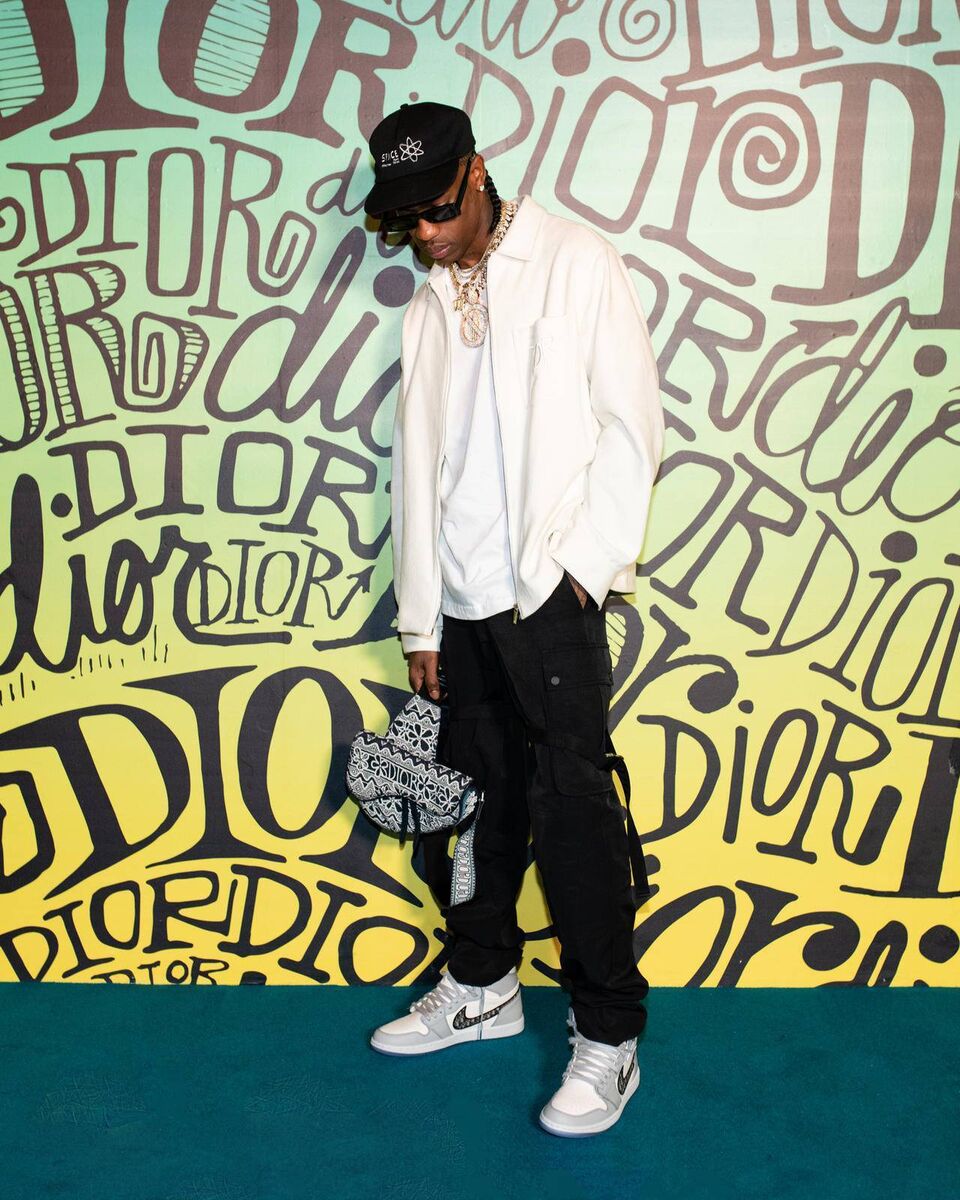
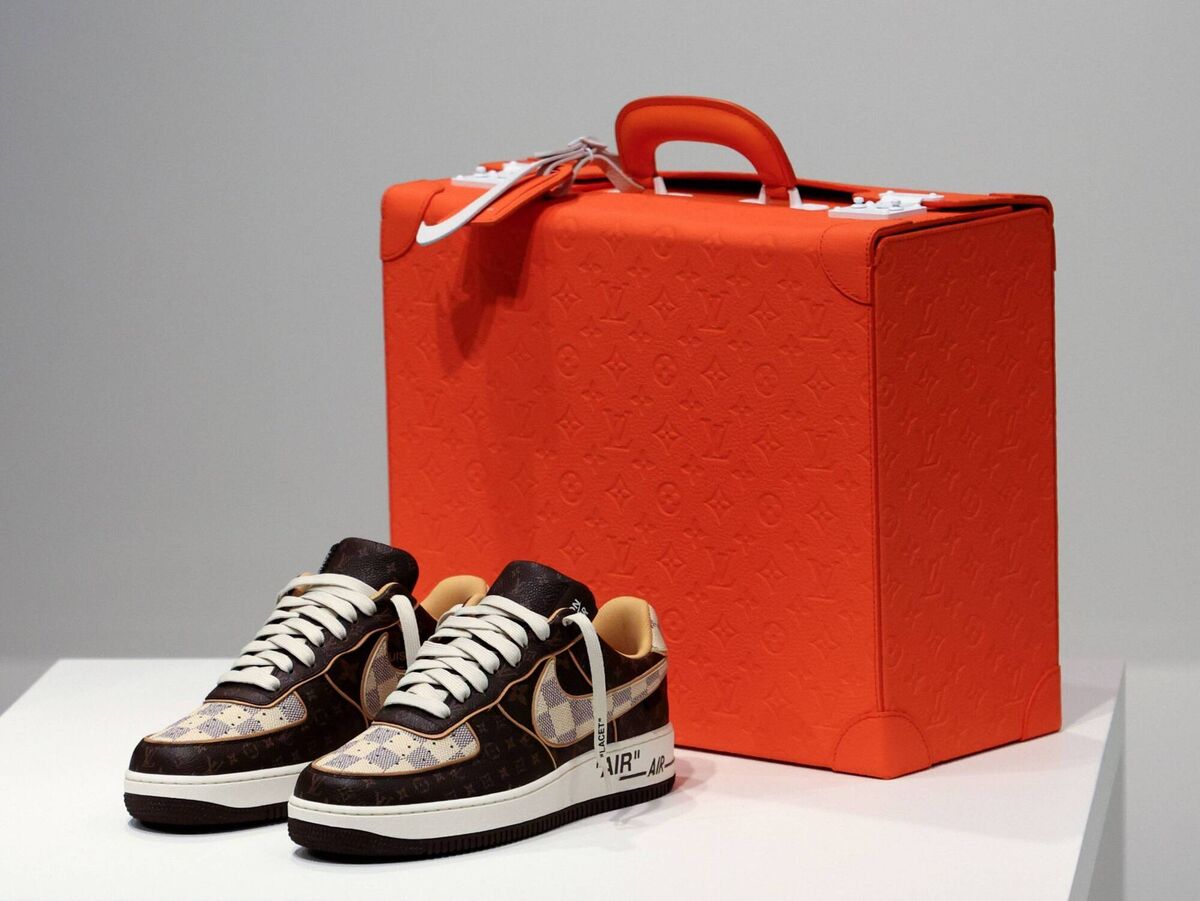
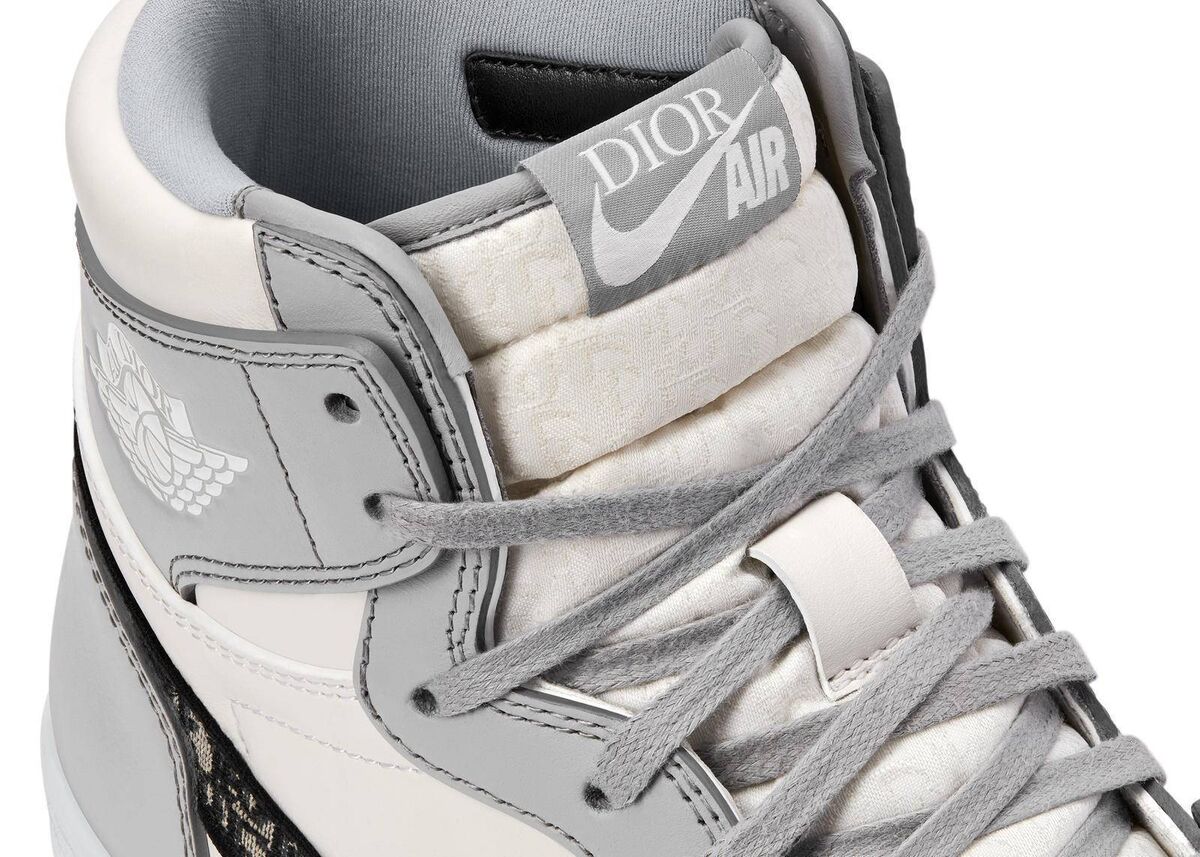
Even more limited-edition pieces would increase the allure of the Nike name. In a virtuous circle, this should enable the company to forge more collaborations with the luxury houses. Nike’s Jordan brand has already partnered with LVMH Moet Hennessy Louis Vuitton SE’s Christian Dior, while late Louis Vuitton menswear creative director, Virgil Abloh, created new versions of Nike’s Air Force One.
And Nike may have other moves of its own. The company was reported to be eyeing Peloton, a company that, for all its recent troubles, operates in the luxury home fitness space.
Sports chain stores will have to figure out how to fill the gap as their Nike inventory shrinks — not an easy task.
Nike has already made one smart move. Its challenge now is to make a more dramatic shift toward becoming a luxury house.
— Bloomberg.com

CONNECT WITH US TODAY



Be the first to know the latest news and updates