Realising the spirit of the dance
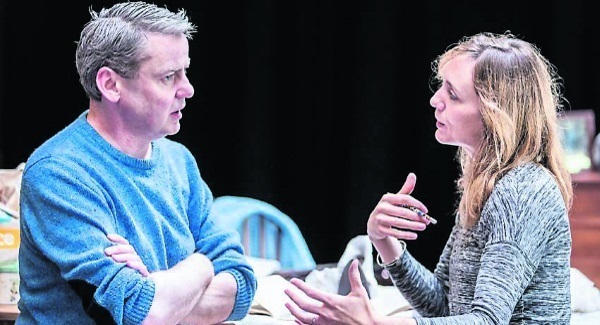
The show is the centre-piece of the new Lughnasa International Friel Festival, which takes place in Donegal and Belfast over the next 10 days. In addition, the festival will also host talks by the likes of Thomas Kilroy and Terry Eagleton, feature rehearsed readings of Friel classics such as Faith Healer and Lovers, and find time, too, for a variety of other curios, including — somewhat intriguingly — a kite-flying event.
One specific strand within the festival, ‘Amongst Women’, convenes a series of talks between prominent women artists, thinkers, and figures in public life. Those taking part include onetime Slits guitarist Viv Albertine, writer Lynn Barber, and Canadian singer-songwriter Feist.
This emphasis on women takes its cue from Friel’s work. The author has centred on complex female characters in plays such as The Loves of Cass McGuire and Molly Sweeney, and, he did so most memorably, of course, in Dancing at Lughnasa.
The latter tells the story of the Mundy sisters, five women growing up in a rundown homestead in rural Donegal in 1936. Raising an illegitimate child within the household, they must contend with the rigid Catholic mores of the day, immense financial strain, and the force of their own desires.
“This was a time in Ireland that was incredibly conservative,” says Annabelle Comyn, director of the new production. “And yet the eldest sister, Kate, fought in the War of Independence. So we realise these are incredibly strong woman who have been isolated by the conservative, close-minded society around them. They’re strong thinkers, incredibly artistic and imaginative, and have so much life and beauty in them. They’re spirited and intelligent women, and the circumstances in which they live in are so suffocating. But as Michael, the play’s narrator, points out, despite all the challenges they face, they manage to make strong decisions in their lives.”
The play is renowned for its use of dancing to express the vitality and the release of the women.
“At the beginning of the play there’s a harvest dance, which they don’t go to, that is described almost as a fever, as a madness,” says Comyn.
“It’s considered something to be feared, as if it were a contagion, because if you let it in it will release these desires that can’t be reined back. So that’s the fear of the dance. But then through the sister’s dancing at home we also see a harmony arise as well, and it turns that fear on its head. Dance becomes a thing that can transcend, a thing of beauty and of spirit.”
Notably, Friel dedicated the play to his own aunts in the Glenties. Comyn says that, through the play, Friel uniquely honours the strength and the independence of these women.
“He acknowledges the journeys they went on and how, despite the challenges, these were women of great strength and resilience, spirit and life. That’s the conclusion of the play in some ways. Their story — in terms of the ‘facts’ of their story — doesn’t actually matter. People are more than facts.”

CONNECT WITH US TODAY



Be the first to know the latest news and updates

















