Nicole Glennon: Vanity Fair failed itself and us by not spiking Taylor Swift ‘takedown’
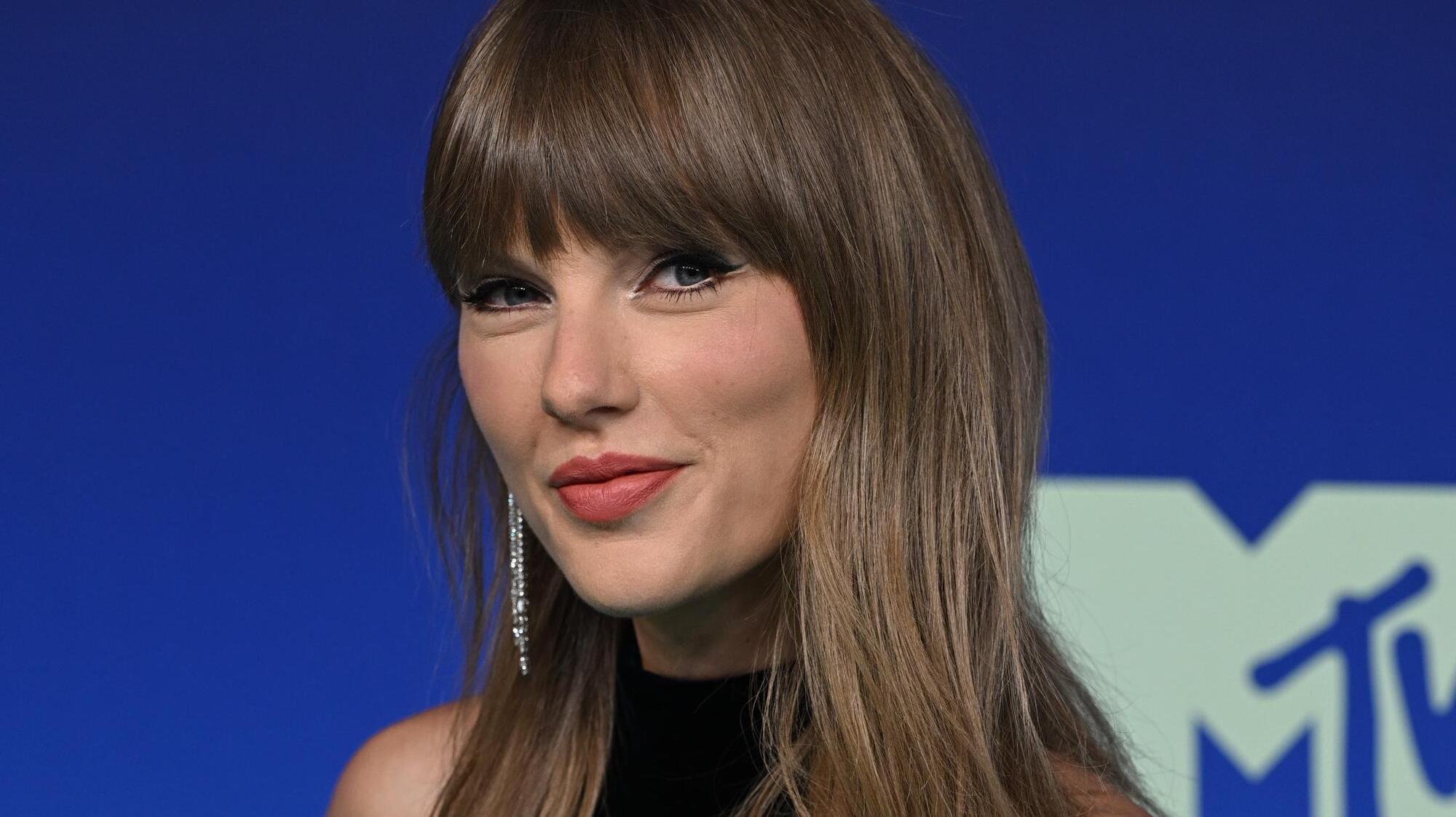
In the end, it wasn't a bad day for Taylor Swift but for journalism writes Nicole Glennon
Having operated as both an editor and a journalist, there is one word in this profession that strikes a very particular fear: spiking.
In journalism, spiking is when an editor makes the decision not to publish a story.
The more experienced you are, journalist or editor, the less that term is a part of your lexicon. An experienced editor or journalist tends to identify in advance the pitfalls that might doom a piece to the spike before much time, energy, or money has been invested.
Sometimes, however, that call is made at a much later stage than anyone would have liked.
In the case of Taylor Swift ‘takedown’ piece, which went viral over the past 24 hours, I found myself wondering whether an editor, or perhaps even a team of editors, simply couldn’t stomach that dreaded spike.
As a magazine editor, my suspicion is the piece that was published on Monday didn't hold up to what the editor or author envisioned at the commissioning stage.
Zachary Hourihane, better known online as The Swiftologist, a long-time Swift fan but also, crucially, one of her most vocal critics, provided some insight in that regard when he revealed to his followers on Tuesday that he had been approached by the article’s author, May Jeong, to contribute to the piece.
“She reached out and said she liked my commentary and wanted to chat. I mostly ended up functioning as a Wikipedia page for her, confirming basic facts about Taylor’s biography rather than discussing anything that appeared in the article.
"She told me she was trying to get access to Taylor’s inner circle," he said. "I told her good luck."
Hourihane's run-in with Jeong might suggest the author set out to infiltrate Swift's inner circle in pursuit of a more revealing, insider account of the singer. Reading the published piece, however, it seems obvious to me that the journalist failed to substantiate the exposé she presumably set out to write.
Instead, it reads as an opinion piece dressed up as an insider investigation, with the author's attempts to contact 100 people offered as evidence of a depth of access and reporting that the article fails to demonstrate. (Just six sources are actually quoted on the record, many of whom are distant connections pulled from Swift's childhood, with five others quoted anonymously).
For me, that's where editorial judgement comes in.
The responsibility of an editor is not to publish a story because the commissioned piece seemed like a winner – or because a journalist has spent a year working on it.
The responsibility of a journalist – particularly a professor of journalism – is recognising what you can and can't deliver and being honest about it.
As Chris William observes in a response to the article for entitled Is Vanity Fair’s Hit Piece on Taylor Swift Really Journalism?, "the veneer of investigative reporting placed upon this piece mostly shows just how low the bar is for an attempted expose".
What should have done was scrap the piece, pay the author a kill fee and move on. Instead, they’ve sullied their own reputation and, in the process, reinforced some of the worst perceptions of journalism at a time when the profession is fighting hard to establish why we deserve our readers' trust.
In the end, it wasn’t a bad day for Swift or her fans, but a bad day for the profession of journalism.
As for the question of whether being rich and not always being nice would ever be enough to warrant a takedown of a male pop star, well, that's a thought for another day.

BLACK FRIDAY
Already a subscriber? Sign in