Ireland in 50 Albums, No 40: Rave On Andy White (1986)
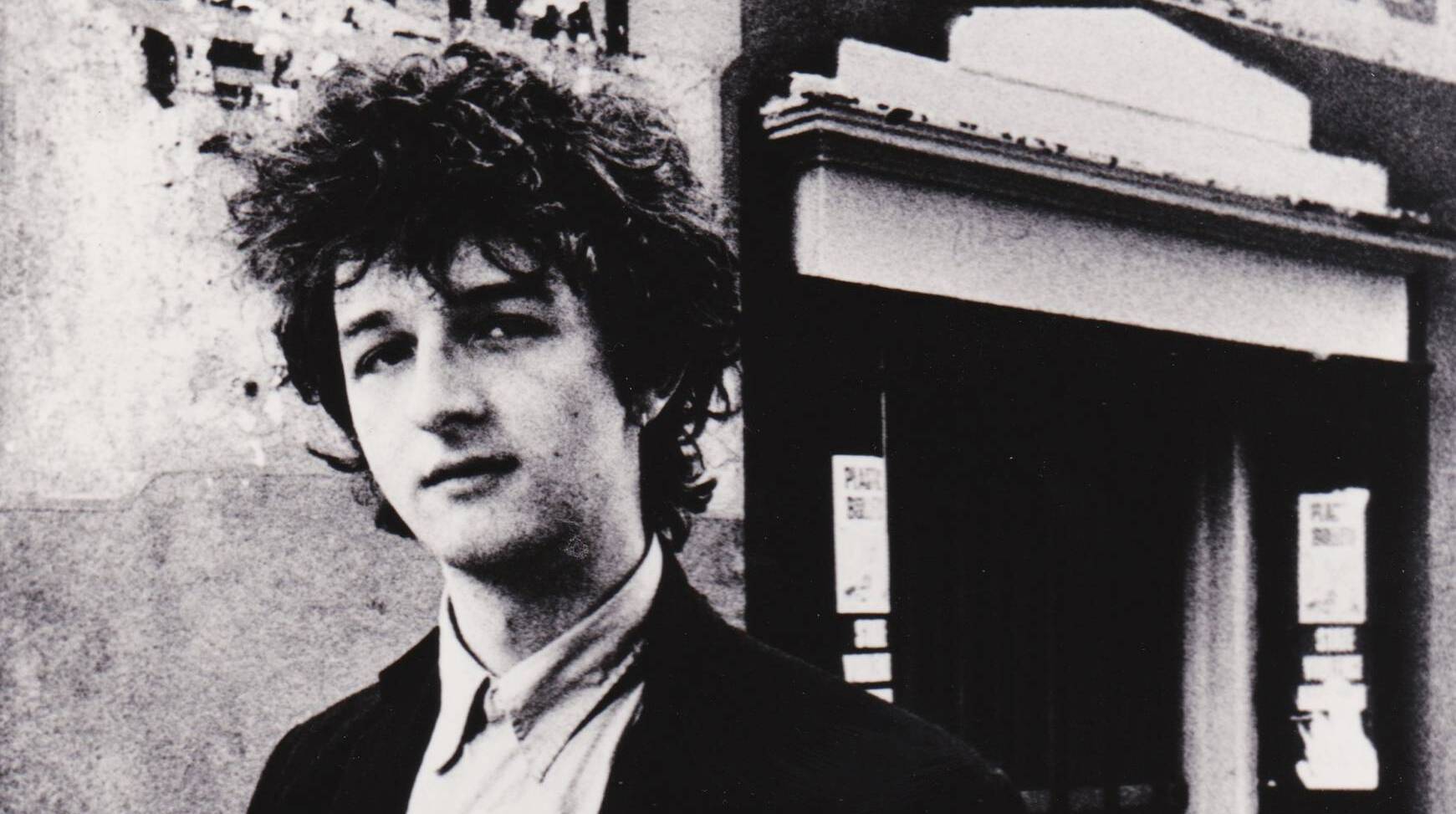
Andy White around the time of his debut album.
the Belfast singer-songwriter’s debut album was released 40 years ago. It was preceded by the single a song about the bigotry of religious zealots in Northern Ireland, which ended with a call to action: “Someone’s got to stand up or nothing’s gonna change, till religion is rearranged.” Four decades later the song is as relevant as ever.
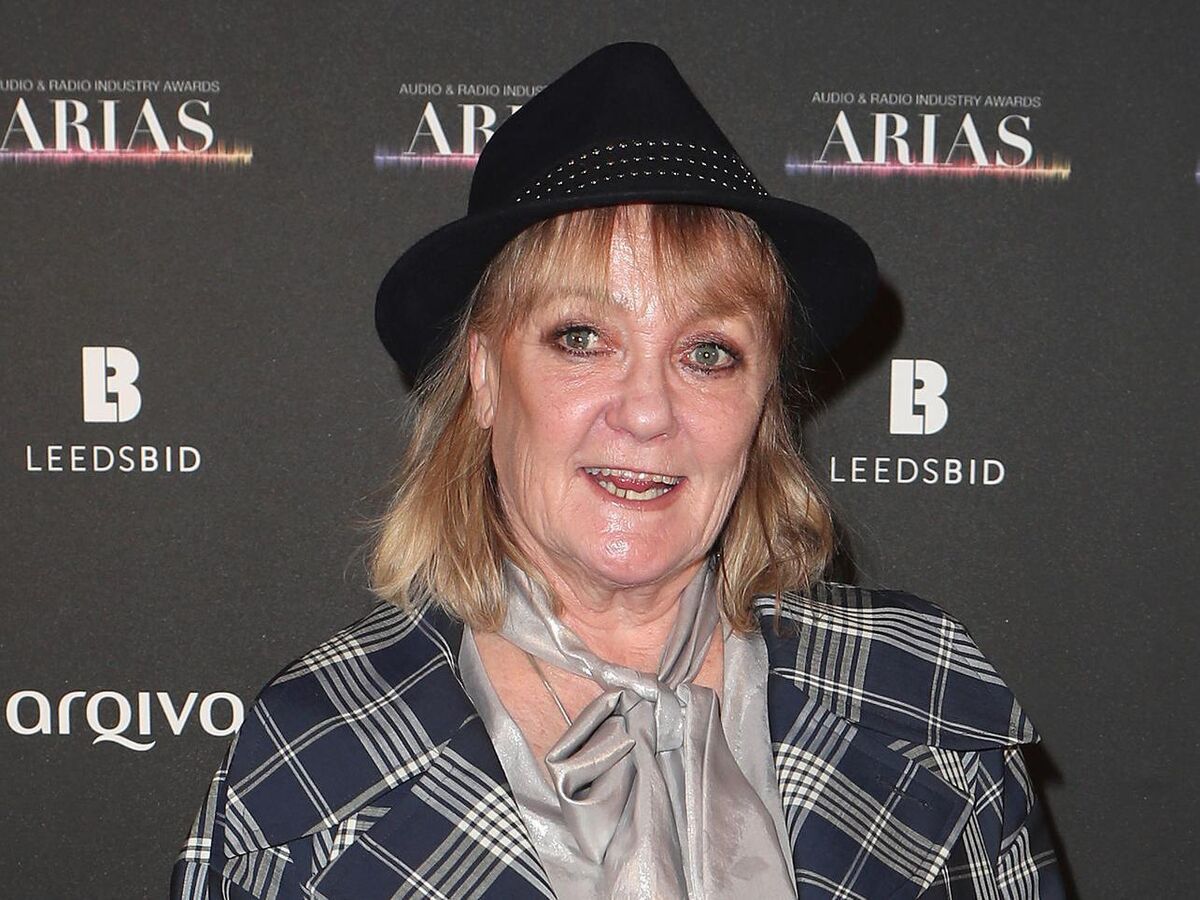
The BBC’s Janice Long loved the song and played it every night on her radio show. When listeners rang her up to say they couldn’t find the record in the shops she contacted Andy White’s record company.
“She rang up Dave Robinson at Stiff Records,” remembers White. “She asked him to send her copies of the record. He sent her a load of copies and she posted them out from the BBC. Janice was incredible.”
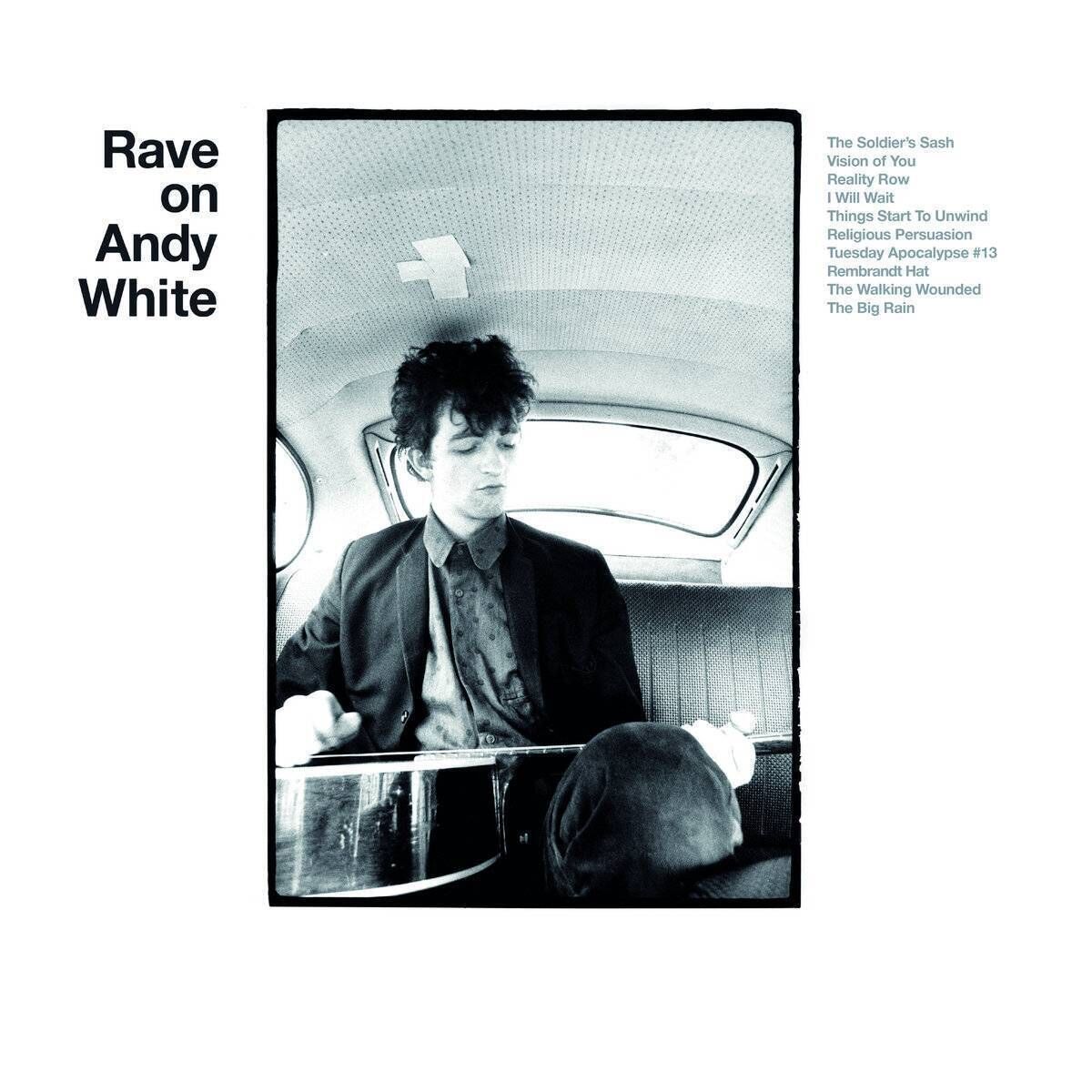
A few years earlier White was in Belfast taking his first tentative steps in music. “I wrote poems and I played the bass, but I didn’t put everything together,” he says.
“There was something about the Grace Jones record I just loved it, that record made me want to put sound and words both together.
“I was listening to John Cooper Clarke, Echo and the Bunnymen and The Cure, I played the bass guitar and had a drum machine, a TR-606, and did spoken word over the top of that.
“A guy I knew, threw an acoustic guitar out of the window of a first-floor apartment in University Street in Belfast and it crashed on the ground. I took the guitar with a big crack up the back and I taught myself acoustic guitar. That’s why Religious Persuasion sounded like it did when it came out, as opposed to a spoken word thing with bass and a TR-606 drum machine.”
“I just had these poems and I wanted to express something about life, about being me at that time. I had grown up in Belfast and I didn’t really feel anybody had said anything about the way that lots of people were growing up and surviving and living in Belfast at that time. There was this terrorist war and I was a punk, I was not a part of the bands or anything, but I saw the fact that you could record something in Belfast and John Peel would play it.”
White remembers playing early gigs in his home town: “I did perform in Belfast, but it was pretty heavy. It was pretty tough actually, and I liked getting out of there as much as I could. But I think if you can play in Belfast, you can play anywhere. But it definitely wasn't straightforward.”
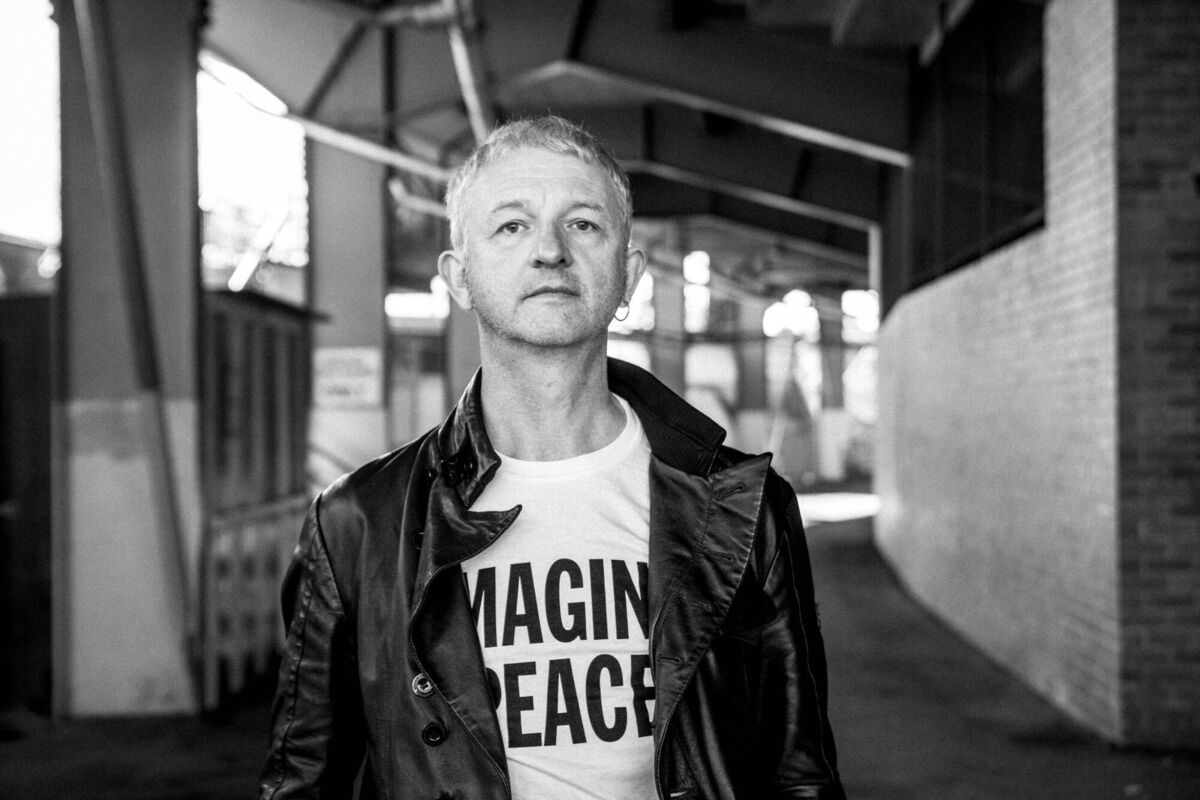
Studying in England was a way out for White and while in college he remembers reading an article in the “It was about Billy Bragg. I knew what he sounded like. The article talked about his manager, Peter Jenner, who sounded like a really interesting person.”
Jenner, as well as managing Bragg, had managed early Pink Floyd, Ian Dury, Roy Harper and others. White blagged a support slot with Bragg and afterwards talked to Jenner.
“He said that he liked what I did,” remembers White. “He asked me to go and record some of my songs and send him a tape.” Around this time White performed on a BBC Northern Ireland arts programme, memorably filmed on the rooftop of Winsor House, then Belfast’s tallest commercial building. Virgin Records saw the clip and offered White a record deal.
“Virgin said, who would you like to produce your album that’s on our label?” recalls White. “ by Television, I really loved that record. So, I said, ‘Well, Tom Verlaine’. Virgin set up a meeting with me and Tom Verlaine and they hired a band from Newcastle to play some of the songs in London. It was me playing with this band and Tom Verlaine in the room. But Peter Jenner really hated Virgin Records, he loathed them. He just hated everything about it so he introduced me to Dave Robinson at Stiff Records.”
Dublin-born Robinson had left Ireland as a teenager and after co-founding Stiff in the mid-70s found huge success with Madness, The Pogues, and countless others.
“Dave loved ” says White. “He took out a marker and said, ‘just draw the front cover and we’ll have this out in 10 days’. It moved really quickly. It was a punk record company, if Dave wanted to do it, it happened. Whereas with Virgin, you’d have the one guy trying to convince his boss.”
When the song was rereleased in January 1986 Janice Long was reviewing the singles for magazine. She awarded three singles the coveted 'Single of the Week'. Joining singles by The Damned and Public Image Limited was Andy White.
“The song isn’t anti-religious,” wrote Long. “But says that the Northern Ireland situation won’t change until religion is rearranged. It’s a full sound with a driving beat and Irish vocals that drum the wonderful lyrics home. I’ve already worn out my copy, and I can’t wait for the LP.”
“Most people who come to my concerts wouldn’t be there unless Janice Long had played first and then every single night on BBC Radio One,” says White. “She broke loads of people’s careers, including mine.”
Long passed away on Christmas day 2021 and is fondly remembered by White. “She was a beautiful person,” he says. “A wonderful person and I miss her all the time. We were friends until the very end.”
After the single a record deal was signed with Decca for the debut album. “We recorded it in Homestead Studios, in Randallstown, this little town in the middle of County Antrim, with marching bands going up and down the main street in July,” remembers White.
“When we were recording it, we never thought people would listen to it. I never really imagined people listening to it outside Northern Ireland. A lot of the things I was singing about were about home. It was a political thing to make a record in Northern Ireland for me, political with a small “p”. Everything was a political decision then, it was the middle of the '80s, it was really grim.”
There were people getting blown up and killed and shot all over the place. People were really angry and sure you could go and record in London, but that wasn’t the thing I wanted to do, I wanted to sort of prove that you could do it from Northern Ireland.”
was released to huge acclaim. “The only problem here is the great temptation,” wrote “to be totally hysterical about this extraordinary achievement.”
gushed, “Far from emerging as just another angry young man, Andy White has shown an unnerving ability to craft a truly touching love song or two.”
One of those love songs was with its achingly gorgeous refrain of, “At 3am on the rooftop watching the walls turn blue, haunted by a vision of you.”
Andy White was off, international touring followed by more recording and further tours. In 1992 he was asked to rerecord Religious Persuasion for the Peace Together compilation album, released to promote peace in Northern Ireland. He recorded a new version of his debut single with Billy Bragg and Sinéad O’Connor.
“I remember picking her up in the centre of Dublin,” recalls White of O’Connor. “It was just a magical day. I was just honoured to be in the studio with her when she opened her mouth and sang. It was incredible. There was a movement towards peace, the momentum was starting to happen at that time and it was wonderful.”
Andy White is rightly proud of his debut album. “I did a thing with Radio Ulster a few years ago about ” he remembers.
“I was walking to the BBC, down great Victoria Street, past where Good Vibrations was, listening to full volume, and it just knocked me out. Its punk attitude and it's so arrogant and just like, ‘Fuck you, I’m going to start the record with a mixture of The Sash and The Soldier’s Song’. And then when is over it clicks into it means such a lot to me today. I’m just so pleased I was able to write and record it.”
- Andy White lives in Melbourne. His latest album is It’s dedicated to Janice Long

BLACK FRIDAY
Already a subscriber? Sign in