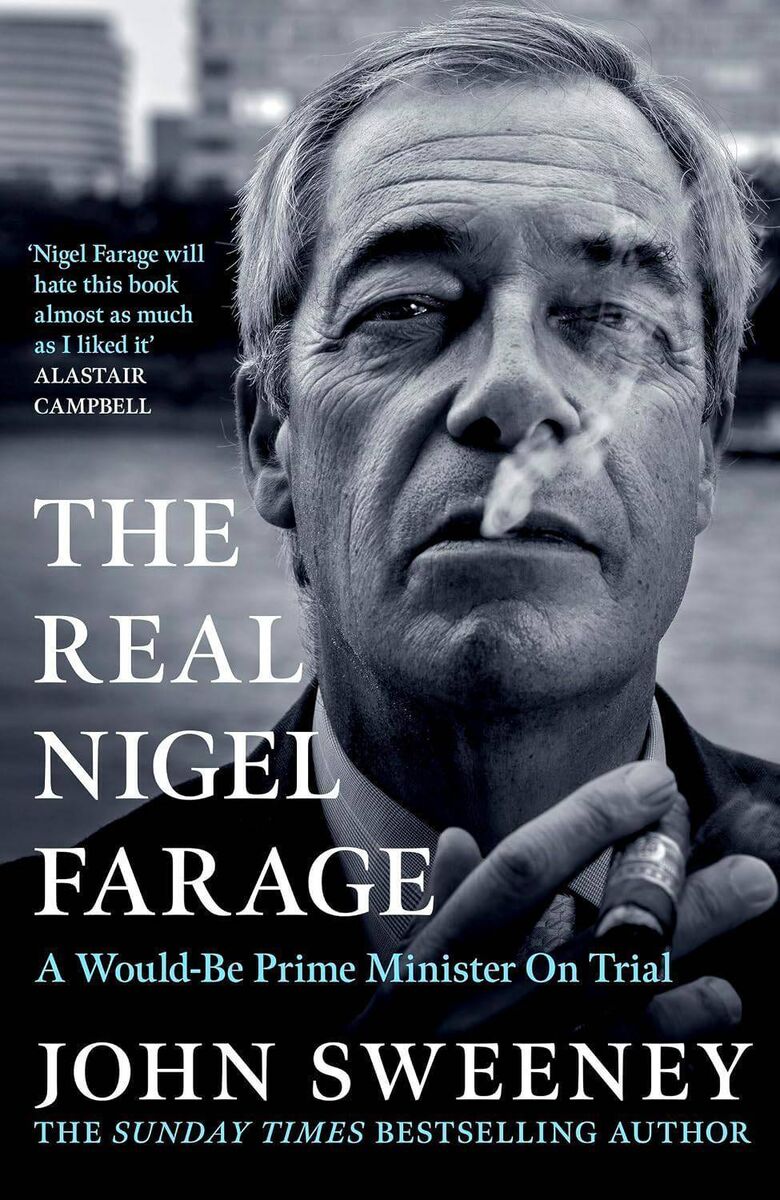
Book review: UK voters will ultimately decide on verdict of Nigel Farage
John Sweeney offers ‘a trial’ of Farage, one from which the defence counsel is largely absent, however, his case for the prosecution is robust
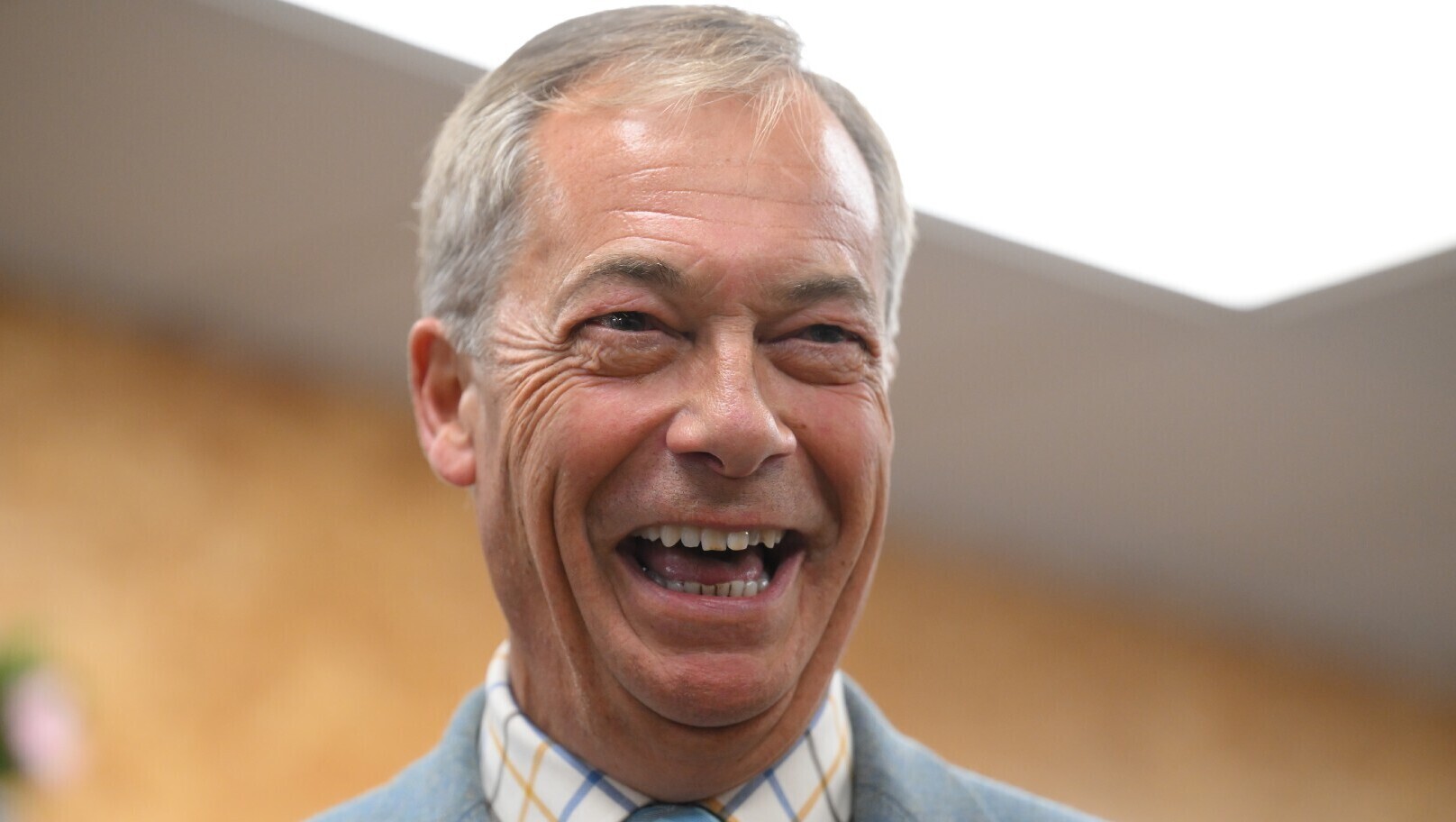
Noel Sweeney puts Nigel Farage under the spotlight in his book 'The Real Nigel Farage: A Would-Be Prime Minister On Trial'. File picture: Gary Oakley/PA 

Noel Sweeney puts Nigel Farage under the spotlight in his book 'The Real Nigel Farage: A Would-Be Prime Minister On Trial'. File picture: Gary Oakley/PA 

  • The Real Nigel Farage: A Would-Be Prime Minister On Trial
  • By John Sweeney
  • Headline, €22.99

Nigel Farage, MP for Clacton in Essex, is the leader of Reform UK, formerly the Brexit Party, and before that of the United Kingdom Independence Party (Ukip).

He was one of the main forces behind the campaign to take Britain out of the EU and has been in politics all his adult life, having joined the Conservative Party as a teenager but left soon after the deposition of Margaret Thatcher.

He was most recently in the news when, facing charges that he had failed to declare a £5m gift from Thai tax exile and crypto multibillionaire Christopher Harborne, aka Chakrit Sakunkrit, he resigned his Clacton seat and refought it in a by-election. 

‘Let the people decide’ seemed to be the message. The people did not let him down.

Labour, the Conservatives, the Lib Dems, and the Greens declining to play along, he was comfortably re-elected, polling twice the vote of his only serious opponent, a man in a dustbin.

John Sweeney’s book surveys the career from its beginnings, when, as a schoolboy at the elite private school Dulwich College, Farage was, according to the recollections of many contemporaries, noted for his racist language and ‘jokes’ about the Holocaust.

In spite of the no doubt excellent teaching on offer, he seems to have left school with few if any academic qualifications but quickly found work in the City of London as a commodities trader, embracing the work-hard-play-hard culture of the ‘red braces’ era.

He is remembered as a moderately successful trader and a heroic boozer.

Sweeney offers ‘a trial’ of Farage, but it is one from which defence counsel is largely absent and where the voters must be the ultimate judge.

His case for the prosecution is robust, relentless and sometimes knockabout in style: the supremely dodgy friends and donors in business, the casual racism and cruelty, lack of interest in policy and reliance on easy bonhomie, but chiefly his responsibility for Brexit, which has massively damaged the British economy.

One can by no means be sure that the significant resentful vote that Farage has built up and nurtures will quickly disappear. 

All the more reason for those possessed of a little common sense or common decency to make sure they act — and vote — against it.

BOOKS & MORE

Check out our Books Hub where you will find the latest news, reviews, features, opinions and analysis on all things books from the Irish Examiner's team of specialist writers, columnists and contributors.


More in this section

Scene & Heard

Newsletter

From music and film to books and visual art, explore the best of culture in Munster and beyond. Selected by our Arts Editor and delivered weekly.

Cookie Policy Privacy Policy Brand Safety FAQ Help Contact Us Terms and Conditions

© Examiner Echo Group Limited