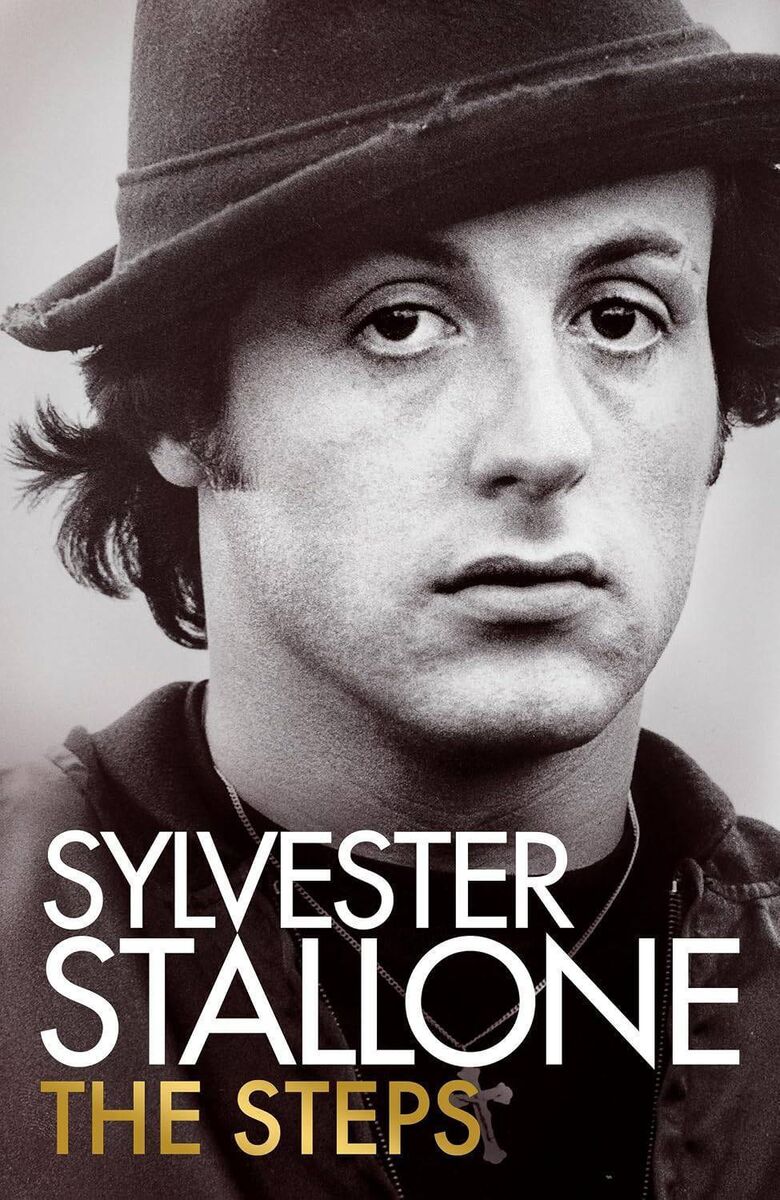
Book review: Stallone memoir is just another yarn about believing in yourself
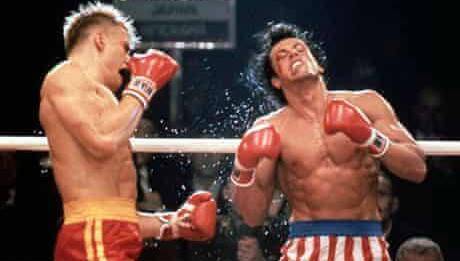
The title of Sylvester Stallone’s book refers to those 72 steps in Philadelphia that Rocky so famously ascended in the breakthrough film
Rocky (Sylvester Stallone, left) is punched by Ivan Drago (Dolph Lundgren) in a scene from 'Rocky IV'.

Rocky (Sylvester Stallone, left) is punched by Ivan Drago (Dolph Lundgren) in a scene from 'Rocky IV'.

  • The Steps
  • Sylvester Stallone
  • Seven Dials, €16.99

Sylvester Stallone turned 80 in the summer and it would appear the prospect of being an octogenarian has inspired reflection.

New memoir The Steps opens in the Pyrenees mountains in 1969, where Stallone began an eight-year odyssey that culminated with the 1977 Academy Awards and his breakthrough film  Rocky, which he wrote and starred in, winning Best Picture. 

Much the same terrain will be charted in the forthcoming I Play Rocky, a film in which Stallone is not involved in but has given approval for.

The title of the book refers to those 72 steps in Philadelphia that Rocky so famously ascended. 

It’s funny that Stallone would name his memoir after what’s perhaps the most replayed sequence of his career — it’s like if Billy Ray Cyrus called his autobiography Achy Breaky Heart.

But in just one of the book’s well-worn analogies, Stallone sees the steps as representative of struggle. “They were a symbol of all the times I had failed to make it to the next level in my life,” he writes.

Stallone pitched up in New York with a dollar and a dream of becoming an actor. Slim chance when you’re the antithesis of what the discipline values. 

Forceps used during his birth crushed a nerve that partially paralysed Stallone’s face, causing his famous slur that ought to have ended any dreams of being a thespian. 

There’s a lesson in the book’s blood about not judging people on the superficial.

The writing is clipped and unfussy, which is fine — a Sylvester Stallone memoir should move with the rock-‘em-sock-‘em rhythm of his best flicks. 

“Acting is such a friggin’ crapshoot,” he declares. 

Stallone does effectively convey the grimy dredges of 1970s New York. And The Steps is deftly structured, with smooth flashbacks to Stallone’s childhood. 

His strained relationship with his parents, one of the book’s chief themes, bleeds with pain.

There are fascinating insights into Stallone’s cinematic values. As a screenwriter, he believes dialogue should be economical, which is reflected in his recollections of real-life conversations. 

Some revelations are perhaps accidental: When he describes being punished in a school for troubled teens by being forced to haul cut logs up a hill, I recalled a training montage in Rocky IV. 

But Stallone is disappointingly sparse in other areas. His first wife Sasha, by his side through the hardship, is an interesting character who never comes into focus.

And so Stallone struggles to consistently turn his fascinating story into anything beyond another yarn about believing in oneself.

“I may strike out, but at least I went down swinging,” he writes, labouring on yet another tired analogy.

Who needs that when he already perfected these themes with Rocky itself?

BOOKS & MORE

Check out our Books Hub where you will find the latest news, reviews, features, opinions and analysis on all things books from the Irish Examiner's team of specialist writers, columnists and contributors.


More in this section

Scene & Heard

Newsletter

From music and film to books and visual art, explore the best of culture in Munster and beyond. Selected by our Arts Editor and delivered weekly.

Cookie Policy Privacy Policy Brand Safety FAQ Help Contact Us Terms and Conditions

© Examiner Echo Group Limited