Book review: The history of Hollywood, from silent film to streaming
"Film historian Basinger and ‘chronicler of Hollywood lore’ Wasson’s book comes in at over 700 pages, the oral history featuring hundreds of well-known names..."
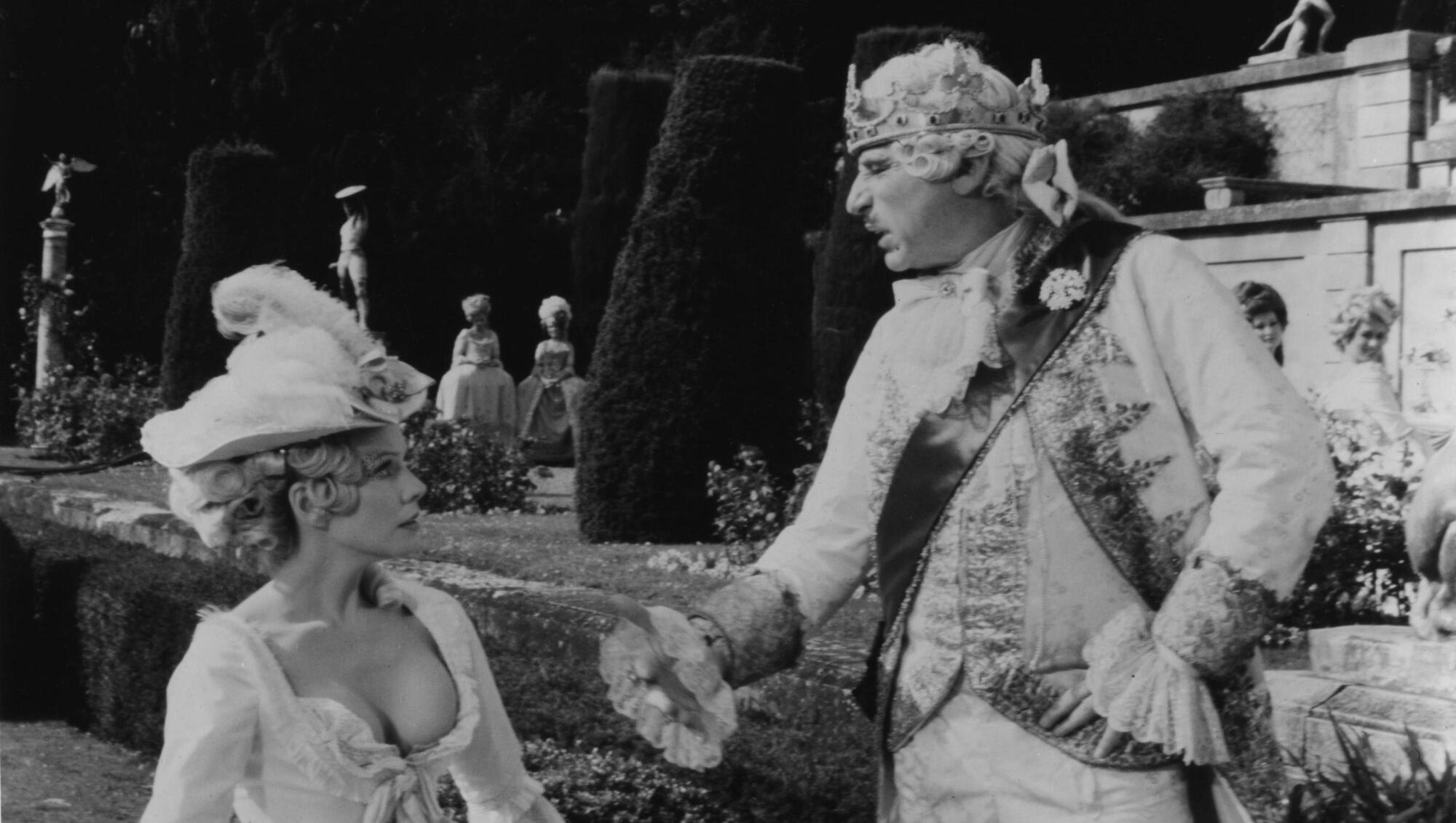
Actor Mel Brooks and Pamela Stephenson in a scene from the 1981 movie "History Of The World Part I" which was released in 1981. (Photo by Michael Ochs Archives/Getty Images)

Actor Mel Brooks and Pamela Stephenson in a scene from the 1981 movie "History Of The World Part I" which was released in 1981. (Photo by Michael Ochs Archives/Getty Images)

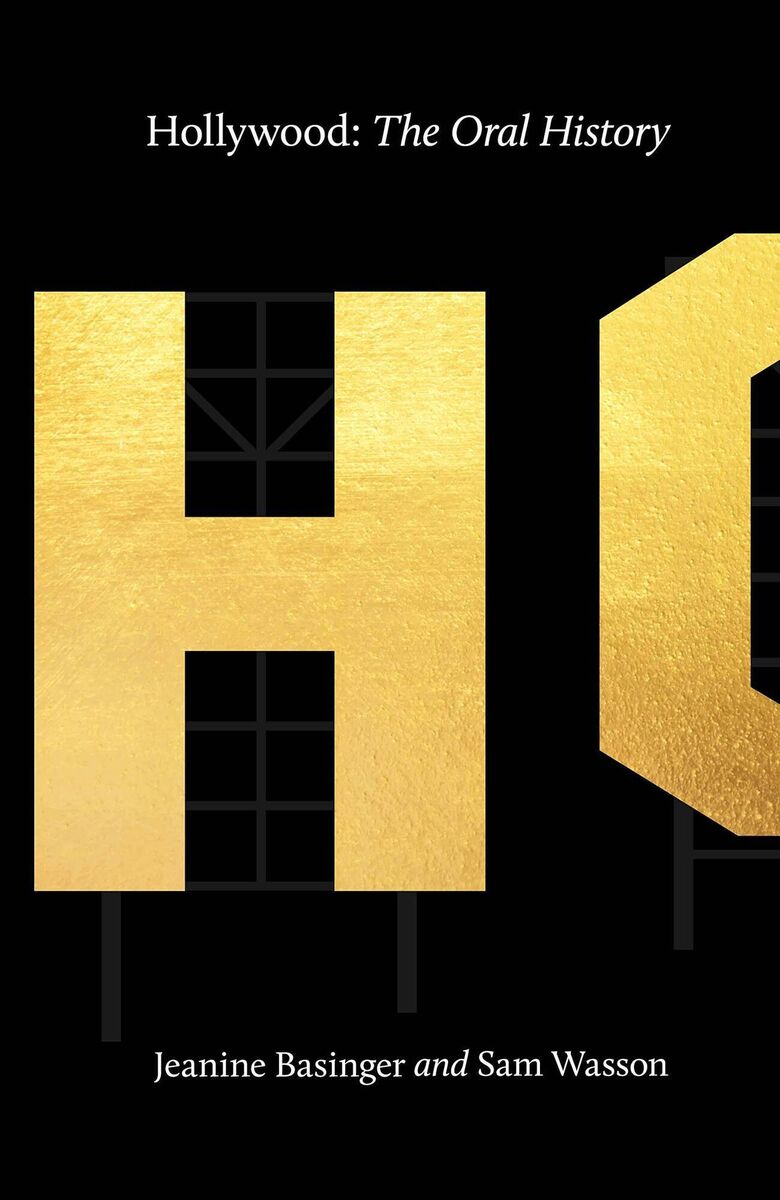
  • Hollywood: The Oral History
  • Jeanine Basinger and Sam Wasson
  • Faber, £25

Mel Brooks only appears a couple of times in Hollywood: The Oral History, but his overall influence is undeniable. Nick Kroll is one such disciple, though granted is more notable for his voice acting on the Netflix cartoon series Big Mouth and, er, Sausage Party. He’s also remade — as a series for a streamer — Brooks’ 1981 oddball comedy History of the World: Part I, which very much isn’t mentioned in this oral history. 

Interviewed on TV podcast The Watch around its release, Kroll remembers the advice that Brooks offered as consultant on the show: “Give em the hits… He was good at keeping us focused on the big stuff.” One wonders if Jeanine Basinger and Sam Wasson were given similar advice as they compiled Hollywood: The Oral History.

Film historian Basinger and ‘chronicler of Hollywood lore’ Wasson’s book comes in at over 700 pages, the oral history featuring hundreds of well-known names alongside producers, publishers, editors, makeup artists, and various other backstage personnel — indeed Wasson told Vanity Fair that he got the idea for the oral history while researching his book The Big Goodbye: Chinatown and the Last Years of Hollywood, and wanted to look into Anthea Sylbert, who was the costume designer at Chinatown.

It’s been compiled from the archives of the American Film Institute (AFI), which began its Harold Lloyd Master Seminars in 1969 — intimate conversations between Hollywood professionals and the institute’s conservatory students.

“There have been many attempts to tell the story of Hollywood, but there is simply no other spoken accounting of Hollywood as extensive as AFIs. There never will be,” they write in the introduction, explaining that they were granted total and unprecedented access to some 3,000 oral histories and nearly 10,000 hours of conversations.

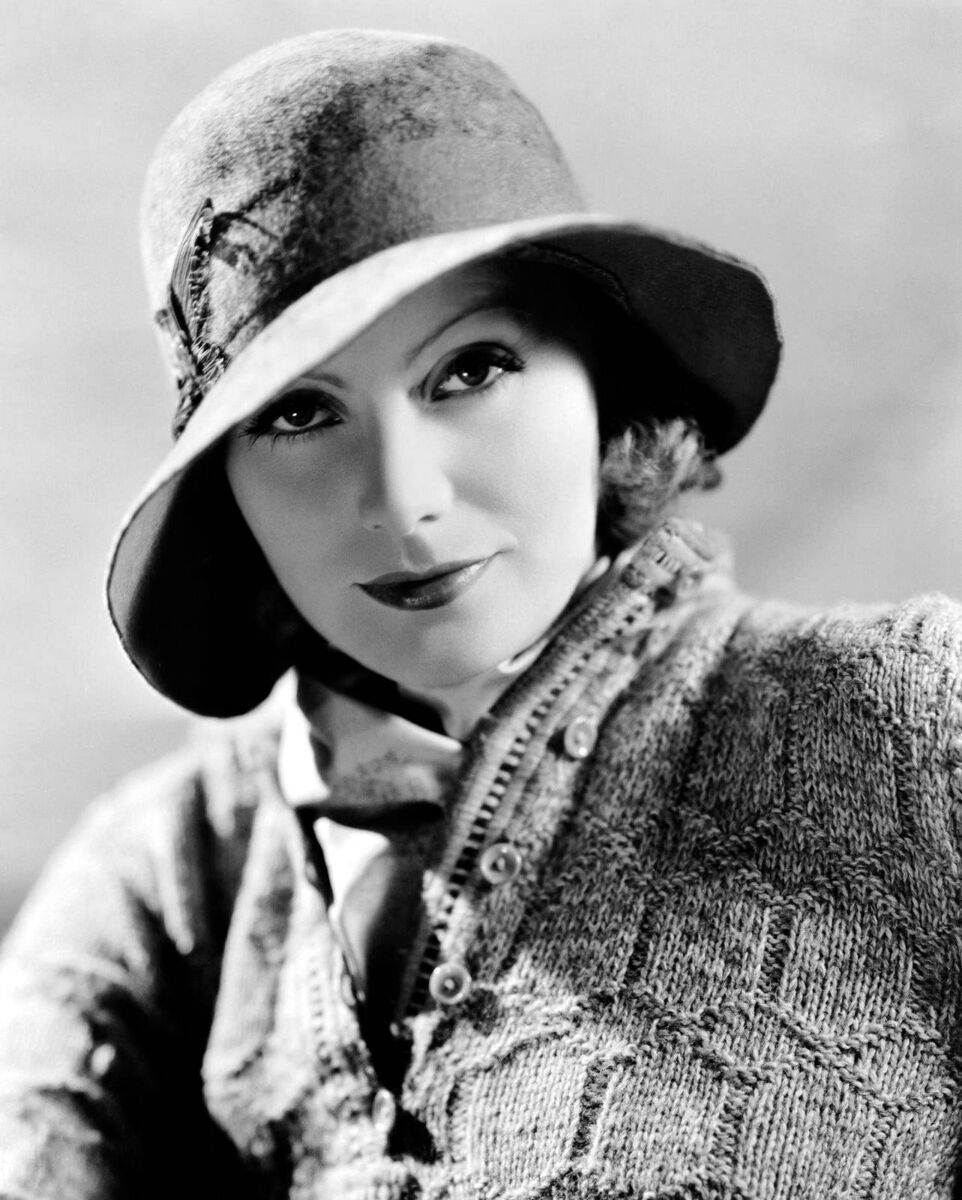
Name a star and there’s a delectable line about them somewhere in this tome. Greta Garbo: Always prepared but famous for the five o’clock quitting time.

OUT OF TIME, OUT OF CONTEXT

We’ll start with our quibbles first: They’ve arranged the book as if everyone is in the room together, having a century-long conversation with each other (indeed, the tagline for the book is “the greatest conversation in the history of Hollywood”). 

That’s obvious from the very start:

Ridgeway Callow: This is the true story of Hollywood. The most cruel, most despicable town in the world. Ruthless. Completely heartless.

Richard Schickel: … or at least that’s the way people like to picture it…

Stanley Donen:... but it’s a myth…

George Cukor: … There are all sorts of stories… usually untrue…

There are even times when Basinger and Wasson insert themselves into the oral history. After Scorcese describes making Mean Streets in 27 days (“We had to finish when we finished, and that was that. You know, I kept adding scenes”), Wasson follows up: “You needed that kind of energy. In post-studio Hollywood, the path from script to screen, formerly a straight line, grew longer and twistier than ever.”

It’s odd, disconcerting, to see the historian literally inserting himself into history.

Some context in terms of when the contributors are speaking would help too. We have an idea — the World Wars, Cold War, etc, are never far away (Teete Carle: “World War II was the golden era of motion pictures — I think the grosses were greater during World War II than ever, just unbelievable”) — but when exactly are certain names making their pronouncements? 

Studio executive Gordon Stulberg, for example, seems to play Nostradamus when he says that there will come a point when pay television will make features on its own. “And when it does it’s going to raise hell at the major studios.” It’s as if he’s predicted Netflix and its fellow streamers.

Our final nitpick — considering the sheer number of names involved, an index seems necessary.

But as noted, these are mere grumbles in the grand scheme of Hollywood: The Oral History.

Hollywood: The Oral History, by Jeanine Basinger and Sam Wasson

THE PATHS OF HISTORY

It begins with those great lofty names of yesteryear, who in turn pay tribute to lesser luminaries. Oscar-winning cinematographer Hal Mohr recalls that in Hollywood’s formative decades, “there were women directors”, namechecking Ruth Stonehouse, Ida May Park, and Lois Weber. You may want to keep a notebook close by.

As one contributor notes, things moved so fast in those early years, pointing out that the whole silent era isn’t much more than two decades. From the behind-the-scenes machinations to the on-screen stars, everyone’s got an opinion. Producer Irvin Thalberg is dubbed the boy wonder; depending on who you believe here, he either aimed “very high… very big”, was “very sure of himself”, or you “can’t understand the genius tag”.

The transition from silent era to talkies happens in a snap and is endlessly fascinating. Director of photography John Seitz: “All those silent-picture players that couldn’t talk were gone, too. Poor Jack Gilbert. I think he died more of a broken heart than anything.”

There are reams of tales about the grand studios of Hollywood, like MGM, the “aristocrat of the industry”, even though sometimes, it’s as much good luck — or bad — that can be the making of, well, everything and everyone. It Happened One Night director Frank Capra explains that studios would make deals with each other to loan or exchange stars, hence how he got Clark Gable for his Oscar-storming film. 

“Louis B Mayer wanted to punish Gable, teach him a lesson, so he made him come down to our Poverty Row studio in Gower Gulch, the awful low-budget Columbia. And that’s also how Clark Gable won an Oscar for his performance in our film. Some punishment!”

Name a star, and there’s a delectable line about them somewhere in this tome. Marilyn Monroe: “She had her devils. She might have covered it up, but she was tormented and very unhappy,” says Jack Lemmon. Greta Garbo: Always prepared, but famous for the five o’clock quitting time. Errol Flynn was like Gable — one of the stars you couldn’t kill in a picture; Cagney and Bogart though? Have away with them! 

And despite our misgivings, the conversational style does lead to bon mots. Henry King and Bette Davis defend Flynn’s acting ability. But Irving Rapper deadpans: “He was not Olivier.” (Later Joseph E Levine provides a laugh-out-loud line, discussing a particularly bloated era of Hollywood: “In 1966, we made five family pictures. Even my own family didn’t go and see them!”)

You also get plenty of trivia about the films themselves. There was talk of taking ‘Over the Rainbow’ out of The Wizard of Oz after its initial previews. Gone With The Wind was “perhaps the most kicked-about property that ever came to California, says Pandro Berman. “And I was one of the people who had a hand in kicking it around.” 

Easy Rider led to near-instant changes, from Jack Nicholson suddenly being the talk of the town to audiences finally feeling represented on the silver screen. When composer John Williams first played Steven Spielberg that theme for Jaws, “I started getting nervous in my heart… I’m getting flopsweat.”

Hollywood: The Oral History is for the reminiscers, the ones who believe film peaked long, long ago. Indeed, the last 30 or so years are wrapped up quickly, though Boyz n the Hood, Titanic, and Iron Man, for example, all get a mention. As for the future? Well, as producer David Picker says: “The movies somehow always survive.”

More in this section

Scene & Heard

Newsletter

From music and film to books and visual art, explore the best of culture in Munster and beyond. Selected by our Arts Editor and delivered weekly.

Cookie Policy Privacy Policy Brand Safety FAQ Help Contact Us Terms and Conditions

© Examiner Echo Group Limited