Author interview: ‘Stations’ pulls perfectly from Kennedy’s personal experience
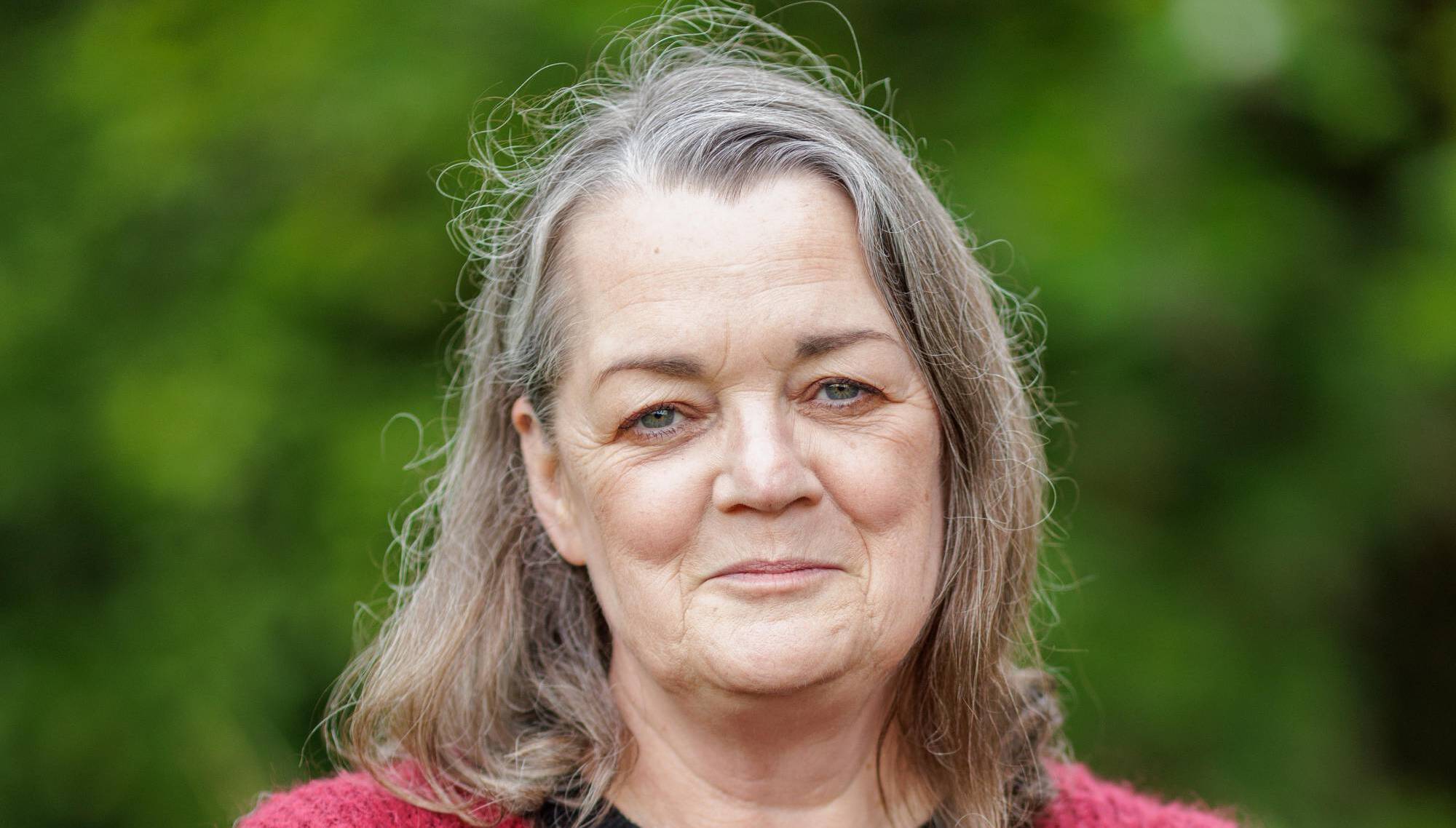
Louise Kennedy follows up the critical and commercial success of her debut 'Trespasses' with 'Stations' with most of the action set in small-town Ireland and London in the early 1980s 
Louise Kennedy is sharp, funny, and drily self-effacing. She skilfully conveys the casual viciousness of teenage girls, something she also experienced.

Louise Kennedy is sharp, funny, and drily self-effacing. She skilfully conveys the casual viciousness of teenage girls, something she also experienced.

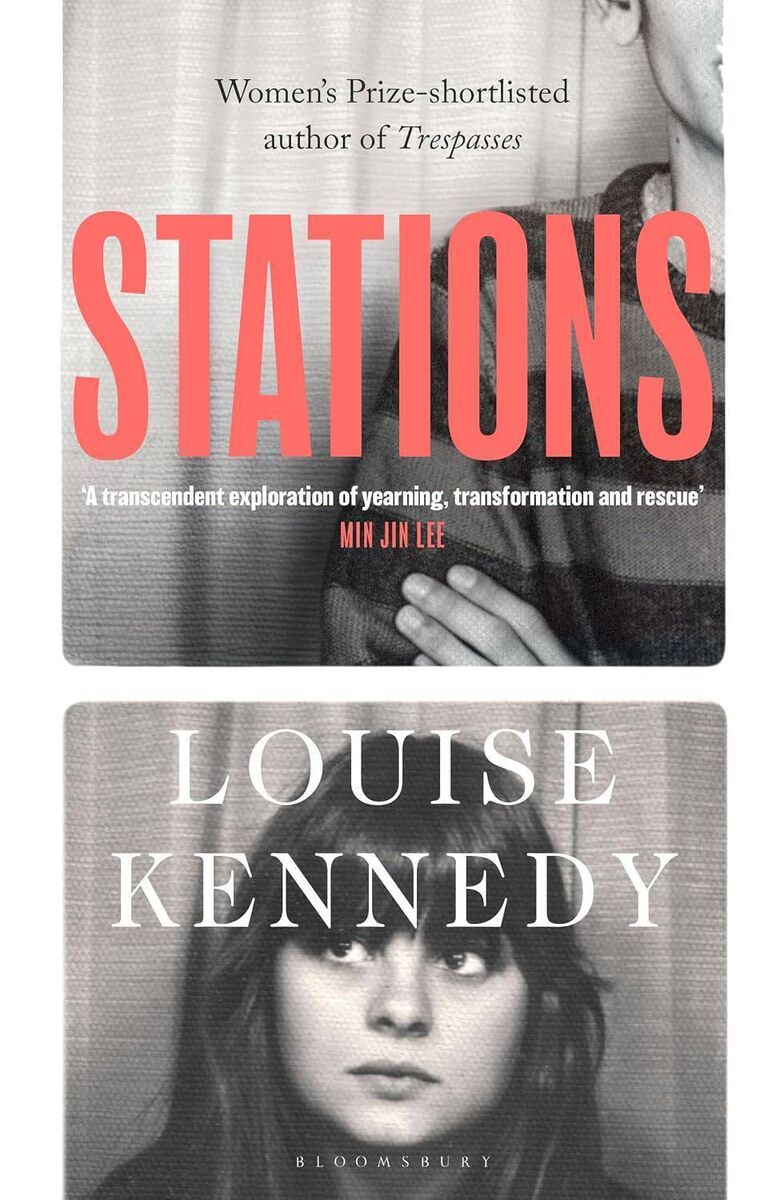
  • Stations
  • Louise Kennedy
  • Bloomsbury, €15.99

If my own experience is anything to go by, Louise Kennedy’s new book  Stations will be greeted with nods of recognition by women of a certain age.

Much of the action takes place between small-town Ireland and London in the early 1980s, with Kennedy, as one would expect from a GenXer, brilliantly capturing the era — from the joys of Findus Crispy Pancakes and the Superser, to the ill-advised haircuts inspired by the Human League.

There is also one unforgettable description of an iconic Irish biscuit, comparing it to a part of the female anatomy. 

Kennedy gives a throaty cackle when I tell her that I’ll never look at a Mikado in the same way again.

She says: “My sister’s friend brought that vision into my life. Her whole family called it that, yet they used to say the rosary every night; they were mental.”

Kennedy came to writing after a three-decade long career as a chef and hit the ground running.

Her short story collection The End of The World is a Cul de Sac, published in 2021, was an acutely observed survey of post-crash Ireland.

Her follow-up novel, Trespasses, was equally compelling; set in the North in the mid-1970s, it featured the memorable character of Cushla — a young Catholic teacher who has an affair with a married Protestant barrister. 

It was a big critical and commercial success and was adapted for the screen in an acclaimed television series starring Gillian Anderson.

In person, Kennedy is sharp, funny, and drily self-effacing. Describing the underlying theme of The End of The World is a Cul de Sac, she says: “I guess it was the kind of fake tan and fairy forts vibe, and there was also shit relationships and people being skint.”

The protagonist of Stations, her third book, is the adolescent Róisín, who first featured in Belladonna, one of the stories in that collection.

Stations takes up her story, as, newly arrived in a Kildare town from the North, she struggles to fit in.

'Unfinished business' with teenage character

Kennedy says she had “unfinished business” with the character: “There was something about that teenage voice that I found terrifyingly easy to get into.”

She too moved south from her home near Belfast when she was 12, and also had a difficult time adjusting to her new life.

“Like me, Róisín is a blow-in and isn’t very welcome at a time that was difficult for everybody,” Kennedy says.  “It was difficult to be a northerner in the south.

“It was difficult for people to have us around as well because there was a feeling that maybe whatever was wrong with us, all our belligerence and violence, was catching.”

Róisín is mercilessly bullied, and Kennedy skilfully conveys the casual viciousness of teenage girls, something she also experienced.

“I can remember people being practically lit, like almost beatific with nastiness, when they realised that they’d really hurt somebody,” she says. 

“By the same token, there were very nice girls, but they were mostly really quiet, keeping their heads down, hoping to God nobody noticed them in case they were next on the list.

“I just felt I could never really get a handle on it because the rules kept changing.”

Changing accents to appease

In Stations, Róisín changes her accent in an attempt to appease her tormentors, and Red is surprised to hear her speak with her northern accent when he visits her.

“I literally abandoned my accent over a weekend because I thought if I’m not speaking like that when I go in on Monday, then they might leave me alone,” says Kennedy.

Róisín finds a friend and soulmate in Red, who has plenty of problems of his own, including a nascent drug habit and a home life that he can’t wait to escape; the heartbreaking reason is eventually revealed towards the end of the book. 

Roisin follows Red to London where she moves into the squat where he is staying.

They eventually lose touch, and haunted by the circumstances in which she last she sees him, Róisín returns to find him 25 years later.

There is a good deal of nostalgia in the ether these days about the 1980s, driven by a hankering for an analogue existence and the more heterogeneous music and fashion of the time. 

However, Stations is a reminder of how Ireland wasn’t a great place to be for young people back then, with a floundering economy, and Church and State still very much intertwined.

“I was one of the people who went to London pretty much out of college, but I’d gone there for a summer as well in 1985,” says Kennedy. 

In Ireland, it seemed like there was an election every few months, and nobody had a handle on anything. 

“In the spring of 1985, a law was passed that made contraception available to people who weren’t married. Even the mention of divorce and people who thought they were liberal were having fits.

“So when we did get to London, there was a network of people there, and it just felt so liberating.”

However, the streets of London are not always paved with gold, as Róisín and Red discover when they encounter the compatriots that went before them who have fallen between the cracks, and are ashamed to return home. 

This also echoed Kennedy’s own experience of the capital city.

“From the outset, I was very conscious that we weren’t the first generation that had made that trip,” says Kennedy.

 “The men were particularly noticeable — the women who went and became nurses, dinner ladies, or carers, those are sisterhoods, and they managed to make lives.

“But the men were very much there, in the pubs, on the street, everywhere, worn out from digging and tunnelling, from drink and loneliness, and not able to work anymore. 

“I never really thought that they were that much different from us.”
Writing Stations had its challenges for Kennedy. Having been diagnosed with melanoma in 2019, she “wrote the hell out of” Trespasses. 

When the cancer returned, she had to go on immunotherapy drugs which, while successful, took a toll on her physically.

“I mean, Jesus, I’m not complaining. They worked, which means that I’m not dead because I absolutely would have been,” she says. 

“But they basically took out my endocrine system. So I have to take a lot of drugs that replicate hormones that my body should be making. I don’t seem to be able to generate a big adrenaline rush in the way that I did.”

The way that her first novel had connected with readers also brought additional pressure, she says: 

“Another thing that I had to park every single day was the fact that people took to Trespasses but once I sat down and started working, I forgot all of that, and I was grand.”

Kennedy is working away on her next book and like everything else, she’s taking it all as it comes:

 “I have seven chapters of something, I don’t even know what it is yet. It is set in the 90s, so yeah, I’m going up by the decade, I’m only 30 years ago now.”

x

More in this section

Scene & Heard

Newsletter

From music and film to books and visual art, explore the best of culture in Munster and beyond. Selected by our Arts Editor and delivered weekly.

Cookie Policy Privacy Policy Brand Safety FAQ Help Contact Us Terms and Conditions

© Examiner Echo Group Limited