Film reviews: Hugh Jackman is brilliant and charming in the remorseful 'The Death of Robin Hood'
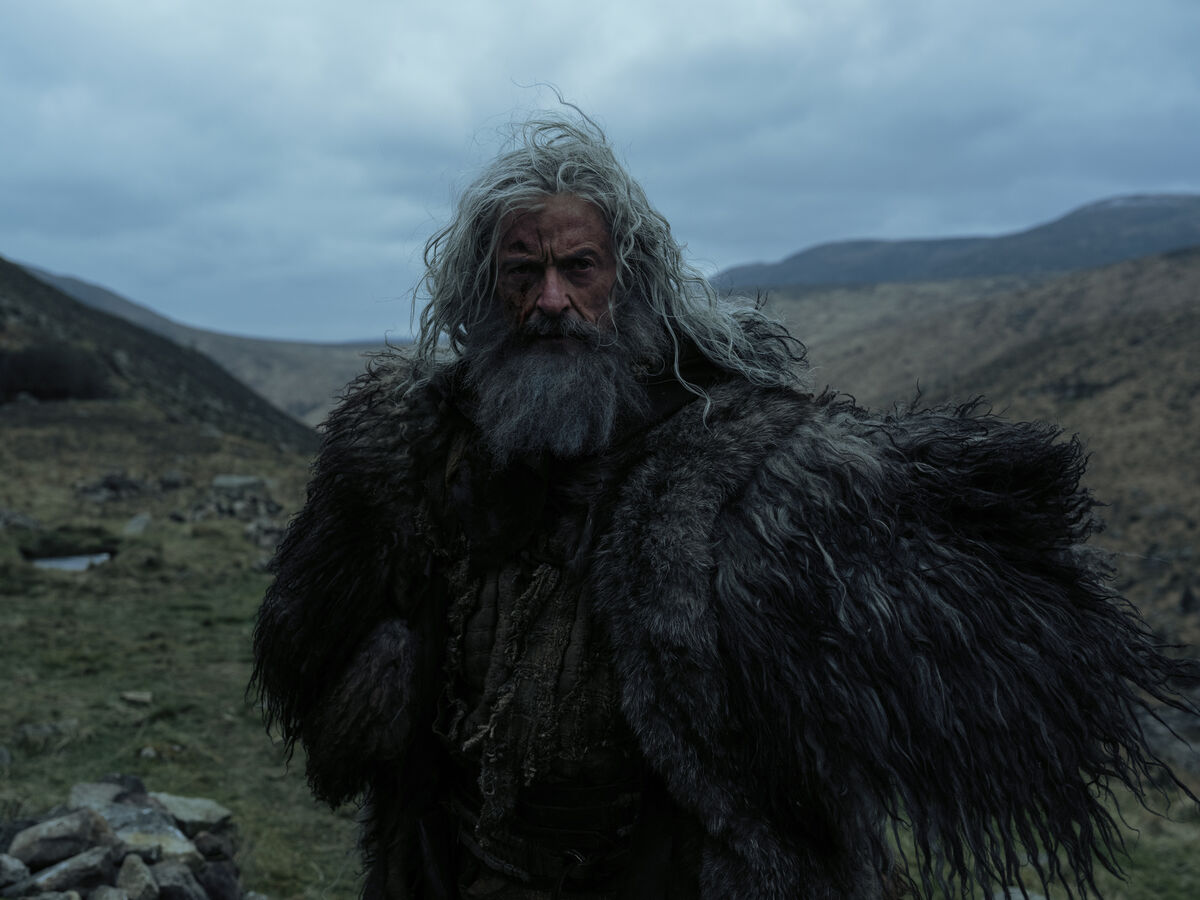
Hugh Jackman plays a grim and exhausted Robin Hood. He lives in the wilds, never able to let his guard down.
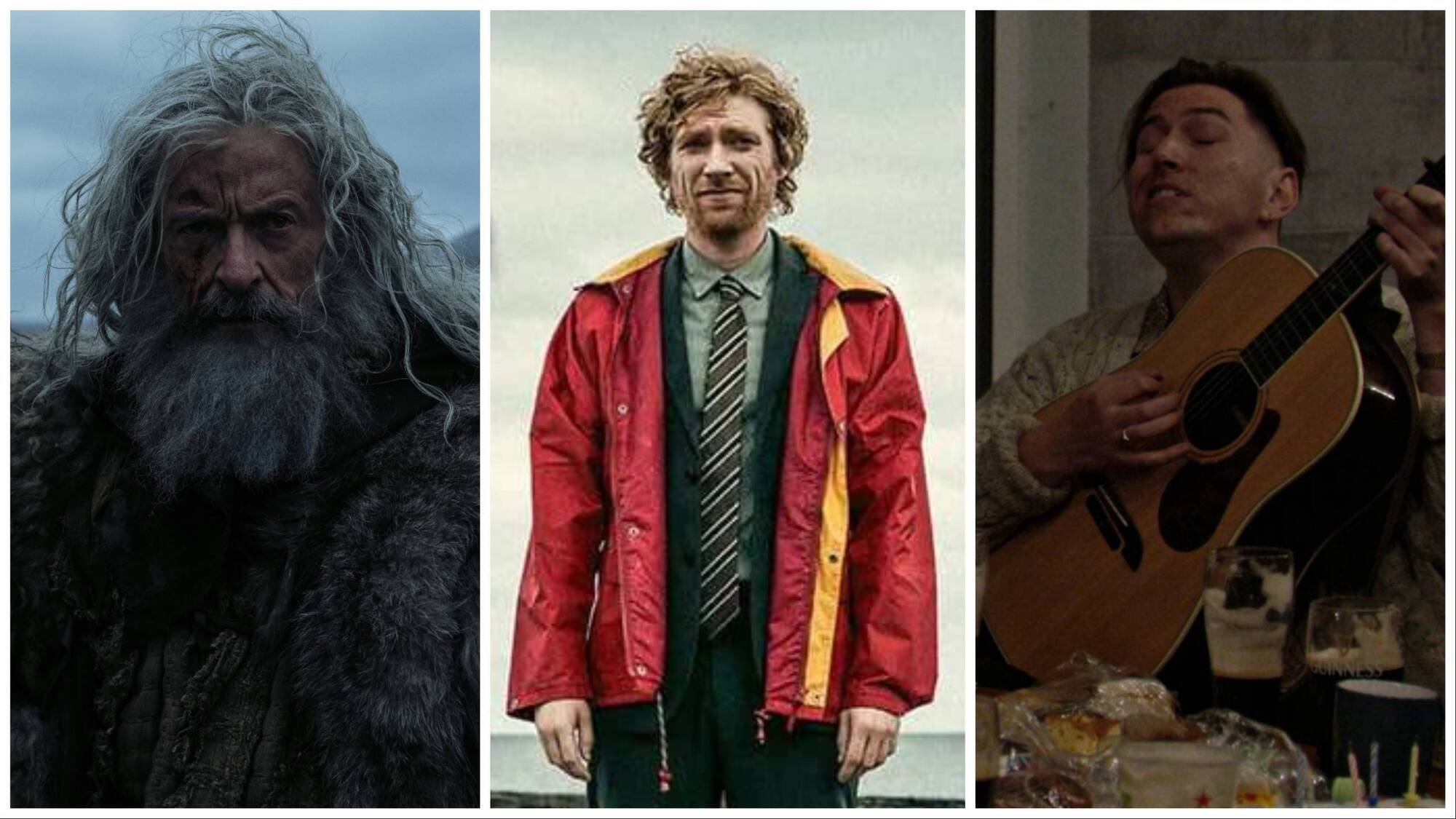
Hugh Jackman as Robin Hood in 'The Death of Robin Hood'; Domhnall Gleeson as Daniel in 'The Incomer'; A screenshot from Celtic Utopia / Útóipe Cheilteach which features artists such as The Mary Wallopers, Lankum, and Negro Impacto.

Hugh Jackman as Robin Hood in 'The Death of Robin Hood'; Domhnall Gleeson as Daniel in 'The Incomer'; A screenshot from Celtic Utopia / Útóipe Cheilteach which features artists such as The Mary Wallopers, Lankum, and Negro Impacto.

The Death of Robin Hood

★★★★☆

Hugh Jackman as Robin Hood in 'The Death of Robin Hood'

Based on a 17th-century ballad, Robin Hoode His Death, director Michael Sarnoski has taken elements from the story and twisted them into something darker in The Death of Robin Hood (16).

Hugh Jackman plays a grim and exhausted Robin Hood. He lives in the wilds, never able to let his guard down. There is always someone coming to challenge the myth of Robin Hood — or to exact revenge for a friend or family member killed by the great hero.

His old friend, Little John (Bill Skarsgård), asks him for a favour: one last fight. It will be a tough fight; one Robin believes they will die in, so he agrees to help.

In an interesting paradox, Robin agrees to fight because he believes he may die, yet when the fighting begins, he fights like a wild man simply to survive. The battle is horrifyingly violent, and by the end, Robin, badly injured, and Little John’s daughter, Margaret (Faith Delaney), are the only ones left alive.

Gravely wounded, Robin is taken to an island convent, where Sister Brigid (Jodie Comer), a gifted healer, can treat any wounds. In this new place, Robin and Margaret begin to thrive, and he sees the possibility of light in his future.

But he is Robin Hood, a man who has spilled too much blood. His past is too full of darkness for him to believe that he can truly have a chance at a new life.

There is a lot of talk about revisionism and seeing myths through a modern lens, but there is a question to be asked of us: did we, as a society, over time, sanitise the Robin Hood story?

The original writings speak of great violence, and although we know that Robin Hood is a character formed from several stories combined to create one man, history tells us that these men lived in brutal times. Did our neighbour’s ancestors choose to take the grim hero and give us only the heroic parts, leaving the brutality behind?

After all, every society needs a hero, and no society wants a hero who takes lives as quickly as he defends them.

Has Sarnoski simply leaned back in time and given us a far more accurate depiction of what Robin’s life — and his story — would actually have been like?

Regardless of whether you see it as revisionism or a more accurate reflection, The Death of Robin Hood is a beautiful but dark meditation on memory, remorse, and the disparity between myth and reality.

Heed the violence warning; it is stomach-churning in parts. Take note, too, of the use of a historical English dialect, which might put some viewers off, but it gave me a strong sense of time and place.

Jackman is brilliant, gnarly, and carries himself with such weariness, yet the charm still comes through.

We can see why men followed him and why people could believe that this man was considered to be something other than the norm. Comer brings something almost ethereal to Brigid. With a terrific soundtrack and visceral action scenes, this Robin Hood won’t be for everyone, but for anyone willing to face the violence, there is something quite beautiful to be found amongst the quagmire of blood and remorse.

The Incomer

★★★★☆

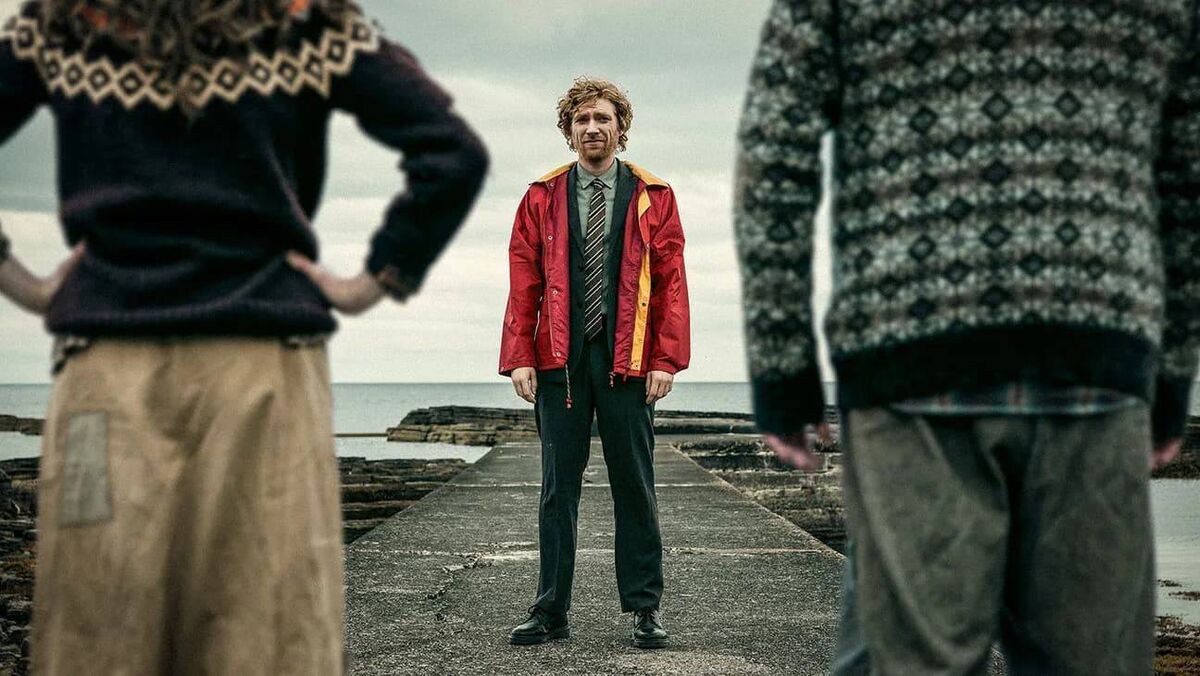
Domhnall Gleeson plays Daniel in 'The Incomer'

The Incomer (12a) is writer-director Louis Paxton’s feature debut. Set in the Scottish Highlands, the film is an odd, yet utterly charming folk comedy.

Domhnall Gleeson plays Daniel, a hapless but kind-hearted, self-confessed nerd who works for the Scottish Council’s housing department. He works in relocation — a gentle name for what is essentially the eviction department.

His boss, Roz (Michelle Gomez), discovers two siblings on an uninhabited island and sends Daniel to deliver their eviction notice.

Isla (Gayle Rankin) and her brother Sandy (Grant O’Rourke) have lived on the island all their lives.

Along with their parents, they were the last inhabitants of the land, but when their parents died while the siblings were still children, they were left to raise themselves.

Their father warned them of outsiders and insisted they defend the island by force. The siblings have developed their own madcap rituals: they dress as birds, caw at seagulls, and are, generally speaking, feral.

Daniel’s first encounter with them is a rock hurled at his head, knocking him out. When he wakes up tied up, he naturally freaks out but manages to convince Sandy that he is friendly.

What begins as a simple eviction soon becomes a gorgeous story of an outsider from the mainland finding an unexpected sense of kinship with two outsiders who have spent their entire lives on an island of their own.

As they navigate crossed wires, romantic feelings, and more incomers, there is little Sandy and Isla won’t do to defend their home.

Deliciously quirky and inventive, The Incomer is a rare treat – a modern-day fable that is as wacky as it is wonderful.

Celtic Utopia/Útóipe Cheilteach

★★★☆☆

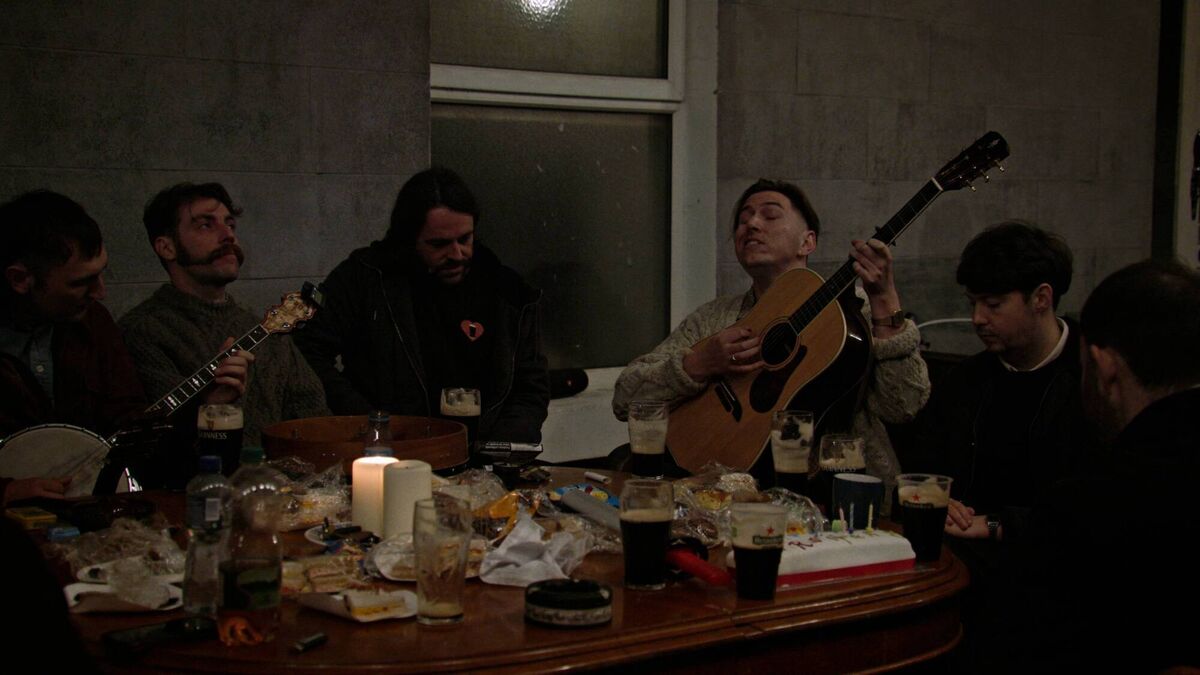
A screenshot from Celtic Utopia / Útóipe Cheilteach which features artists such as The Mary Wallopers, Lankum, and Negro Impacto.

Celtic Utopia / Útóipe Cheilteach (15a), directed by Dennis Harvey and Lars Lovén, mixes English with Irish as it focuses on a new generation of Irish folk and trad musicians as they attempt to bridge the gap between old ideals and new ways of looking at culture.

The documentary features artists including The Mary Wallopers, Lankum, and Negro Impacto, alongside lesser-known acts such as The Deadlians, Jinx Lennon, Branwen, and Young Spencer.

Each interviewee is introduced to us by way of song, whether that means busking on the streets of Dublin, singing in a reclaimed, abandoned house, or in a living room surrounded by family.

The interviewees talk about what trad and folk music means to them, and how it was once meant to scare priests, politicians, and people in power, before becoming sanitised over time.

Now, this new crop of musicians are attempting to reclaim it, bringing back some of the anger and spirit that once defined it.

They question authority, the Church’s role in Irish life, and its long-lasting effects, and look at life in Northern Ireland, where the effects of the Troubles are still strongly felt.

It represents Ireland as vibrant and alive, particularly in its representation of diversity, Gaeilgeoirí, and rebels. It can feel a little ramshackle at times, but maybe that was the plan.

After all, folk is exactly that — music born from people, passed down, reshaped, and reclaimed along the way.

  • all cinematic releases

More in this section

Scene & Heard

Newsletter

From music and film to books and visual art, explore the best of culture in Munster and beyond. Selected by our Arts Editor and delivered weekly.

Cookie Policy Privacy Policy Brand Safety FAQ Help Contact Us Terms and Conditions

© Examiner Echo Group Limited