Tom Dunne: From Dollywood to Dinglewood, we've lost a real treasure
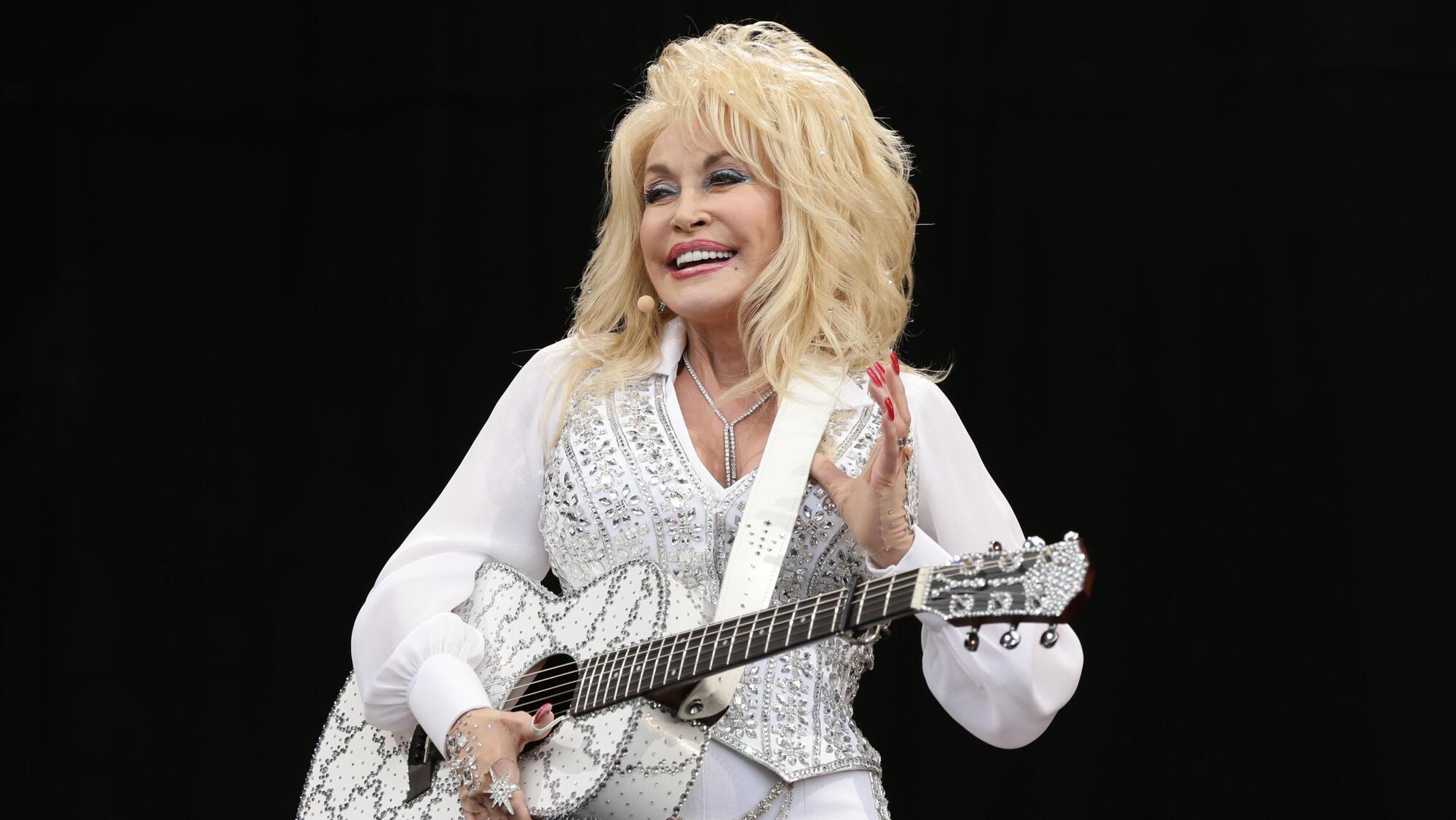
Dolly Parton performing on the Pyramid Stage at the Glastonbury Festival in 2014.

If on this auspicious day you only take away one thing from the sad death of Dolly Parton let it be this: She wrote and – two of the greatest songs of all time – in ONE day. Yes, let’s both sit down, will we?
It’s the one fact about her that I keep coming back to. It possibly even trumps – not a word we use much these days – The Beatles recording of and They were all recorded in one day but not written in one.
She set out to be a songwriter and that is what she became. Along the way she may have acted, won awards, developed a musical, set up an amazing literacy charity for children and had a cloned sheep named after her, but she was at core a singer songwriter, and an amazing one at that.
It was the turn of phrase, the eye for detail and the mastery of song writing technique that always amazed me may sound like a classic country song with nods to poverty and the human spirit, the kind of thing you hear a million times. But in Dolly’s hands it soars.
Read More
It took me a while to see past the stacked hair and rhinestone. But eventually the penny dropped. She had the same quality I saw in the other writers I loved. It was as if her life depended on those songs. And basically, it did. Dolly was for real.
You’ll know the facts of her upbringing: A one room cabin, the fourth of 12 children that her own mum brought into this world before she herself was 35. Yep, by her 35th birthday her mum had already been pregnant for almost nine years.
It was her mum, Avie Lee, and her sister Dorothy Jo, that brought a lot of the love of music. Avie Lee sang songs around the house. Dolly was besotted. Her first instrument was a mandolin with bass guitar strings; she was on local TV by her 10th birthday and made her first record by 13.
Read More
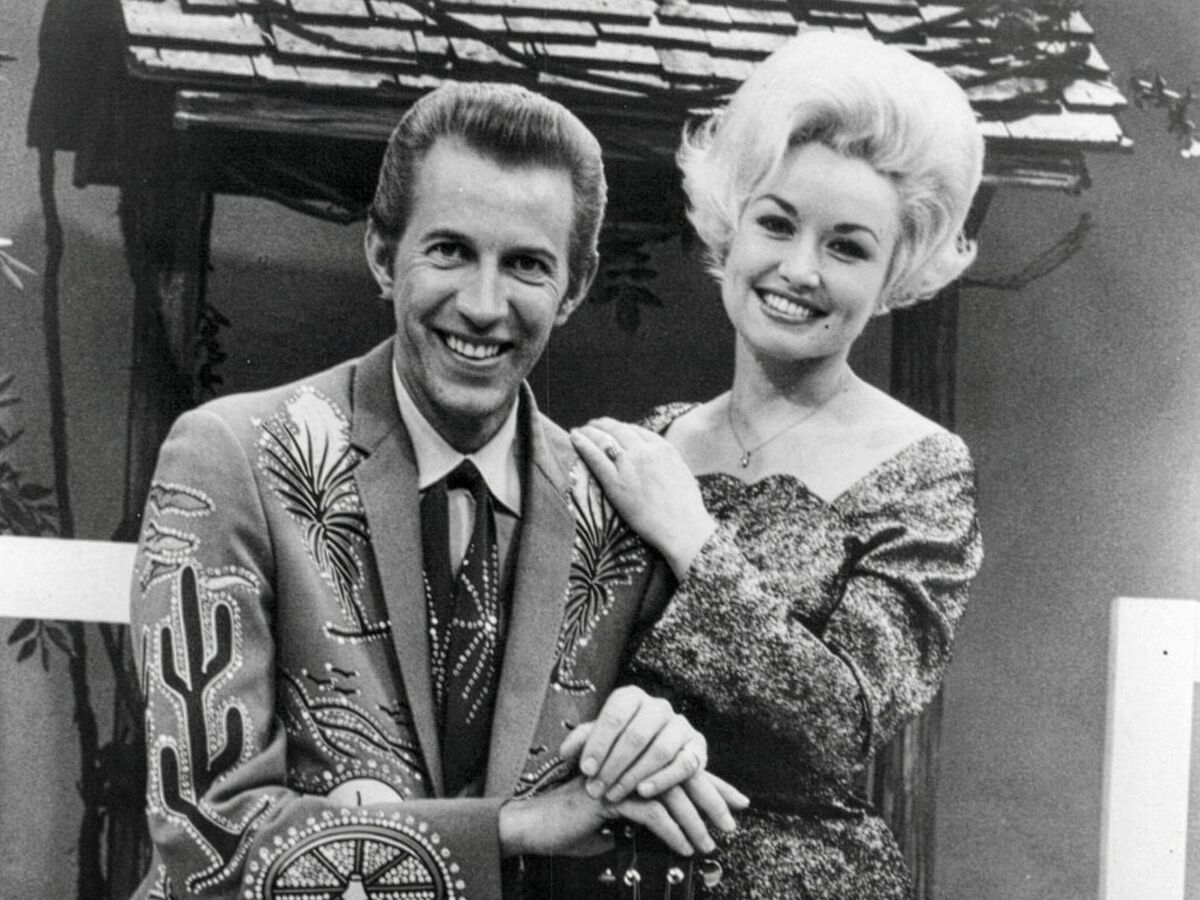
Her real break came when she became the female sidekick to Porter Wagoner, a country star and TV personality on his hugely popular syndicated TV show. It ran from 1967 to 1975. Simply being on that show once made you famous. Being on it every week was gold dust.
She credits Wagoner as being the “second man” in her life, the first being Carl, the husband she married in 1966 and who she was with up to his death just last year. Wagoner was the star, and part of the deal was making him look good, but not overshadowed.
I’d imagine Wagoner knew that the game was up from the opening riff of Jolene. The song is a writing master class. “Start with the chorus, then repeat it,” they always say, “and have a dramatic opening line too, if you can.”
“Okay,” said Dolly: “Jolene, Jolene, Jolene, Jolene, I’m begging of you please don’t take my man.”
Apparently she then wrote as a farewell to Wagoner. I presume after having written Jolene she knew she’d need a farewell song fairly rapidly. The sidekick days were over.
Solo success wasn’t instant. She didn’t write her first million seller in 1977, or in 1983. But she did write the theme song to the 1980 film which gave her both her first US number one and established her film career. After that Whitney Houston and did all the heavy lifting.
In later years she was one of those acts embraced semi ironically by the big festivals. Glastonbury fans might ostensibly be there to watch Nick Cave or PJ Harvey, but when Dolly took the stage she owned it. Behind the stacked hair and rhinestone, it was genuine drop-dead talent.
If you get a chance to watch her impromptu performance at Páidí Ó Sé’s pub in 1990 you should. “Performing with local musicians,” say some; “Performing with Cooney and Begley,” say those who know. A performance of the song written for mum, Avie Lee.
It’s when the voice comes in, in a pub, on a tiny PA, on a night in Dinglewood, Co Kerry. “Different class” as the late Jimmy Magee would say. Different class indeed.