The Wind That Shakes The Barley at 20: Magic memories of the Cork-set film
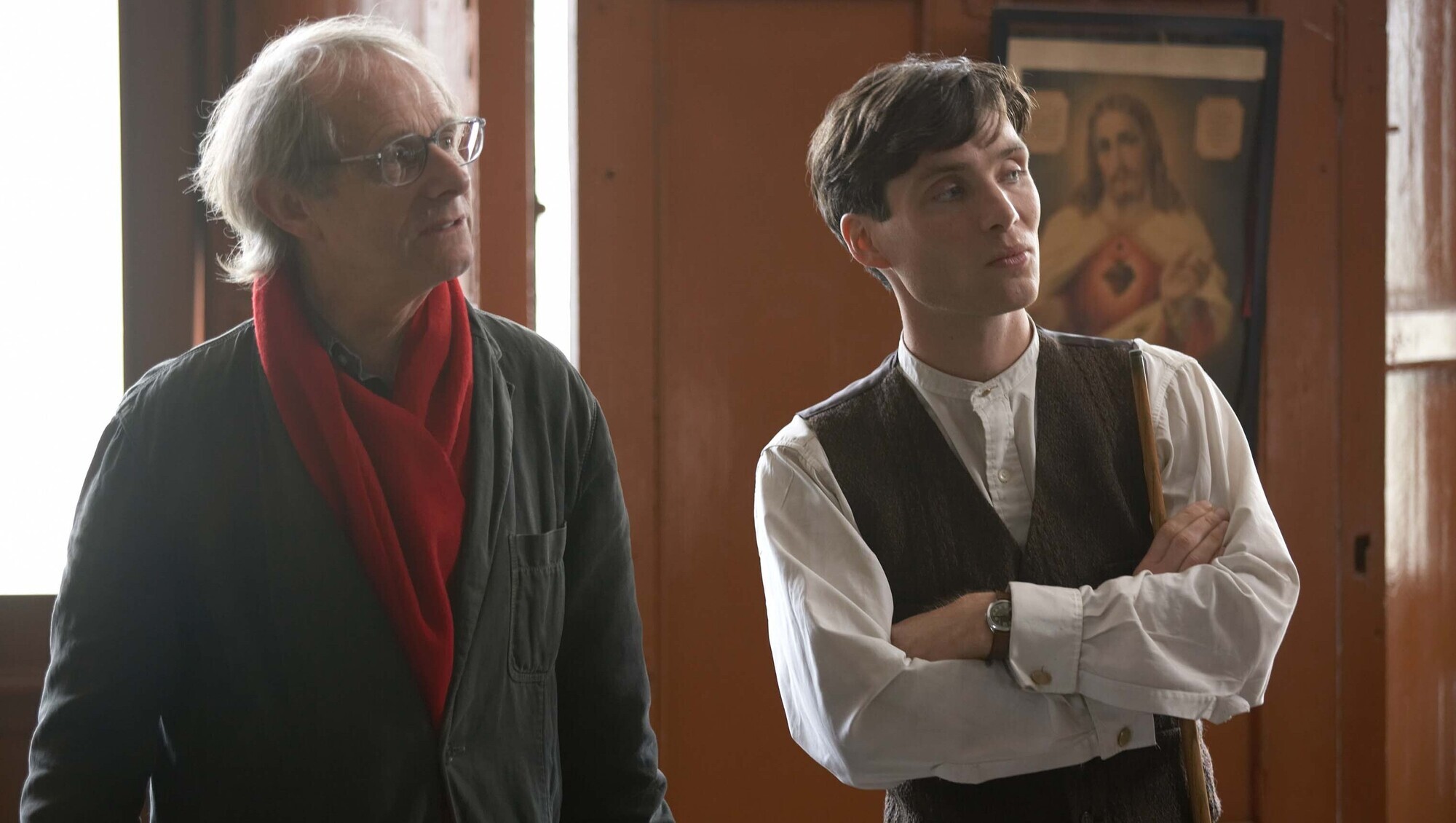
Director Ken Loach and star Cillian Murphy in West Cork during the filming of The Wind That Shakes The Barley.
It was the remarkable turnaround in a Champions League Final that first gave Paul Laverty a sense that luck was smiling on his latest project. On a break from filming in Co Cork in 2005, Laverty, long-term collaborator and fellow football nut Ken Loach, along with cast and crew, caught up with the football following a late day of filming.
The half-time odds were stacked against Liverpool in their Champions League final against mighty Milan — but there was to be a dramatic turnaround of fortune. “Me and Ken love football,” says Laverty now. “Milan were already 3-0 up at halftime against Liverpool. The Reds fought back and won the cup. I knew it was going to be a good shoot after that, luck on our side!”
Few could have anticipated then how good a shoot would turn out to be. Released in the summer of 2006 and now in its 20th anniversary year, it went on to win one of the highest accolades in film, the Palme d’Or at Cannes Film Festival.
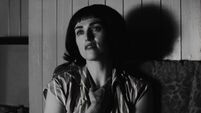
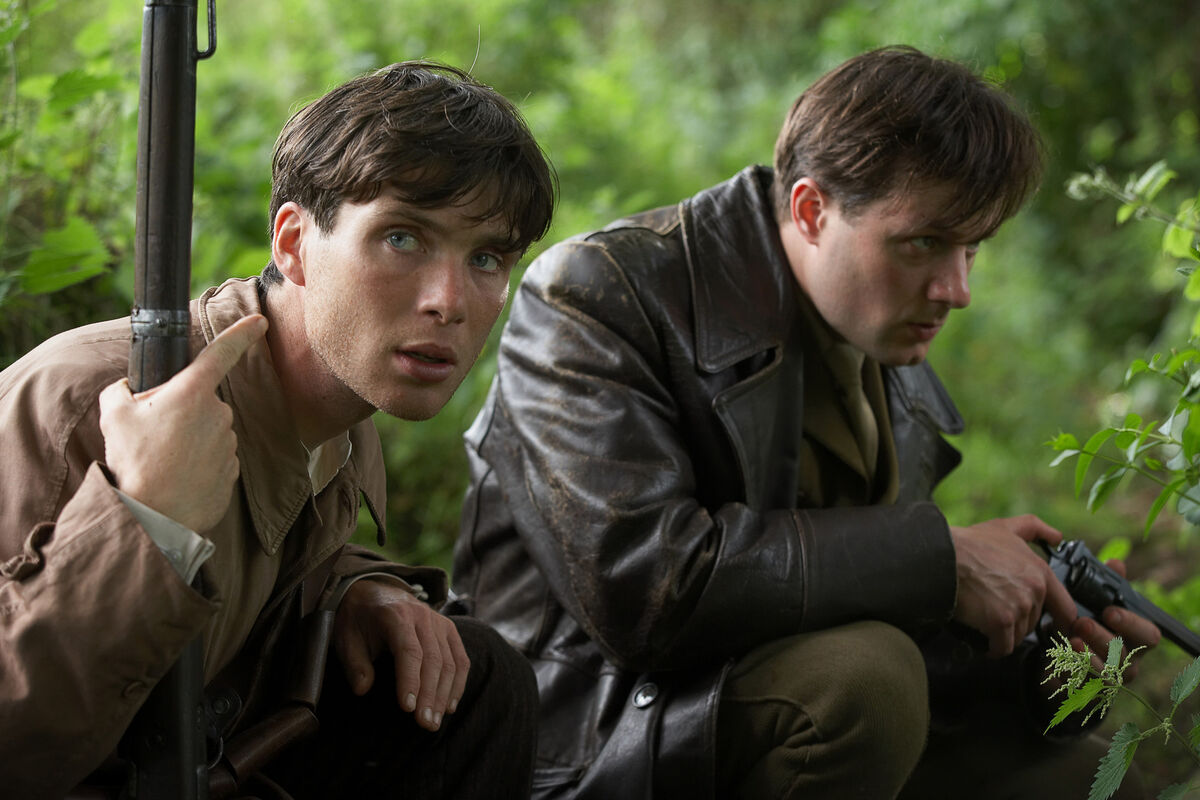
Starring Cillian Murphy and Pádraig Delaney as brothers who fight for Irish independence only to find themselves on opposing sides during the Civil War, the film — which got its name from a 19th century rebel ballad — became English filmmaker Loach’s biggest success to date and resonated with audiences at home and worldwide.
Cork actor Murphy was on a creative roll at the time. In that same year, he played Kitten in Neil Jordan’s widely-praised and worked for the first time with director Christopher Nolan on Murphy and Nolan would go on to work together several times, culminating in the actor’s Oscar win in 2024 for .
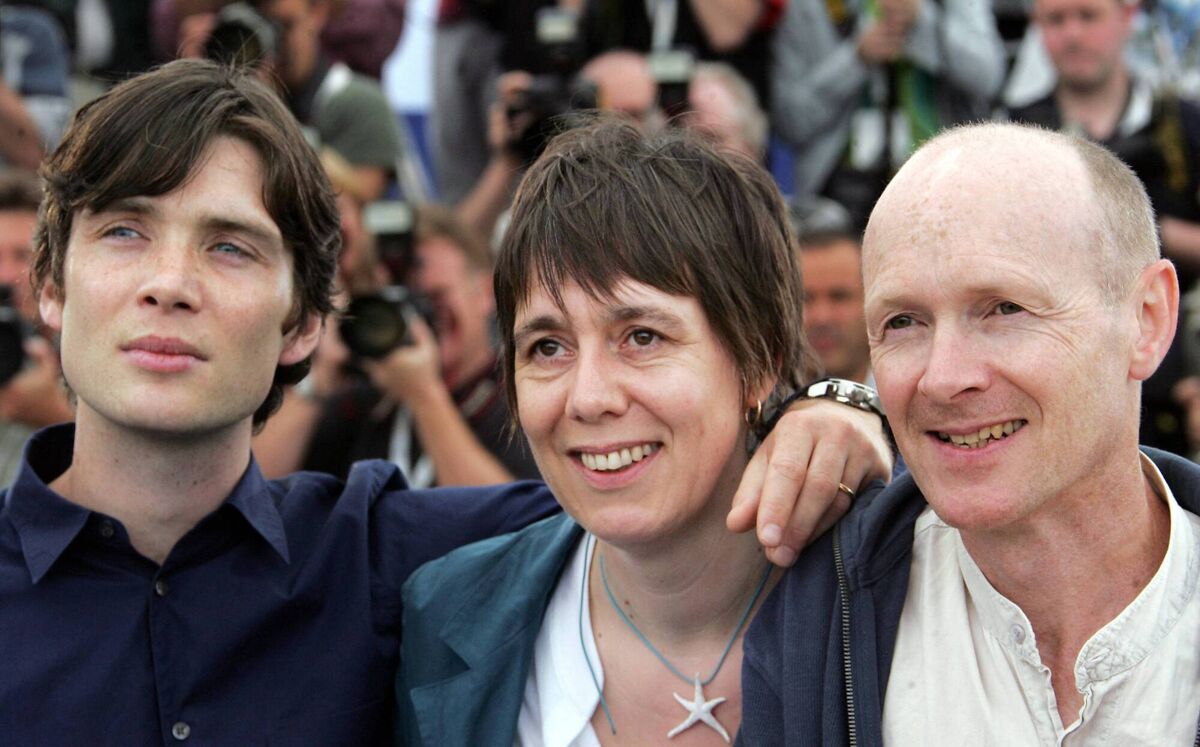
Born to Scottish and Irish parents, screenwriter Laverty has collaborated with Loach in over a dozen projects. Filming in locations in counties Cork and Kerry rank among his greatest memories in the film world, he says of the shoot.
“We will never forget the generosity of the people who made the film with us; the people we met while doing the research, a brilliant crew and, of course, a very special group of actors, some of whom had great experience, and others acting for the first time,” says Laverty.
He recalls in particular a trip to Co Cork before writing the script that strongly resonated with him. “I wandered round the sites of ambushes. The landscape was astounding — it was late February and early March and I remember how wild and cold it was.
"It made me realise how tough it must have been to conduct a guerrilla war, how determined and resilient the flying columns had to be, and the only way they could take on the superior numbers of the British army was because of the community support.
"Implicit in this was the crucial role of women in the resistance, often underestimated. It made me realise too that it would be a young person's story. With youth goes energy, and often misjudgement.”
Laverty recalls visiting a small museum in Clonakilty where some older exhibits depicted very early photographs of evictions. They helped, he says, to inspire the character of Peggy, the grandmother in the film.
“The research, and massive shout out to my old mate Donal Ó Drisceoil at Cork university, was a joy and a challenge. The trickiest hurdle in the writing was to combine the War of Independence, the Civil War, and still have some room for the personal moments for the characters. It was a lot to squeeze in!”
A key decision, he says, was to have fictional characters inspired by the times. “That lifted an enormous weight and gave us more freedom, and Ken was fully in support.”
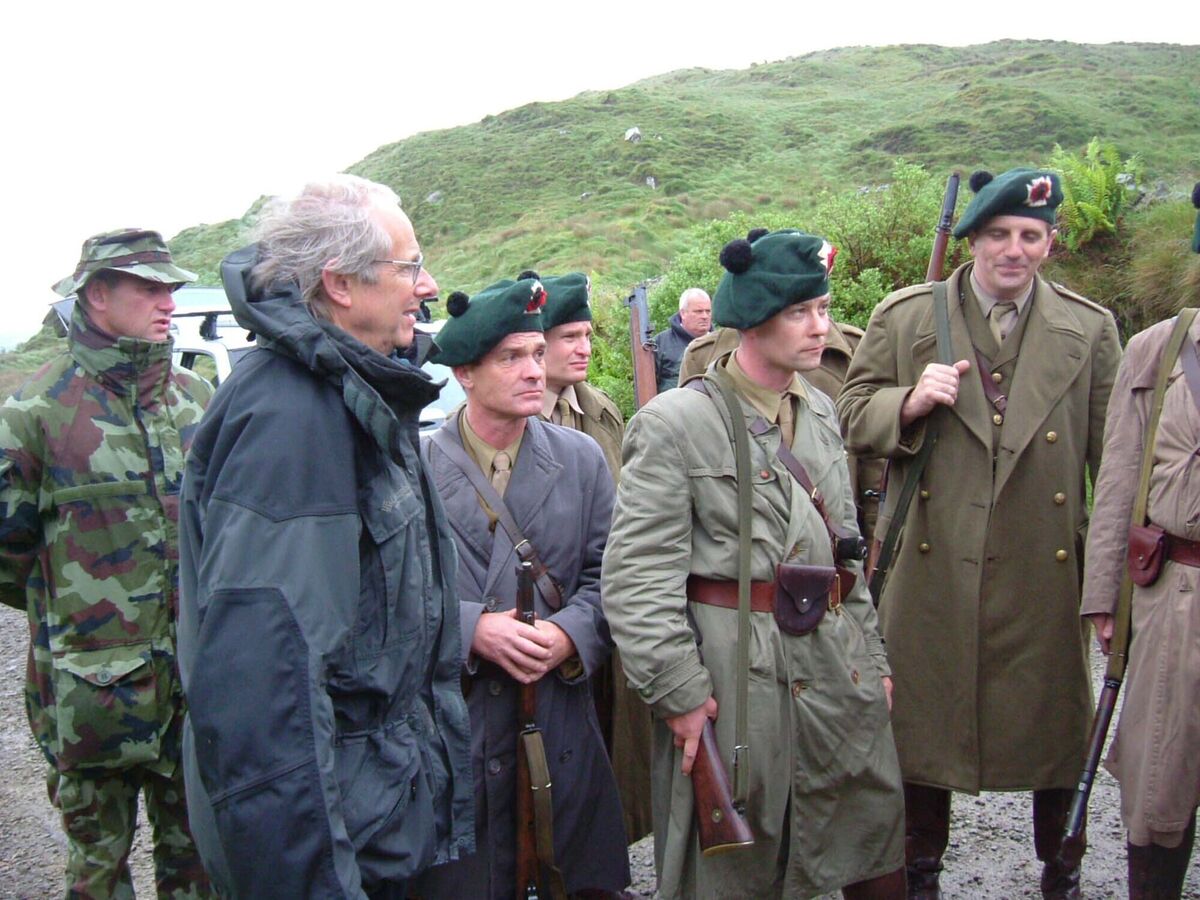
Laverty also has fond memories of the shoot itself. “Ken was in top form and it was brilliant to see him and the team enjoy the process so much. The actors were special, everyone. I felt the wind was at our backs.”
went on to become both a critical and commercial hit, winning the Palme d’Or and becoming one of the most successful independent films at the Irish box office.
Laverty was heartened to hear stories from his own family in Co Limerick, and stories from friends, that older people in Ireland — some of whom hadn’t been to the cinema in years — wanted to see it with their families.
“We felt that was special and obviously sparked very many personal memories for them. They wouldn't go if it hadn't resonated truthfully. We heard wonderful stories of screenings from around the world.
"Me, Ken and Rebecca O'Brien, our producer, were at a wonderful screening in Ramallah [in Palestine]. Arundhati Roy [Indian author] sent me a lovely note of a remarkable atmosphere after a screening in Kashmir. It is hardly a surprise that it had such a strong reaction in other places that had suffered from British occupation.”
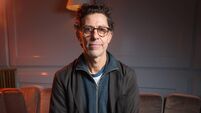
Senior lecturer in film and screen media at UCC Barry Monahan feels it was Loach’s directorial approach that proved key to how the film resonated with audiences.
“There's an upper level and then a lower level that works so brilliantly in terms of the way Loach does business, and that really worked,” he says. “The upper level is his genuine interest in social concerns, in social politics, in social contexts and historical contexts, and the personal side of that. I think that he's so genuinely interested in listening to individual voices, and that's a part of his wider, creative project that fed into something that really worked.”
Then, says Monahan, Loach has a penchant for meeting and listening to people on the ground in the areas where his films are set.
“He directs in the most open, generous, and listening way that you can, and I think that's where Paul Laverty is brilliant as well. It was really about the local accents, the local voices, the local landscapes that Ken Loach works so brilliantly with.
"And as a very clear indication of this, he used some non-professional performers. These were people who actually had lived, or had parents who had lived through this history, and it had been a part of their own cultural development and growth.”
The film stirred controversy in British media when it won the top prize at Cannes, a reaction that was noticed by the filmmaking team. “It was almost comical to see the British press get their knickers in a twist after it won the Palme d’Or,” says Laverty. “In particular, I remember Michael Gove [Conservative politician] venting as if he might explode.”
Laverty has continued to irk elements of the British establishment and was arrested in Scotland last year while wearing a pro-Palestine t-shirt at a demonstration. Since he has made eight more films with Loach, including Leitrim-set tale which again had Cork historian Ó Drisceoil as historical adviser.
As turns 20, Laverty says how Irish audiences responded to the film mattered greatly to him. “Irish history and politics is highly contested. History always is. But I think we were all relieved to see that the film went down well in Ireland. The reaction there meant most to us.
"Personally, I was very relieved. I have the most wonderful memories of the first public screening in Cork with friends, family, crew and our wonderful actors. It was a privilege to have a crack at it.”