An uncertain future: David Puttnam on the impact of AI on the film industry
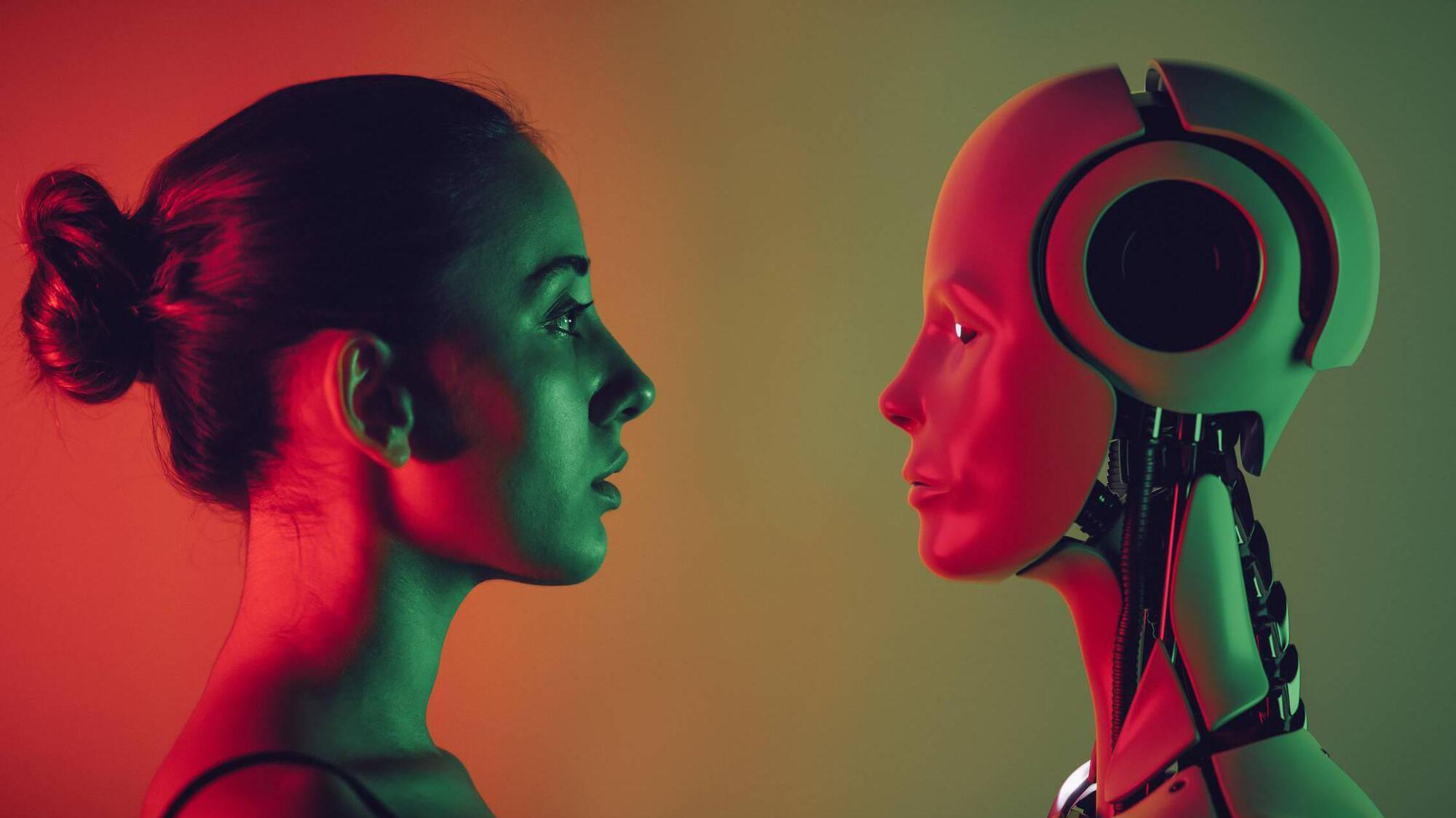
AI technology is expected to have a major impact on the film industry in the near future. Picture: iStock
The AI revolution is reshaping the future potential of many aspects of our lives, with widespread debate about the pros and cons of the technology. Hollywood — and the Irish film and TV industry — is at the forefront of this time of unprecedented change.
At the recent Fastnet Film Festival panel discussion 'AI and the Future of Filmmaking', concerns about job losses were raised, but one major topic became central to the debate, says a panellist at the discussion, top film producer and educator David Puttnam.
“I think all the questions were in one way or another about the ethical use of AI,” says the West Cork-based producer. “It was all about use, protection, regulation. That's where the whole debate always, to me, ended up. It was an argument for ethical and responsible regulation.”
AI in film and TV offers the prospect of major savings in the cost of making the shows that come to our screens. There’s little doubt such reductions can democratise the costly filmmaking process, but there are concerns too — about potential job losses, about what AI will mean for the audience experience, and the many ethical and ownership issues involved.
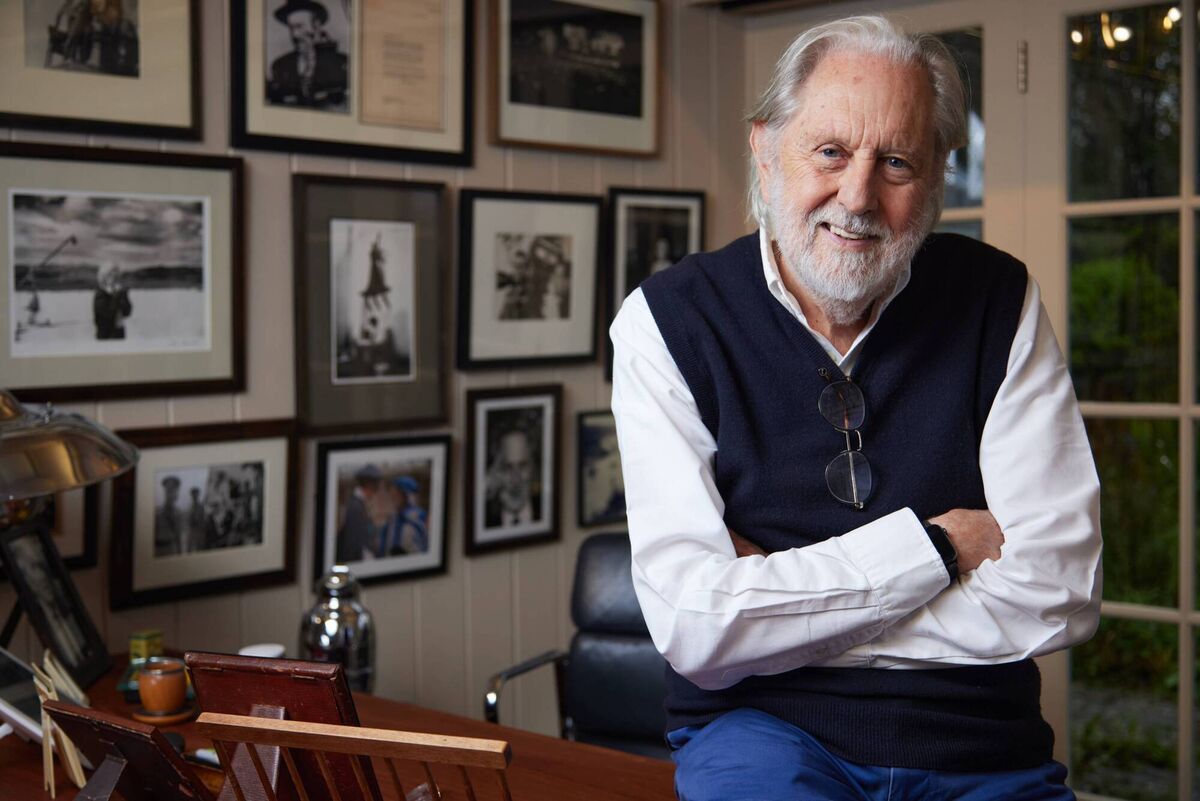
The 85-year-old Oscar-winning producer of films including and has seen much technological change over the course of his career. He went on to work in politics and is now chair of Atticus Education, an online education company that delivers audio-visual seminars to students all over the world.
He has seen first-hand how AI can benefit the work he does. “The big benefit is our archiving and recall, which is hugely improved. Frankly, it used to rather rely on my memory. The digital recall, digital archiving has been a huge help to us. We've got 5,000 clips. I can't remember 5,000 clips.”
Puttnam has seen first-hand the benefits that AI can bring to the screen industry. He cites the example of a friend and colleague, currently working on a Second World War project that required a battle sequence in the air.
“He had various estimates, every one of which was well over £100,000. He ended up going to an AI company that did the whole thing beautifully for £15,000. It's an interesting illustration of what can be done. But then you've got a question of renting equipment that is very much more expensive than you've ever seen before.”
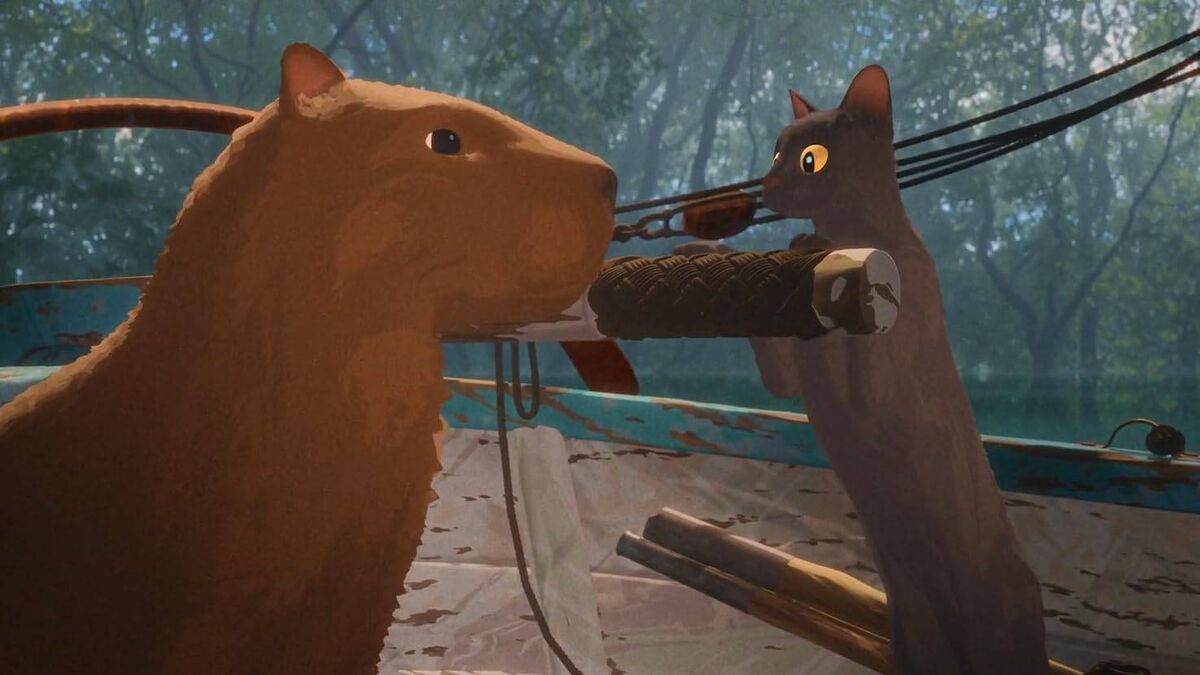
Puttnam also cites the example of the recent Oscar-winning animated film made on a tiny budget of $3.7 million compared to the triple-figure sums of major animation studios. The film’s Latvian director Gints Zilbalodis used AI in telling the story of a cat who seeks refuge following an apocalyptic flood. The animation was done using the software Blender. The animation filmmaker has said that AI should be the tool, not the creator.
“It's a lovely film, full of ideas, and it was made because he used AI in some ways,” says Puttnam. “It's a smashing movie. And AI didn't influence the characterisations or the idea or the script or anything else.”
Does Puttnam see AI affecting the future of what audiences get to see on the big and small screen? “It will affect it,” he says, adding concern about the use of algorithms in making decisions about what makes a good movie.
“Audiences go to a film to be surprised: ‘Oh my God, that was a really great movie’. They don't go to see what they saw last week, or the week before, or the week before that, because if you do that, in the end they get bored. So the element of surprise would be damaged by the overuse of algorithms. If the studios and the investors start making choices based on algorithms, that has to be bad for creativity.”
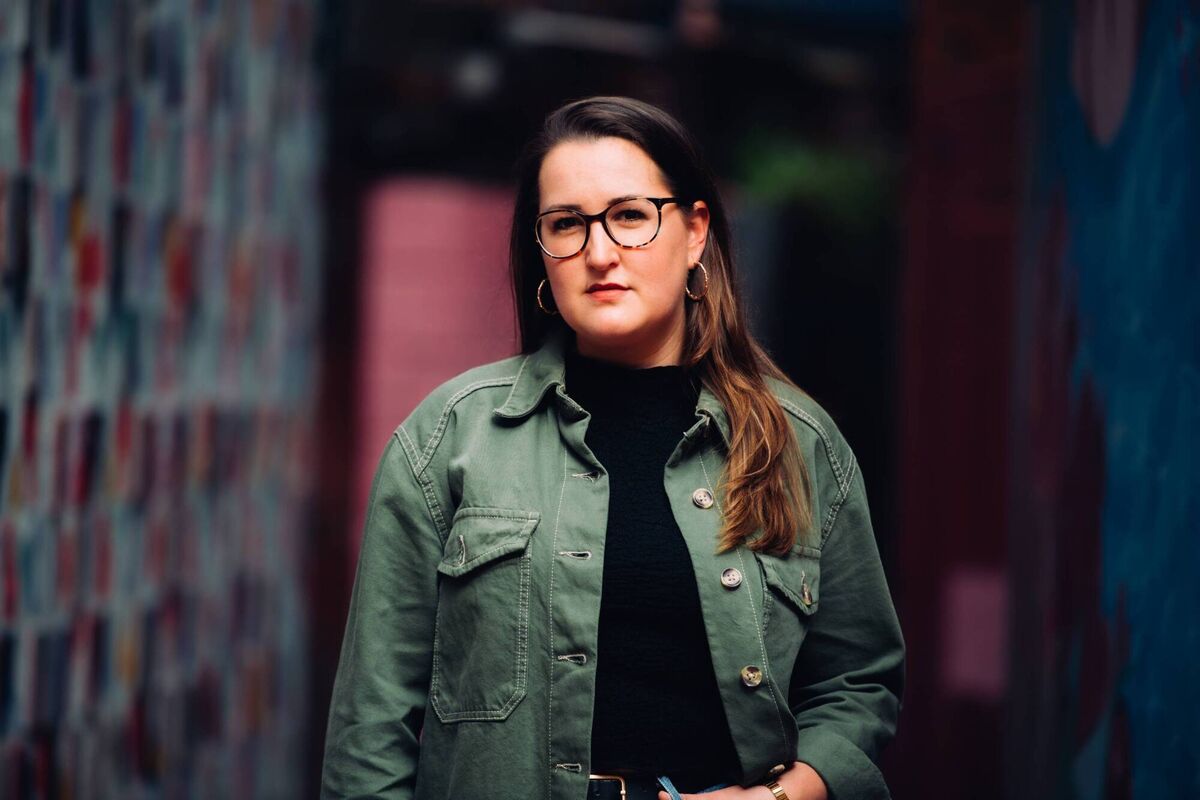
These are unchartered waters, and many filmmakers have expressed reservations about the potential pitfalls of AI and where the future lies. They include Irish writer-director Megan K Fox, whose many projects include Channel 5 drama later a Netflix hit.
She was also nominated for an IFTA for Best Drama Director for
earlier this year, and recently completed filming
for Channel 4. Filmed on location in Cork, it’s based on the best selling novel by Caroline O'Donoghue.
“In my opinion, AI should be put to use to alleviate the pressures of modern life when it comes to menial tasks and organisation, not those things that actually bring meaning to life,” says Fox of the creative process. “We should be trying to free our minds up to focus more on art, human connection and expression.
“Utilising AI for creative jobs that we see as more menial even in the arts sector — for example assistant and entry level jobs in post production, animation or advertising — is selling ourselves short in the long run,” she feels.
“These are the starting points from which so many great talents earn their chops and learn their craft. It would be a great pity and dilute the art form by allowing AI applications to creep their way further into our industry, from how projects are chosen (via algorithms dictating audience and budget etc) to writing, directing, and possibly most concerning, the art of acting.
"Maybe I'm old school, but it's not something I'll be welcoming into my practice any time soon for moral, environmental and artistic reasons.”
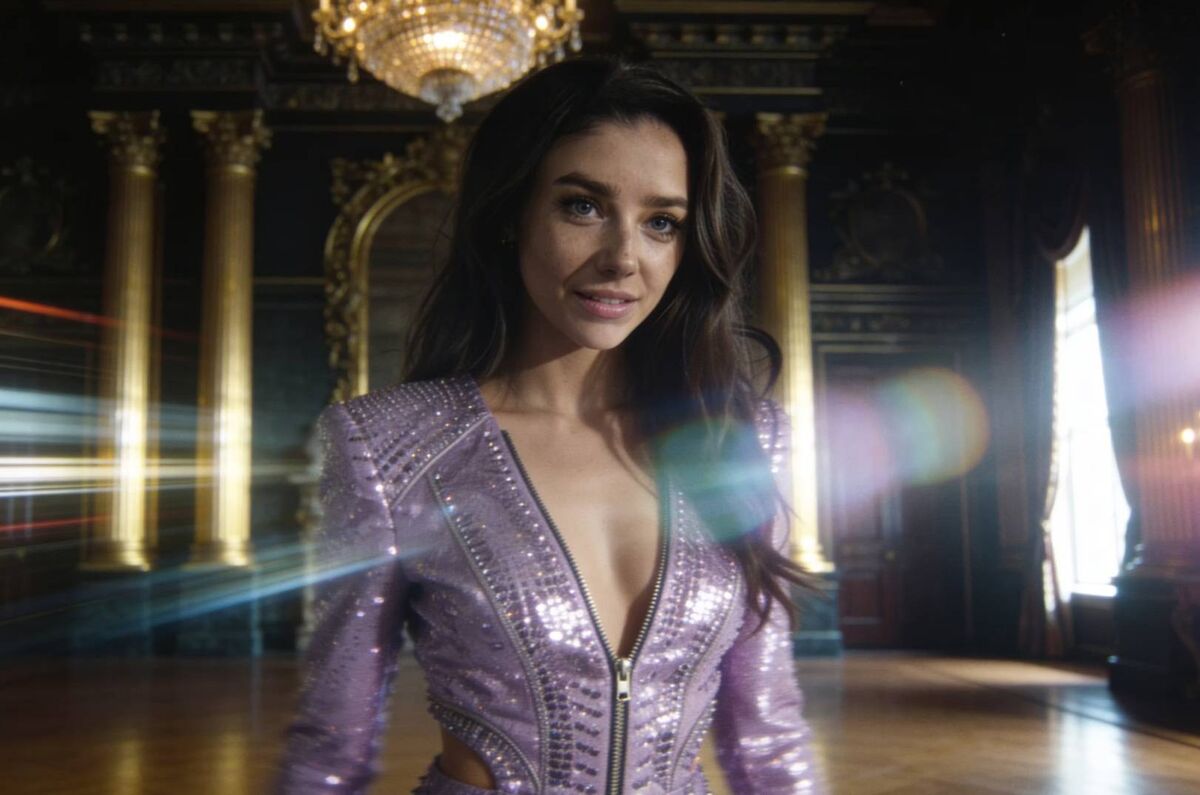
These are concerns being echoed by workers in every major film territory in the world, including Hollywood. The introduction of AI actor Tilly Norwood sent shockwaves and debate through the movie industry.
Puttnam feels that concerns about AI are twofold. “There's been an enormous amount of money, effort, and energy put into giving the impression it can do things it probably won't be able to do. I'm not sure it'll transform. I think it will change things, definitely. But transformations are a different order of things.
“The nature of media coverage is not being helpful,” he says, adding that it can have a polarising effect.
Puttman has spoken about the need for thoughtful and appropriate regulation in the area of AI. What would he like to see happen?
“The key is evidence. We are accumulating evidence, and just in the same way that the digital companies are requiring to be able to grab information in order to to finesse the accuracy that's flawed, in the same way us human beings gather information in order to finesse the accuracy of our response. I think that's as important as the big AI companies having access to major libraries and major sources of information — there's an interesting offset there.”