Culture That Made Me: Arthur Leahy of the Quay Co-op in Cork
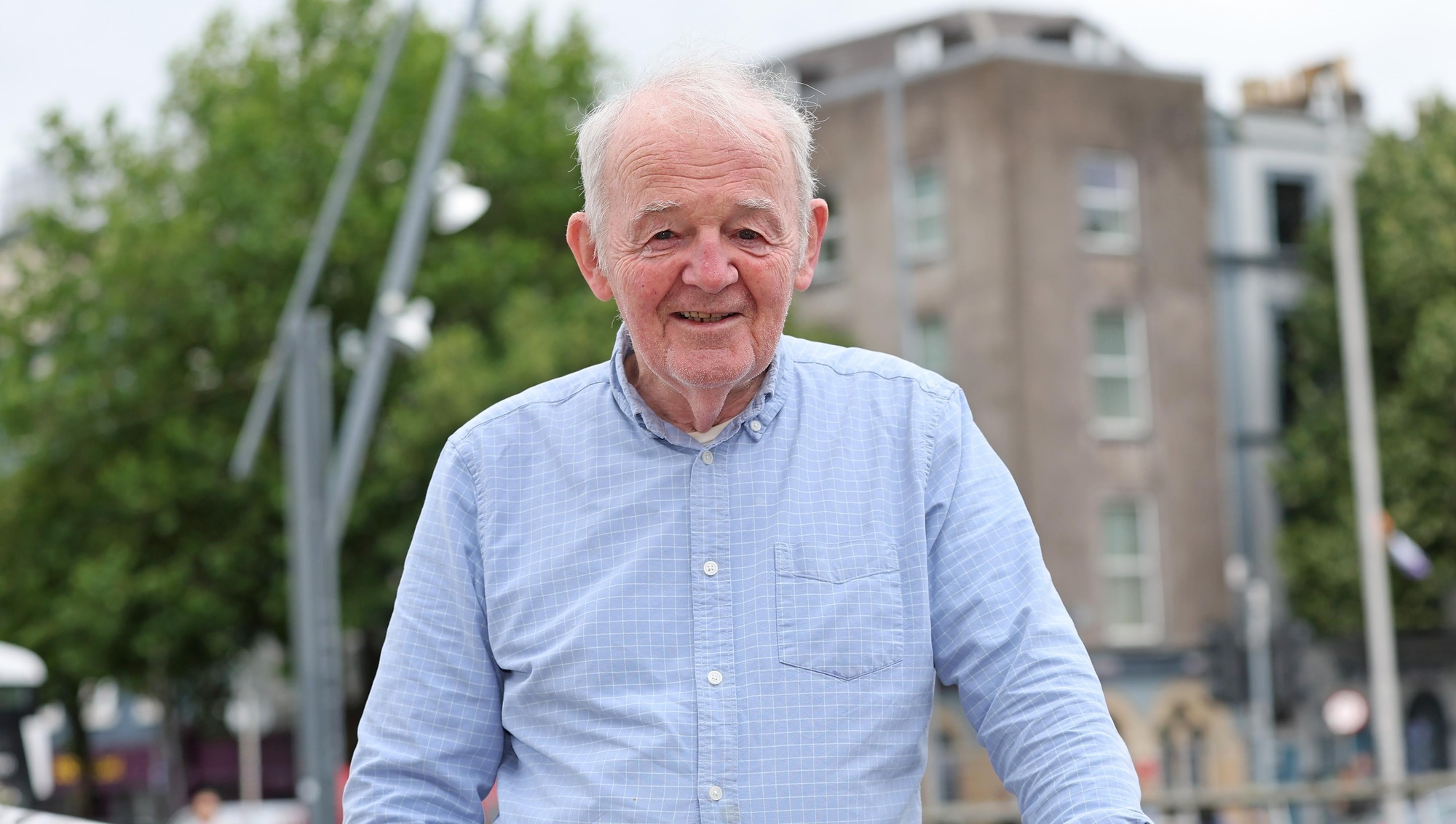
Arthur Leahy of the Quay Co-op in Cork. Picture: Jim Coughlan
Arthur Leahy, 80, grew up on Magazine Road, Cork. In adulthood, he moved to London for 25 years before returning to live in Cork. He has championed progressive causes for nearly half a century.
In 1981, he was involved in organising the first Irish National Gay Conference in Cork. A year later, he helped open the Quay Co-Op on Sullivan’s Quay, which has been a pillar of the city’s cultural and social activity.
He co-founded The Other Place LGBT Community Centre in Cork in 1991. He continues to run the Quay Co-Op’s charity bookshop.
Growing up, I remember reading . Those types of British novels were popular at the time. I got stuck on them, reading about six or seven of them. They were adventure stories, but you got the sense that they were aimed at middle-class English teenagers who had a high moral sense.
The other books I read, we called them “sixty-four pagers”. They were popular, hero-based stories set during the war. They were very predictable stories. The English always won out in the end. I was born in ’45, so the war was a huge thing for young people for 30 or 40 years after that. The sixty-four pagers had a currency in school times — they were passed from one to another. There was one lad who lived on the Glasheen Road who seemed to have more money than anybody else, so he got the first read, and then his mates got the second read. I was about fifth or sixth down the line.
The first novel that really affected me was Virginia Woolf's I was in my early 20s when I read that. I've read it numerous times over my lifetime. It’s the story of six characters. They have their relationships. It was the first novel I read that had the essence of life in it. Virginia Woolf was one of the writers that dragged me back into reading. I found her novels powerful in a way that’s almost hard to say why.
Growing up at that time, I was also interested in gay novelists. It started with Christopher Isherwood. He was a character that you would aspire to. He had a very strong personality. He was part of that confident gay set. Having read him recently, he wasn't as confident as I thought when I read him first! But he was a very positive image, a very positive person.
James Baldwin is another writer I admired. is a book I've gone back to a number of times. I liked the way he grasped some of the essential points in life and the way he wore his angst — he was very open about his lifestyle. He was a key influence.
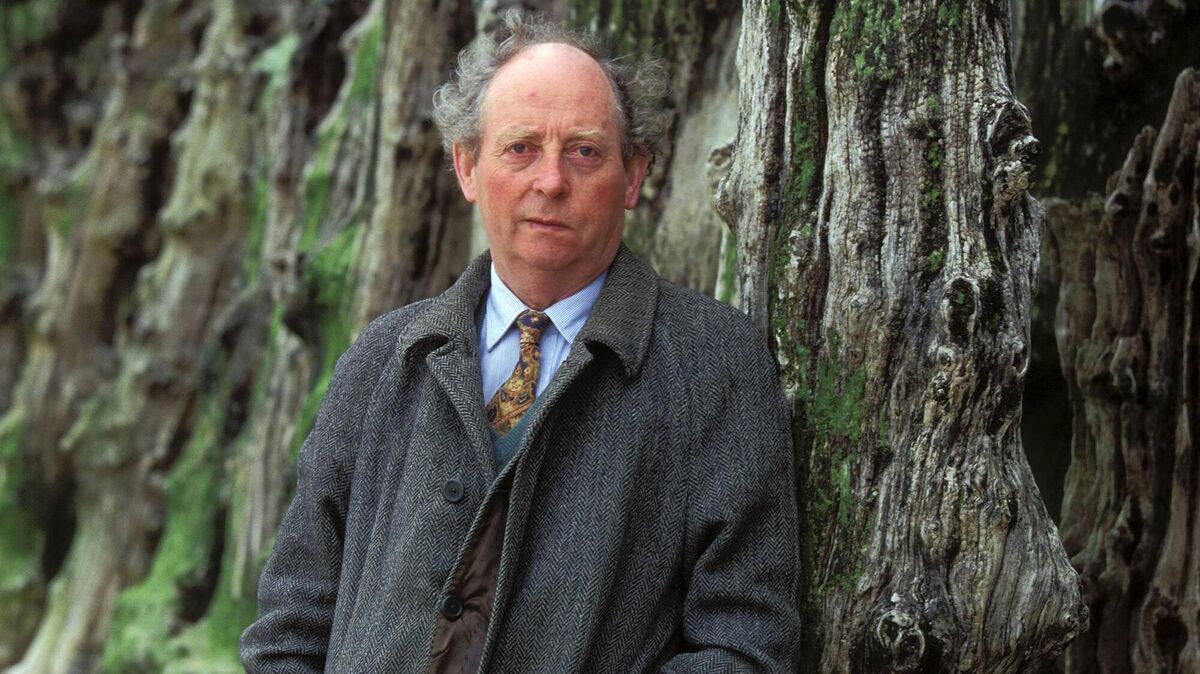
I love John McGahern’s books. There’s an intensity to his writing. His honesty — he's open. In his memoir particularly, he captures the difficult relationship with his father. His father was a hugely complex, unpredictable character. It was his mother that carried him through. McGahern excelled at describing the balancing of relationships that exists within families that, as a reader — and I can’t say it matched my own experience — you could certainly relate to.
The first play I remember in Cork was a one-man show in by Micheál Mac Liammóir. It was complex watching it because I was about 19. I knew he was gay, but he wasn't the kind of gay person I identified with. That was a factor in watching the play. His performance was so over the top. I don't think it would work nowadays. It was the mid ’60s. I was living in London at the time. I came back to Cork on a couple of weeks’ holidays. I'd been involved in the gay political world in London. I was a so-called liberated gay, but he represented something very different. He was an invented Irishman. There was that sense about him, that his whole character was an invention. Himself and [his partner] Hilton Edwards were quite the characters.
Another play that stands out for me was seeing Harold Pinter’s I saw it in London. It’s going back a few years now. The great Donald Pleasence was starring in it. It was powerful stuff. I found the way Pinter dealt with sexual politics in his plays pretty powerful.
I remember going to see Pink Floyd’s show at Knebworth in 1975. That was one of the big records of the period. On the way there, somebody gave me a scone; I ate half it. I sat by the generator for the whole concert. I have a slight nightmarish sense of it. The only thing I remember about it was that they had these planes flying overhead, as part of the production. It cured me from going to any of those big concerts, and it also cured me from any other dalliance into the scones. I didn't touch them again; I learnt my lesson. The only problem is I missed out on Pink Floyd.
A gig from the grumpy old Van Morrison stands out. It was in The Roundhouse in London. He was performing around 1968 or ’69. I went with friends. At the time, it was just another gig, but it turned out to be an impressive one.
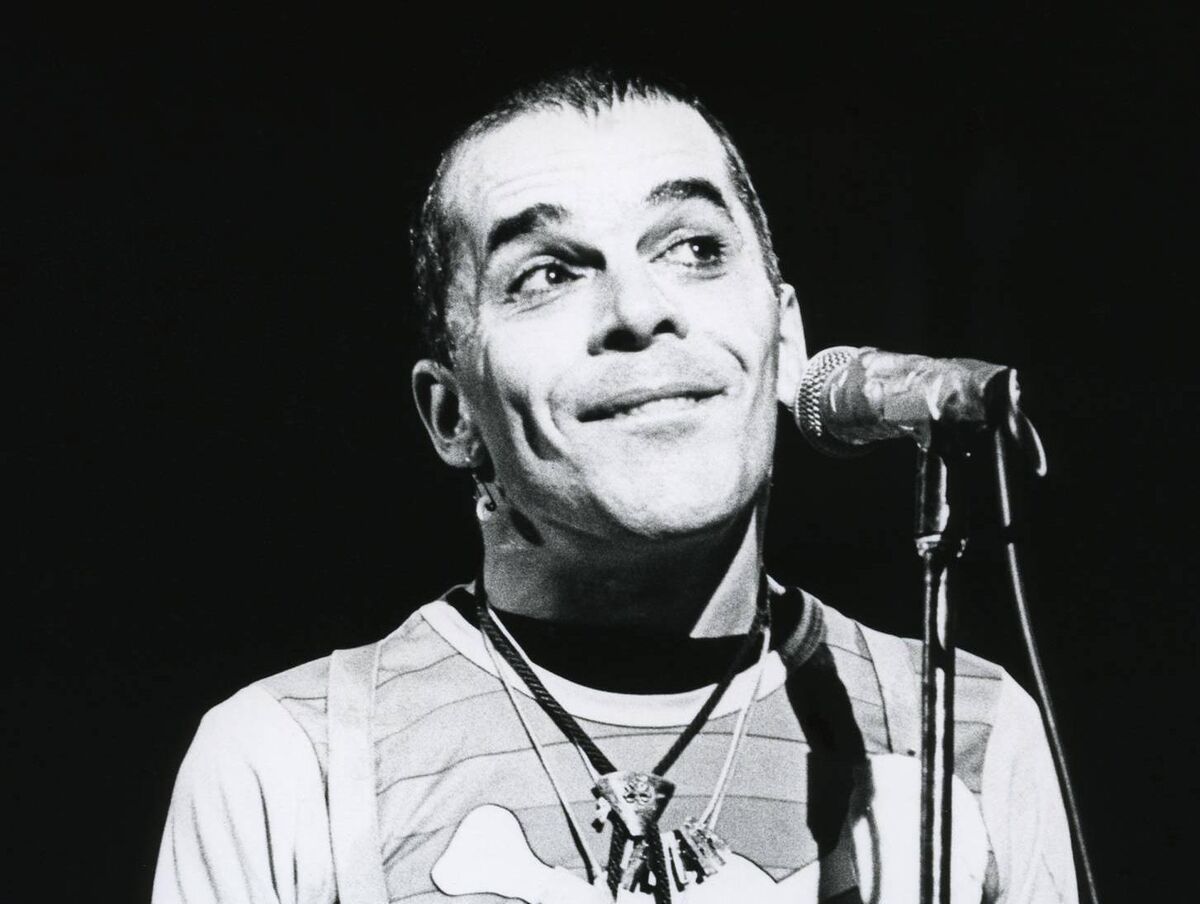
I remember seeing Ian Dury and Kilburn and the High Roads live. They performed in a pub in North London in Kentish Town. They were really good. This was in the early days of Ian Dury’s career, before his time with The Blockheads. He was a powerful character. He had a very strong presence. The other band members seemed to just hover around him. I was much more interested in the band’s trumpet player — because of his physique [rather than his trumpet playing] — than in Ian Dury.
My early experiences of live classical music were in London. I lived close to the South Bank. I used to walk down there in the early ’70s. Its theatres were a huge draw. I got into people like the German composer Karlheinz Stockhausen, who was totally above my head. I got notions. He was quite off the wall. He did this work called . It was a slightly religious composition, this chanting Middle Eastern thing. These things at a certain time in your life can have a huge impact.
Federico Fellini’s is a favourite movie. It’s about individualistic culture and a semi-crisis in the protagonist’s life. He's beginning to question, where am I going? What am I doing? Fellini’s impact on the use of music in cinema’s development was huge. It’s one of his most accessible films. His other films are denser. is his best film.
I love the Swedish filmmaker Ingmar Bergman’s film Every film by Bergman was about everything, yet there was a sense they were about nothing. His films were minimalist. I thought his films were great fun, but I can understand how people think his vision was very severe. The characters and the landscaping of his films are fascinating.