Culture That Made Me: Irish composer Donnacha Dennehy on Sliabh Luachra, Bowie and Beethoven
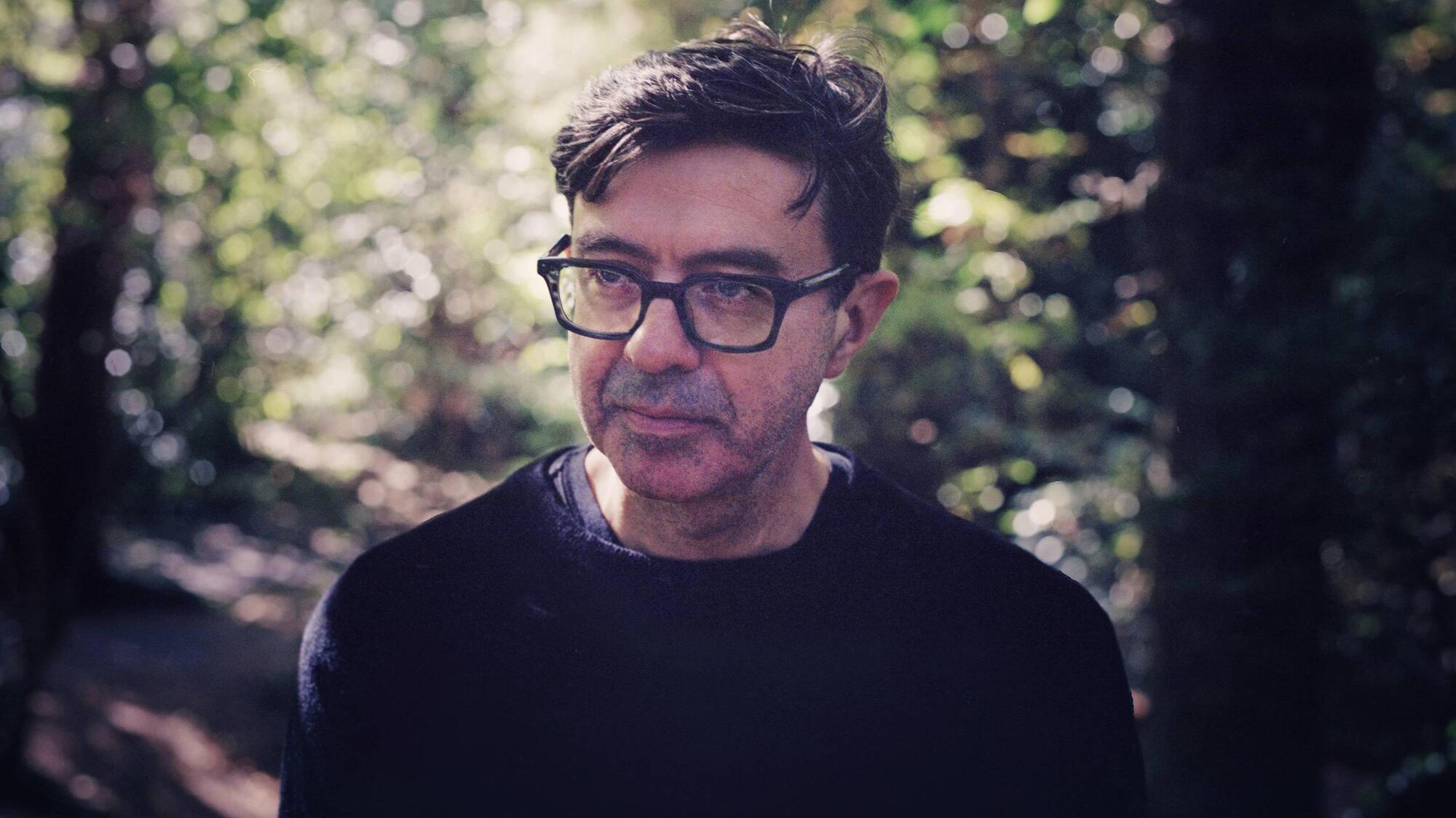
Donnacha Dennehy is at West Cork Chamber Music Festival this week. Picture: Hugh O'Conor
Donnacha Dennehy, 55, grew up largely in Templeogue, Dublin. In 1997, he co-founded Crash Ensemble, an Irish new music ensemble. In 2015, premiered, the first in a trilogy of operas he created with Enda Walsh. Earlier this year, he won a Grammy Award for his composition He is at West Cork Chamber Music Festival, which takes place in and around Bantry, until July 5. See: westcorkmusic.ie.
My parents came from Kerry, my father from deep in the Sliabh Luachra heartland. I remember learning some of those tunes on the tin whistle. When I started classical music, I fell in love with Charles Munch and the Boston Symphony Orchestra’s recording of Bach’s Brandenburg concertos — it was completely non-authentic — and Igor Markevitch’s recording of Stravinsky's They had this momentum to them; there's almost a drone momentum in Irish music too. Perhaps that’s what spoke to me between those different influences.

When I became a teenager, I became really interested in David Bowie, especially those albums of the Berlin period — Low, Heroes, Lodger. I fell in love with that stuff. It was at a different level to Let’s Dance and his recordings out at that time in the 1980s.
I remember reading a book about Bowie. He was talking about this composer in downtown New York, Steve Reich, so I bought his records. Steve Reich is a well-known American minimalist composer. He’s still alive. He wrote a great piece called , which is a slow-burning ecstasy. It's an amazing piece.
I worked in a record shop during summer holidays, Mac’s Records in George’s Street Arcade. I got by Philip Glass there. I adored it. I'm interested in the Bothy Band these days, particularly the album, which is amazing. There's a bit in Philip Glass where you have this bass moving really fast. It could be the Bothy Band. Some of Philip Glass’s music has this ecstasy, this thing that it's locked into, then it shifts. It's not dissimilar to the way something can happen at this switch of a tune in a session. I really responded to that in Glass.
One of my weaknesses is that I like murder mysteries. To relax, I’ve read every single Sherlock Holmes story by Arthur Conan Doyle. Twice over, I think. I love the figuring out the mysteries and all his little bon mots, like “the countryside was more terrifying than the city”, all that kind of stuff.
I loved Echo & the Bunnymen. was an amazing piece of work. Also, which was on an earlier album, There was an influence in their later stuff from Indian music, which seemed interesting, them being a north of England band. There was an energy and a non-standard harmony in what they did that attracted me. They often droned on these long harmonies and slightly shifted them. This was something different from the standard bubble-gum pop.
I remember seeing U2 in Croke Park in 1987. That was a phenomenal gig in terms of energy — the best experience of that kind of a show I ever had. Bono commanded the whole stadium like a shaman. I have a memory of him striding down this platform. He seemed to be omnipotent. This level of comfort he had as a performer. He must adore performing. I have a great friend, Kate Ellis. She now runs Crash Ensemble. She toured the world with Bono on his Surrender tour. I went to see it in New York. Bono still has it. Even with his little solo show, he can whip up a crowd.
A performance at the West Cork Chamber Festival in Bantry that knocked me out of my seat was the Ardeo Quartet, a young string quartet from France. Last year, they did this amazing performance of Beethoven, one of the middle quartets. It was one of these amazing things where it felt like it could have been written yesterday. It felt fresh and exciting. I was on the edge of my seat. It left me speechless.
As a student in Trinity, I became obsessed with Beckett. There’s something about the energy in his works, the way structure can play with feelings, and maybe not always understanding what's happening. Some of his plays are like pieces of music; Play in particular — where you have this repetition and it gets faster. Beckett met with Stravinsky. He wanted to see if he could notate his plays. Stravinsky said: “No actor would be able to do this.”
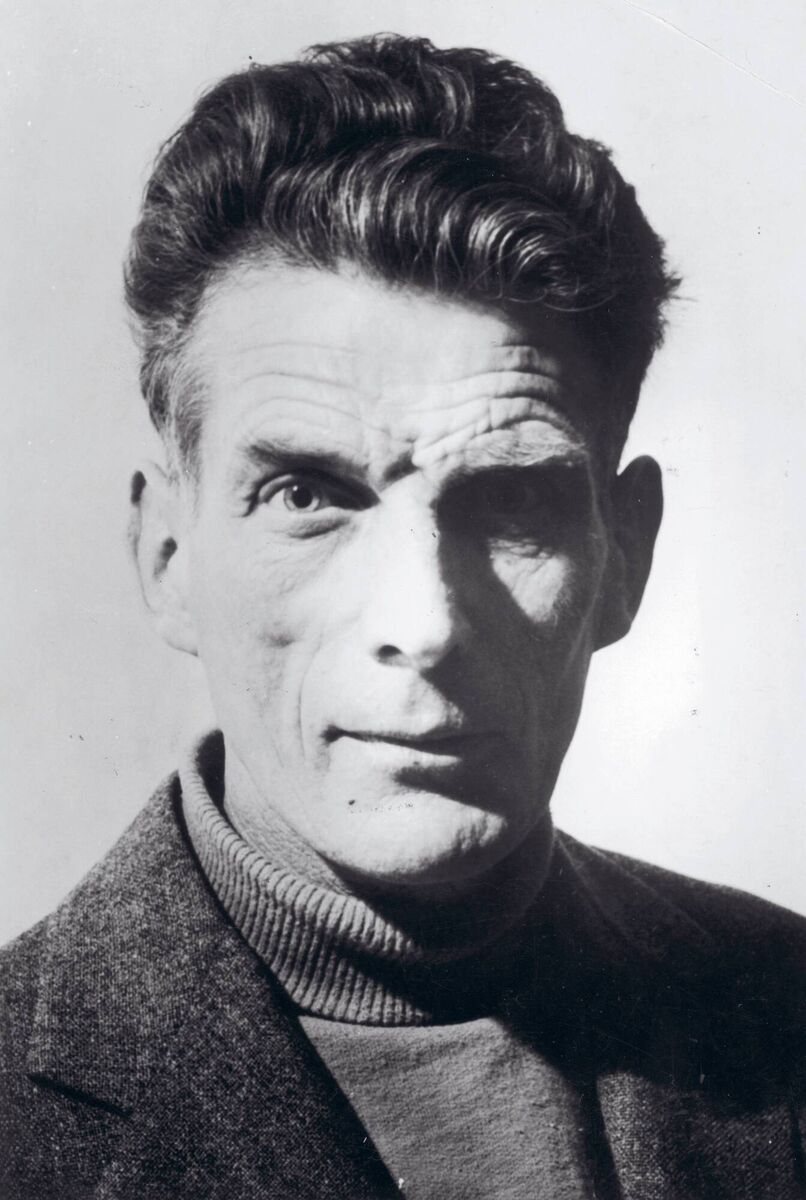
Stravinsky was right. It would be too constraining. Even in his pauses, if he has three dots or two dots, he's thinking of that as a musical thing. That appealed to me. As I've gotten older, some of the subject matter, the caustic examination of life and death, with the emphasis on death, hasn't appealed to me as much as when I was younger! I want to have more optimism now because we live in these almost dystopian times.
Enda Walsh is a great writer. His plays and are phenomenal. There is a kinship with Beckett. Enda is influenced by Beckett, but Enda lets life in more, which I like. There is an OCD quality to his stuff that I can feel sometimes as it gets under my skin. What I like about Enda is there's a logic to what he does; then at a certain point, it all spins on its head. You know he's thinking about it, but maybe only thinking at a gut level underneath. He's excellent at that. When that works in an Enda play, it really makes you think of things.
by Percival Everett — where he sees Huckleberry Finn through the enslaved character's viewpoint — is a fantastic book. I’m chair of a series of public lectures in Princeton — where I teach — and we had Percival Everett here. He was such a brilliant speaker. I'm now reading his book which was adapted into that great film,
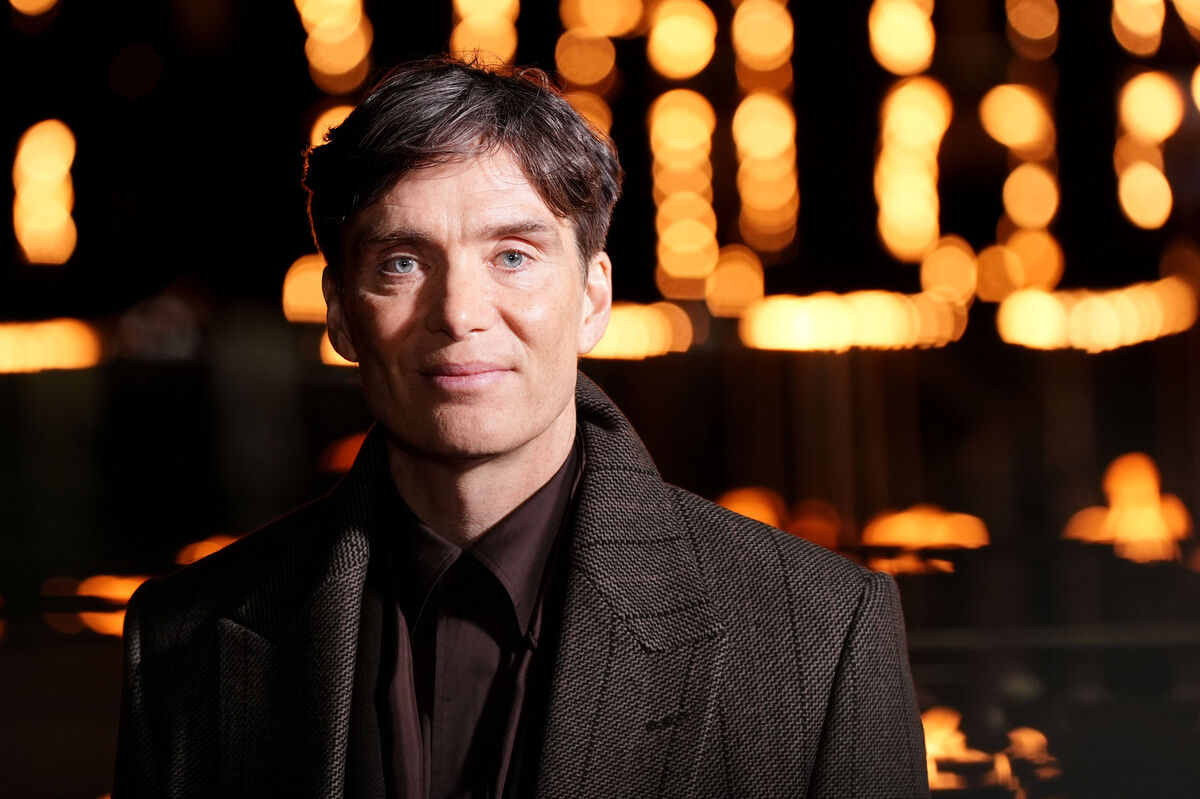
The first thing I ever worked on with Enda Walsh was a new version of Misterman, where I wrote the music. It starred Cillian Murphy. That was one of my most phenomenal experiences ever in the theatre. He did it as a one-man show. He did everything — he was every character in the village. He was funny, touching, terrifying. It was one of the most virtuoso performances I've ever seen on stage.
by Wim Wenders is a beautiful film about Berlin before the fall of the wall. There's an amazing scene in that film, which has always stayed with me, where they go into a library. There's this soundtrack of all the thoughts of all the people in the library that the character in the movie can hear. It's this beautiful texture of this murmuring. I love that scene so much, I've sought out that library, to find it in Berlin, as magical as it seems. It’s a great film.