Man On The Run: Paul McCartney documentary delves into the post-Beatles era
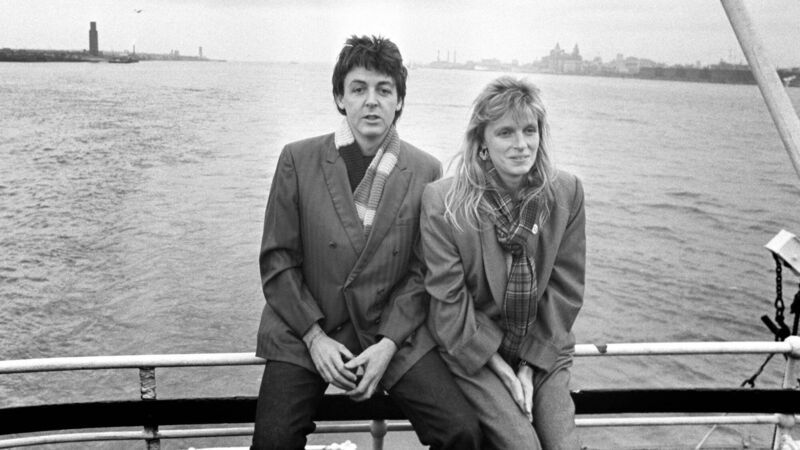
Paul and Linda McCartney take a ferry across the Mersey when Wings were in Liverpool to play a gig.
After the official break-up of The Beatles in 1970, Paul McCartney was at a loose end, unsure how to follow one of Britain’s biggest bands and reluctant to be the boss of his own solo career or of a new band.
The then 27-year-old moved to a farm in Scotland shortly after the split, where he recorded his debut solo album, and (1971), a collaborative album with his late wife, Linda McCartney, which was critically panned at the time but in recent years has been seen as highly influential and pioneering for its indie pop sound.
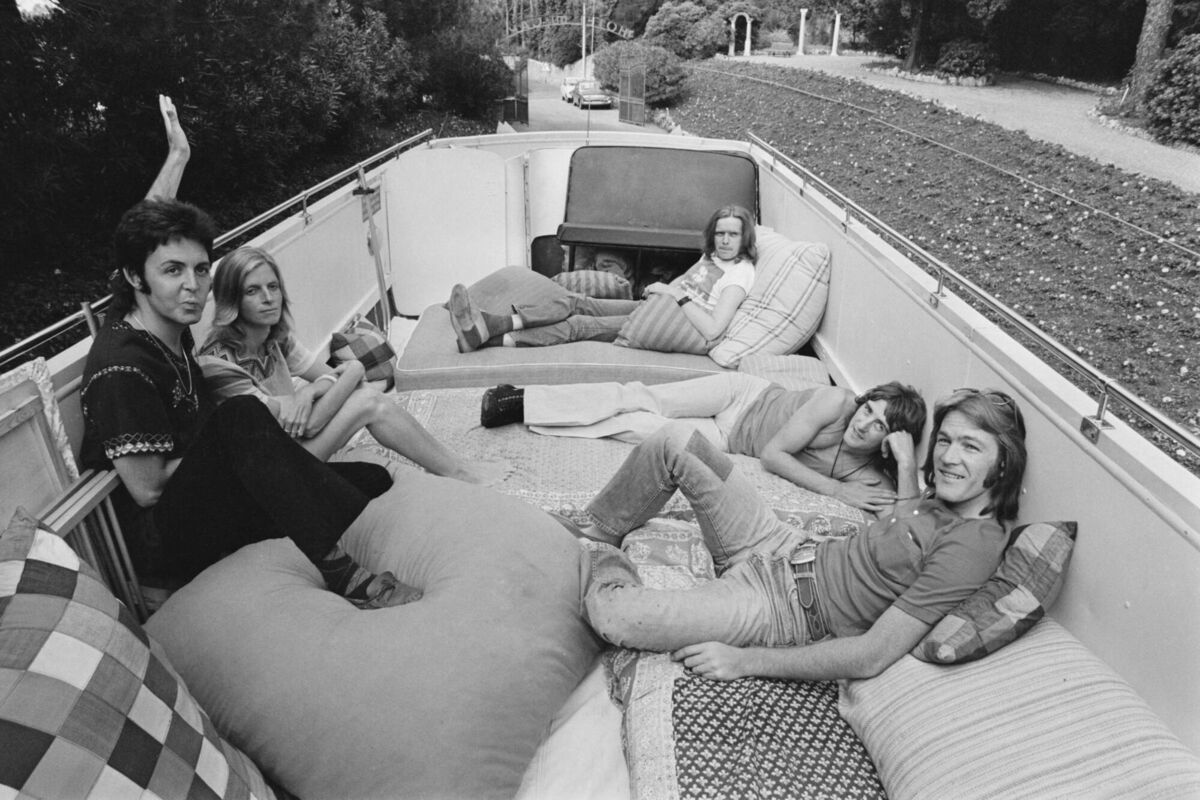
In 1971, McCartney formed Wings, which featured Linda, along with Moody Blues guitarist, Denny Laine, and would go on to release albums such as (1971), (1973) and (1973), receiving mixed reviews for their work.
But now all that has started to change, more than 50 years after the singer launched the band responsible for hits such as the James Bond theme and with a re-evaluation seeing the work of his middle period now ranked among his best.
Even McCartney himself, now 83, has noticed the change in attitude, recently remarking that people now tell him their favourite album is a Wings one rather than a Beatles record, and that he is asked about his second band as much as his first in interviews.
Director Morgan Neville has documented the isolation felt by McCartney following the demise of The Beatles, and his creative response to that, in a new Prime Video documentary film.
“He was full of doubt,” Neville says of McCartney following the end of the Fab Four.
“I mean, he still remembers the names of all the rock critics that wrote bad things about him, and going back and rereading what people wrote, people were very harsh, and part of it is that the music he was writing wasn’t of its time.
“He was putting out stuff, and some of it is weird and stuff that he maybe doesn’t love, but then people were also being harsh on things like Ram or McCartney one and two, like lots of bad reviews of those records, and now people love those records.
“So, understanding that was part of it, but I do think that he, even kind of historically since then, I think he has always kind of felt that maybe Wings weren’t that good just because he remembers all the criticism they got.
“But I grew up as a Wings fan, I love The Beatles, but I’m of the age that they were putting out records that I could buy when I first started buying records.
“So, I think he has, over the years, started to kind of re-evaluate Wings, he’s added more Wings songs to his live set and everything, and I think that’s what opened the door on making this film.”
Neville explains that he wanted to make the film almost as a follow-up to Disney+ docuseries adding that he felt the period of McCartney’s career after the events of Get Back had not been well covered.
He explains: “I’ve always loved this period of Paul’s musical life but, also, I think after Get Back, I kind of felt like I never really saw it explained in a way that made sense.
“In a way, I think this film is like a sequel to because you see The Beatles at the end, and you see Paul pushing them, and songs are pouring out of him, and it’s almost like, what happens the day after that disappears. What do you do?
“And that felt just like I wanted to understand that more of how do you follow The Beatles, and what I realised is Paul was asking these existential questions of himself, of like, who am I as a person? An artist, a husband, a father?”
Since the film’s release, McCartney himself has remarked on how “wonderful” it is to see “so much of” his late wife Linda, whose voice is one of those narrating the film through an unused interview conducted by a friend of hers for a book about the wives of rock stars.
“I really wanted Linda to be dimensional, to really understand her, because most times we think of her as kind of a cardboard character, and part of it is she never really talked much herself,” Neville says.
“She didn’t really care what people said about her, and so she didn’t play that game and, so, I think, people just kind of treated her as somebody that helped pull Paul away from The Beatles or married their favourite Beatle or whatever.
“She took a lot of stick, but I looked for every bit of interview I could get with her and, in fact, there was an interview that a friend of hers did. They were working on a book about rock wives, and they did a long interview with her, and then they never finished the book, but they had this, and they had done this interview that was very real.
“And that was huge to feel like, oh, Linda’s actually being very honest about things here.”
Neville praises McCartney’s trusting approach to working, saying he “really let me direct” and adding that he was happy to let him take control of the documentary.
The 58-year-old says: “He’s somebody who’s very instinctual, he just kind of gets an idea and he just does it, I mean, this film is full of those ideas.
“But, I think, even making this film was like that, when I talked to him, we just talked for a few minutes, and he’s like, ‘just go do it, do whatever you want’, and gave me complete carte blanche to go make the film… Paul is a somebody who likes to say yes in a world of people that like to say no.
“But I started to understand that these weird ideas he has, these kind of larks he goes on, that it could be or it could be the or the or whatever, but it also could be the or or whatever, like good ideas and bad ideas.
“It’s not up for him to judge what’s good or bad, it’s just up to him to have the ideas.”
At the end of the conversation, Neville hints there may be room for a third film, detailing the latter period of McCartney’s career up to the present day, but adding that he does not know if the star “wants to tell that” yet.
- Man On The Run is available to stream on Prime Video