Jane Campion: Cork cinema season pays tribute to trailblazing female director
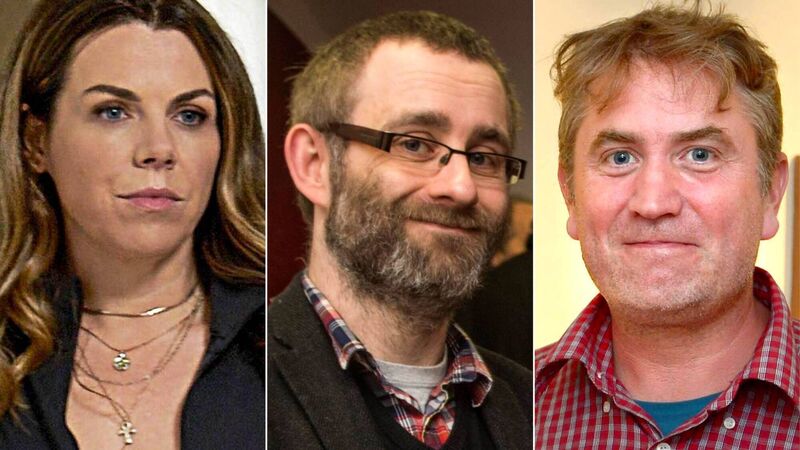
(Left to right) Founding member of Screen Cork, Sinead O'Riordan; Triskel’s head of cinema, Chris O'Neill and senior lecturer at UCC’s School of Film, Music and Theatre, Barry Monahan.
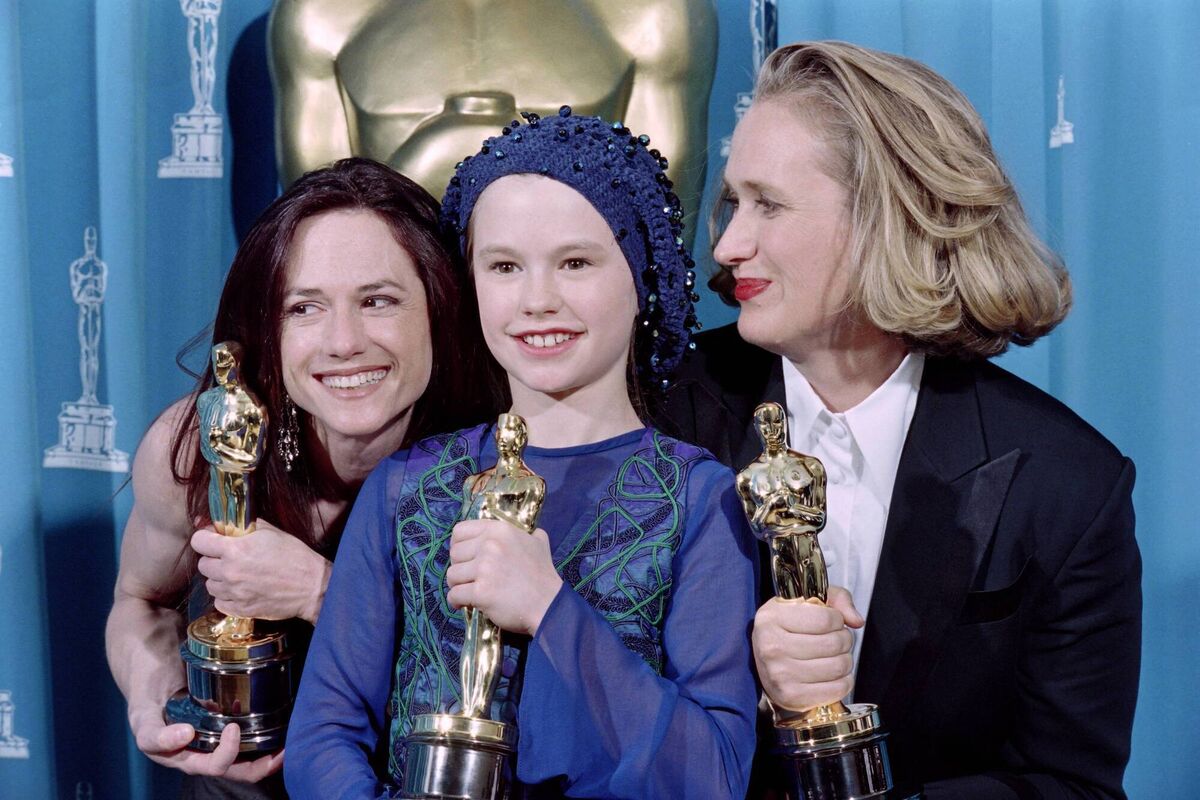
She’s the New Zealand filmmaker whose films speak to the human experience and who is regarded as a trailblazer for women’s voices in cinema. Jane Campion was the first woman to win the Palme D’Or at Cannes Film Festival for her critical and commercial hit, The Piano, and the first to be nominated for Best Director at the Oscars twice, eventually winning for The Power of the Dog.
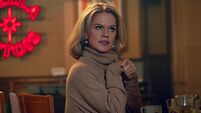
Now three of Campion’s most-acclaimed films are to return to the big screen in Cork as part of a special programme at Triskel. (March 15) stars Nicole Kidman in a tale of independence and desire. (March 16) stars Holly Hunter as a mute woman in 1850s New Zealand, sent for an arranged marriage to a wealthy landowner, only to find herself desired by a local worker. Kate Winslet heads the cast in (March 18), the tale of a woman who alarms her family when she goes to find herself in India.
For Triskel, this felt like a timely opportunity to bring Campion’s films to the screen as part of a monthly season introduced in recent years, usually themed around a director’s work.
“In a world where we've only had three Oscar winning female directors, and they've all been in pretty recent years, it feels like she smashed that ceiling open a little,” says Triskel’s head of cinema Chris O’Neill.
Before Campion got her nomination in 1994 for it had been 17 years since a previous female director had been nominated for an Oscar, which was Lena Wertmuller ( ). “It took almost 20 years for that nomination, and then it took more than 15 years for Katherine Bigelow to eventually win an Oscar (for ). It's just mind boggling that it took that long.”
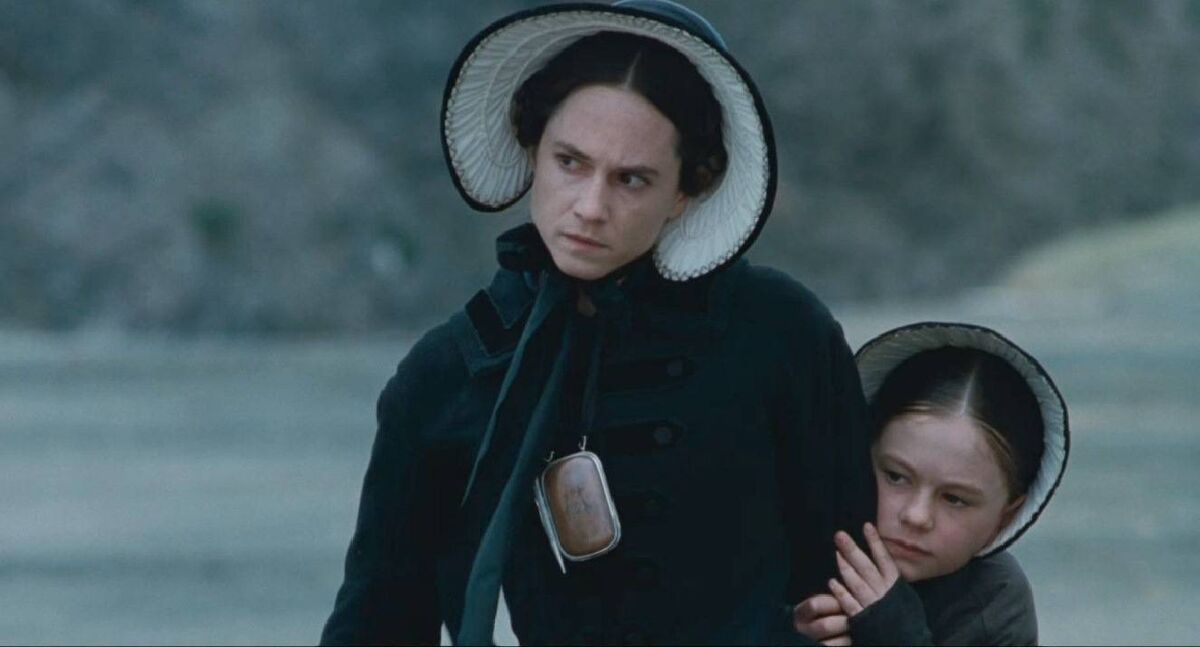
was a huge commercial and critical hit which also saw Campion become the first woman to win the prestigious Palme D’or at Cannes Film Festival. “It was a crossover movie,” says O’Neill. “It was an art house movie, but it was also an art house movie that reached a mainstream audience, and it was hugely successful financially, and one of those cultural zeitgeist films.”
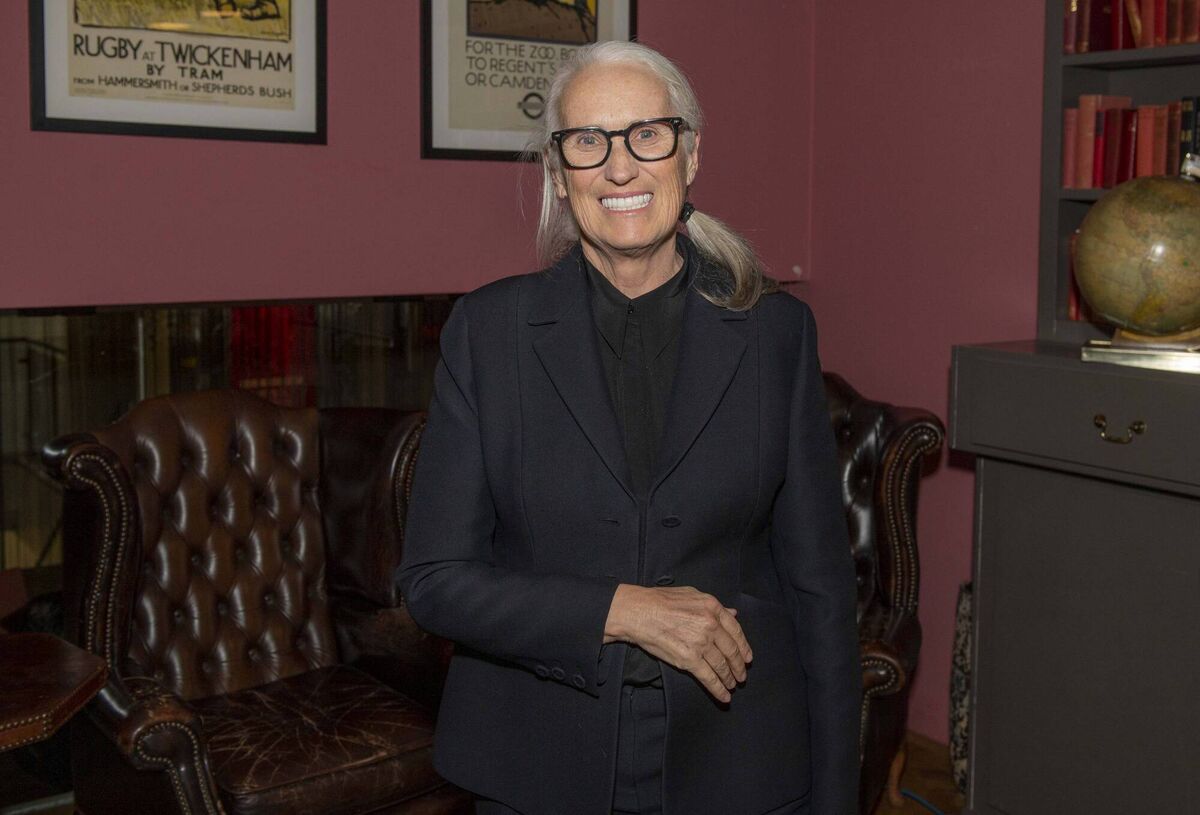
Born in Wellington, New Zealand, Campion is regarded as one of the most prominent and singular voices in cinema. Making her feature debut with Sweetie, she went on to make a remarkable run of films that included and
is among the many projects that make up her TV-series work, while in 2022 she become one of just three women (along with Kathryn Bigelow for and Chloé Zhao for ) to win Best Director at the Oscars. That win was for a Western psychological drama starring Benedict Cumberbatch, Kirsten Dunst and Jesse Plemons.
Campion’s first female Palme D’or win and much earlier directorial Oscar nomination did feel like they made a difference at a time when female directors were highly underrepresented in mainstream cinema. She also helped shine a light on the growing film industry in her native New Zealand.
“She has been outspoken about gender inequality in film, long before it became a conversation that we have nowadays” says Sinead O’Riordan, actor, producer, and founding member of Screen Cork. “She was consistently advocating for women directors and systemic change. That has to be admired.”
O’Riordan also finds that Campion’s work resonates on a human level. “The way she explores repression, not just in women, but in men as well. And where that comes from, and what causes that, and what drives that.
“There are common elements, strands throughout her films. There's that emotional psychology of what's not said, there's the subtext. I believe she's interested more in what causes that, and what sits beneath that behaviour.
“What she has done as well, is her work is a source of debate. And in a way, isn't that what film is all about, or should be about? Art is subjective and you should be able to have healthy debate.”
Visually, Campion’s film are also widely admired and help place audiences in the often-intense worlds she creates. Barry Monahan, senior lecturer at UCC’s School of Film, Music and Theatre, has long been a fan of Campion’s work. “There’s something very, very special about the way she looks through a camera,” he says.
Monahan agrees that Campion has the skill to make arthouse movies that find both wide audiences and mainstream success, most recently with That film had a cinema release and an awards-season run, culminating at the Oscars, and was backed by streaming giant Netflix.
“One of the things that she's managed to do is she's got very good box office takings, incredible critical claim and her awards: say no more. At the same time, she has brought to that forum and that level of critical attention and respect, a cinema that is very, very deep. That's certainly not automatic. You either have to sacrifice, or you have to go after quality and lose audiences, or vice versa. She's someone who's managed to kind of capture both, and I think absolutely brilliantly.”
Monahan also admires how Campion navigates the authenticity of the female characters she brings to the screen along with her own unique storytelling skills.
“It's not simply that she represents female protagonists in any of the tick-box ways. Are they strong? Do they survive? Have they agency? None of those things, not just any of those things. She has found a way of creating cinema for me, that just puts you in a different place.
“So we really experience Holly Hunter's point of view in or we experience Sweeties growing up in that film, or in we experience what it's like to be that disturbed mind. So it is point of view to a certain extent, but it's also the way that stories are told and heard, and I think that's why makes most sense in all of this, because she's so on the outside.
"Campion, she just moves it on a million years to a place where it's not just about those binaries. It's now: come into my world with the problems I have, come into my world with the struggles and the hurdles that I have to overcome.”
- Jane Campion Season at the Triskel in Cork runs March 15-18.