Kilfenora Céilí Band: Beat goes on for John Lynch and a 100-year-old family tradition
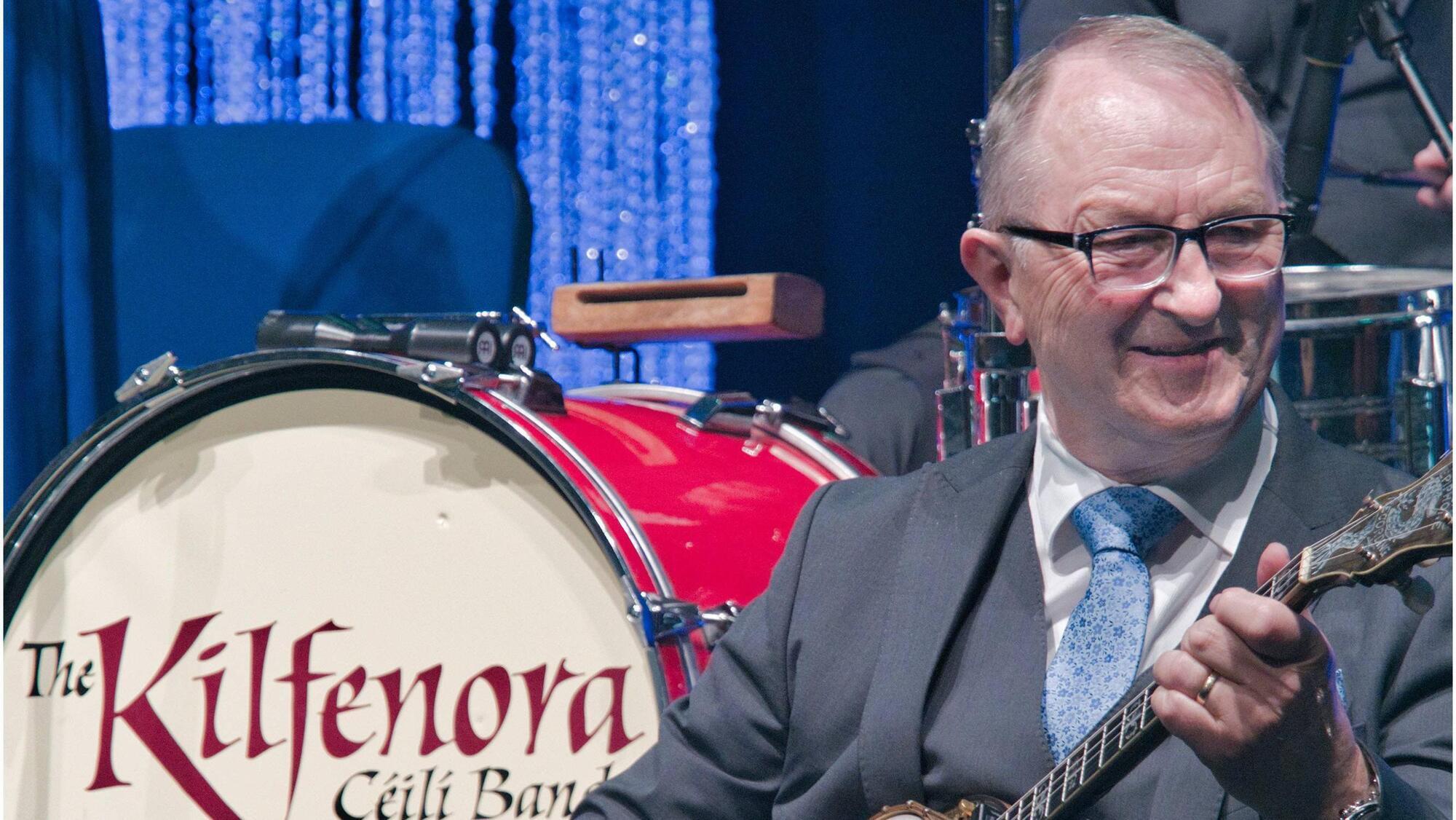
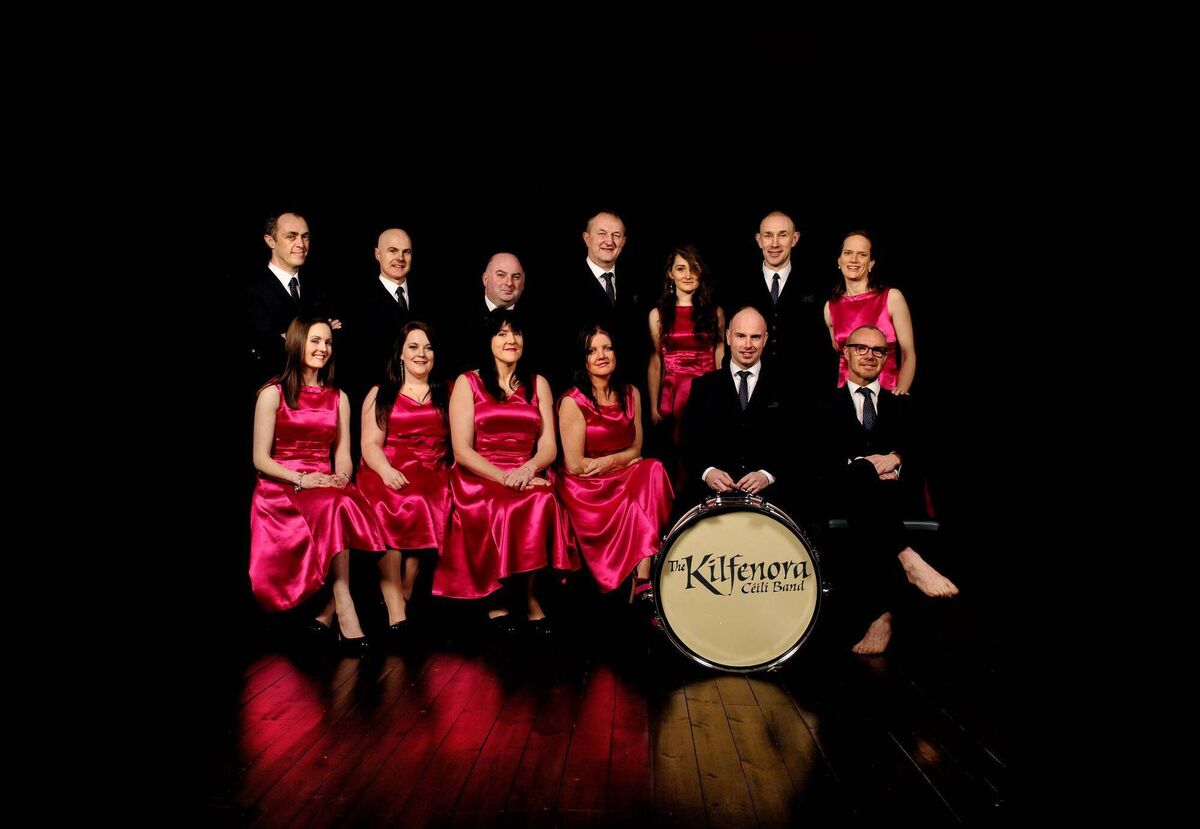
John Lynch is part of the Kilfenora Céilí Band, the oldest band of its type in Ireland.
John Lynch has traditional music in his veins. His grandfather, John Joe Lynch, was a founding member of the Kilfenora Céilí Band over a century ago. His father, PJ, was a mainstay of the band during a golden era in its fortunes, when it famously won three All-Ireland Fleadh Cheoil titles in a row in the mid 1950s.
“You had the glory days of the céilís from the early 1950s right through to the mid ’60s,” says Lynch. “Then the showbands and rock'n'roll came in. There was no demand for céilí bands. I remember in the early ’70s, Christmas night in Kilfenora was a big céilí. There was a double band on in the céilí hall. It was packed because there was nowhere else to go so all the youth in the county were hitting for Kilfenora. It was jammed, but that was the only night for céilís because the showbands had taken over."
Lynch recalls his teenage years, around 1970, when his peers would scoff at his involvement in traditional music.
“It was really frowned upon then. It very nearly died at that time. Nobody encouraged anybody to play some music," he recalls.
“The generation that went before us kept playing traditional music in the kitchens and handing it from generation to generation; also, in fairness some pubs did support traditional music. My oldest memory of traditional music is my father playing at home, of course, but also playing in Jimmy Morgan's pub in Corofin on Sunday nights in the mid ’60s with Michael Butler and Tom Hegarty.”
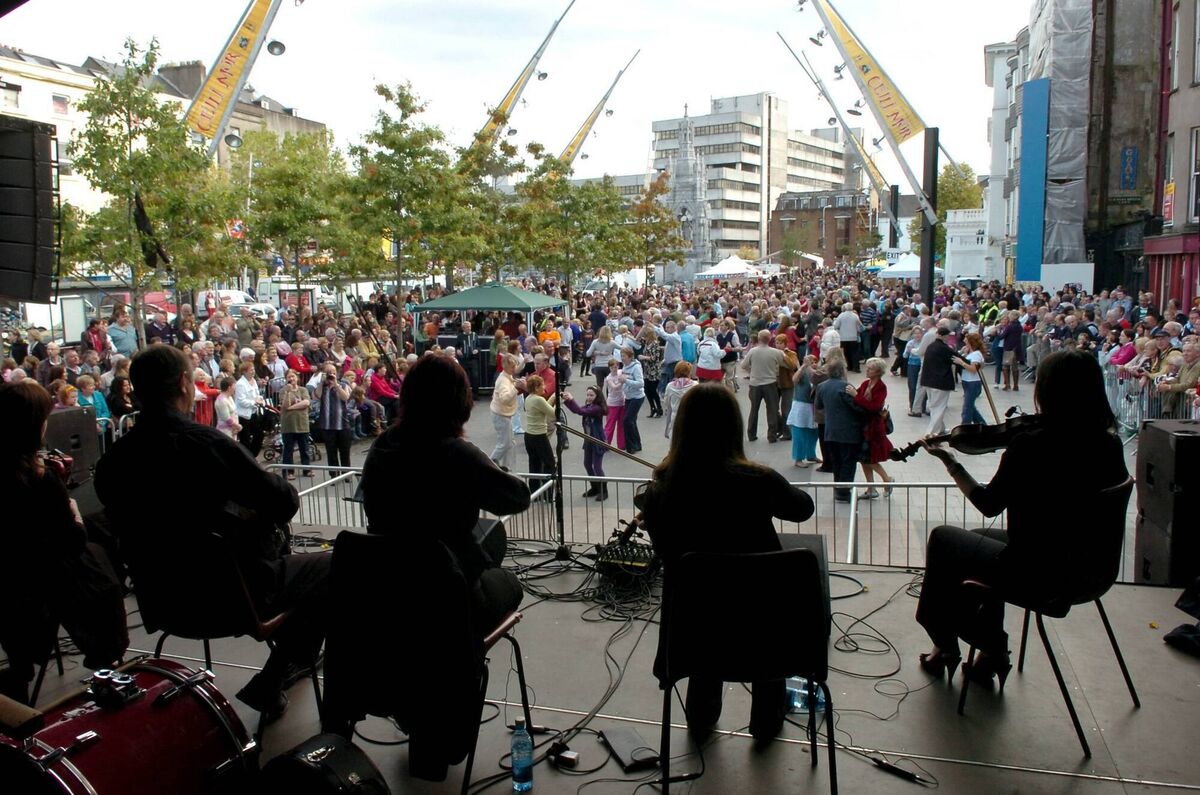
The family trade nearly bypassed Lynch. He tinkered a bit with the fiddle as a teenager, but his father hadn’t the patience to teach him, he didn't have the teaching gene in him. Lynch had, however, a knack for teaching — he became a schoolteacher.
Work pulled him to Co Kildare. He married at 23. He had four kids. Life was busy. He loved Gaelic football, but he couldn’t resist the draw of traditional music, so he took up the banjo.
“Then I got this mad brainwave,” says Lynch. “Why not put in a band and see how our generation would do in competition in relation to my father's band and see would we represent Kilfenora in Clare again?
"That’s exactly what happened. It took a life of its own from then on. I was on a ship that took sail. I hadn't a clue where it was going. It took its own natural progression. I see myself and the present members as cogs in a wheel who are trying to keep a tradition going, honouring the tradition that we come from.”
In 1991, Lynch ran the idea by Kitty Lennane, bandleader of the Kilfenora Céilí Band going back about 40 years. He got her blessing, briefly using an alternate name for his outfit. When she died in 1993, Lynch took over her role as Kilfenora Céilí Band leader and quickly emulated the band’s 1950s' run by winning three All-Irelands in a row. Since then, the band has gone from strength to strength.
In 2002, the band’s album, won 'Traditional Album of the Year' award. They performed along with other award winners at a show put on at Dublin’s National Concert Hall (NCH). Garry Shannon, one of the band members, and a brother of Sharon Shannon, knew Catherine Kirby, the NCH’s promotions manager. Lynch asked Shannon to make an introduction.
“I said, ‘Sometime, you might need a support act; you might consider us.’ She said she would keep it in mind.”
Lynch thought nothing more of it. Several years later, with the band’s centenary looming on the horizon, Kirby phoned him. She wanted to take him up on his offer and went a step further, soliciting him to play a full concert. Lynch didn’t baulk on the phone.
“Oh, lovely, Catherine,” he said. “Thank you. Such an honour to play in the National Concert Hall. We'd love to.
“I hung up the phone and said to myself, oh my God, where are we now? What are we going to do? So, I rang Garry Shannon and I said, ‘Garry, you'll be delighted to know we've got a full concert for the National Concert Hall.’ It put the heart crossways in us. Here we were, a céilí band going around the country playing céilís and suddenly we had an option to play in the country’s main classical theatre.
“But to be honest, I got a pleasant feeling about it, too. An awful lot of céilí bands were looked down upon, and here we were being asked to play the National Concert Hall in Dublin. I figured it was an honour. We were representing céilí bands, Kilfenora and Clare as well.”
The band killed it and have played almost every year at the NCH since, adding singers and step dancers to the mix. It makes for a heady cocktail on the night.
“For the show, you can expect power and lift, with unmistakable Clare swing,” says Lynch. “It appeals to a much wider audience than just a traditional audience, because it has those changes of mood in the show. It goes from reels, jigs, polkas, to pieces written by Tim Collins and Sharon Howley, to slow pieces like Little Bird, to waltzes.
“There’s the whole spectrum of music. You have the backline, as we call it — the bass, cello, drums, piano. A lot of traditional music is in the higher end, but you get the lower end as well with the backrow instruments, which is great. It’s more of a show than a concert.”
- The Kilfenora Céilí Band are on a countrywide tour, including the Cork Opera House (March 7) and Dublin’s National Concert Hall (March 16). See: kilfenoraceiliband.com
The Kilfenora Céilí Band – Ireland’s oldest céilí band – was founded in 1909. The parish of Kilfenora in Co Clare was in debt. It needed funds to renovate its church. A new parish priest, Canon Cassidy, got the brainwave to organize fundraising dances in the local schoolhouse (on the site where the Burren Centre currently resides) at weekends.
“In 1909, there was no such thing as the word ‘céilí’,” says John Lynch, the Kilfenora Céilí Band’s current bandleader.
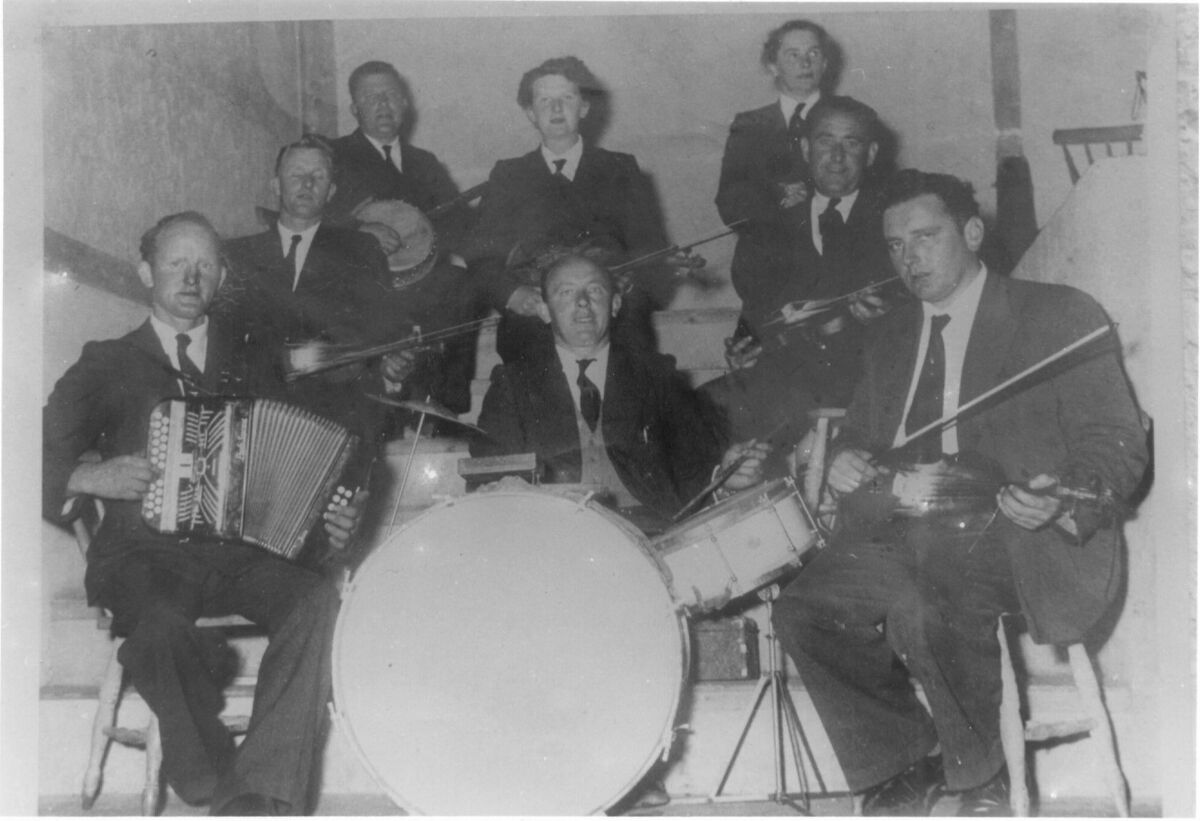
Members from the 18-strong Kilfenora Brass & Reed Band supplied the musicians for what became the Kilfenora Céilí Band, musicians – such as Lynch’s grandfather John Joe Lynch, a fiddler and drummer – who also had a love of playing traditional music and were seconded for fundraising duties.
“Doing ‘socials’ is how the band came to be – to raise funds for the church,” says Lynch.
The band lay dormant during Ireland’s revolutionary years but gathered a head of steam again in the late 1920s and began playing sessions outside their county. The band’s first broadcast was recorded in Athlone in 1932. The few people who owned radios back in Kilfenora were pressed into bringing their transistors out into the open so all the people in the village could enjoy listening to the half-hour broadcast.