Culture That Made Me: Bass player Gerry McAvoy on Rory Gallagher and other touchstones
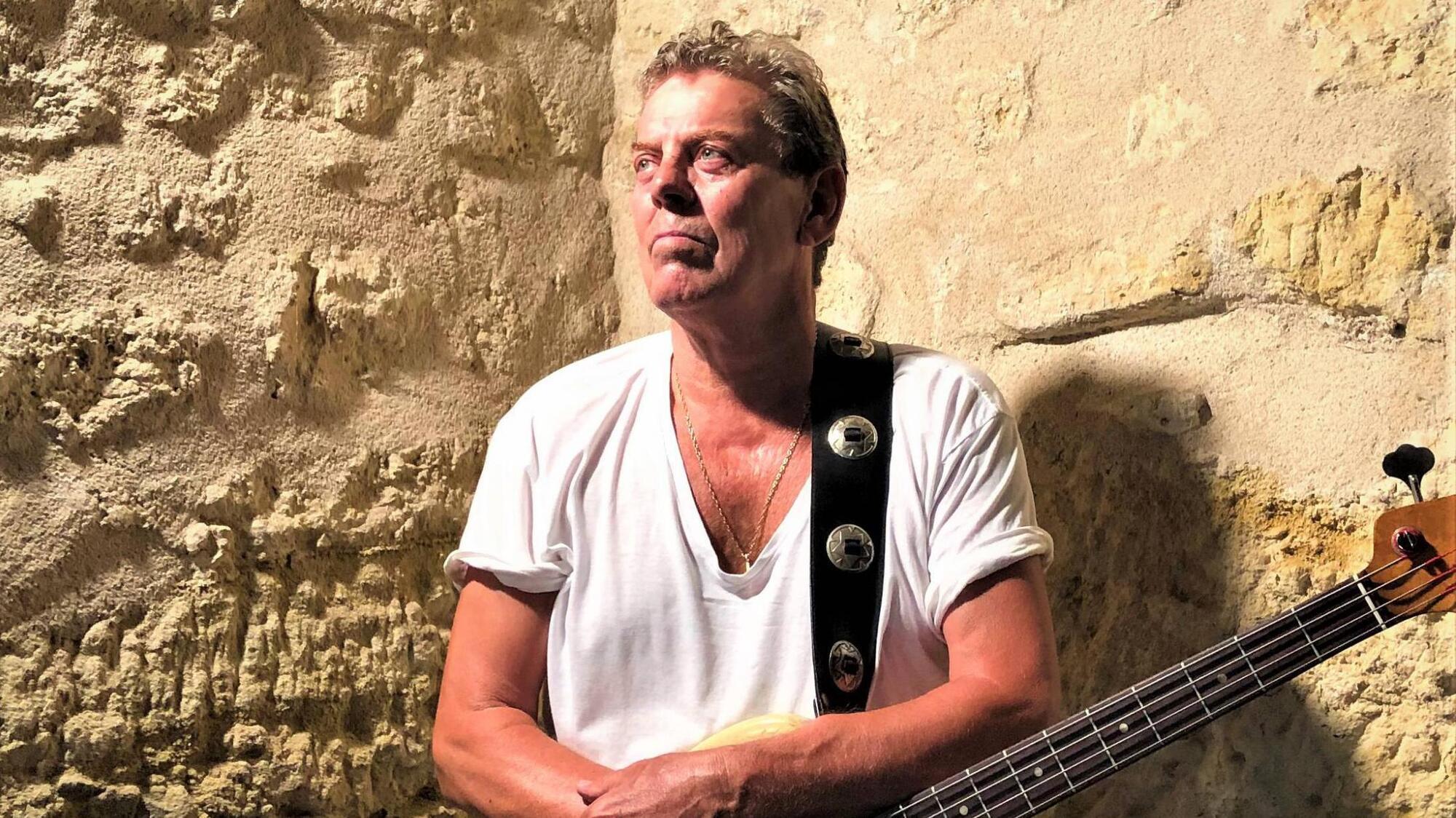
Gerry McAvoy still returns to the music of his late bandmate and friend Rory Gallagher, including for an upcoming gig at the Everyman in Cork.
Gerry McAvoy, 74, grew up in Belfast. He played with Deep Joy as a bass guitarist in the late 1960s. After the group disbanded, he joined Rory Gallagher’s first solo touring band, riding shotgun, performing and recording with the Cork bluesman, from 1971 until 1991. He formed Band of Friends in 2012, a group who celebrate Gallagher’s musical legacy. Band of Friends will perform four gigs to honour Gallagher’s 78th birthday in March, including The Everyman Theatre (March 5).
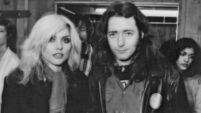
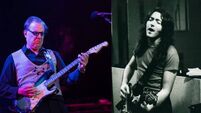
Rory Gallagher was coming from a different angle. No pizzazz, no razzmatazz, straight down the line. The simple fact that he went with a pair of jeans and a checked shirt on while playing his music. What was important to Rory was the music. Everything else was by the wayside. The rock star lifestyle wasn't Rory's lifestyle. With Rory, what made him stand out a bit is the Irishness in his playing — there was Irishness within the blues playing. There's lots of different songs — if you listen to them there are little Irish lilts there that Rory threw in, in the middle of a blues solo.
When I was a kid on Sunday nights on television, we had this programme, The Shadows were performing on that. So, my first sort of love getting into music was The Shadows, believe it or not. That's what led me to pick up guitar eventually. Not so much for the music, but The Shadows looked great: “I wanna be a Shadow.” Always black — black suits, black ties, white shirts, shiny patent shoes. They looked fantastic.
When the Beatles came along, that turned my head completely. The first Beatles album I bought was . I was knocked out with that. One of the reasons I took up bass was from listening to Paul McCartney. He was a fantastic bass player.
That was important to me. He doesn't do the normal bass line. He does this melodic thing with the bass guitar. All you have to do is listen to him. McCartney was melodic anyway in his songwriting, but if you listen to something like the George Harrison song, 'Something', and if you listen to Paul McCartney's bass on that, it's incredibly melodic.
The fly-on-the-wall documentary about the Beatles was fantastic to watch, for all the right and wrong reasons. I knew a lot of what was going on, like the arguments, from meeting people who worked in the studios during those sessions. They were coming towards the end of their tenure, so obviously things were getting a bit bristly in the studio.
I know the feeling. I was down that road myself. I'm used to being in the studio and confrontations happening because you're dealing with artists who have a one-track mind. What they think is right is right and you're wrong. That's what happened with them, mostly between George and Paul. I'm sure it didn’t help with Yoko Ono coming along and bringing her bed in. I don’t think Rory Gallagher would have stood for that.
When we toured a lot, I read a lot of books. I was into detective novels, as was Rory. Raymond Chandler, Philip Marlowe, great writers like that. It's in the blood. My father and grandfather were private detectives. was one of my favourites and the movie adaptation is one of my favourite films as well. Dashiell Hammett, too, was a great pulp writer. The way he wrote was very unusual. He took chances. He had a bit of spice in there. Rory wrote a song dedicated to Dashiell Hammett, 'Continental Op'.

One of my favourite movies was The Third Man, directed by Carol Reed, with Orson Wells starring in it. It’s fantastic. Funny enough, it was one of Rory's favourites as well. It's because of the black and white cinematography and the way everything was shot at an angle. It was unusual. After the war in Vienna was an amazing location to set it in as well.
is another Carol Reed movie. It was filmed in Belfast. It’s about a nationalist organisation, robbing a bank. One guy gets shot. It carries on from there, a plain and simple plot, but the cast is great. It stars James Mason. I liked it because it was set in Belfast in the late 1940s. There was a famous pub in Belfast — that’s still standing — called The Crown Bar, which is used in the movie as well. So that was all part of the fun for me to watch .

We were in Athens with Rory back in the 1980s, doing a couple of shows there. We were invited to the Parthenon at the Acropolis. Rudolf Nureyev was doing Swan Lake. We got to see Mr Nureyev on stage, which was an amazing thing. When you look at the theatre in the Acropolis without people in there, it looks like it has a capacity of 500, but it holds 8,000. What a talent that man was.
I remember I discovered Muddy Waters on the radio one night. This is the mid ’60s. That was it with a bang. Muddy Waters was the end of it all. He just said it all. Out of the blue, it was something that I'd never experienced before. I was dipping my toes into the water with the blues. I'd listened to the John Mayall & The Bluesbreakers album with Eric Clapton. It was great, but a couple of weeks after hearing that album, I heard Muddy Waters. It was miles apart. It was raw, heavy, the real thing.
One of my favourite albums, going in a different direction, is Bob Dylan’s . Shortly before that, Bob went electric, to the hatred of a lot of his fans. He’s a folk singer, a folk artist, but took a different direction. You could call some of those tracks pop music. One track I love on that album, which is a real poppy song, is 'I Want You'. It’s a love song. It's a fantastic album, with fantastic songs.
I joined Rory in March 1971. We went to Belfast in the middle of the summer in ’71. The Troubles were happening. Many other bands wouldn't go. I’m from Belfast. To me, to see the audience in the Ulster Hall that night — because they were starved of music, there was no music coming to Belfast — stands out in my mind as one of my most memorable gigs. Both sides of the community were there. It didn't matter, nobody gave a damn, they were just there to hear the music.
Somebody that impresses me a lot – and someone I’ve seen a few times in Ireland funnily enough – is Bruce Springsteen. I’ve been lucky to be side stage for a couple of his shows. He reminds me a lot of Rory – that down-home, working-class attitude. He's probably one of the best shows I've seen for a while.