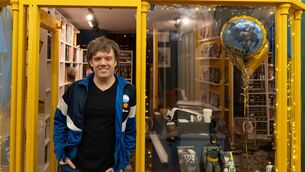
'The lack of women was a terrible deprivation': Melvyn Bragg on Oxford, Boris Johnson, and Trump
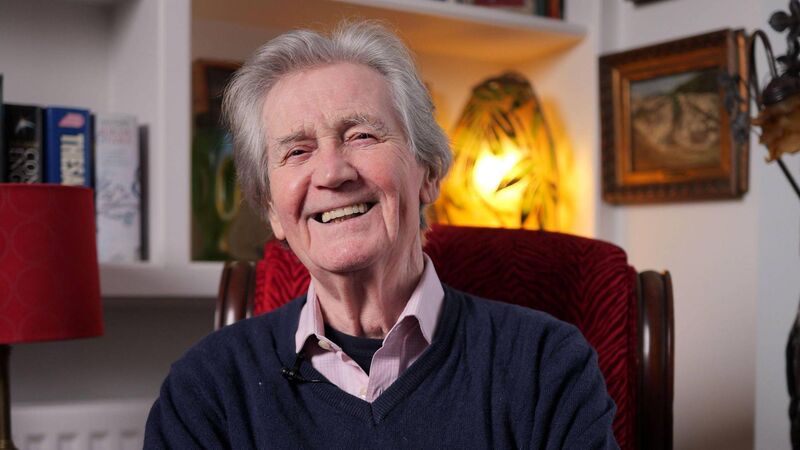
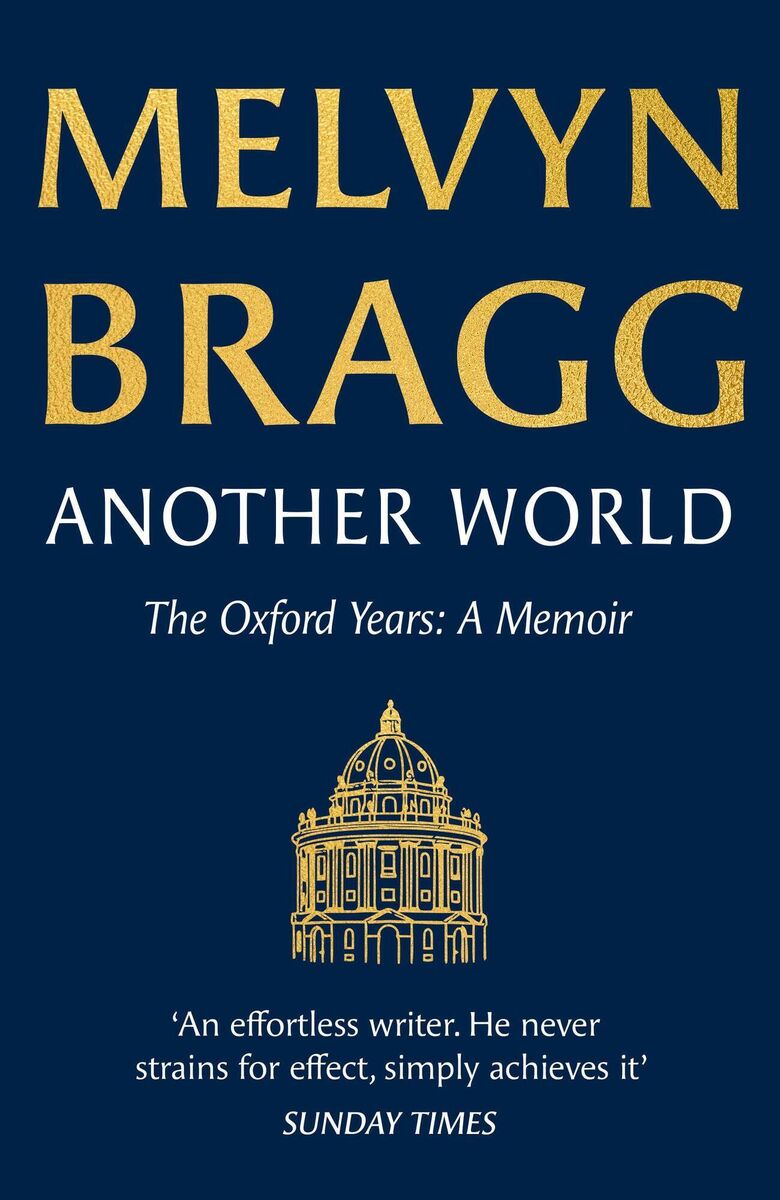
Melvyn Bragg is publishing a new memoir.
Melvyn Bragg “went up” to Oxford University in 1958, sporting an Elvis Presley look-alike haircut. He spent three glorious, carefree years in its gilded hallways. The Carlisle man was part of a postwar working-class generation – along with filmmakers Dennis Potter and Ken Loach – that breached the walls of the medieval city, although it was still an elitist bastion when he studied history there. Inheritance trumped scholarship, which fostered a nasty snobbishness.
Bragg cites, for example, the notorious Bullingdon Club, which was considered a breeding ground for political eminence in the late 1950s. Club members thought nothing of smashing up a restaurant, reckoning “a few fivers would make things okay with the serfs”. He mentions that the club coughed up two of Britain’s “worst prime ministers, who went on to become spivs” (David Cameron and Boris Johnson).
Bragg’s coming-of-age memoir evokes Liam Clancy’s masterpiece, in its depiction of innocence and hesitant, youthful ambition, that moment an artist crosses the bridge from childhood to adulthood. There were, though, few women around the Oxford campus in Bragg’s time. It was a male dominion.
“The lack of women was a terrible deprivation,” says Bragg, 86. “It was a shock. I'd been brought up in mixed schools since I was four years old. All of a sudden, there was this great absence, a vacuum. It was a puzzle about what to do about it. The hospitals were raided for nurses. It was a funny business.”
The tension and narrative drive in the memoir come from Bragg’s faltering love life. When he enrolled at Oxford, he was in love with a childhood sweetheart, a girl from Wigton, his hometown close to the Scottish border. They remained life-long friends, even though their engagement foundered.
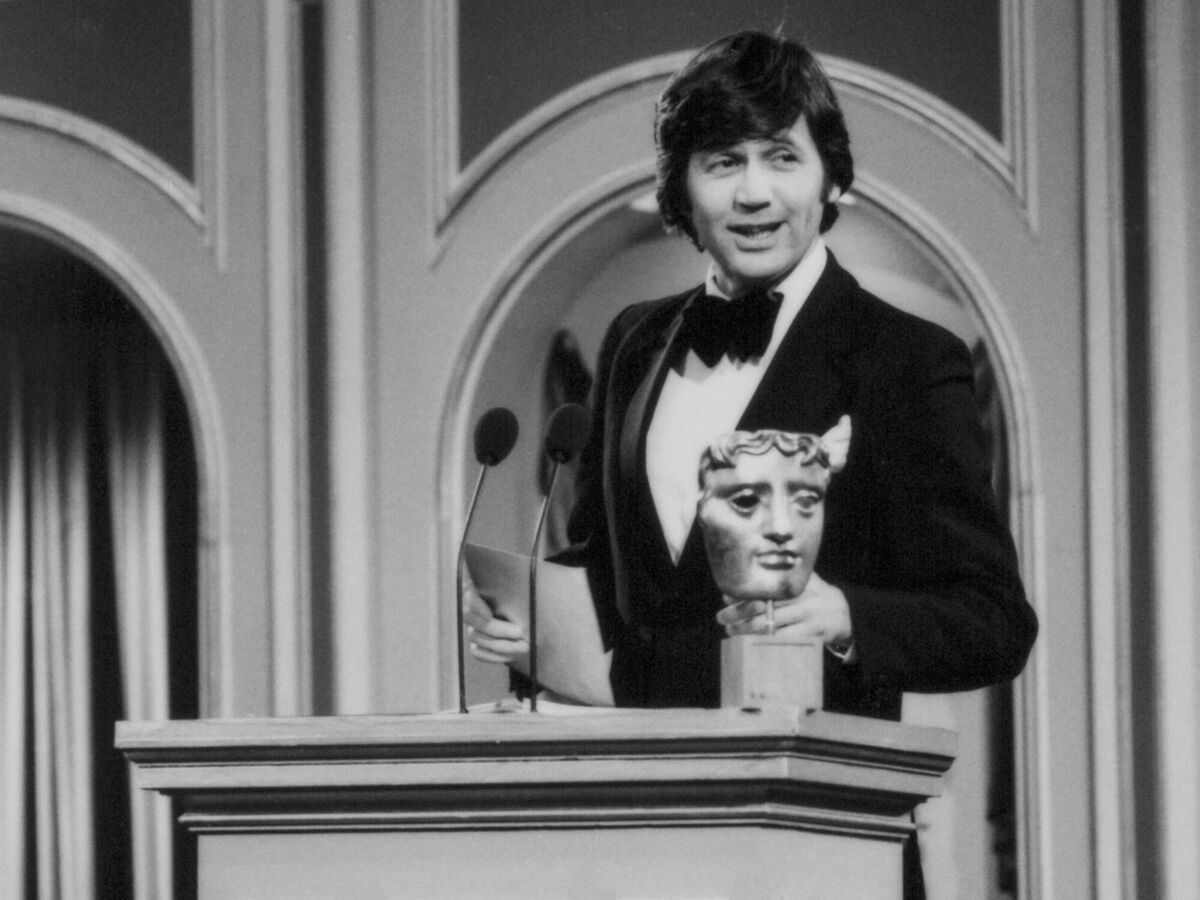
Towards the end of the book, after his heart is broken, he takes up with Lisa, a French viscountess. Their engagement quickly led to marriage (shortly after graduating from Oxford). Love was a serious business back then.
“You ‘went’ with someone with the intention, however near or far in the future, of marrying them,” explains Bragg. “Or you used a pregnancy as a gun to the head and that was that. ‘Going’ with someone could be protracted. There was a man in Wigton, a cobbler, who ‘went’ with his fiancée for 14 years. They walked from the church the mile to the Red Dial pub every Sunday night following evensong. Eventually they spliced, moved in together and ceased the Sunday walks.”
Bragg excels at capturing the weightlessness of university years, a timeout from life, “three gift-wrapped years”, where most of the learning is done outside the college walls – acting in drama societies; doing journalism; playing rugby, squash or rowing; filmmaking; or that cliché of student life – staying up late with friends talking through the night.
Bragg ran with a gang of four close friends. One of them, the author Michael Wolfers, worked as a government advisor and reporter in several African countries. He died at Bragg’s 75th birthday celebrations at London’s Garrick Club in 2014. Bragg, echoing the evidence at hand, believes Wolfers was a spy. There were overtures to Bragg, too, to join in the spying game.
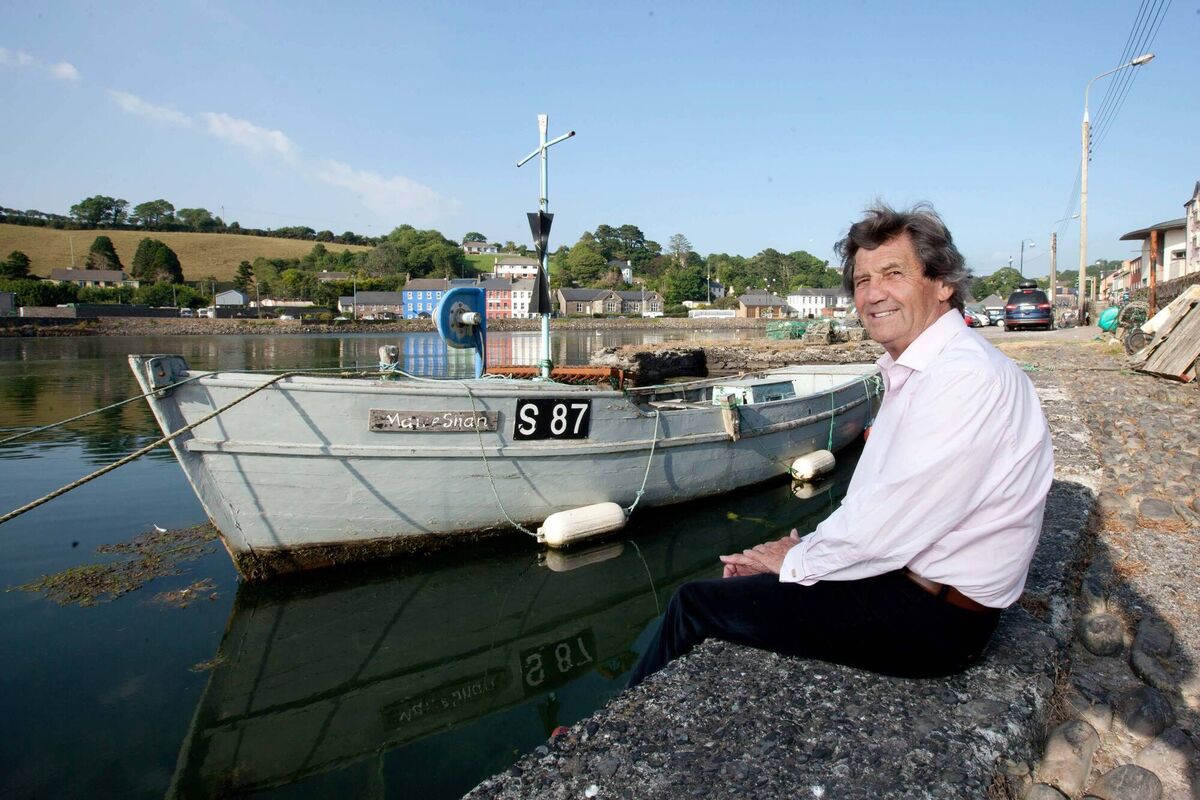
“I was invited across to Russia because my books were selling well in Russia,” says Bragg. “It was a straightforward attempt to be enlisted as a spy. When I came back to England, I was invited to the Soviet embassy and they talked about how wonderful Russia was and so forth.
“They were very precise about it. There's a part of St Petersburg where they take you, walking around a big, artificial lake. It’s deserted. You walked around this big circle of land, with nobody there except two or three of you. They tried to get things out of you or to do things for them. They didn't hide it. They went for it.”
When asked if he had the skills to be a good spy, he is adamant: “I'd have been absolutely useless. I wouldn't have been able to do it. I’d tell everybody what I was up to. I’d have been in the next coffee bar blabbing, ‘Do you know what happened?’”
Dread of nuclear annihilation was in the air during his university years. It was a little over a decade after the Hiroshima and Nagasaki atomic bombs, and shortly before the Cuban Missile Crisis. Student “ban the bomb” marches were commonplace. At times, it seemed it was all that people spoke about.
Bragg remarks that we’re again at a volatile moment in history, that US president Donald Trump is not a steady hand to have at the tiller. “We've never seen anything like him in my lifetime,” says Bragg. “There’s a streak of the mad Roman emperor about him, convinced that what he says goes everywhere across his empire, and people have to listen to it. That’s the way he behaves. He takes you back to Tiberius. He considers himself to be an emperor, a maker and breaker of nations. It's a megalomaniacal madness.
“He's an extremely well-honed bully. Occasionally, he lunges in the right direction, but 99 percent of the time, you don't know where he's going. Frankly, I don't think he knows where he's going. He’s erratic. He goes in one direction, then he goes another and comes back and he'll double up. There's no steadiness.”
- is published by Sceptre
“Nothing had prepared me for seeing Ingmar Bergman in Oxford,” writes Bragg of the Swedish filmmaker. “It is difficult to explain to myself why I was and am still so locked into Bergman. His films continue to be the marker against which for me all films are judged. He put everything into them — from what I can gather his films spent his life.
"The work became the man and what was left over seems to have been a trail of sexual confusion. Like many other artists, he was driven to put the best of himself into his work, the lees were left for life. Perhaps, as has been said, you cannot have perfection in life and in the work."
Bragg interviewed Bergman in Munich for The episode was broadcast in 1978. “I phoned him once, years later,” he writes.
“It was embarrassing. It was about three o’clock in the morning. I was living in a cottage in North Cumbria – a landscape in its grandeur, its comparative emptiness, its dramatic possibilities and its loneliness very like parts of Sweden. I had drunk far too much in the pub and walked back the mile or so uphill to the cottage, one of seven dwellings in a hamlet on the fell. On the way I was seized with a brilliant idea for a Bergman film. I rehearsed it as I swayed up and up to the cottage.
“There, in front of a dead fire, my wife and children in bed asleep, I called Mr Bergman and got his answerphone. I reeled off the outline of the masterpiece he was destined to turn into a film: the lifelong dispute between two religious hill farmers, brothers, who had married twins.
“The following morning, I woke up with a chronic hangover and a painful sense of my stupidity. There was a perfect response on the answerphone — ’Thank you'.”