Book review: ‘Fly, Wild Swans’ is a  poignant, powerful memoir
A subtext of this book is the West’s hypocrisy towards China: securing favourable trade agreements with the country dwarfs ostensible concerns about human rights
Book review: ‘Fly, Wild Swans’ is a  poignant, powerful memoir

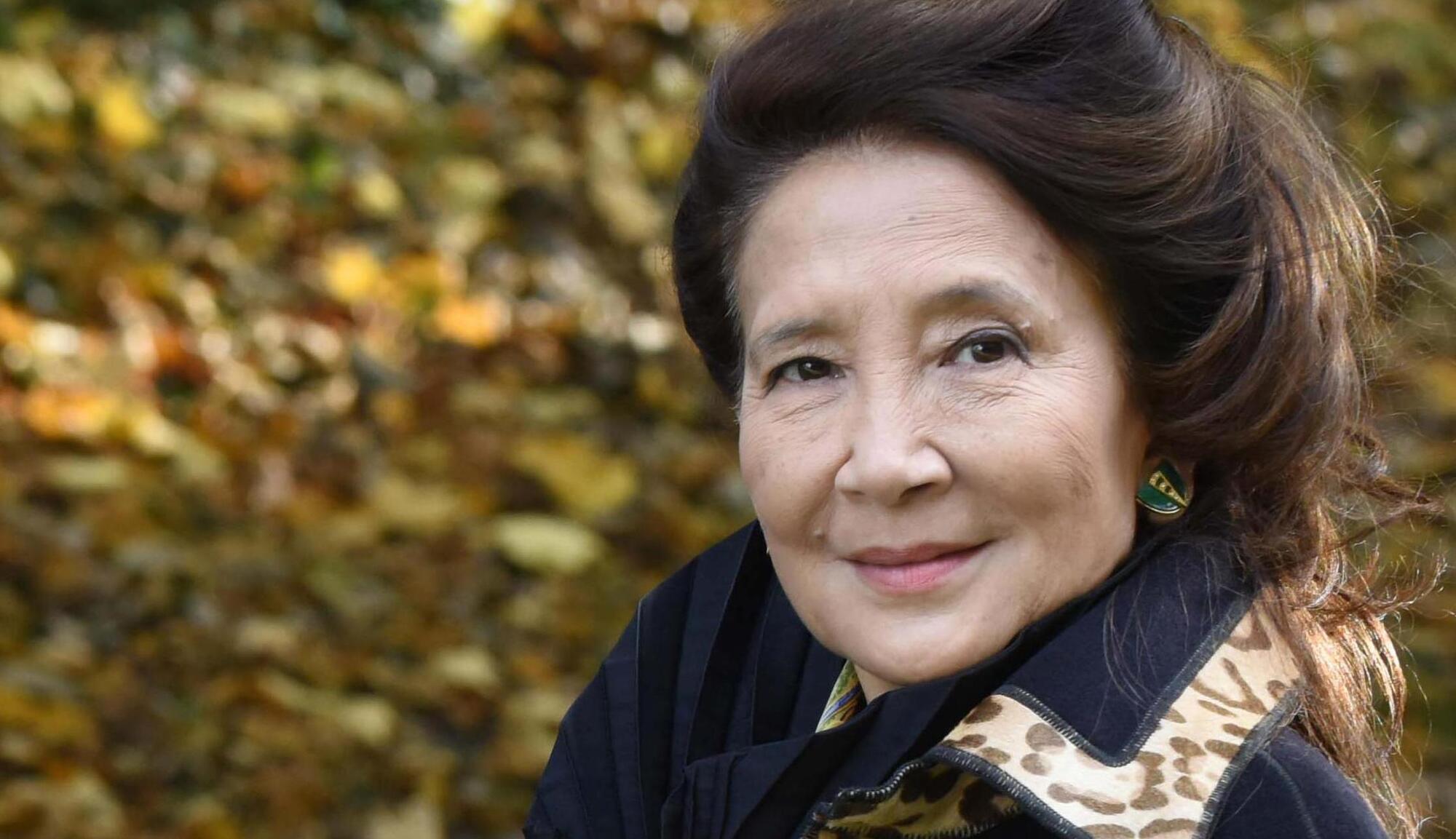
Jung Chang’s parents were both senior officials in the newly founded People’s Republic of China. File picture: Moya Nolan

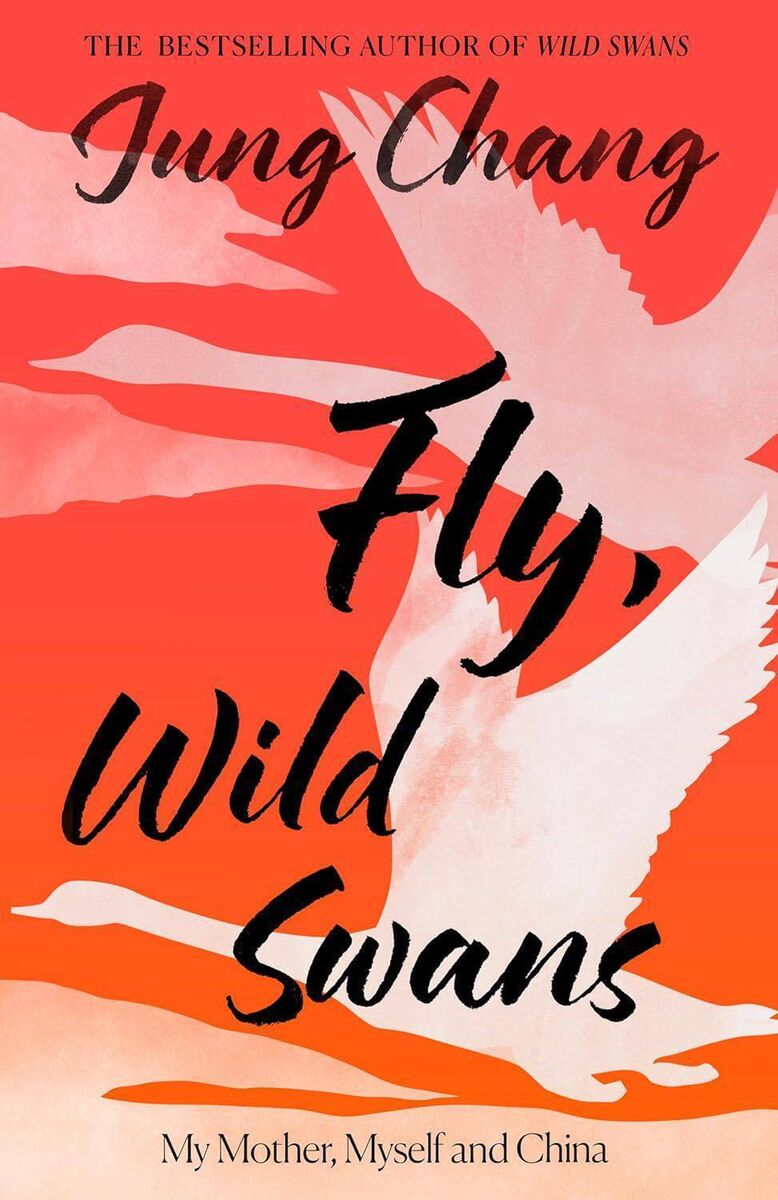
  • Fly, Wild Swans: My Mother, Myself and China 
  • Jung Chang 
  • William Collins, €17.99 

Jung Chang’s Wild Swans has sold more than 13m copies internationally, but it has never been published in her native China.

 That 1991 family memoir explored China’s tumultuous 20th century history through the lens of three women.
Born in 1909, as the Qing dynasty that had ruled China for nearly 300 years was about to collapse, Chang’s grandmother had her feet bound as a child — a status symbol — and at 15 was given by her father to a warlord general as a concubine.

Her daughter, Chang’s mother, joined the insurgent Communist Party in the ensuing civil war. Wild Swans closed in 1978, two years after Mao Zedong’s death. 

As China gradually opened to the world, Chang emigrated for study to England, where she has since lived.

Fly, Wild Swans takes up from there and acts as a companion piece to her earlier memoir, adding context to the revelatory stories that defined it.

Like its predecessor, it situates the personal against the backdrop of the political. The China that Chang left is unrecognisable. 

Since 1978 more than 800m of its people have been lifted out of poverty, transforming it into the world’s second largest economy.

Both Chang’s of parents were senior officials in the newly-founded People’s Republic of China. But their idealism was irrevocably betrayed. 

First by the Great Famine, a man-made catastrophe between 1958 and 1961, resulting in about 40m deaths. 

Then by the decade-long Cultural Revolution Mao launched in 1966. It was a formative experience for 14-year-old Chang.

Her father was denounced and tortured (indirectly causing his death in his early 50s) after he wrote to Mao protesting the chaotic, violent purges and persecutions unleashed across society.

Chang’s mother, De-hong, was exiled to a detention camp when she refused to denounce her husband.

Acknowledging the Cultural Revolution’s failures, the party later officially rehabilitated Chang’s father. Only after this was Chang allowed to move abroad. 

She became, in 1982, the first person from Communist China to receive a doctorate from a British university.

In London, Chang met her Dundalk-born husband, Jon Halliday. The Oxford-educated historian speaks eight languages and, as a child in Louth, learned Russian from a great-nephew of Leo Tolstoy.

With Halliday, Chang wrote the controversial Mao: The Unknown Story (2005). 

Chunks of Fly, Wild Swans recount the research they undertook for the biography, including interviewing Henry Kissinger, George HW Bush, and Imelda Marcos (her “fingernails painted in three shades of gold”). 

The book argued that during Mao’s rule (1949-1976) he was responsible for the deaths of over 70m of his own people in peacetime — more than Stalin or Hitler.

Positively received in the press, the biography was criticised by some respected China historians for its selective use of evidence. Here, Chang dismisses those “accusers” as “Western apologists for Mao”.

A subtext of this book is the West’s hypocrisy towards China: securing favourable trade agreements with the country dwarfs ostensible concerns about human rights.

Before Xi Jinping became president in 2013, Chang visited her mother in China almost every year.

But the country’s decisive shift to authoritarianism since then has profoundly altered Chang’s relationship with her homeland.

In 2018, China passed a law that criminalises slandering any officially-designated heroes and martyrs, punishable by up to three years in prison. 

Chang’s biography condemning Mao, although published before the legislation, might make her susceptible to detention if she returned to China (even if she received permission to).

This restriction on the writer meeting the sickly 94-year-old De-hong accounts for the book’s poignant dedication: “To my mother,” Chang writes, “whose deathbed I am unable to visit.”

x

BOOKS & MORE

Check out our Books Hub where you will find the latest news, reviews, features, opinions and analysis on all things books from the Irish Examiner's team of specialist writers, columnists and contributors.
More in this section

Scene & Heard

Newsletter

Music, film art, culture, books and more from Munster and beyond.......curated weekly by the Irish Examiner Arts Editor.

Cookie Policy Privacy Policy Brand Safety FAQ Help Contact Us Terms and Conditions

© Examiner Echo Group Limited