Book review: ‘The shapeshifter’s daughter’, like its protagonists, struggles with identity
In attempting to explore mythology, familial trauma, terminal illness, and uplifting romance all at once, the novel's deeper themes are underdeveloped
Book review: ‘The shapeshifter’s daughter’, like its protagonists, struggles with identity

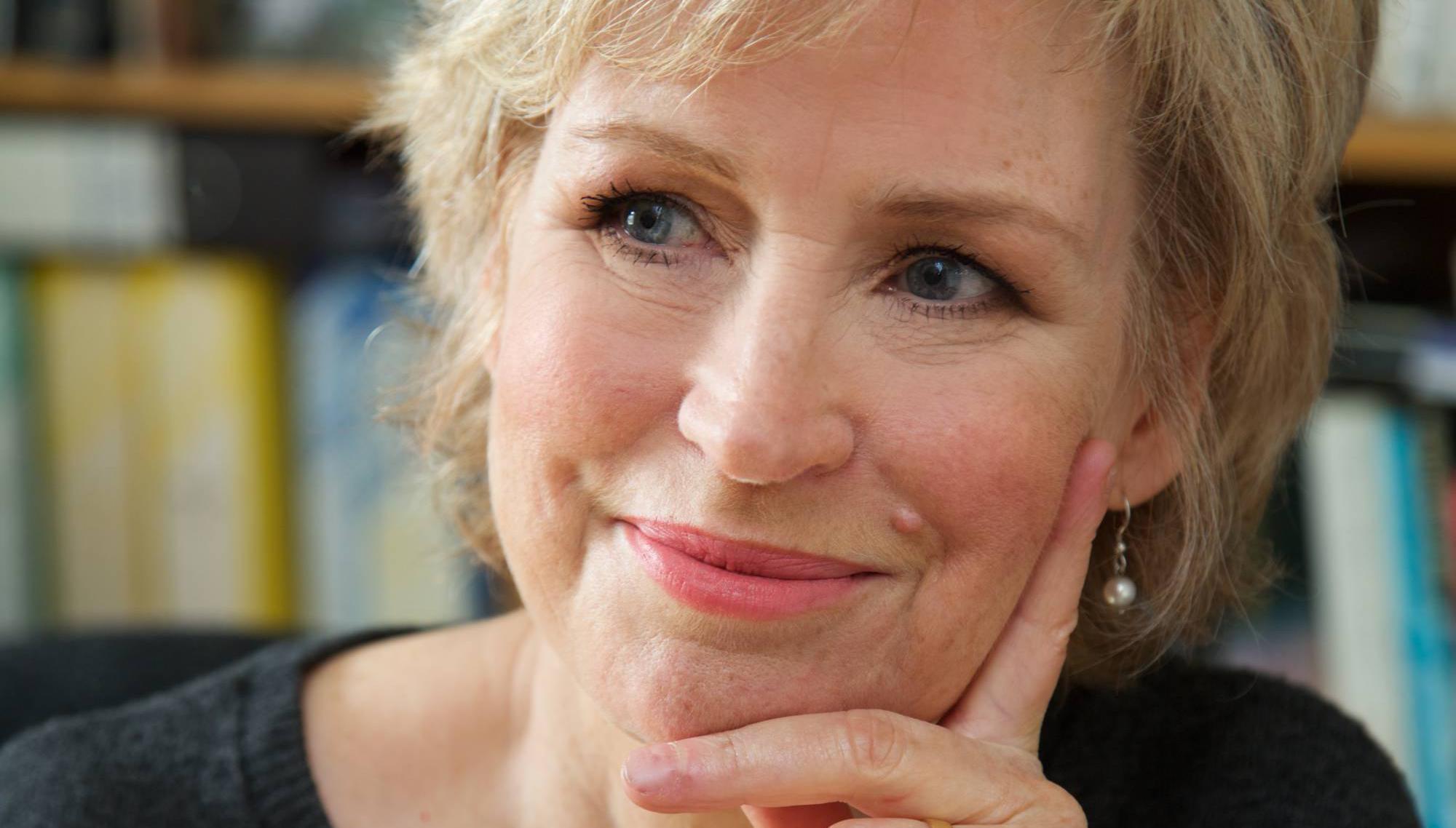
Sally Magnusson portrays the Norse goddess of the underworld in a more modern perspective. Picture: Derek Prescott

  • The Shapeshifter’s Daughter 
  • Sally Magnusson 
  • John Murray Press, £16.99

Hel, Norse goddess of the underworld, has perhaps been unfairly cast. 

While the more widely read 13th-century prose and poetic eddas portray her as monstrous, earlier Christian stories depict her akin to a death doula, gently guiding the dying into her realm.
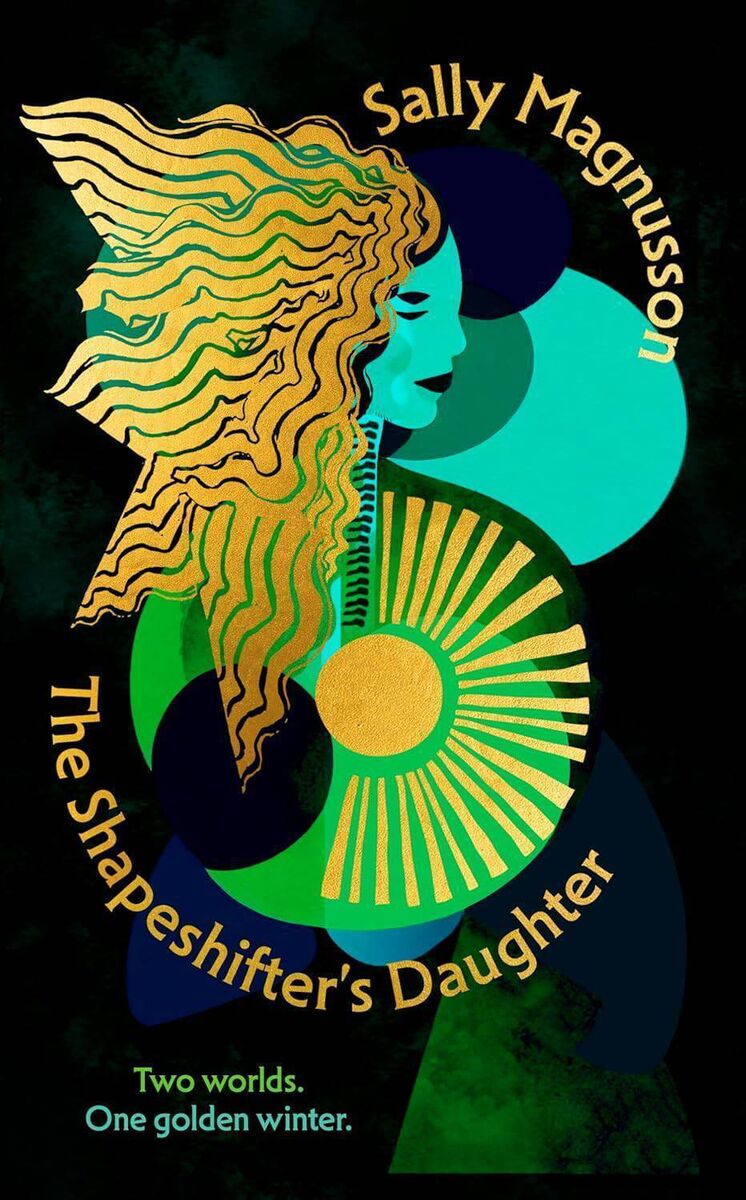
Inspired by this more sympathetic vision, The Shapeshifter’s Daughter sees Sally Magnusson reimagine Hel, whom she deems ‘twisted and defaced’ by the Eddas. 

Magnusson’s Hel is not pathologically sinister but traumatised, a victim of her trickster father, Loki, and her reputation. Like many complex women, Magnusson stresses, Hel is misunderstood.

Interwoven with this feminist retelling is the present-day story of Helen Firth, a middle-aged librarian diagnosed with terminal cancer. 

Rejecting treatment, she returns to her childhood home of Orkney where she envisages a poetic death. Like Hel, Helen is a loner, scarred by a volatile father and a difficult childhood.

There is little subtlety to the relation of these two women. Magnusson’s Norse gods are doubles of her human protagonists, who frequently reference Norse mythology. 

Helen has long been obsessed with the Norse myths, and as a teenager she even dressed as Hel. So, when Hel materialises in Orkney, it is a promising collision. 

What happens when myth meets mythmaker? Is Hel real, or a dying woman’s projection?

There is great potential in the strangeness of Helen and Hel’s mutual attraction, but Magnusson blunts it by over-explaining every emotional beat. 

A homoerotic charge is one of the more compelling aspects of their dynamic, though it may be unintentional. 

For an entanglement between twinned goddess and mortal, it proves frustratingly more melodramatic than magical.

Helen and Hel’s relationship is overshadowed by the Hallmark-style romance that unfolds concurrently. 

In Orkney, Helen is reunited with an adolescent admirer, cheery bumpkin Thorfinn Coffin. Thorfinn’s love for Helen is seemingly unchanged by 40 years, and they embark on a sweet, if predictable, courtship. 

But Thorfinn lacks depth. His sole purpose seems to be to love — and soften — Helen. Her prickly nature is transformed by his kindness. She learns to be vulnerable, to need him.

It is difficult to reconcile the feminist reimagining of Hel with Thorfinn’s ‘femininising’ influence on Helen. 

Helen has long been comfortable with a reclusive existence. She begins the novel coolly accepting her own death. Would she change so easily? Should she? 

One has the sense that the bite of her character is lost in this trajectory.

This is not helped by significant gaps in Helen’s backstory. While the novel sees her interrogate her childhood, we know virtually nothing of her adult existence.

Hel is more fully realised and remains the heart of the novel. But she is somewhat lost within an overstuffed plot, as is her territory: the world of death. 

This is a shame, for it is in unshowy, human observations of death that The Shapeshifter’s Daughter is at its best. 

The novel’s quirkiest scenes are set in a bereavement group. Although the group’s plot function is obvious — it allows Helen and Hel to talk to one another — it also produces genuinely moving moments. 

Particularly affecting is an elderly widower’s description of mustering up the courage to buy his late wife’s favourite biscuits. 

Set against the mythic, these human stories are a striking contrast. One wishes Magnusson had given them more room.

The Shapeshifter’s Daughter, like its protagonists, suffers from an identity crisis. 

In attempting to explore mythology, familial trauma, terminal illness, and uplifting romance all at once, its deeper themes are underdeveloped. 

This is an exciting read for anyone interested in Norse mythology and drawn to the fantastical. Magnusson should be praised for her exquisite world-building. 

Nevertheless, it feels like many half-books squashed into one.

x

BOOKS & MORE

Check out our Books Hub where you will find the latest news, reviews, features, opinions and analysis on all things books from the Irish Examiner's team of specialist writers, columnists and contributors.

More in this section

Scene & Heard

Newsletter

Music, film art, culture, books and more from Munster and beyond.......curated weekly by the Irish Examiner Arts Editor.

Cookie Policy Privacy Policy Brand Safety FAQ Help Contact Us Terms and Conditions

© Examiner Echo Group Limited