Tom Dunne: When U2 did their bit for Irish music by setting up the Mother label

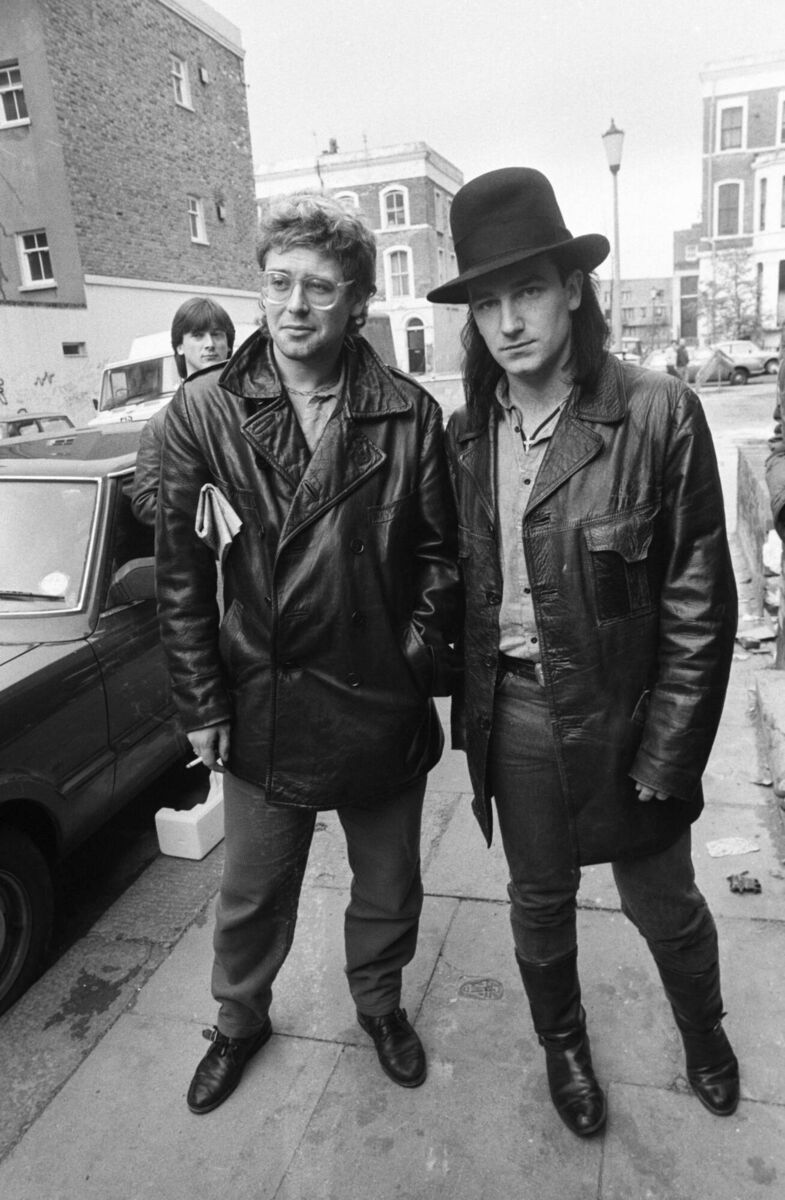
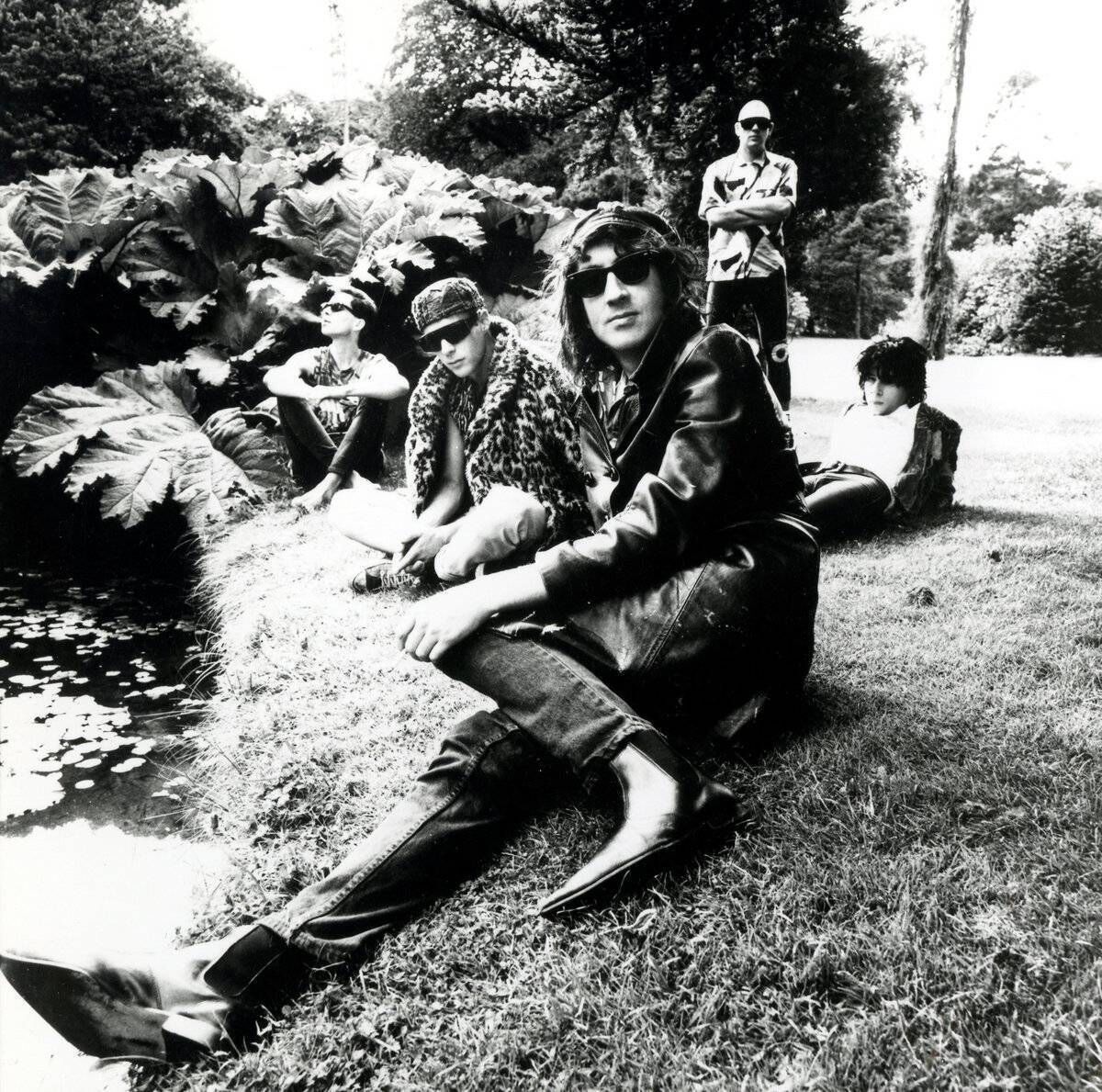
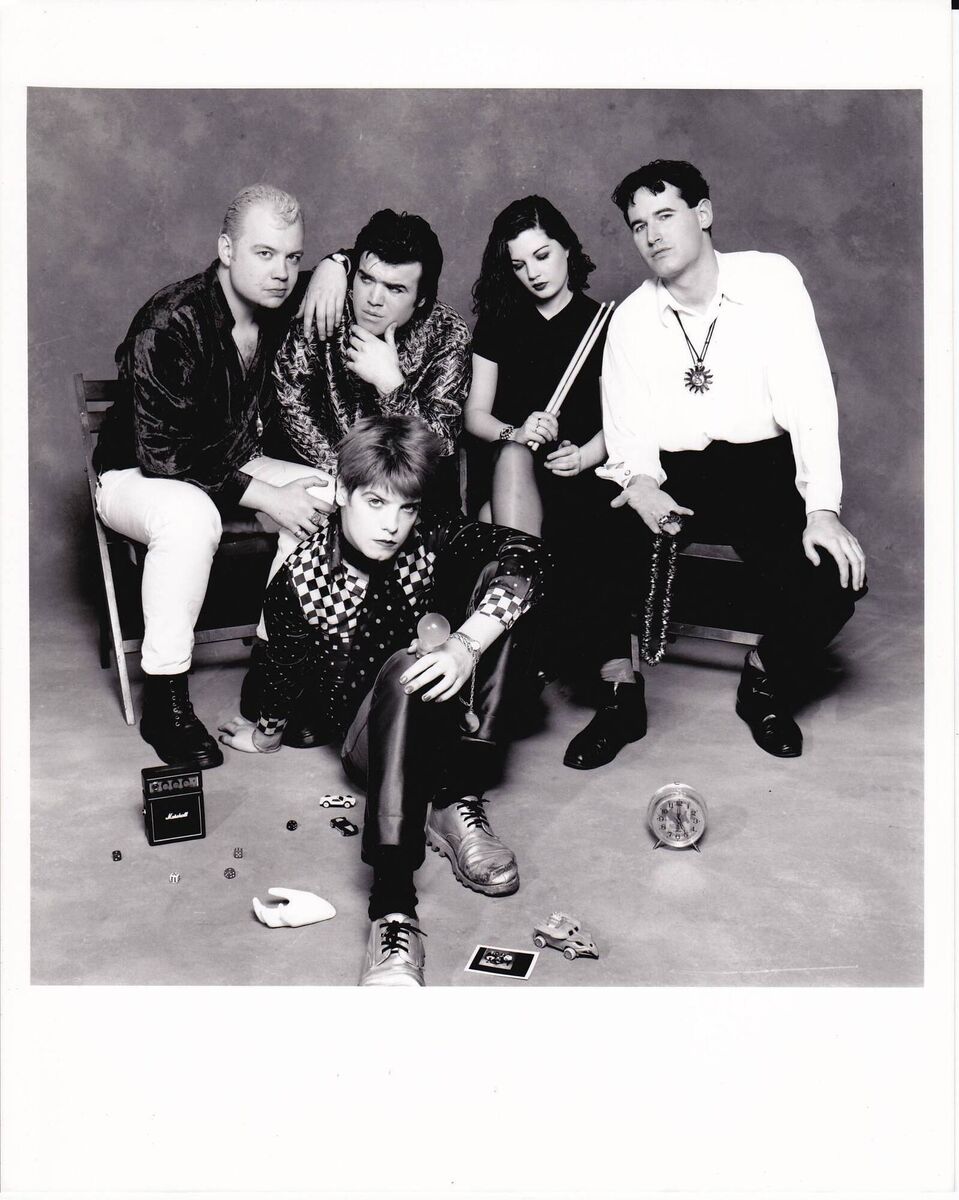
Mother Records was set up by U2 and released music by the likes of, from left, In Tua Nua, Engine Alley and the Golden Horde.
Mother Records, a label set up by U2 in the early 1980s to foster young Irish talent, today seems like an almost forgotten footnote in Irish music history. I’m not sure it’s even remembered fondly at this point, which is strange. It helped promote some amazing bands.
In the course of about ten years, it released debut singles from In Tua Nua, Cactus World News, Hot House Flowers, An Emotional Fish, Engine Alley, The Golden Horde, The Subterraneans and many more. It was mainly singles, but two of its album releases, Engine Alley’s A and The Golden Horde’s self-titled debut are classics.
So why the long face? Mother started life just after U2 had released the War album. It was three years on from debut Boy, although their second album October had not been what Island were expecting. War certainly was. U2 were back on course.
The Irish scene they had left behind hadn’t progressed hugely in the time they’d been away touring. It was still chock-a-block with talent, there were hundreds of bands, but for all its creativity and brilliance it was very disorganised. Bands simply weren’t getting the chance to progress.
Punk had been all about DIY and although there were small independent Irish labels, they didn’t seem to have the kind of nous their UK-based DIY contemporaries had. In Britain, labels like Zoo, Factory and Picture Postcard were producing bands such as Echo and the Bunnymen, Joy Division and New Order.
But Dublin was no Liverpool, Manchester or Glasgow. Those cities were steeped in popular music. They had history and so had studios, engineers, producers, venues, booking agents, PR people and, above all, managers. Plus, they had instant access to a thriving music press.
We didn’t. So, bands tended to spent a bit on a “good’ demo, try and sell cassette copies at gigs, and split when 11 people showed up for the launch gig at the Crofton Airport Hotel some Tuesday night. Often deflated more than defeated they awaited a more favourable wind.
It was U2 who decided to try and generate that wind. They resolved to set up a label that helped bands record a really good single in a proper studio with an experienced producer. It was utterly philanthropic. There was no egregious contract. It was a leg up, end of.
As Adam Clayton said at the time on Irish radio, “I don’t think there’s any advantage in us giving anything more to a band because they’re not really ready for it in many ways. So, we’ll pay for them to do a single and… guarantee to put it out. It really is up to the band to do what they can with it, getting it to the press, getting it to radio.” Somewhere in there lay the root of subsequent problems.
Three of the first bands they worked with were In Tua Nua, Cactus World News and Blue in Heaven. The ITN track, led to an immediate deal with Island Records and a single of the week in Cactus signed to MCA and had three Top 60 UK singles.
Demos produced by The Edge and Bono saw Blue in Heaven circumvent the single release bit and sign immediately to Island. Island put them in the studio with the legendary Martin Hannet. A second album was produced by Chris Blackwell, the Island head honcho himself, at the famous Compass Point studios in the Bahamas. Living the dream.

But that was where the dreaming ended. Island politely declined to release the In Tua Nua album. Cactus World News’ second album was deleted before it was distributed. The Blue in Heaven albums were released but not really promoted. The effect on each band, like a Premier league team letting youth players go, must have been devastating.
So, what happened? Why no Echo and Bunnymen type success for these? I can but surmise at this point that it was the absence in Mother of the type of individual that drove the UK-based labels. Zoo Records had Bill Drummond (the KLF), Factory had Tony Wilson, and Picture Postcard had Edwyn Collins.
These were visionary individuals who not only spotted new signings but who were often madly protective and wildly inventive in promoting them. They might even manage the bands too. Members of U2 could possibly have filled that void, but they were busy being U2.
Talent did eventually find a way. It always does, but honestly lads, Mother’s track record at spotting that talent was superb.