Theatre review: Dublin Gothic at the Abbey is a lavish Christmas show with a difference
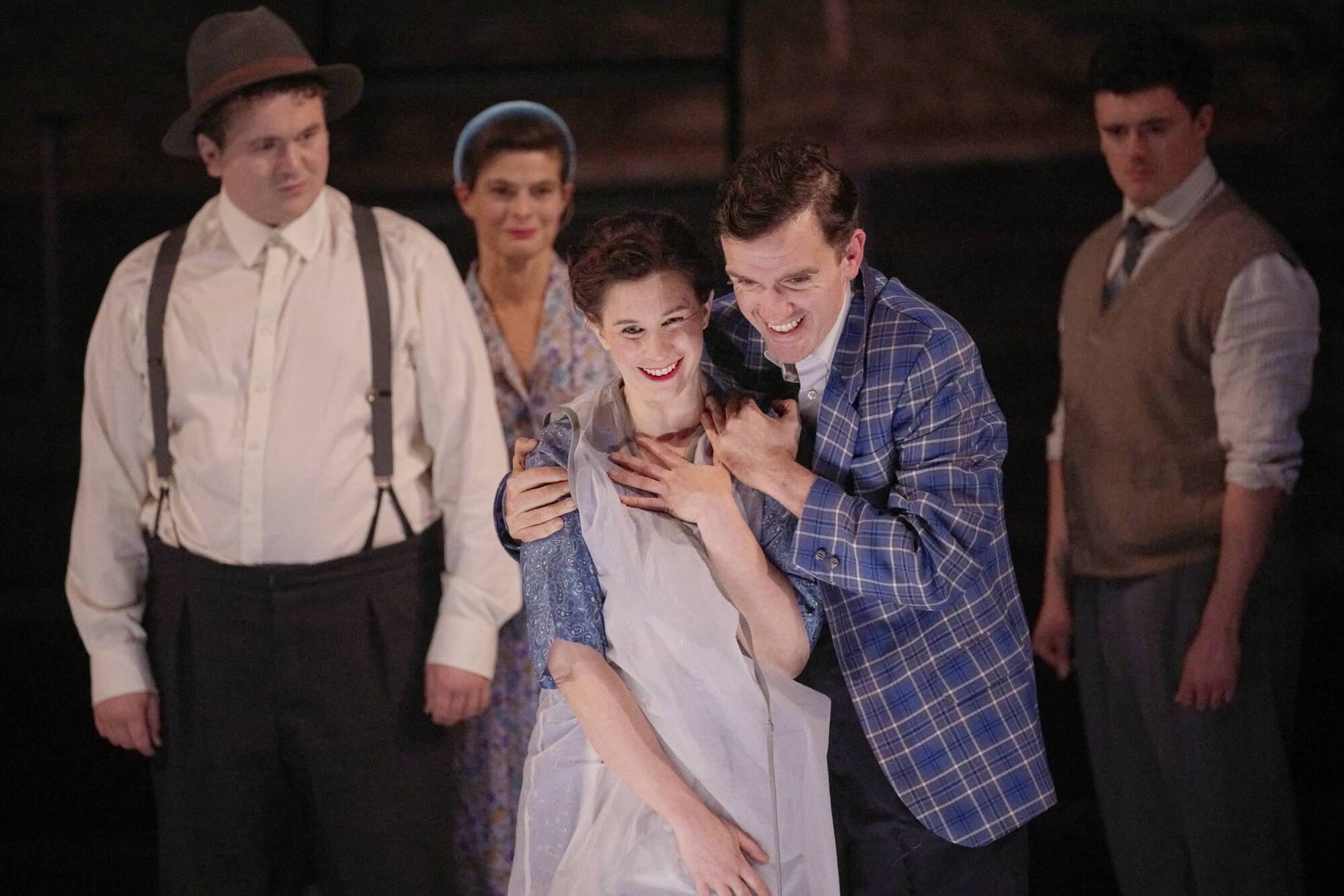
Dublin Gothic, on through December and January at the Abbey, was written by Barbara Bergin. Picture: Ros Kavanagh
★★★☆☆
In writer Barbara Bergin has combined epic sweep with spatial and narrative economy by refracting Dublin’s history through the lives of people in one building, 1 O’Rahilly Parade, and taking us from the 1880s to the 1980s in the tale of a handful of families, their intergenerational traumas manifesting themselves in whatever social ill is appropriate to that time.
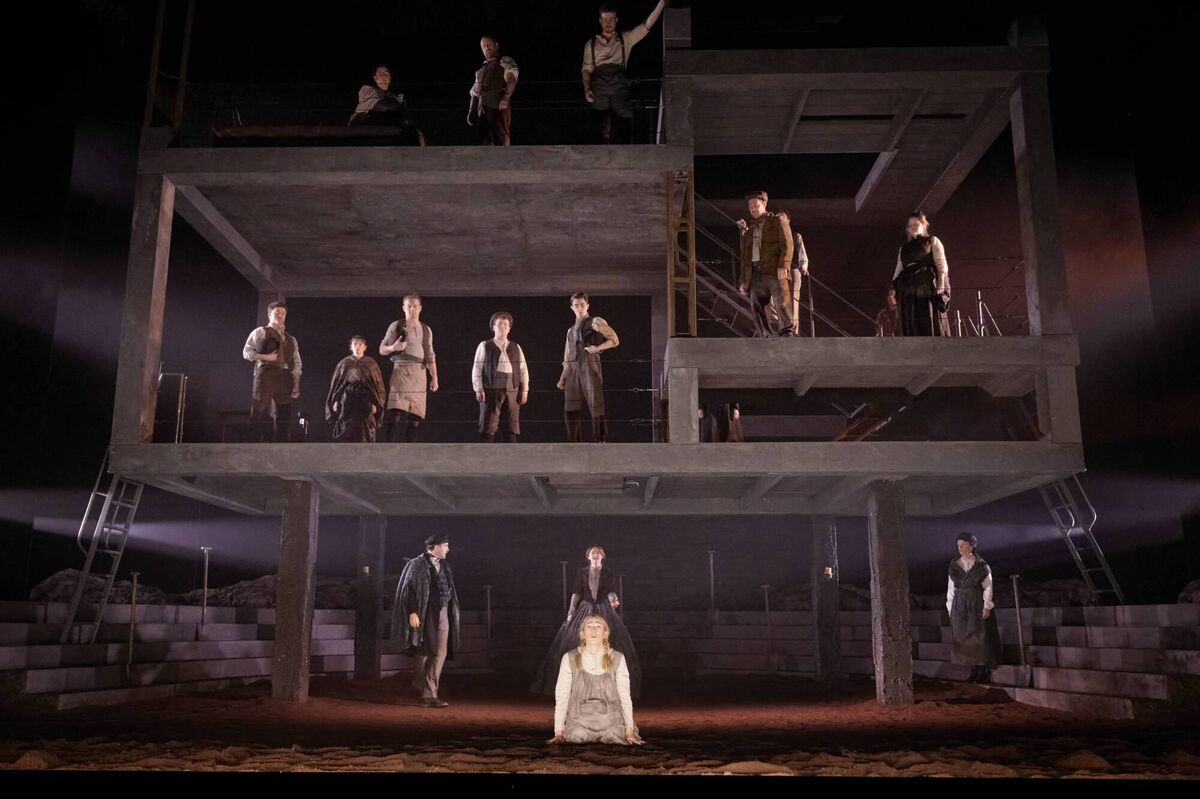
It’s a neat idea, one backed up with the kind of resources only the national theatre could throw at it: an imposing three-storey set, a 19-strong cast, an original score, and over 100 characters populating the sprawling three-and-a-half hour duration.
There’s plenty of the familiar across those hours. In Bergin’s version, all the names have been changed, sure. But not much else. The marks of O’Casey, Joyce, James Plunkett, and Dublin’s folkloric history are all here, though refracted.
Joyce becomes George Doyle, unfairly traduced as a lying, oafish, whore-bothering, lisping slob, whose historic parallel becomes certain when he returns from Paris with a thick tome in Hellenic blue: his own epic, “Novel Book” (pronounced “buke”). Matt Talbot is Frankie Cummins, but more sinner than saint.
The Padraig Pearse stand-in is the idiotic schoolmaster Dalton, sharing the former’s naive bloodlust. There’s an eve-of-execution prison wedding, except for Dorothy Crothers and Arthur Gately, rather than Joseph Plunkett and Grace Gifford. The Brendan Behan character is Vincent Meehan, bitter and closeted.
Later, it’s not U2 that hit it big, but a crap band called Angelus (lead singer Bong, a plagiarist). Bergin has hardly a good word to say about any of these men. Dublin Gothic, then, is a feminist takedown of the city’s patriarchal pantheon. Fair enough: men are wasters, women suffer nobly. Yet, hardly a novel insight. Sean O’Casey had that view first time out, after all. And the recent work of ANU has done it with greater theatrical sophistication and documentary revelation.
Anyway: it’s the women who are the central trunks for the three family trees here, especially Sarah Morris, who plays the nimble-fingered streetwalker Honour, and later, her own granddaughter Nell Nell. In an enjoyable flourish, she joins the 1950s chorus line at the Empire, Bergin’s analogue for the old Theatre Royal. It’s her quest for identity and self respect, alongside her twin sons, that carries us through the latter half of the 20th century.
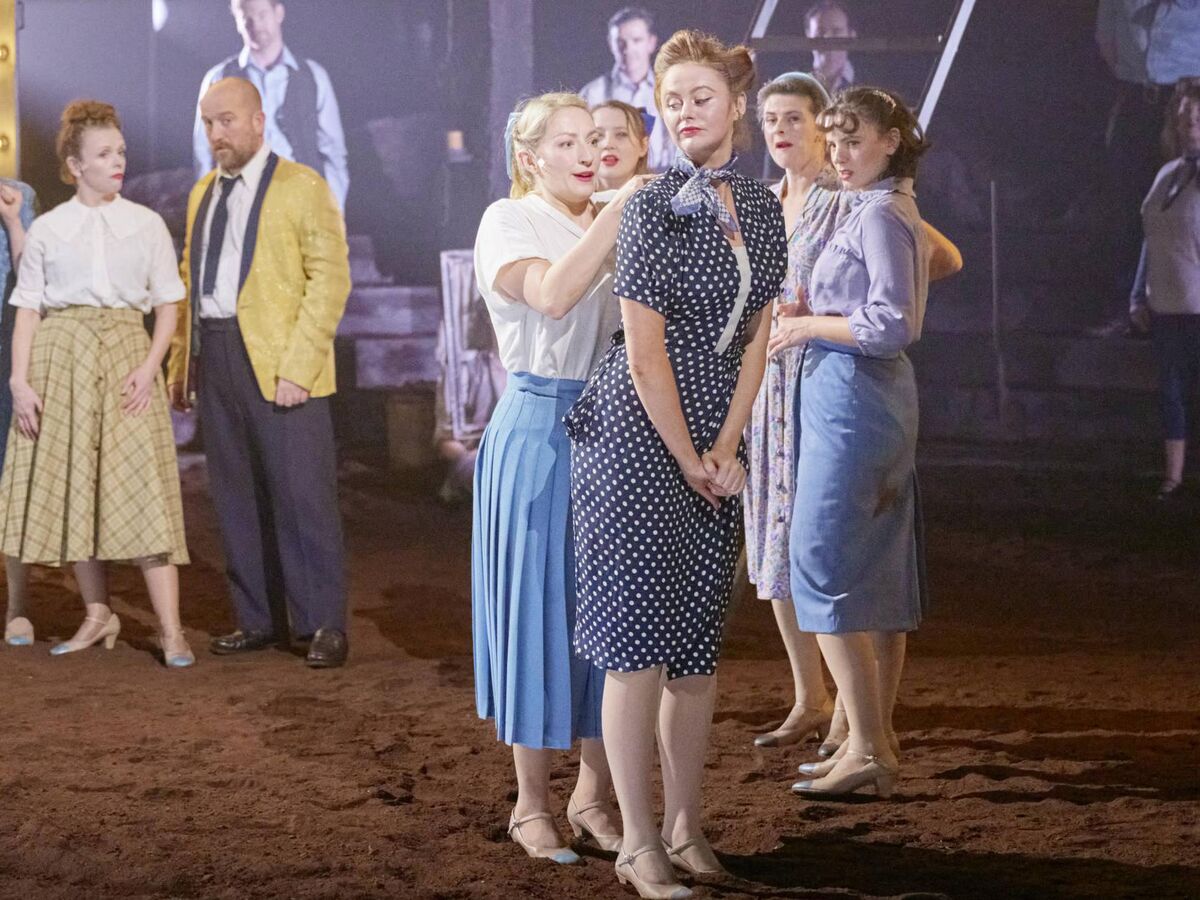
As well as Bong, there are bonks, and, it being a Georgian tenement, this means no woman can have one without getting pregnant. Cue backstreet abortions, meddling priests, communists turned drunkards, and chic suffragists, and so on. Later its mohair-suited politicians, feminist activists, punk, Aids, a gay nightclubs. is nothing if not thorough. Yet, this is hardly the telling of an untold tale, an honoring of history's losers. It’s a point of view we’re repeatedly served. As ever, one is left asking: there must be more to Dublin than this?
There’s a playfulness to Bergin’s language, which helps things along. The setting is the “north city innards”, for instance, and heroin is called “painmelter”; it’s “Slackville Street”, for Sackville Street, and so on. It’s colourful, but, after drawing attention to language like that, it jars to hear the repeated misuse of “hoi polloi”.
Director Caroline Byrne marshalls the action, and, more importantly, the dozens of characters, with an impressive balance of liveliness and cohesion. It often looks and feels like an opera. Byrne keeps the momentum across the epic duration, enabled by an excellent cast. All this mostly masks the greatest flaw in Bergin’s text, which is in the telling. And boy, is there a lot of telling. When we find out in the final scene we’ve been going through a novelisation, it’s no surprise. For the most part, it’s all narration, the omniscient voice jumping around between players and spaces. It’s vibrant at first, but by hour three, grows flat and alienating.
Living up to the “gothic” in the title, there’s also a supernatural element which is never fully realised. Quite a departure, then, from your typical Christmas season show, but does at least include, like a certain other festive favourite, ghosts from past, present, and future.
- Until January 31