Naked Gun, Superman, Freakier Friday: Why are we so drawn to reruns, remakes, and sequels?
"So weâre collectively self-soothing by immersing ourselves in reruns, remakes, reissues, sequels, and prequels. Lovely easy familiarity."
IN a global era where we are being ruled by psychopaths and led by donkeys, where nobody can afford anything anymore and our distrust of each other is being weaponised against us for unscrupulous political gain, where a formerly utopian internet is being replaced by the creeping dystopia of AI, all of which is playing out against the ominous thrum of climate crisis, itâs no wonder weâre becoming nostalgia ostriches. Thereâs only so much news cycle a central nervous system can take.
Yay then for burying our heads in the warm, fuzzy distraction of nostalgia. Allowing it to blanket us in feelings of comfort and safety, shepherd us towards softer, more innocent times where all we had to contend with was George W Bush, lad mag sexism, and old-fashioned racism and homophobia. Where genocide was not being livestreamed daily on our phones, incels and the manosphere were not yet born, and a personality-disordered white supremacist was not in charge in the White House.
Itâs too much. So weâre collectively self-soothing by immersing ourselves in reruns, remakes, reissues, sequels, and prequels. Lovely easy familiarity.Â

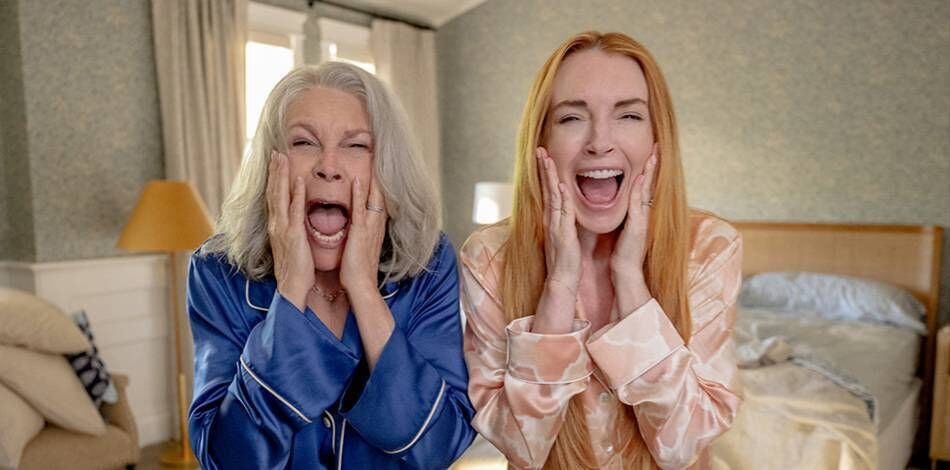
Freakier Friday is in cinemas this weekend, starring Jamie Lee Curtis and Lindsay Lohan â a sequel to the 2003 movie, also starring Jamie Lee Curtis and Lindsay Lohan, because continuity is calming.Â
The new Jurassic movie, Rebirth, isnât just another slice of familiar creature-feature, but is embedded with nods to classics like Jaws and Alien. (Itâs terrific, by the way.)Â

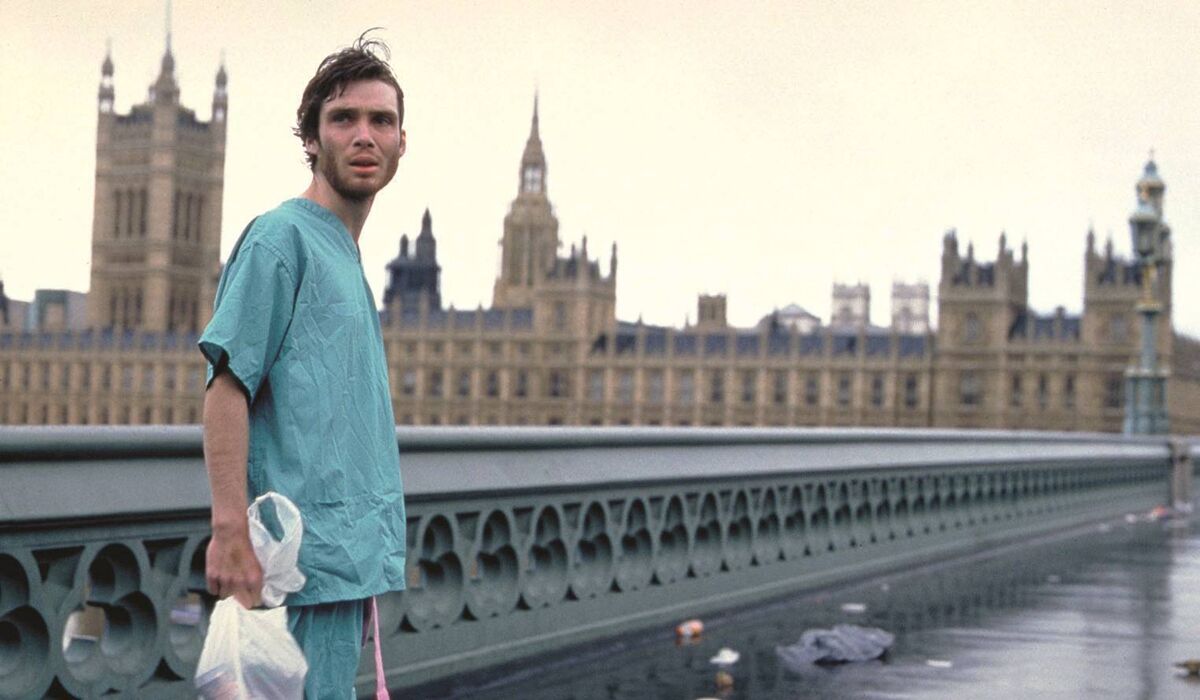
Danny Boyleâs latest, 28 Years Later, his sequel to 2002âs 28 Days Later, is itself a comment on nostalgia and Brexit-like isolationismâsignalled via props like images of a young queen Elizabeth, and the story being set on a barricaded island â but with zombies.Â
If marauding flesh-eaters are not your bag, thereâs always the current remake of The Naked Gun, or Superman, the 14th Superman movie since 1948.Â
Maybe we secretly think that if we keep making films about him, heâll come and save us.

On TikTok, small screen #noughties nostalgia is up 36% from last year â Sex and The City (1999-2004) has 108,000 videos, Gossip Girl (2007 â 2012) has 1.2 million, and Gilmore Girls (2000-2007) has one million. Skins, Kin, Code of Silence and The Vampire Diaries are being rediscovered by TikTok, just as older viewers traditionally migrate towards comfort telly like Only Fools and Horses, Blackadder, AbFab, Golden Girls.Â
Small screen nostalgia has been with us as long as there have been televisions in our sitting rooms: in the 1970s, amid a schedule of The Muppet Show and M*A*S*H*, was a Sunday evening item called The Good Old Days. It emulated Victorian variety shows, with the audience dressed accordingly â a sort of prototype Britainâs Got Talent, but with bonnets. A classic example of nostalgia as false memory syndrome, given how the Victorian era was all about starving urchins and sexual repression.
MAD FERRIT
Music loves nostalgia too. Gen X lads of the Loaded era â now middle-aged men inhabiting dadbods â have been mad for the Oasis reunion, the singalong heroes of their beery youth speaking more to them than, say, Bob Vylan.Â
Meanwhile, 84-year-old Bob Dylan is going on tour again despite now sounding like a cat caught in barbed wire, and the Rolling Stones are talking about a 2026 tour.Â
The eternal, unchanging Neil Young headlined Glastonbury in June. Tik Tok has allowed Gen Z to discover older artists from Kate Bush to Connie Francis.
Nostalgia extends to all aspects of life as we choose bright colours, nursery foods, and familiar tunes in our quest for comfort. Unthreatening analogue tech.Â
We are adapting old things to be newer things, rather than jarring ourselves with innovation â we call this ânowstalgiaâ, defined by Consumer Additions as âthe trend where brands breathe new life into the past. Itâs not about re-launching old products as they were; itâs about creating something that feels nostalgic yet relevant to todayâs consumer.â
Nothing is too trivial for nowstalgia.Â
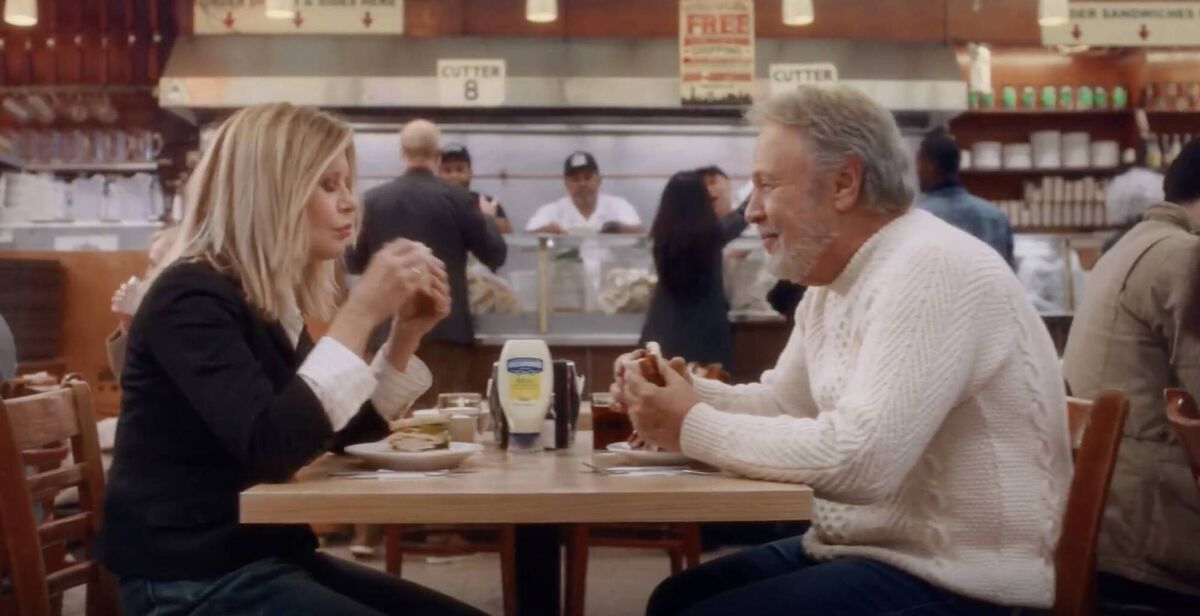
Think When Sally Met Hellmannâs â the current mayonnaise advert rebooting the famous Harry Met Sally cafĂ© scene: âIâll have what sheâs having.â.Â

Or the McDonalds âside missionâ advert featuring the retro digital style of the infant internet â because the internet is now old enough to be nostalgified.Â
Graydon Carterâs post- Vanity Fair online magazine, Air Mail, is elegantly styled to resemble those vintage red and blue foldable airmail letters.
And Gen Z, frazzled from being online since birth, are fetishising 90s analogue tech in a search for authenticity and to escape digital brain-fry.Â
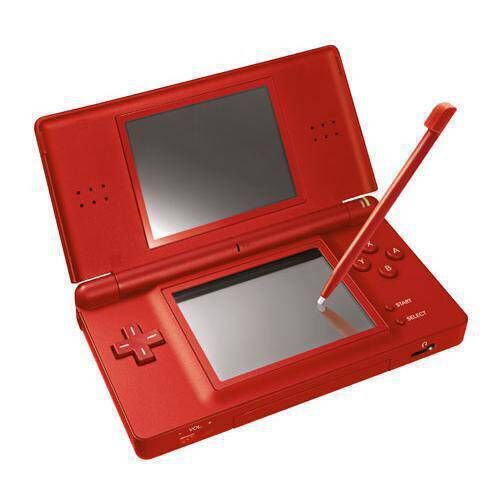
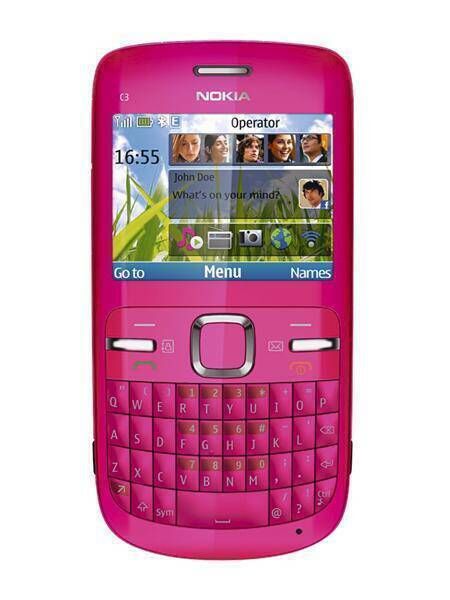
Flip phones, Polaroid cameras, tape decks, vinyl, from an era where âscreen timeâ meant moderate doses of MTV or Nintendo.Â

Gen X fondly remember 90s rave culture as an era where nobody was curating their feed every second of their waking existence, or uploading content, or tagging anyone â we were just sweaty on the dancefloor or the beach or field, saucer-eyed and in the moment.

This was a moment which lasted a decade, and is now looked back upon with the same pangs of nostalgia as old hippies look back on the Sixties â not just by those of us who were there, but by our tech-addled kids. The 90s were an analogue sweet spot before the fun-sapping self-consciousness of digital life set in.Â
Back then, nobody was blocking your view at a gig with their phone, or standing in front of the DJ booth filming instead of dancing.
Away from raves, the Beckhams recently celebrated their 25th wedding anniversary in the same purple outfits they wore in 1999, when they were at the height of their powers and plastered all over OK! magazine.Â
Theyâre a nostalgia brand now, representing memories of (relative) prosperity and certainty. The Royal Family exists purely thanks to British nostalgia, a cultural comfort blanket existing solely to embody a sense of exceptionalism; hence the rage at Prince Harry when he dared rip a hole in it.
Fashion has always been notoriously nostalgic, given how there are only so many variations on how to dress the human form; fashion repeats itself in endless cycles, reselling us the 80s, the 90s, the Noughties, zhuzhed a bit differently.Â
Dior is sending those Jâadore Dior T-shirts down its runway again, last seen in 2001 when Galliano was at the helm; Alexander McQueenâs skull scarf from the mid-2000s has also made a comeback, as has Chloeâs Paddington bag.Â
High street fashion â for people who donât want to spend a grand on a T-shirt â is having a playful Y2K neon moment, with lots of metallic and pleather, reminiscent of two dominant 90s themes â bright baggy rave clothes and the sci-fi feel of the oncoming Millennium.
Which all sounds lovely. Harmless and comforting, right? Not always, though.Â
RETROMANIA
Nostalgia can be harnessed for malign purposes â itâs not always a merry trip down memory lane.Â
Nostalgia is what fuelled the MAGA movement and Brexit with such unexpected success, harnessing a false harking back to an imaginary golden era that never was, while inflaming a sense of grievance in voters about the present. It worked.
Retrospective idealisation and euphoric recall of a fictional past are the building blocks of fascism, along with weaponised othering; populist grifters urge us to remember when things were great before all the [insert scapegoat] came along and ruined it.Â
This strain of nostalgia â conservative and sentimental â is what got Trump and Brexit over the line.Â
Historian Robert Saunders, referred to the mindset of the Brexit Leave vote as âa psychological disorder: a pathology to be diagnosed, rather than an argument with which to engageâ.
So what is it exactly, nostalgia? An emotion? A behaviour? A reflex? A 2020 US study published in Frontiers in Psychology describes nostalgia as âa sentimental longing for the past [and] a common, universal and highly social emotional experience. Nostalgic reverie is centred around the self, important social connections, and personally meaningful life eventsâ. Yet the study suggests, somewhat counterintuitively, that nostalgia can also involve the future: âBy definition, nostalgia is a past-focused affective experience. A growing body of evidence, however, documents the future-oriented nature of nostalgia. Specifically, people can reference their nostalgic past to remind themselves what it felt like to be young and loved, which in turn promotes future-oriented behaviour, such as physically caring for oneself, connecting with others, and pursuing goals.â
It wasnât always so well-regarded. Once upon a time, nostalgia was thought of as an illness.Â
First coined in 1688 by a Swiss doctor, Johannes Hofer, it comes from the Greek nostos (homecoming) and algos (pain), and was considered a pathology that could cause sleep disturbance, lethargy, and depression. Apparently, it could even kill you.
Medical historian Agnes Arnold-Forster, in her book Nostalgia: A History Of A Dangerous Emotion, writes how âSufferers also experienced physical symptoms â heart palpitations, open sores, and confusion. For some, the illness proved fatal â its victims refused food and slowly starved to death.âÂ
She describes how a Parisian man facing eviction during the 1830s took to his bed and starved himself to death at the prospect of losing his beloved home. Official cause of death? Nostalgia.Â
Even when, during the 20th century, the medical world stopped regarding nostalgia as a physical condition, it transformed instead into a psychological one, a kind of hybrid of neurosis and reality-avoidance, something that required treatment by psychoanalysis.
âIt wasnât until the 1970s that these views softened,â writes Dr Arnold-Forster. âToday, psychologists believe nostalgia is a near-universal, fundamentally positive emotion â a powerful psychological resource that provides people with a variety of benefits.
âIt can boost self-esteem, increase meaning in life, foster a sense of social connectedness, encourage people to seek help and support for their problems, improve mental health and attenuate loneliness, boredom, stress or anxiety. Nostalgia is even now used as an intervention to maintain and improve memory among older adults, enrich psychological health and ameliorate depression.â
Nostalgia is used in the treatment of dementia in the form of reminiscence therapy â it can bring comfort to patients whose short-term cognitive function is compromised, but who can remember the olden days when their memory is stimulated by catalysts from their youth. Music is especially effective, as are photographs.
Even if youâre a hard-nosed nostalgia sceptic, associating it with cultural laziness, with clinging to safe ground, looking backwards instead of forwards, prioritising sensations of comfort over the scary thrill of new stuff, sometimes nostalgia can ambush you most unexpectedly, triggering a cascade of memory sensations you didnât even know your brain was storing.
I experienced this recently at the small, fascinating Museum of Brands in Londonâs Notting Hill â the billboard outside had promised â10,000 memoriesâ, which seemed unlikely yet turned out to be barely an exaggeration. A tidal wave of sensory nostalgia all but knocked me off my feet.
Sweets from the 1970s and 1980s â thousands of them, displayed in glass cases. Weekend, Iced Caramels, Black Magic â all genuinely horrible confectionery Iâd forgotten ever existed â created a feeling of pure delight as I peered at all the familiar but long-gone items of my childhood. Toys and comics Iâd forgotten, yet remembered with crystal clarity when I saw them again fifty years on.
I was not alone. The small museum was filled with audible âooohsâ and âaaaahsâ as people recognised stuff from their own childhoods. We were sloshing about in nostalgia, bathing in it, as it cocooned us, warm and comforting as amniotic fluid. The outside world suddenly seemed very far away.