Author interview: Finding new life among the hidden worlds at the ‘Ends of the Earth’

Paleontologist and evolutionary biologist at University of Chicago Neil Shubin explains how Antarctica is a continent of deep wonder and concern in equal measures, as climate change continues to make an impact on water levels. Picture: Frederick M Brown/Getty
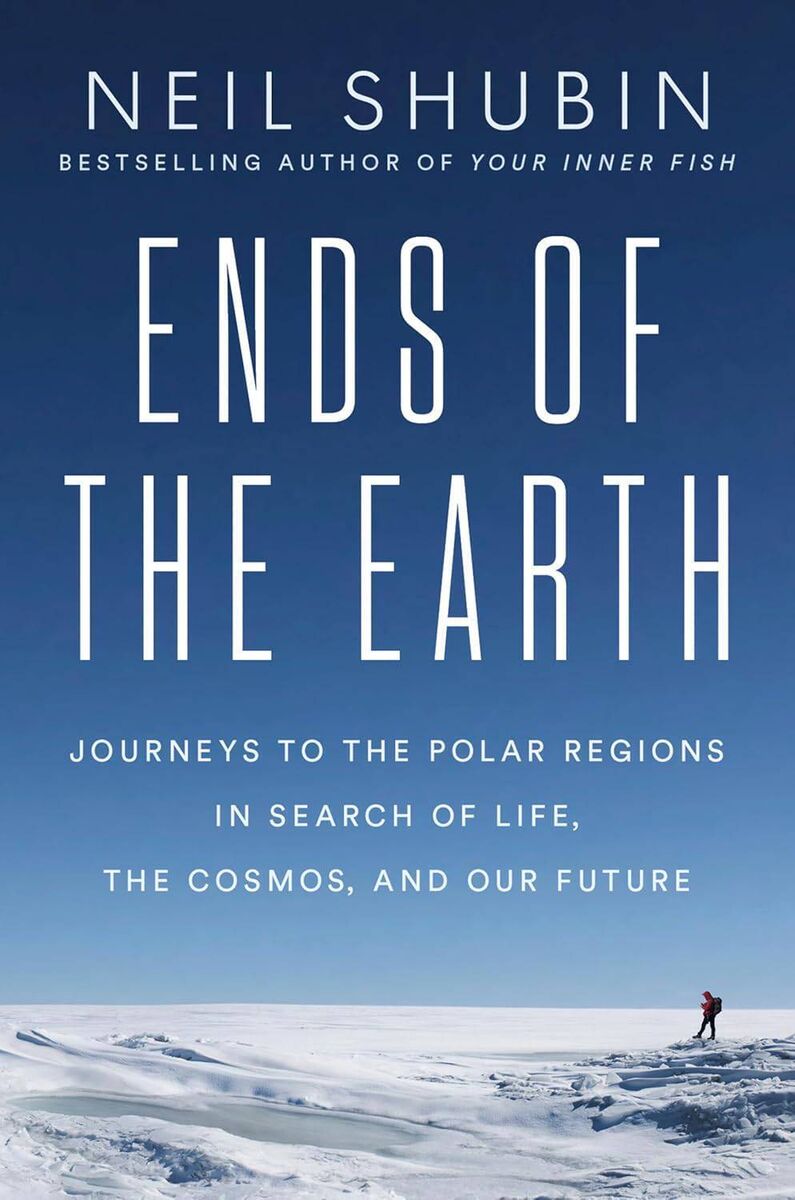
- Ends of the Earth: Journeys to the Polar Regions in Search of Life, the Cosmos, and our Future
- Neil Shubin
- Oneworld, €21.99
During the late 1960s, John H Mercer set out on an epic adventure: To map the sequence of rock formations in Reedy Glacier, in West Antarctica.
“Three decades ago in Antarctica, we were losing, say, 80 gigatons of ice per year. But now we are losing about 280 gigatons per year.”
Shubin’s book examines how moving ice shapes the world. He notes, for instance, that polar regions encompass 8% of the total surface of the Earth and that almost 70% of all the planet’s fresh water is frozen in ice.
Closer to home, however, there are more urgent matters to be concerned about, Shubin warns.
“Antarctica and the Arctic are warming, and polar treaties are straining as fast as ice melts and species disappear.
“Our fragile window for understanding the cosmos, the planet, and ourselves is closing, so we need to act now.”