Book review: Revealing the dangers and thrill of polar exploration leaves a deadly chill
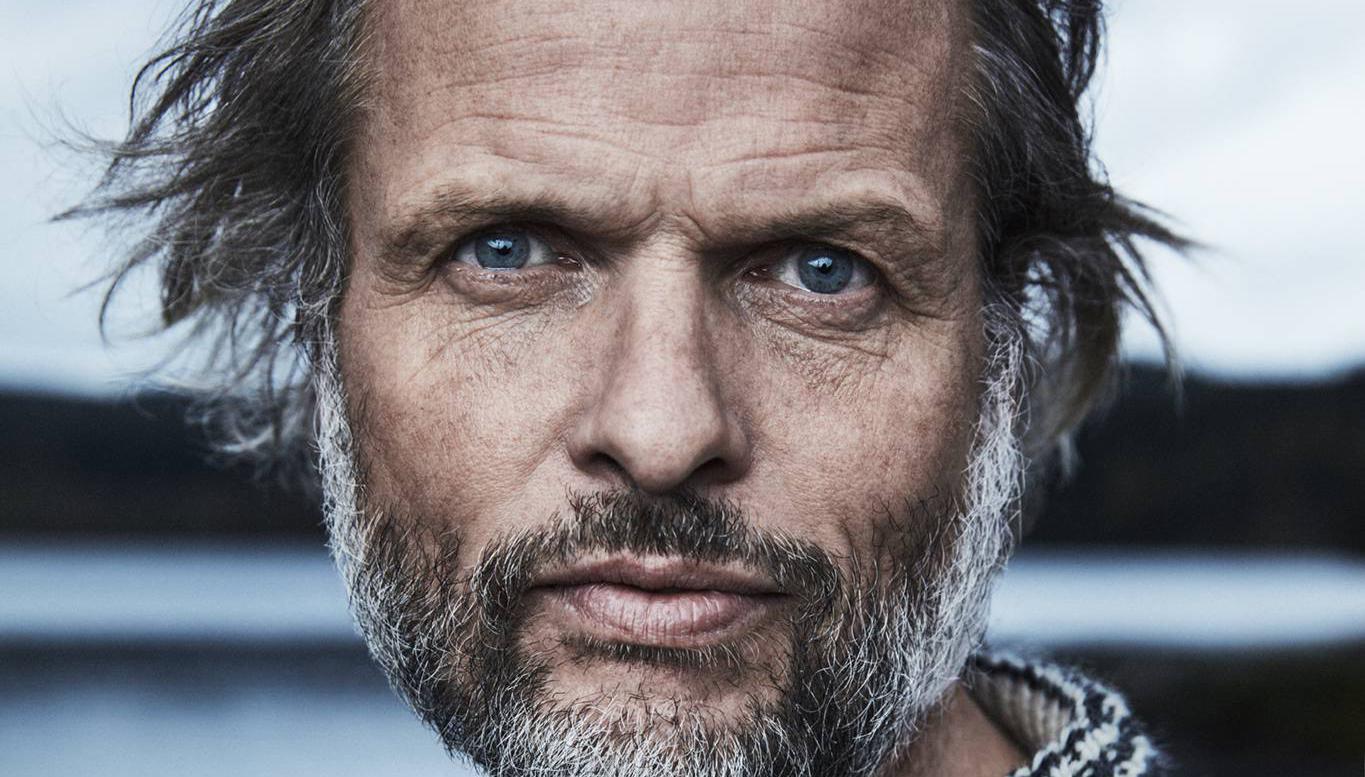
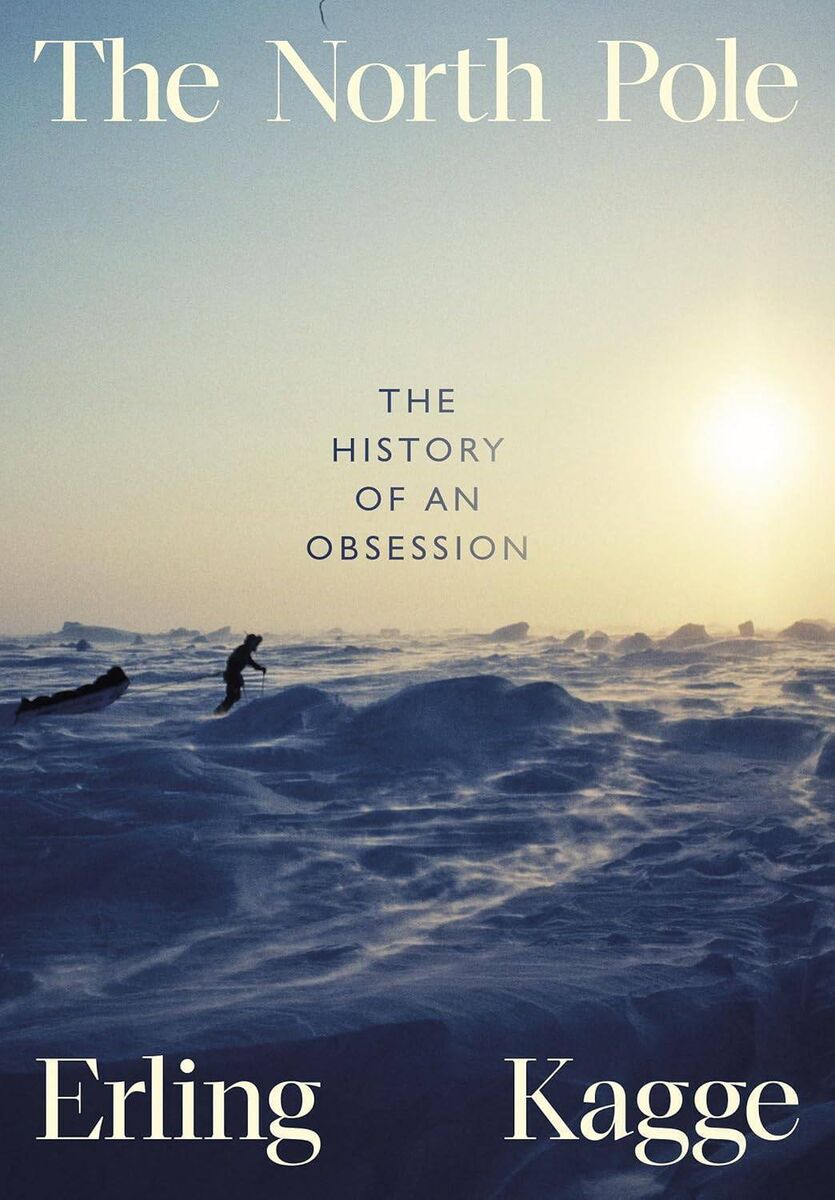
Erling Kagge’s book, 'The North Pole: The History Of An Obsession', captures the atmosphere of Polar exploration perfectly
Book review: Revealing the dangers and thrill of polar exploration leaves a deadly chill

Erling Kagge expertly unravels what makes North Pole explorers, like himself, tick. Picture: Simon Skreddernes

  • The North Pole: The History Of An Obsession 
  • Erling Kagge 
  • Viking, £22.00

The sensation of cold and howling winds are evoked in the reader’s mind by many books on Polar exploration where a landscape of blue/grey ice and bright white snow are imagined. Sometimes the reader can even feel a chill in their bones.
Such imagined sounds and feelings are one of the reasons why Polar exploration books have always been so popular.

Polar exploration, specifically North Pole exploration, is the subject of Erling Kagge’s book, The North Pole: The History Of An Obsession

Kagge’s book captures the atmosphere of Polar exploration perfectly.

Kagge has been to the North Pole. On May 4, 1990, he and Borge Ousland became the first people to reach the Pole on skis, the first to achieve the feat without dogs, without depots, and without motorised aids.

This book however, is not an account of his 1990 journey. 

Kagge looks back of the history of the North Pole exploration and cleverly interweaves his own experiences in order to help the reader to understand how and why so many attempts ended in failure and tragedy.

Kagge points out that there is a significant difference between the North and South Poles. 

Easier to reach the South Pole

He says that it was “easier to reach the South Pole because effectively you are on a glacier, expeditions [generally] took place in summer and there are no dangerous animals”. 

The North Pole on the other hand, consists of ice that moves and melts, sometimes without warning.

Speculation that a North Pole may exist goes back thousands of years when not everyone believed that the earth was flat. 

By 190BC, Eratosthenes, a Greek polymath, estimated that the earth was between 40,052km and 45,900km in circumference (40,072km is correct). 

One misnomer that continued into the 1880s however, was that there was an oasis of calm and water at the top of the world.

Kagge examines many of the expeditions from the 1600s that attempted to find the North Pole.

In the 19th-century, book and newspaper owners realised that there was an insatiable appetite among peoples for reading about the suffering and conditions of Polar explorers.

Soon these publishing barons were themselves sponsoring expeditions to the North and South Poles in return for the exclusive rights to publish their stories.

Success of the mission was never the publishers main criteria; it was the pain and suffering of the explorers, and their crews, as they strived to be the first humans to reach the northern or southern Poles of our world.

The North Pole was eventually reached in the 20th century. 

It may have been reached by Robert Peary or by Frederick Cook in 1909. Both claimed to have done so, but neither could produce absolute proof.

Roald Amundsen, who reached the South Pole, may have also reached the North Pole but again, the proof is unsubstantiated.

The first undisputed journey to the North Pole occurred as recently as 1968, when Ralph Plaisted got there on a snowmobile. 

He summed up the achievement saying his plan was to “think ahead, travel light and leave your fears behind”.

Many of his predecessors failed to note at least one of those three points and died.

This book’s real strength is the examination of what motivates an Arctic explorer. 

When the philosopher and polar explorer Peter Wessel Zapffe asked Roald Amundsen what he felt when he stood at the South Pole, Amundsen stared at him for a long time and said nothing. 

This led Zapffe to believe that once an explorer reaches the North or South Pole, or whatever his goal is, every step after that is literally and philosophically, a step backwards.

Whether achieving a lifetime ambition is a step backward or not, Erling Kagge reminds us that very often, it is the chase and not the kill that is the real spice of life.

x

BOOKS & MORE

Check out our Books Hub where you will find the latest news, reviews, features, opinions and analysis on all things books from the Irish Examiner's team of specialist writers, columnists and contributors.


More in this section

Scene & Heard

Newsletter

Music, film art, culture, books and more from Munster and beyond.......curated weekly by the Irish Examiner Arts Editor.

Cookie Policy Privacy Policy Brand Safety FAQ Help Contact Us Terms and Conditions

© Examiner Echo Group Limited