'The key is viral reels': Three Irish comedians on trying to make it in the digital age
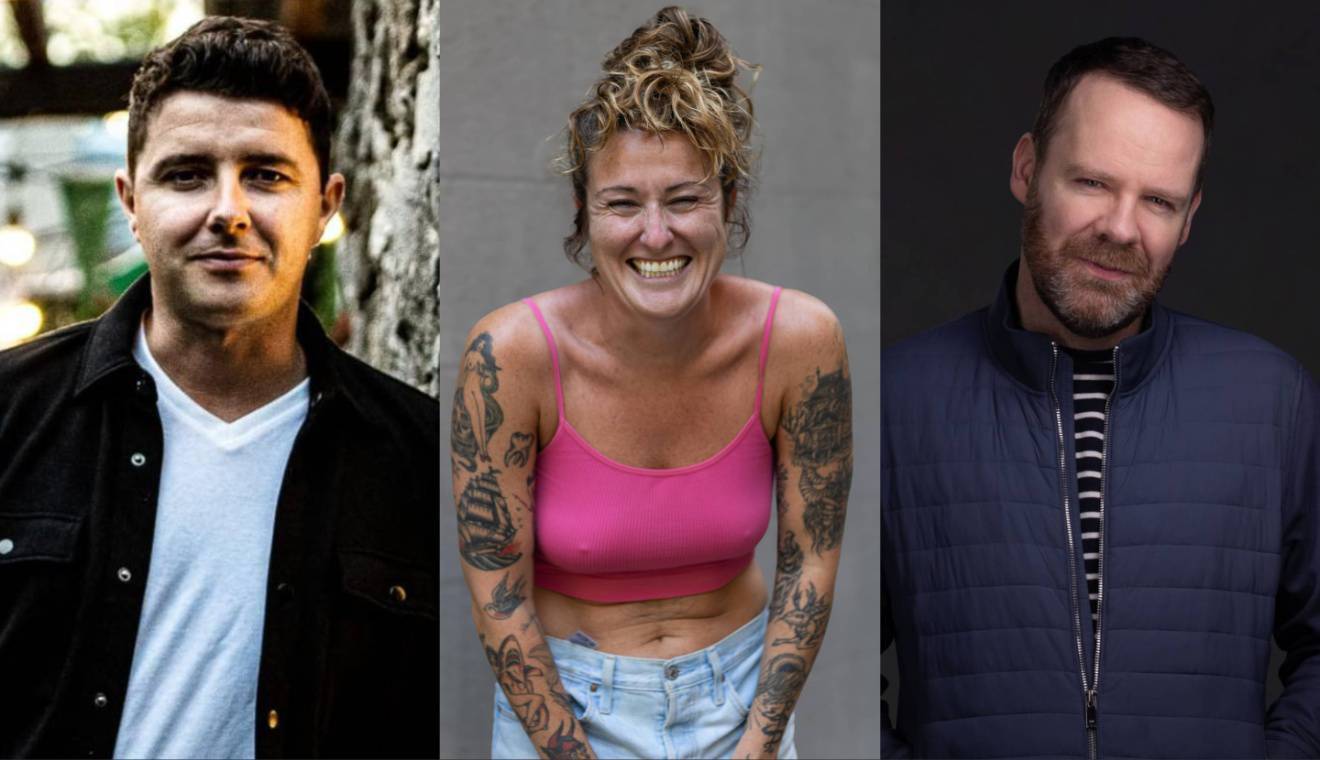
L-R: Bernard Casey, Kyla Cobbler, Neil Delamere
Neil Delamere began doing stand-up on the Irish circuit in the early Noughties. He learnt early on – from advice by the American comic Rich Hall – that it would take a decade to properly hone his craft: “You will figure this out when you have been doing it for 10 years – then talk to me.”
While Delamere improved his stage routine, he also worked on growing his profile. “The old-fashioned way was to get on television and radio,” he says. “In Ireland there were a lot of TV shows and they were big – Naked Camera; Des Bishop’s Joy in the Hood; The Panel; Republic of Telly. It was a golden era. Your aim was to get on those. Once you did, you were sorted in terms of your touring show. You could go from selling no tickets to selling lots of tickets relatively quickly.
“There are still a few massive shows like Live at the Apollo and Celebrity Chase. If you’re on one of those shows, you will immediately see your website ticket sales rocket, but there's fewer of those [big impact] shows now because everybody's consuming everything online.”
When Delamere started out, DVDs were a big income source for comics. “You got paid for your content. Whereas now, if you want to build an audience through online stuff, you have to give it away for free. The good news is that live acts get it on the back-end because people go and see your show. It’s a loss-leader situation like with, say, petrol stations – maybe they used to make money off petrol, now they don't make money on petrol, but they make money on sweets.”
Cork comedian Kyla Cobbler uses her considerable social media following to drive traffic to her stand-up shows in Ireland, the UK and continental Europe. Her following on Instagram, for example, has mushroomed over the last year, growing from 100,000 last May to over 250,000 (and counting), which compares favourably with peers such as Patrick Kielty (115,000) who enjoys an established presence on television.
“The key is viral reels,” says Cobbler. “Volume doesn’t work. Only viral reels cause a spike in following. I did two while in South Africa recently, and I got 40,000 new followers because they went viral. One reel was about the supermarket Woolworths in Cape Town. It was so silly, like: ‘I know South Africa is gorgeous – Lion’s Head mountain, the sea, et cetera – but the true beauty is found in Woolies.’ It was messing, but everyone lost their shit. Then I did another one about how they pronounce the word ‘as well’, because they say it separately. That went viral, and they invited me on one of their big radio morning shows as a result.”

Cobbler says it’s much easier to grow an Instagram following when you’ve built it up to higher numbers. “You just have to catch a good reel and keep feeding the algorithm. It’s a monster. I've grown it organically. Now it's thriving. It's very easy now at 250K followers, but at the beginning I was absolutely cringing when I first posted material. I try to be myself. I’ll talk about my period. I try to be super open and honest because it’s a world full of superficial, rotting glitter.”
Sometimes a simple gimmick can make the difference. Bernard Casey has close to a million YouTube views for one of his video clips about a French oral exam. The Kerry comedian noticed a jump in his following when he decided to put in a set of gummy false teeth for a “local gossip” character he used in online sketches. It was the May bank holiday weekend in 2018. He didn’t know how it would be received. His fiancée, Laura, encouraged him to post it despite his reservations.
“She said I had to post it,” says Casey. “I was like, ‘Laura, they’re going to think I'm insane going around with false teeth in my head. It’s a bit out there.’ She insisted. I posted it. It got a massive reaction. I made two or three more videos straight away. It went from there.
“I did a show in July 2018 in Skibbereen and it was the first time I ever went to a show where the audience was there before me. Usually, the doors open at, say, 8pm. The show starts at 8.30pm. I was there at 8:20pm thinking we’ll be pushing it out to 8:50pm or nine o'clock, ‘Irish time’. But everyone was there, sitting and waiting. It was insane. The room was packed. I knew then that the teeth were a winner.”
A big shift for comedians over the last 20 years is the time they now must devote to marketing themselves – so much of their working day can be eaten up by trying to sell their wares, making video content to drive traffic to their shows, instead of writing jokes. The upside, however, is that access nowadays through the gates into the comedy kingdom is easier.
“It’s more democratic now,” says Delamere. “The gatekeepers are largely gone. Yes, the marketplace is more crowded, but you don't need a man in a grey suit – and the commissioning editor, the booking agent was always a man in a grey suit – going, ‘Mmh, I like him. I don't like her.’ You go direct. If people like it, they like it.
“I was talking recently to TV producers in London and they were saying it’s tough getting TV shows made. Whereas the good thing about stand-up is there’s another route to market. If you're an actor, you need somebody to commission your TV show whereas if you’re a stand-up, you can cut clips up and post them online, and the clip is close to what you're going to do on stage. It’s a true reflection: ‘This is what I do. You can see what this is going to be like, so come and see me'.”
Bernard Casey is touring his show Cute Hoorism around Ireland, including De Barra’s in Clonakilty (May 23). You can follow Kyla Cobbler on Instagram @kylacobblercomedy. Neil Delamere is on a nationwide tour, including Cork’s Everyman Theatre (March 28-29). See: www.neildelamere.com.
Matt Rife, 29, was the second-highest grossing touring comedian in the world last year. His comedy career took off in the summer of 2022. Rife’s success is based on crowd work material – clipping banter from his live shows and posting it online to help grow his social media profile. He now has a TikTok following close to 20 million. His recent Netflix special, Lucid, was cobbled together entirely from crowd work material.
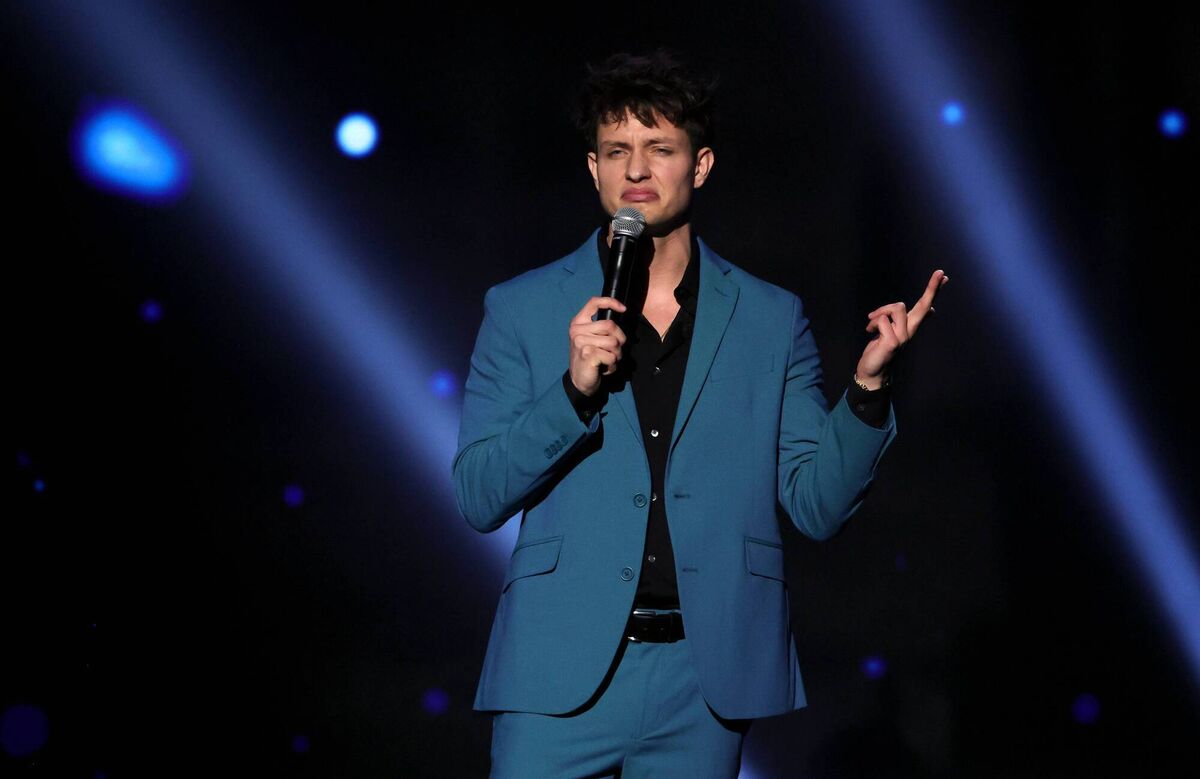
The advantage of crowd work clips is that comics don’t have to give away their written material, jokes they’ve slaved over in the creation, for free. Instead crowd work clips spring from off-the-cuff bantering with the audience. They’re disposable. Also they don’t require context so they lend themselves easily to short, digestible video content that can be fruitfully posted online. Some comics have begun touring with film crews and audience mics, the better to capture them.
Crowd work is not to everyone’s tastes, however, particularly some traditional comics who prize the art of writing jokes and carefully scripting a full show. Rife’s fellow American comedian Marc Maron, for instance, describes Rife as the “IT boy of shitty comedy”, but so far Rife’s strategy has hit pay dirt.