Culture That Made Me: Eimear McBride picks her favourite books, fellow-authors, and stage shows
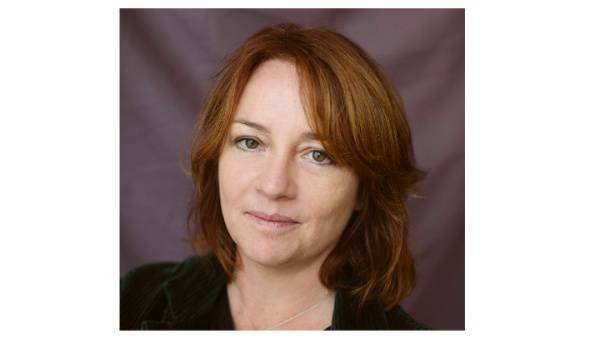
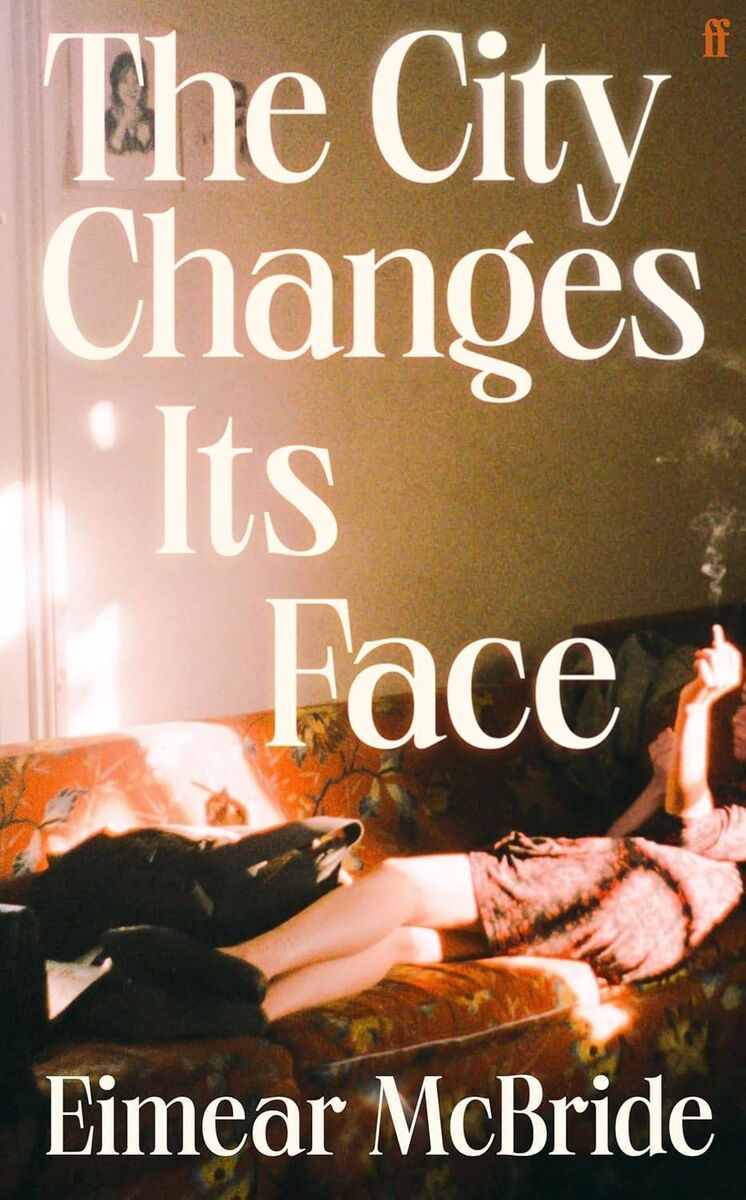
Eimear McBride recently published The City Changes Its Face.
Eimear McBride, 48, was born in Liverpool to Irish parents, but spent her childhood in Sligo and Mayo. In 2013, she published her debut novel A Girl Is a Half-formed Thing which won several Irish and international literary awards. She lived in Cork while writing her second novel, The Lesser Bohemians, which won the prestigious James Tait Black Memorial Prize in 2016. Her latest novel, The City Changes Its Face, is published by Faber & Faber.
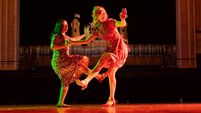
On My husband [William Galinsky]ran the Midsummer Festival in Cork for four years. I remember Jérôme Bel, a French choreographer, made a show at the Opera House in 2010 called The Show Must Go On. It nearly caused a riot. It was an extraordinary experience. It was set to David Bowie's 'Let’s Dance'. He had dancers standing on stage following the instructions of Let's Dance. When he wasn’t saying anything, they just stood there. People started to get angry, shouting at the stage: “What's going on?! We’re here to see a show! Do stuff!” It got very wild. It was a real provocation.
I read Anne of Green Gables by Lucy Maud Montgomery at maybe eight or nine. It’s set in late nineteenth century Prince Edward Island in Canada. I was given it around the time my father died. It's a novel about a girl who's an orphan seeking comfort in the world of imagination, literature and poetry. She's terribly romantic. She reminded me of myself at that point in my life. It's probably why I’ve dyed my hair red all my life – extreme fandom!
I read Edna O’Brien’s The Country Girls aged 13 at the Gaeltacht. It felt like my own childhood – she grew up in Clare; I was growing up in rural Sligo. The Ireland of the 1940s or early ’50s she described didn't feel very different 40 years later. I'd never heard anyone speak about Irish women’s lives, with that feeling, the sense of their importance and meaning. And also sex, of course. Very exciting when you're 13. You want to know as much as you can at that age. The Country Girls seemed filled with sex. When you look at it now it's incredibly tame, but at that time, it seemed racy.
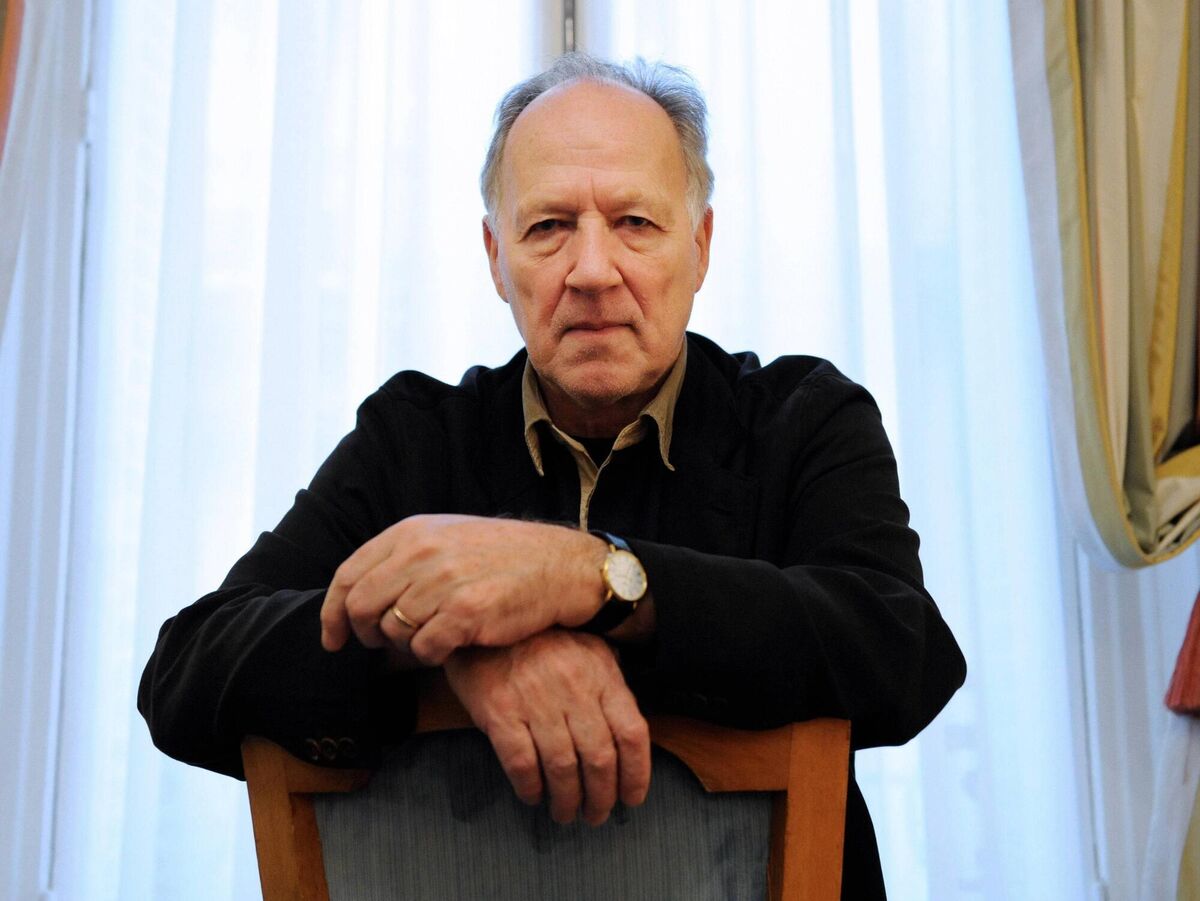
I love Werner Herzog. His 1971 documentary The Land of Silence and Darkness is extraordinary. It’s about blind and deaf people, some born blind and deaf, and some who have lost one sense or another throughout their lives. As always with Herzog, it's not the expected kind of sentimental story. It's about what’s required to teach you morality and to live inside the world of people who experience the world in a different way. He's wonderful at that. He’s uninterested in bullshit. He always asks the question you think, oh, God, how could you say that to someone? He never does things to attack. He does it because he's interested. That interest justifies a lot of things.
In my later teens, I got interested in Russian literature. I was a pompous, artsy teenager, so I started reading Dostoevsky ostentatiously so everyone could see me reading Dostoevsky. Luckily, Dostoyevsky can withstand pretentious teenagers. He made an impact; he opened up a world of thought to me. His writing dealt with humanity’s dark parts – the drives, addictions, influences, fears, things underneath that make us who we are. Those are important things to think about in your teens, when you're starting to realise you make the person you become, that you’re not just the thing your parents tell you to be.
James Joyce changed my life. I wouldn't have become the writer I am without his influence. Ulysses contains all of the world. It’s a book about what it is to be human and how to live in the world. It's a book about history, about time. There's no direction you can look that Joyce doesn’t have something to say about it. Also, it’s funny and smutty. For all the smart-alecky games he plays for academics, he's also laughing at them. Those people in that era of Dublin life are still alive because of him. There's something extraordinary and also very loving about it. An unsentimental love courses throughout the book – of thought, humanity and Irishness. There isn't a better book.
The album I couldn't live without is the second Tindersticks album. They're an alternative rock band which started in the early ’90s. The writing on the album is about being a person.
Stuart Staples, the lead singer, has a beautiful gravelly voice. He writes beautifully and plaintively about love and vulnerability. I remember seeing them in Cork when they played the Opera House, and I’m going to see them on St Patrick’s Day at the Royal Albert Hall.
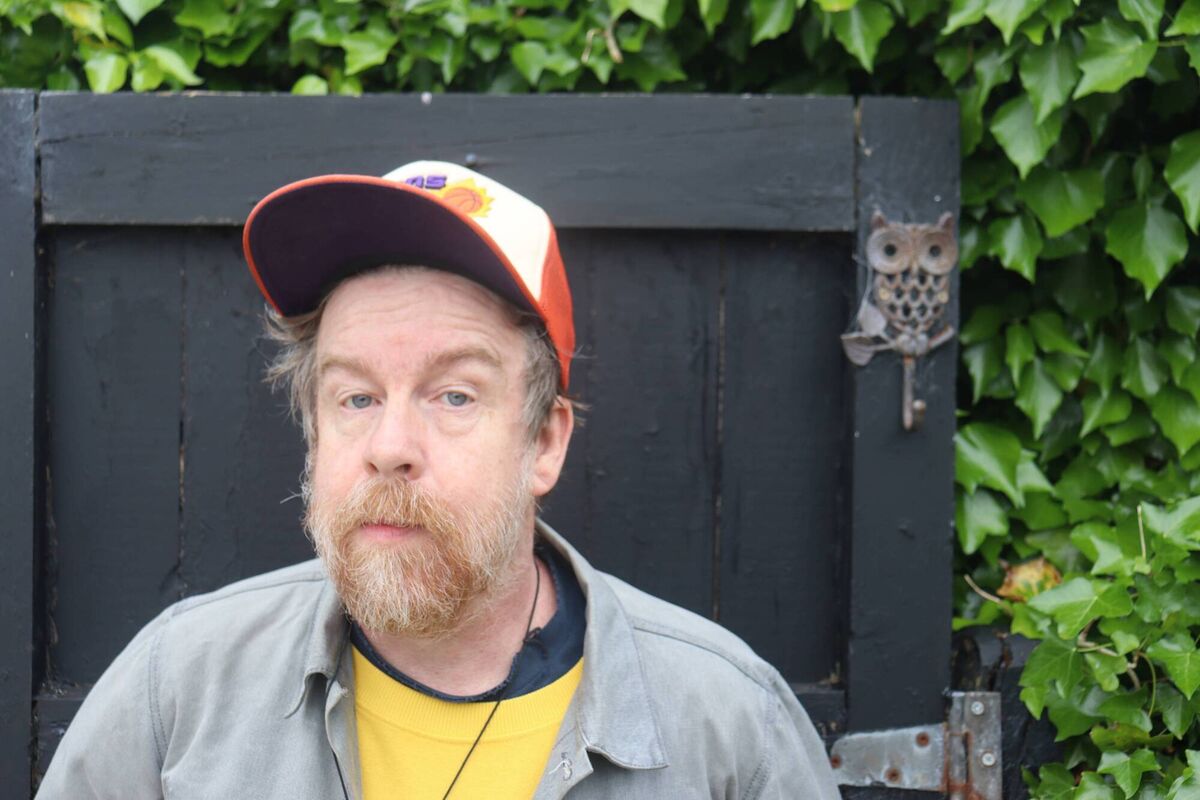
Kevin Barry is one of the great contemporary short story writers. He’s smart. He has an eye for character. It’s what I love about his writing. It has a theatrical quality. Reading his stories is almost like watching a fantastic, concise piece of theatre. He’s interested in people and their foibles. Also they’re eternal in a way. They sit in a specific time and place, but they also sit outside of time. They’ll last because they're not preoccupied with the zeitgeist; they're preoccupied with the mechanisms of human beings.
One of the best stage productions I've seen was The Divine Comedy in three parts at the Avignon Theatre Festival in 2008. It was by an Italian theatre director called Romeo Castellucci. It was his adaptation of Dante’s classic. It was highly imaginative and intuitive. It was played inside an old cathedral. They had demons climbing the theatre walls and dogs attacking people on stage and TVs thrown off rooftops. It was thrilling, something I’ll never forget. It's stamped inside my mind, as a symbol of what theatre can achieve way beyond the confines of realism.
When I first moved to London, I remember going to the National Theatre and seeing a production of Tom Stoppard’s Rosencrantz and Guildenstern are Dead with Simon Russell Beale in it. It was entirely text-based theatre, all about the humour and sophistication of language and performance. It was back in 1996. I’ve never forgotten it.
The playwright Sarah Kane was the big star of London’s Royal Court Theatre in the 1990s. Several years later I saw a production of Crave at a little theatre in London. I’d started writing A Girl Is a Half-formed Thing. The production was visceral, shocking, brutal and unapologetically hardcore. It opened my mind to the self-censorship I’d been inflicting upon myself, where I thought women had to write in certain ways or couldn’t allow brutality or unpleasantness, the difficult things of life to be expressed brutally and unpleasantly, that literature had to be nice, beautiful and acceptable and intellectual rather than physical. Sarah Kane blew all of that away. It changed how I approached my writing, allowing me the freedom to let the book be what it needed to be, which was unforgiving.