Film reviews: Angelina Jolie is perfectly cast as an opera icon in Maria
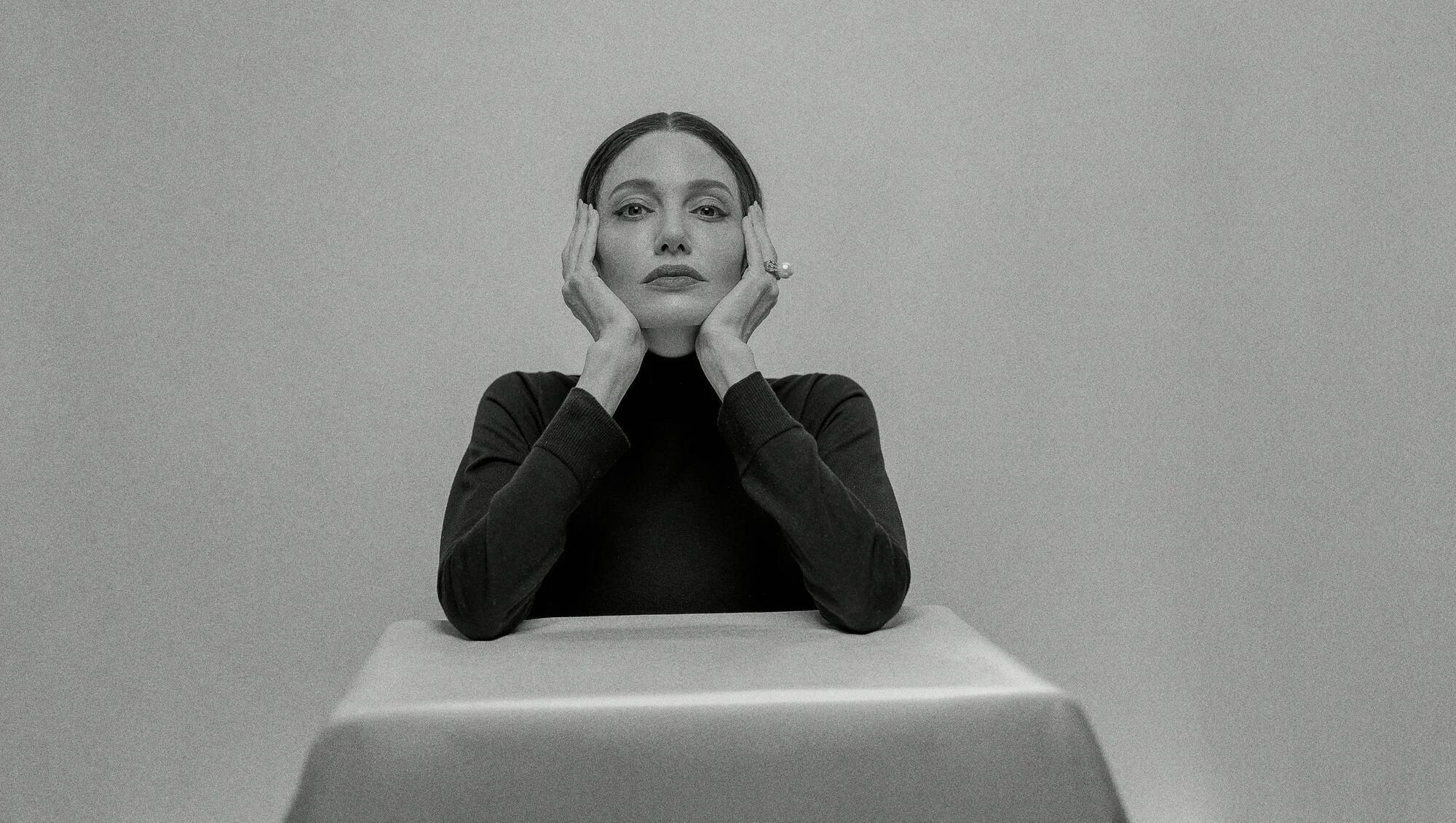
Angelina Jolie in Maria (2024). Photo by Pablo Larraín/Netflix
- Maria
- ★★★★☆
- In cinemas
“What is real and not real is my business,’ announces Maria Callas (Angelina Jolie), and really, who are we to argue? Maria (12A), a biopic of one of the greatest sopranos in the history of opera, opens in 1977 with ‘the Divine One’ living a semi-solitary life in the company of her devoted butler Ferrucio (Pierfranceso Favino) and housekeeper Bruna (Alba Rohrwacher) as she rattles around her vast Parisian apartment.
Self-medicating with pills, her powers long since diminished, the aging Maria embarks on an imagined interview with ‘Mandrax’ (Kodi Smit-McPhee), during which she waxes lyrical about her many triumphs.
These we see in flashbacks to her great performances, which are lavishly recreated by director Pablo Larraín, when we hear the majestic purity and power of that inimitable voice.
Alas, we also hear Maria singing for Bruna, and the contrast is harsh. A woman of vivid imagination she might be, but Maria cannot deceive her own ear; she hangs suspended between the pain of singing and the agony of not being able to sing.
Larraín has previously directed Spencer (Lady Diana), and Jackie (Jacqueline Kennedy), and Maria is the third in a loose triptych about complex women obliged to live their tragedies in public.
The film is a gorgeous, rich tapestry of public acclaim and private pain, with Maria still mourning the loss of ‘the little ugly guy’, Aristotle Onassis (Haluk Bilginer), who was the great love of her life.
Angelina Jolie is perfectly cast as the aloof, austere, and elegantly brittle Maria, whose latter years are a one-woman regal procession through the fabulous memories that haunt her like so many ghosts.
Stately, beautifully filmed and featuring many of Callas’s finest arias, Maria is a sumptuous affair.

- A Real Pain
- ★★★★☆
- In cinemas
A Real Pain (15A) stars Jesse Eisenberg and Kieran Culkin as two American cousins, David and Benji, who decide to honour the memory of their recently deceased grandmother by travelling to the village of her birth in Poland.
Joining a heritage tour that details the experience of Poland’s Jews during the Holocaust, the non-observant pair quickly find their closeness during childhood has changed, and perhaps irrevocably.
Family man David is uptight, anxious, and professionally successful, while Benji has become a dope-smoking slacker, his laidback and chaotic personality as divisive as it is charming.
Their ‘Odd Couple’ schtick gradually gives way to more profound relationship, however, as writer-director Eisenberg takes us through the Jewish Ghetto in Warsaw and on to the Lublin/Majdanek death camp.
Culkin is superb here, as his Golden Globe award for Best Supporting Actor attests, while Eisenberg’s breezy direction and blackly comic script deliver a thoughtful exploration of grief, pain, and survivors’ guilt.

- Babygirl
- ★★★☆☆
- In cinemas
Babygirl (16s) opens with two orgasms, one public and one private, as Romy (Nicole Kidman) seeks to reassure her husband Jacob (Antonio Banderas) that all is well in the bedroom.
But when dissatisfied Romy, the ice-cool CEO of a company specialising in automation and a feminist heroine to her subordinate Esme (Sophie Wilde), meets the new intern Samuel (Harris Dickinson), who is half her age, her immediate instinct is to surrender her power to his brashly confident sexual aura.
Writer-director Halina Reijn emphasises the issue of consent as Romy and Samuel embark on a torrid affair, which proceeds on the basis of ‘giving and taking power’, but which largely consists of Romy submitting to Samuel’s ironic domination.
We are supposed to feel uncomfortable, of course, watching scenes that subvert the traditional relationship between employee and boss by flipping the ‘Fifty Shades’ gender dynamic, although it’s ominous, to say the least, that Romy is initially left breathless by Samuel’s instinctive control of an out-of-control dog.
The overall conceit is intriguingly challenging to received notions of conventional sexuality, certainly, but the relationship is ultimately unconvincing due to a lack of chemistry between the supposedly obsessed lovers.