Neurodivergence in Irish film and TV: Leaking talent due to ableism
Within the film, animation, and TV industry working conditions often do not support neurodivergent creatives. This is seriously damaging to individuals and to the sector at large. Eleanor Mc Sharry, an academic who used to work in film, wrote a paper on the topic earlier this year.
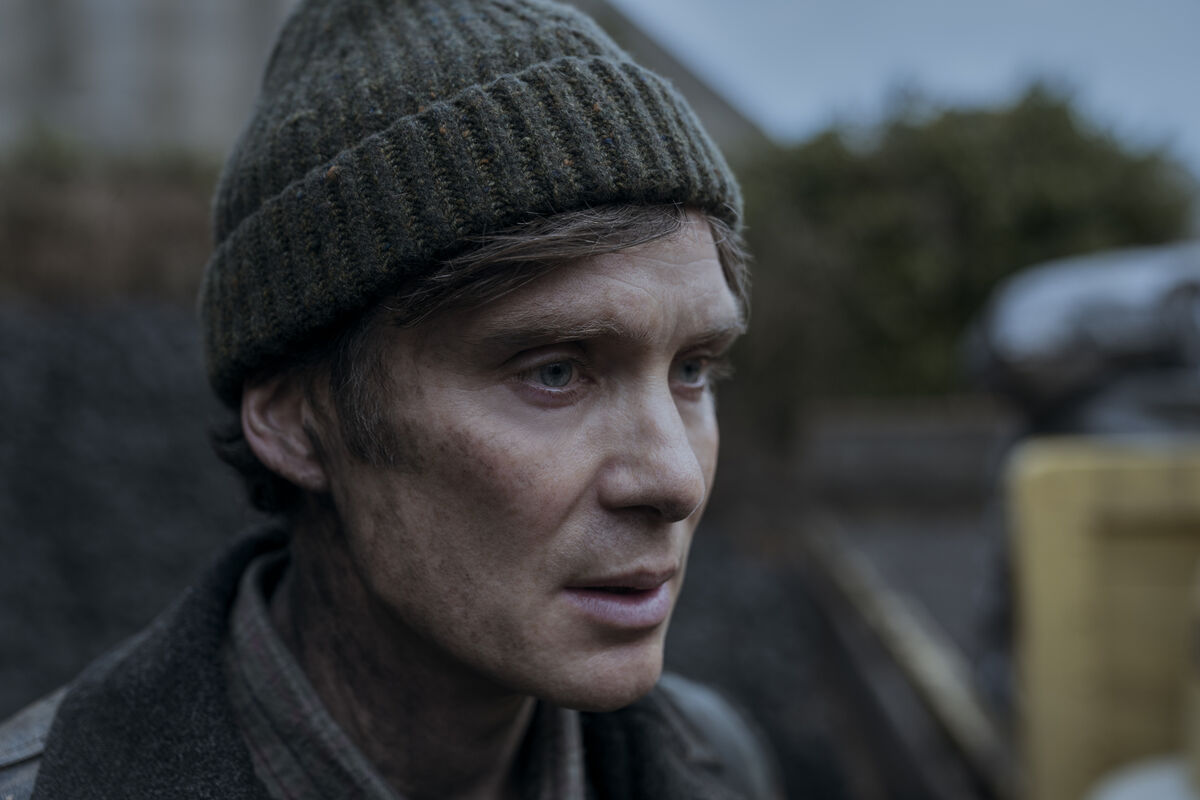
Was anyone else squirming in their seat? It was hard to tell in the dark. I glanced sideways. The cinema audience, transported back to 1980s Ireland, seemed transfixed. Small Things Like These evoked strong emotions. One line in the film could sum up a whole decade of societal repression: “If you want to get on in this life, there are things you have to ignore”.
Offscreen, Cillian Murphy — who plays the main character — is an ambassador and supporter of the Activating Social Empathy programme, which cultivates social and emotional learning among teenagers.
Adults in Ireland need to learn how to empathise too. Within the film, animation, and TV industry, working conditions often do not support neurodivergent creatives.
This is seriously damaging to individuals and to the sector at large.
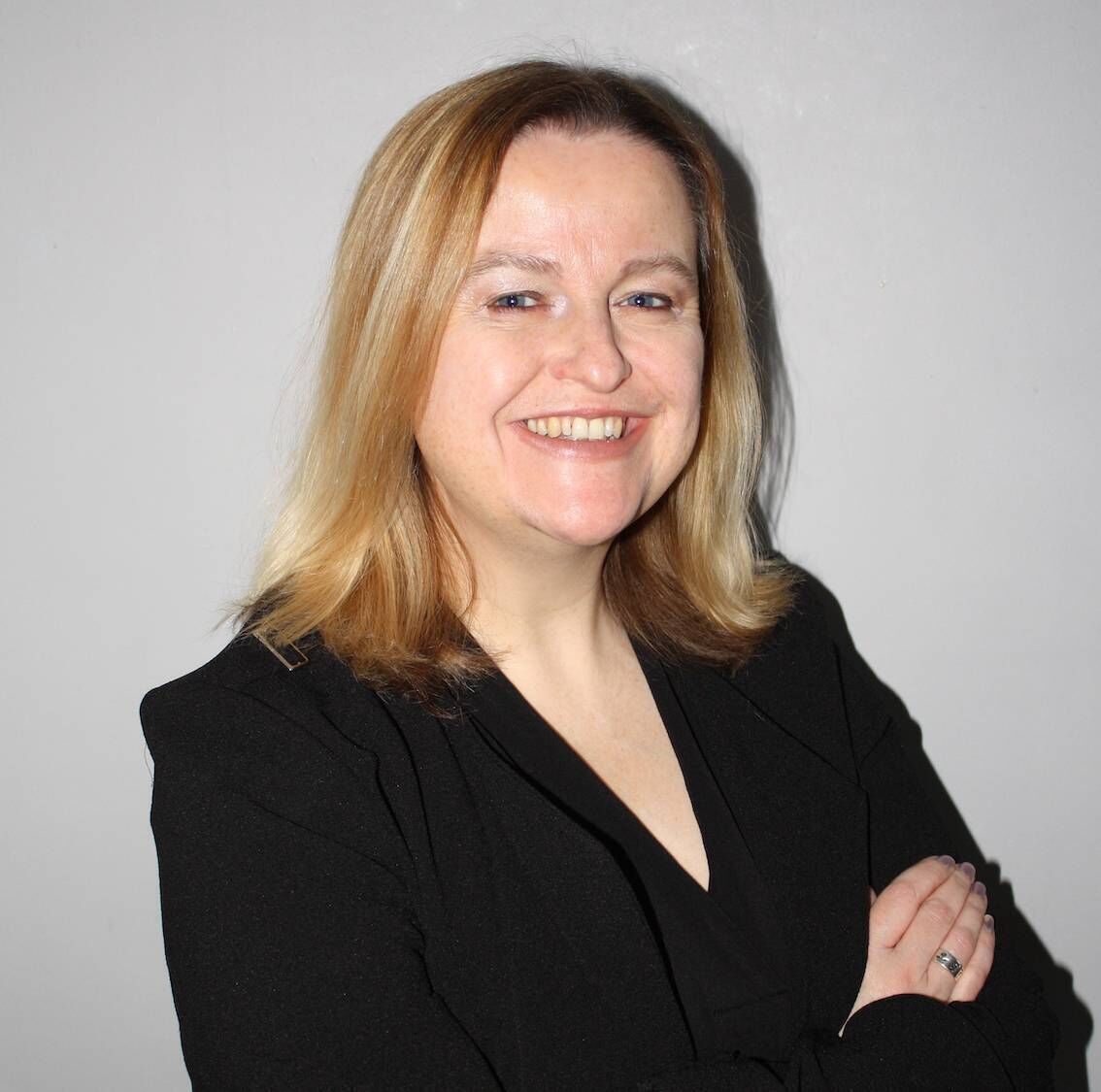
Eleanor McSherry, an academic who used to work in film, wrote a paper on the topic earlier this year.
The word “neurodiversity” includes ADD, ADHD, bipolar, dyspraxia, and other neurological conditions. An autistic brain processes sensory information differently to neurotypical brains.
Of the 12,000 people working in the film sector, many have disabilities. Yet, in a small poll of 1,000 people (separate to McSharry’s paper), 48% of neurodivergent respondents admitted that they hide that aspect of their personalities at work. Why is this, I ask Eleanor.
“I think autistic people are afraid to declare their differences in case they get fired or moved to ‘less challenging’ area” she replies. “If you have a good CV, you have proved you can do a job — a diagnosis does not change that. With the right support, we can all thrive in the creative industries.”
People need support for sure, and not everyone has an impressive CV.
Third-level education can help people to get started, but the education system as it is can be impossible for autistic people to endure.
Dubliner and film fan Clare McFee, 42, was diagnosed last year.
“I enjoy cinematic masterpieces like Interstellar, or movies that make me nostalgic for the ‘90s, like Empire Records. Movies that are neurodivergent-coded, like Dinner in America” she says. Clare tried to get a formal education in her 20s, but was forced to quit. “I found university too bright and loud,” she says.
For those who are interested in studying film, animation, photography, and design, Creative Pathways for All is a new free course specifically for mature students with intellectual disabilities (see www.adiarts.ie). Only 10 places were available when it launched, so hopefully the course will repeat and expand in future.
Eleanor’s son was diagnosed with ASD1 (formerly known as Asperger syndrome) and several comorbid conditions. He just finished a diploma in archaeology with NUIG online.
“I have spent years helping my son to navigate the world, but realised nobody was helping the world to support or understand my son. I was told he would never pass his Junior Cert, let alone a Leaving Cert. He got both and with flying colours,” his mother, who was a full-time carer for many years, says.
“We fought the system [education, health, social welfare] every step of the way, inch by inch.”
Despite feeling invisible, she got her son what he needed through “pure bull-headedness and determination”.
Today, she reminds us that a lack of data on disability in Ireland keeps it hidden as an issue. Eleanor teaches people about neurodiversity in the context of the creative sector, while also developing a PhD in autism representation in television.
“In Ireland, we have a very poor track record regarding the portrayal of disabilities in television dramas. I wanted to figure out how we can change that,” Eleanor explains.
The courses she teaches at UCC compliment the work of Safe to Create, and are “designed for the industry by neurodivergent people from the industry. We are now best international practice; Ireland is the first.
“We can’t say that about many things, but I’m delighted we can say that about this.”
As for workers on the ground, what practical accommodations could be given? Eleanor cites “clearer communication, rest breaks, and understanding/compassion” as priorities.
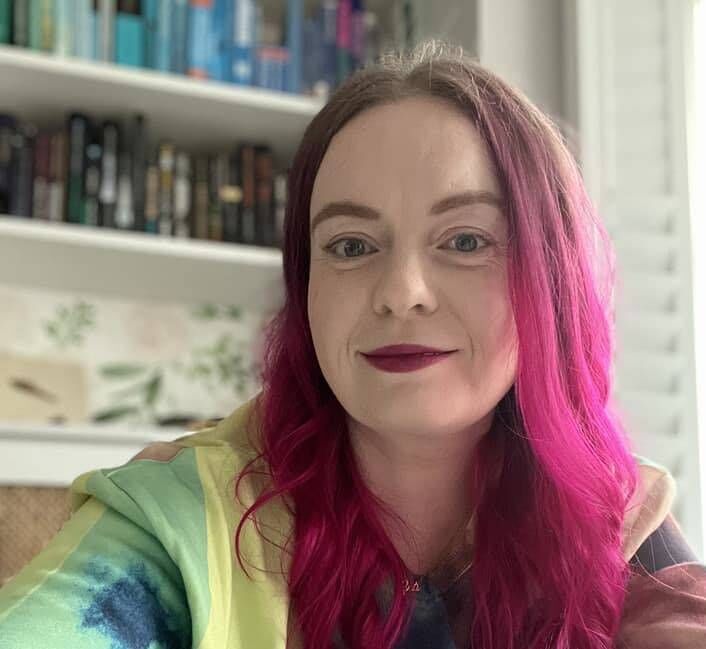
Clare McAfee adds: “Small things can really help lower physical stress responses. If it is possible, tone down the lighting if you have a dimmer.
“Cut out unnecessary noise like the radio and please don’t get frustrated with an autistic individual who needs to wear noise-cancelling headphones.”
Ambiguous language, vague communication, ghosting, and conflicting information from certain organisations impacted on my work in the arts many times over the years.
Could Ireland finally be changing? Vanessa Carswell is an access officer with the Arts Council, which she says now has a neurodiverse workforce. She highlights the positives: “There is plenty of lived experience within the organisation. The staff are always available to talk through our grants and awards application process. For artists with disabilities, including people with any type of neurodiversity, the Arts Council has a disability access team who can provide support tailored to the needs of the applicant.
“The teams and staff are constantly learning more from every artist we speak to, and are continually working to develop our policies and practices.”
This is good to know. Bright, artistic minds deserve better.
Eleanor McSherry thinks that a report by the UK Industry Council, which states that 20-30% of the creative industry is neurodivergent, underestimates the numbers.
“We are leaking talent as a result of an ableist industry, we need to stop it,” she says.
It is disappointing to see things done in a half-hearted way. A diversity, equality, and inclusion video by the HSE is an example. In the first 32 seconds of the video, published on YouTube a year ago, the sound quality is terrible. I can hear a screeching noise in the background.
For the remainder of the film, the tempo of piano music playing in the background distracts my attention from what the speakers are saying.
“If you see a colleague is struggling, reach out and support them,” the narrator says. While kindness in the workplace is to be encouraged, the HSE has missed a crucial point: Many arts workers are adept at keeping their disabilities, symptoms, and struggles hidden. This is known as “masking”.
It is not that autistic people want to be fake. They simply conceal their struggles out of fear of being judged by people who might be sceptical about their abilities. The HSE video shows a woman with dyslexia telling people to be open about their issues and to seek help and support. However, there is still work to be done.
In a study conducted by the Institute of Leadership and Management, 20% said they would be uncomfortable hiring autistics or dyscalculics.
Meanwhile, 10% admitted that they would be uncomfortable employing dyslexics.
Another project, Amplify, surveyed 100 diverse arts workers. Two out of three intellectually disabled (ID) people stated that not enough time is given to do their work — they feel rushed. Ironic, in a country where change happens excruciatingly slowly.
Difference is not a deficit, so here’s to a new era of the screen industry, and society in general, being more aware of the neurodiverse movement.
McSherry, E. (2024). Neurodiversity in the screen industries in Ireland. Irish Journal of Arts Management and Cultural Policy, 10(2), 114–130. Retrieved from https://www.culturalpolicy.ie/index.php/ijamcp/article/view/2775
AMPLIFY: A CALL FOR TRANSFORMATIVE ACTION RESEARCH REPORT LAUNCHES https://embrace-autism.com/
HSE video https://www.youtube.com/watch?v=3qJFiRzmzMg
The Equality Project: https://www.bbc.co.uk/5050/newvoices