Plus ça change... how Irish trad has influenced the music of Quebec
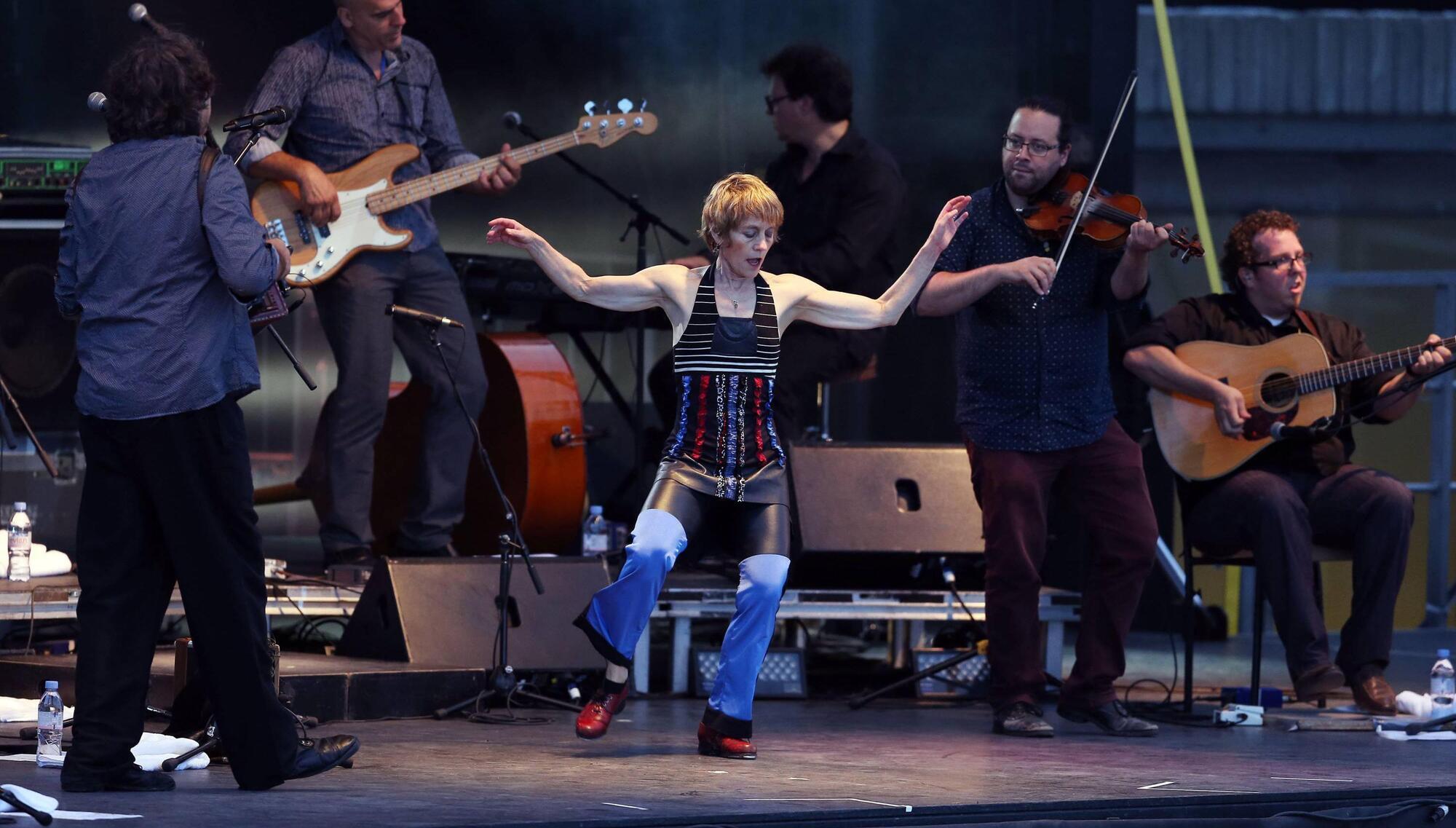
Quebec folkloric group, La Bottine Souriante. (Photo by Vaughn Ridley/Getty Images)
As Québec’s La Bottine Souriante launch, all saxophone and brass blazing, into their raucous rendition of ‘À Travers La Vitre’, anyone familiar with Irish traditional music may experience a strong sense of déjà entendu.
Similarities with the music of Québec are hardly unexpected, given centuries of Irish immigration, but so deeply embedded is Irish traditional music in the Canadian province’s psyche that its subliminal influence can go unnoticed even by musicians themselves.
While the foot-tapping, jazz-infused music of La Bottine Souriante is quintessentially Québécois, the Irish trad that formed a base ingredient in the musical melting pot of this majority Francophone province rises regularly to the surface.
Resemblances between ‘À Travers La Vitre’ and the first part of ‘The Mountain Road’ reel composed by Sligo fiddler Michael Gorman, musical partner of Cork singer Margaret Barry, have long been speculated upon. Yet if the creator of ‘À Travers La Vitre’, erstwhile La Bottine Souriante multi-instrumentalist Michel Bordeleau, ever heard ‘The Mountain Road’, he was unaware of it.
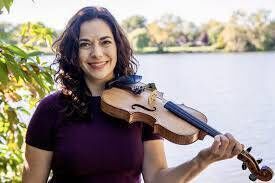
Ethnomusicologist Kate Bevan-Baker, a lecturer at Montréal’s Concordia University who is working on a project transcribing Bordeleau’s compositions, says: “He claims never to have heard ‘The Mountain Road’. I don’t buy it. I think he heard this and it was in the back of his mind - his tune sounds really Irish.”
Modern crossovers aside, the transfer of tunes across the North Atlantic is no recent phenomenon and predates the mass emigration of the Famine years, with Irish and French music both fellow travellers along with colonial settlers.
Already in many cases sharing a Catholic faith, the French and Irish found common ground in their folk music, which in the 18th and 19th centuries accompanied European fashions for dances including quadrilles, the descendants of which live on in square dancing and Irish set dancing.
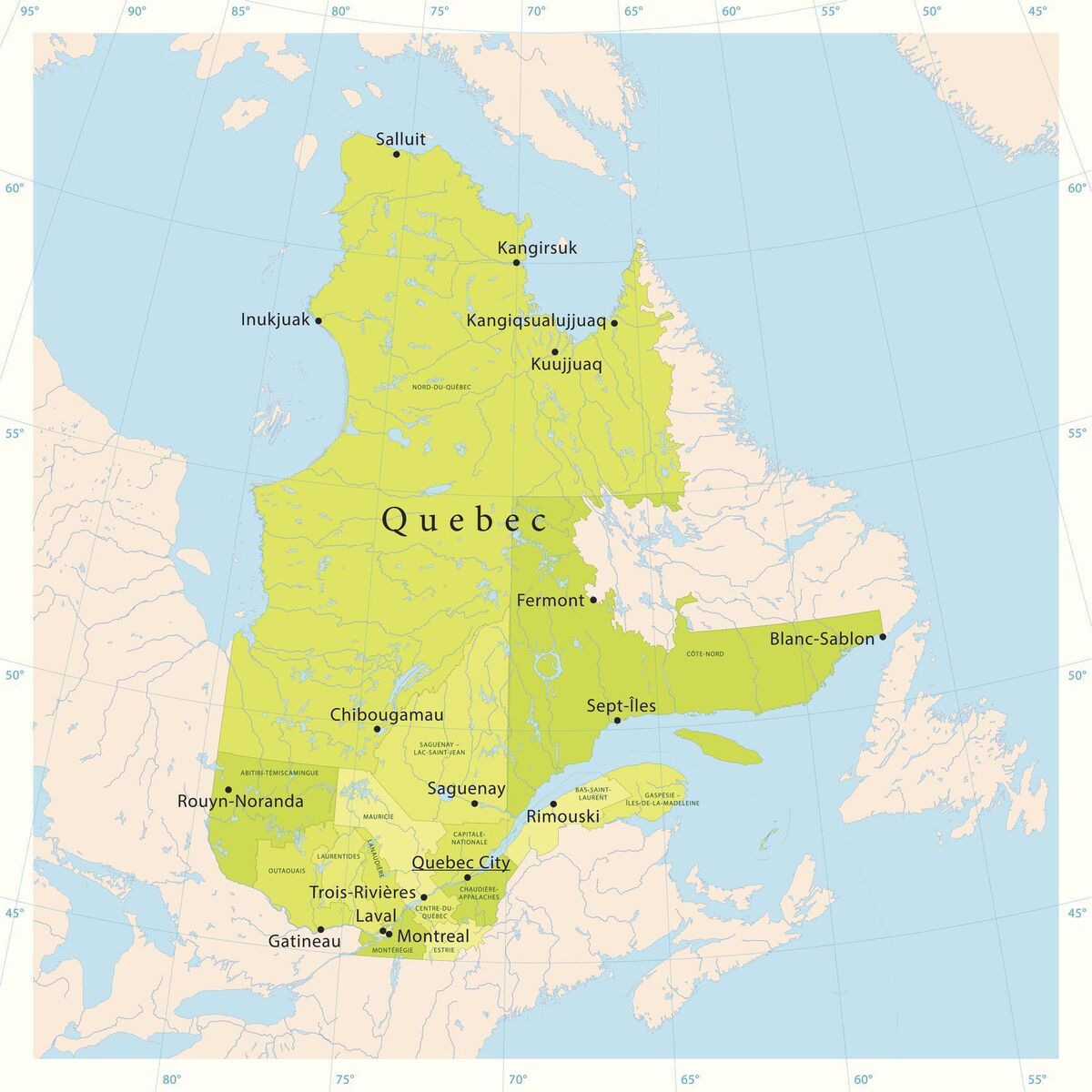
“Approximately 600,000 Irish landed in the ports of Montreal or Québec in the mid-1800s and many of them stayed, so there’s a very strong Irish influence and it’s really evident in the music that is played in Québec,” says Bevan-Baker.
Québec, 22 times larger than Ireland, has a diverse musical culture reflecting its First Nations and Inuit traditions as well as Métis and European influences, and producing such internationally-known talents as Leonard Cohen and Celine Dion.
Its Irish musical heritage, most clearly heard in fiddle playing, has crossed cultures seamlessly, its survival latterly ensured by the advent of radio and commercial music recordings.
“A lot of popular fiddle tunes in particular that are played in Canada are of Irish origin,” says Bevan-Baker.
Individual musicians can be attributed with increasing the popularity of various Irish regional styles, and Bevan-Baker notes the influence of Sligo fiddle player Michael Coleman on Jean Carignan, one of Québec’s best-known 20th century musicians.
Fiddle virtuoso Carignan, who performed with Yehudi Menuhin, “learned a lot of repertoire from Michael Coleman’s recordings and replicated exactly the way that Coleman played”, says Bevan-Baker.
On his self-titled 1973 album Carignan included the Tarbolton reel medley he learned from Coleman’s 1930s recordings, as well as a piece entitled ‘Ronfleuse Gobeil’, which incorporates part of the Irish reel ‘The Maid Behind the Bar’.
“The C part is basically a rip-off of ‘The Maid Behind the Bar’,” says Bevan-Baker. “Most people in Québec wouldn’t be aware of that - they just know it as their tune and they think it’s a product of Québec, but it is not.”
The wheel continues to turn, with ‘Ronfleuse Gobeil’ re-emerging as a 1990s hit for La Bottine Souriante, but chief credit for the survival and dissemination of Irish music in Québec lies with “the immigrants, the thousands who arrived and settled in communities and kept their music”, says Bevan-Baker. “Then the Francophones heard it and learned it, like Jean Carignan. He had no genetic ties to Ireland but he heard the recordings made by Irish fiddlers.
“A lot of people in Québec learned Jean Carignan’s recordings, so it’s been passed on for generations.” Passed down with the music is a range of accompanying percussive solo and group dances which still flourish, notably the Scots, French, and Irish-influenced sean-nós-style La Gigue, and seated foot-tapping podorythmie practised by La Bottine Souriante and the equally flamboyant Carignan.
If Irish immigration had a strong genetic influence on Québec’s music, the same is true of the French ancestry of the province’s song and dance traditions. The 20th-century ‘queen’ of Québec folksong Mary Travers, aka ‘La Bolduc’, had Irish and French-Canadian roots and was a famed exponent of wordless ‘turlutte’ singing, akin to lilting.
“The first European settlers were the French in the 1700s and they mainly brought songs – thousands of French-language songs – and then in the early 1800s when the Irish came and then later the Scottish, they brought a lot of tunes that were preserved, and that influenced the instrumental Québécois repertoire today,” says Bevan-Baker.
“Folk song is a huge part of the traditional music culture in Québec. A lot of singing in particular is in the French language and most of that can be traced back to France, to those settlers.” Academic study of the province’s song heritage is well established but its musical tradition became the focus of research in recent decades.
From the 1970s onwards, US fiddle-player Lisa Ornstein “did a lot of research, field recordings, and publications on the instrumental music in the province, because before that it really hadn’t been done”, says Bevan-Baker. “People just learned it and played it in their homes and there were no academic studies done on it; nothing was really documented.
“And it’s only in the last 10 years that tune books are being published, so that anywhere in the world you can buy collections of Québécois music.” Classical violinist Bevan-Baker, whose own Newfoundland roots are Irish and Scottish, has long had a “parallel life in traditional music” but discovered that at Concordia’s School of Irish Studies, “my love for traditional music could also be taken in an academic direction”, leading her to a doctorate examining Irish settlement and music on Prince Edward Island, Canada’s smallest province.
Now lecturing in ethnomusicology, she notes that since Québec’s instrumental music is “purely an aural tradition” there are “so many variants on tunes and people don’t know the titles of tunes or they make a new title, so it’s very confusing because it’s not well documented”.
“And as a musician going to sessions in Montréal, the repertoire is different than if I go to a session 45 minutes away. I’ll know none of the tunes, so it’s a really regional living tradition.” Many musicians, such as La Bottine Souriante’s Bordeleau, also have a penchant for ‘crooked’ tunes.
“A lot of Québécois instrumental music is not symmetrical like Irish traditional music,” says Bevan-Baker. “There’ll be an extra beat at the end of a phrase or [Bordeleau] will drop a beat, but it’s not crooked to him. ‘Oh no that’s perfectly normal, that phrase’, he’d say.
“He doesn’t read music; he works purely by ear. He has cassette tapes and in his memory hundreds of tunes that haven’t been written down yet. A few that he did record with La Bottine, for example ‘Fleur De Mandragore’, which was recorded by Lúnasa, I’ve heard played all around the world.” This cultural cross-pollination makes the transfer of traditions “a living and breathing thing”, she adds. “There’s new repertoire being created but there’s an obvious Irish influence when you listen to Québécois music - whether it’s known about or not.”