Culture That Made Me: Christine Dwyer Hickey on Mad Men, great women, and Edward Hopper
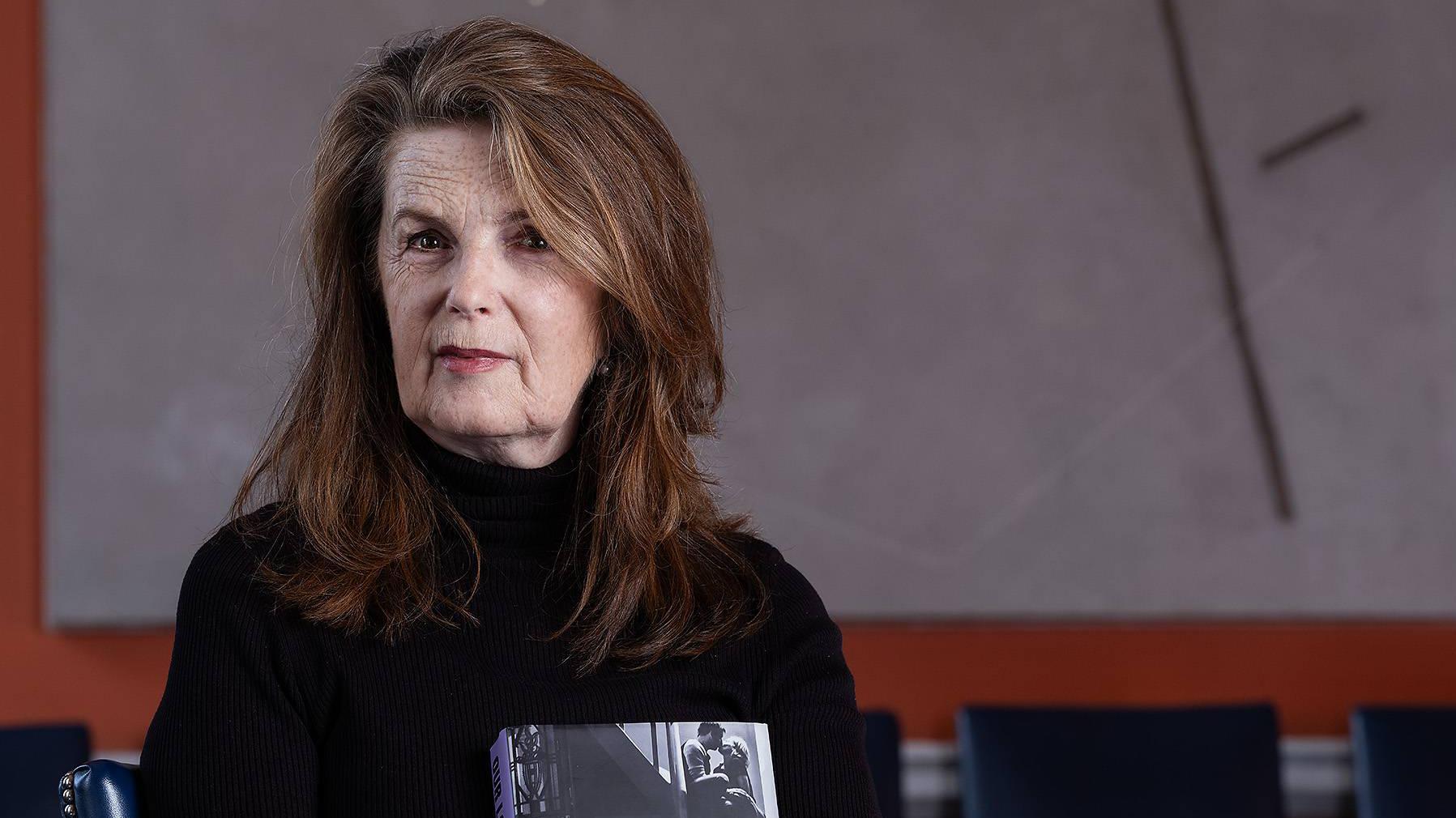
Christine Dwyer Hickey: "I was fortunate to see Donal McCann in Faith Healer." Picture: Patrick Bolger.
Christine Dwyer Hickey grew up in the Templeogue/Walkinstown area of Dublin. She published her first book, The Dancer, in 1995.
She has gone on to win several literary awards for her novels and short stories. In 2006, her acclaimed series about a Dublin family in the first part of the twentieth century was reissued as The Dublin Trilogy.
Her play Snow Angels premiered at Dublin’s Project Arts Theatre in 2014. Her latest novel Our London Lives is published by Atlantic.
I love the writing in The Great Gatsby, the way F. Scott Fitzgerald painted this glamourous world in the 1920s. You felt you were in it. I loved the twists in it, and the different characters, like the garage owner, how sad and tragic he was, and the gangster Nick Carraway went to lunch with at the end.
He kept talking about “oggsford” instead of Oxford. I loved the way he was brought in randomly. Everything about it – the detail and the movement in it. I still reread it now and again.
Joyce’s Dubliners was so recognisable to me reading it in sixth year. I'm a third generation Dubliner on both sides, which is unusual. My mother's family were from Drumcondra.
I’d aunties all over that area. I was always being sent off doing messages, to about eight different shops, and would be expected to negotiate with, say, the butcher at 10 years of age.
I loved the characters you’d see around. My father was from the Liberties. I spent an awful lot of time with him in my formative years, which involved visiting pubs, race courses and bookie shops, full of people like those that inhabited the pubs in Dubliners.
There was the shabby genteel respectable world of the aunts and on the other side I had these ne’er-do-well characters in the pubs. They were good for the fledgling writer.
Virginia Woolf’s Mrs Dalloway gave me a longing to be part of London. I love the idea of being inside her head, but also the way the city is worked. Mrs Dalloway is a well-to-do wife of an English politician.
There’s a sensitivity to her you can sense immediately. She goes out into the city and you're walking with her as she passes Piccadilly and she's thinking about what she's to do for this party she's organising.
She's worrying about her daughter and about friends. She's thinking about the past. A big car passes and she thinks about that. It’s the aftermath of the First World War.
It deals with shell shock, as people were beginning to take stock of the damage of the war, and reacting to it.
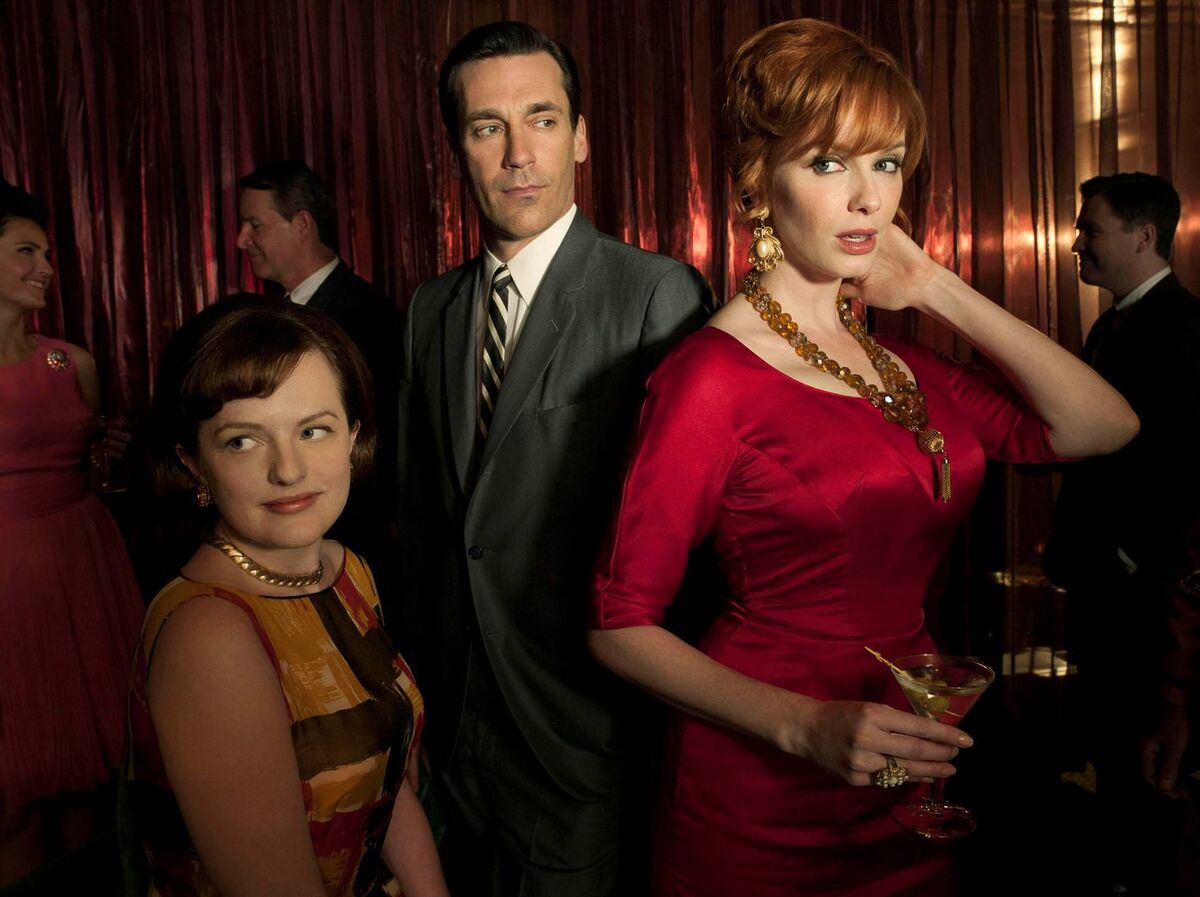
I’ve started re-watching Mad Men. It’s my third viewing. I love that whole era and the way they capture it and the characters in it. When I watched it first I binged, three episodes at a time.
You can be swept away in the beginning by the ad agency world glamour, Madison Avenue, and all that. Now watching it, I see every episode is like a short story, while also moving the big story on. There's always a connecting thing in it. It’s brilliant on so many levels.
I love Mary Lavin. She finds humanity in every one of her stories. I remember in school reading her short story, The Widow's Son. It’s a story with two endings. A widow’s son goes off on his bike. They’re very poor, but she's educating him.
He comes back and he's got great results from his exams. He's dying to tell her. In one of the endings, he gets so excited, a hen comes running out and he knocks and kills the hen and she goes mad and she beats him around the place.
They needed the hen to get eggs. In the alternative ending, he swerves to avoid the hen, falls and bangs his head on a rock and he dies. It's a lesson for life – the drift in life and how a small movement can change things. As a mother, when something happens, I often think about The Widow’s Son, and what the alternative would have been.
I was fortunate to see Donal McCann in Faith Healer. He really got the part. I also like the way it’s the same story told from three different perspectives. Each one is different but it’s the same story, which is true in life.
I also saw Donal McCann in Sebastian Barry’s The Steward of Christendom.
I love the theatre. I've seen a lot of wonderful plays, in London and elsewhere, with world famous actors, but nothing has stayed in my mind so much as those two plays because it was a lucky combination of a brilliant actor who knows what he's doing, knows his part and two brilliant plays.
A play I saw in Dublin’s Gate Theatre in 2006, which stayed with me for a long time, was Festen. It’s based on a Danish movie and play. I remember the performance that Owen Roe gave as the father, who was an awful bastard – the strength and the power of it.
Sometimes with an ensemble, with lots of people in the play, if there’s a very strong central performance, the other actors fall away, but he brought them with him.
It was about power at play. Watching Succession on television reminded me of it.
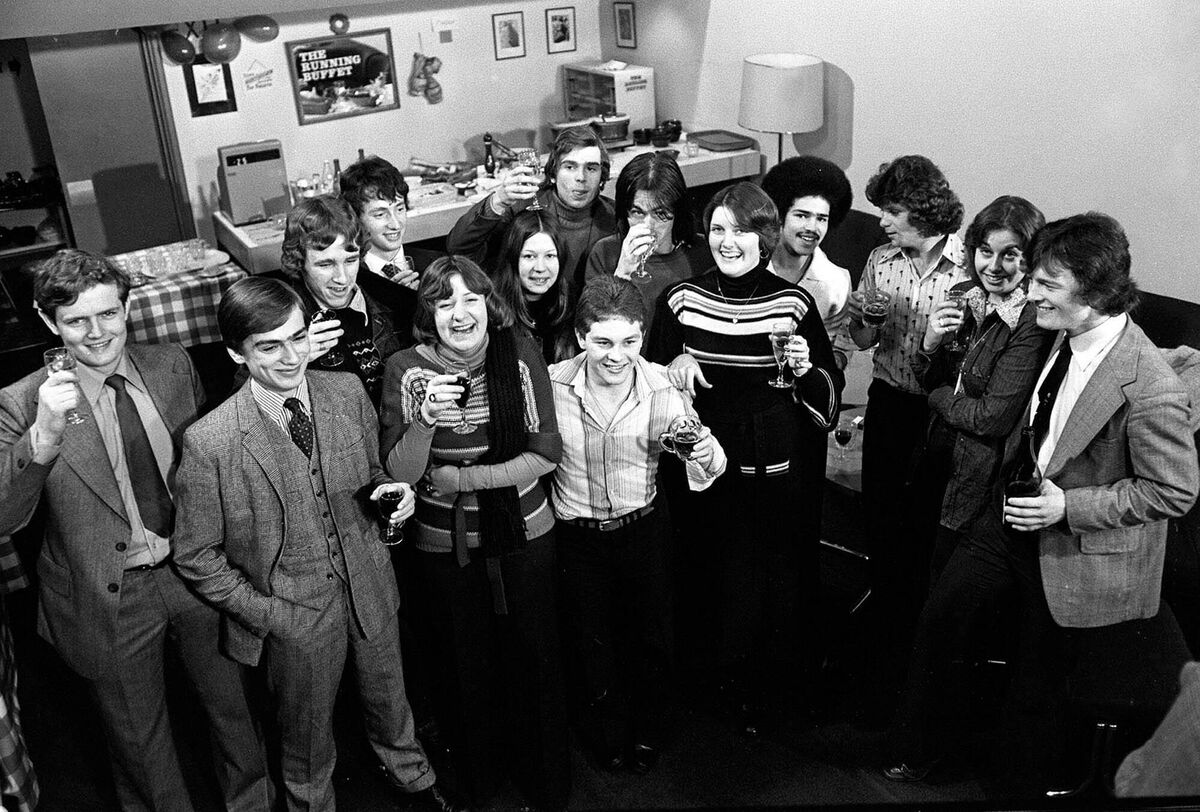
I love the Up series, which started on ITV in the 1960s. Every seven years they take these kids, following up on their lives, and you see the change in them. It’s set in England. You’ll see poor kids from the beginning you're worried about.
Then there's toffs – well-off children. But you see that no matter what background they come from, their chances of having a happy and fulfilled life are weak on both sides. ‘Happiness’ is the exception rather than the rule. It’s fantastic. Everybody should watch it.
My favourite movie is It's a Wonderful Life with Jimmy Stewart. It shows that one life can make such a difference to so many and one chance event can change everything.
He goes into the frozen pond to save his brother and because of that his life changes completely – he damages his ear, that faulty ear is weaved through the film.
The angel is great in it, and Jimmy Stewart is a great man for the emotion.
I’m very fond of Edward Hopper. His paintings change when you see them in reality, when you're standing in front of them, the power of them.
I went to this exhibition in Oxford for early- to mid-twentieth century American art. There were lots of very good paintings there, but his work just sang out of the wall.
I love The Marriage of Figaro. I love the music and the life in it and the madness. I went to see a matinée performance in London in September.
It goes on for three hours. Sometimes I go to the opera thinking, oh, is this ever going to end? I prefer more accessible opera. But The Marriage of Figaro just gives me such joy.