Molly Cantwell: Women are just as sexual as men, our Gen Z superstars aren't afraid to show it
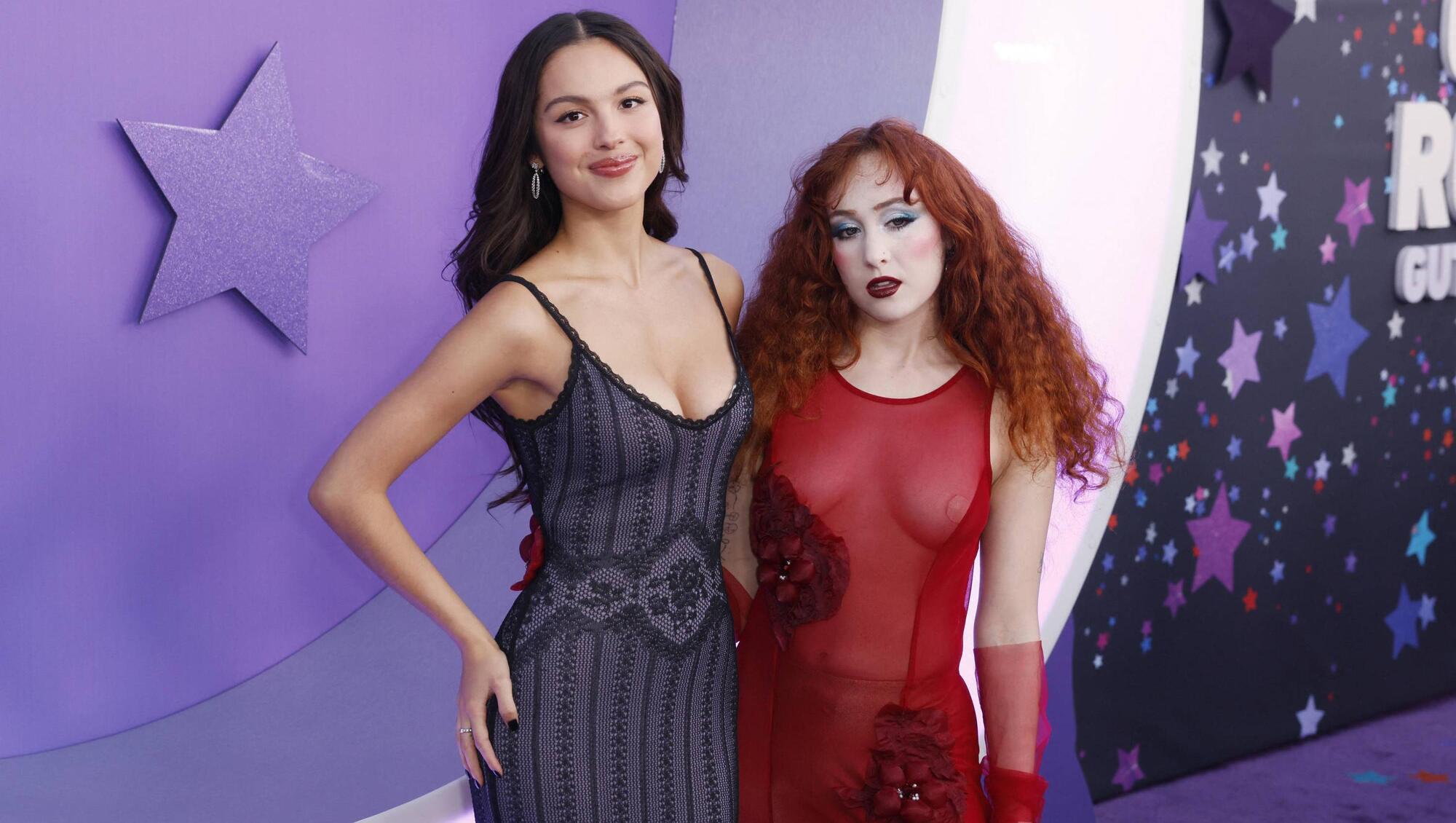
US singer and actress Olivia Rodrigo (L) and US singer Chappell Roan in Los Angeles. Picture: ETIENNE LAURENT/AFP via Getty
Singing about sex – sure, I could never.
Up until recently, I wouldn’t have been alone in that thought. The good auld Irish Catholic guilt in me would never have thought it would become a norm in every day media.
Artists like Sabrina Carpenter, Chappell Roan, and Charli XCX have normalised what was once such a taboo topic – and more power to them for it!
From “knee deep in the passenger seat and you’re eating me out” to “wanna try out some fuzzy pink hand cuffs” – pop lyrics aren’t PG anymore.
Even 2024’s most popular blondie (Taylor Swift) has leant into the turning sexual tide, with tracks like ‘Vigilante Shit’ on The Era’s Tour earning ‘promiscuous’ dance moves and pronouncing that antiquated, overly disguised innuendos are no more.
Not only are artists singing about sex more, but they’re creating more content promoting it and using their sexuality in a healthy and expressive way.
In turn, fans are empowering themselves within their own sexuality and fantasies.
A reformation is happening within our sexual society and not a ‘manifesto nailed to the door’ one… or is it?

Gen Z's desire to fully express themselves now is completely linked to a pull away from previous Irish generations’ ideals.
Yes, there seems to be a trend of connecting with Irish roots more at the moment – but we couldn’t be further from cosying up with the prudishness of those times.
When a generation of people are eagerly awaiting what ‘Juno’ position Sabrina Carpenter pulls out at her Dublin show, you can’t exactly say we’re eager to keep ‘bedroom talk’ exclusively for the bedroom.
While it has been widely discussed that Gen Z is having less sex and entertains fewer sexual partners – it doesn’t seem to be connected to the way they speak about sex.
There is a drive towards the ‘monogamous long-term’ relationship, but not one full of boring sex.
The popularity of workshops by sex education experts like Jenny Keane, and influencers doing brand deals with sex toys, tied together with musical sexual liberation, are just a few of the examples of Gen Z breaking the sexual mould.
If we encourage this healthy curiosity instead of trying to stamp it out (like removing sex ed from schools), we’ll accomplish a much more accepting and well-educated society.
A lack of understanding is the biggest barrier to a safe sexual society, but this is definitely changing with so much information now accessible to young people through genuinely safe sources.
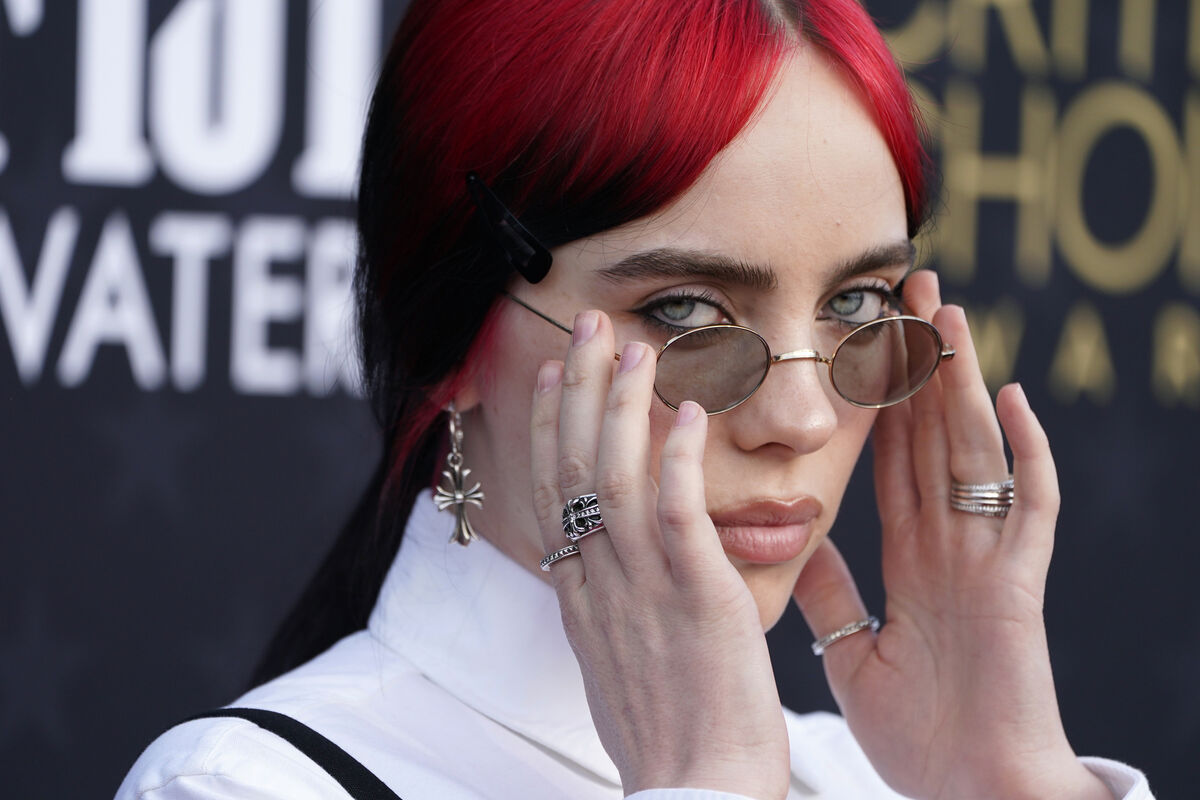
Looking at artists like Chappell Roan, Reneé Rapp and Billie Eilish, this freedom has also manifested in exploring their sexuality and removing a heteronormative lens – where singers go from singing about male figures to decidedly female pronouns.
Unconsciously, this openness to discuss sexual freedom in music has allowed younger people to know that it’s okay to feel these feelings about girls, boys, or whatever gender. Having this medium makes it so much easier to accept and identify your feelings.
There’s no more searching for a hidden “her” instead of “him” in a track – it’s undeniably in front of you and in mainstream media, lessening the stigma.
This trend of young liberated women needs to continue to show young women that not only is slut-shaming not okay, but choosing to use your sexuality in whatever way you want to is acceptable.
Sleeping around isn’t a dirty term and shouldn’t only be okay for men, but if you’re not getting what you want in the bedroom; you shouldn’t have to settle.
You can choose to put yourself first and do what you want with your body.
When you examine the fact that the generation which is supposedly having the least sex is also allegedly the kinkiest generation, you have to assume that sexual liberation doesn’t necessarily equal a high sex drive. And isn’t that kind of nice?
You don’t need to look for hookups on every night out – but when you do sleep with someone, you’re not afraid to ask for what actually makes you happy.
There’s a quiet assurance in knowing that exudes a confidence women weren’t allowed to have for so many years.
This is all to say, a change in musical styles generally either shortly precedes or follows a change in society, and I truly believe a change in the way we speak about sex is currently happening, especially for women.
Respect us and our sexuality or we’ll 4B. So, go ahead and try that one.