Chasing the Light: New film tells the amazing tale of Dzogchen Beara in West Cork
Chasing the Light tells of the English couple who built a spiritual retreat in a remote part of Co Cork, and how the centre was rocked by revelations about its Tibetan spiritual leader, writes Esther McCarthy
Chasing the Light: New film tells the amazing tale of Dzogchen Beara in West Cork

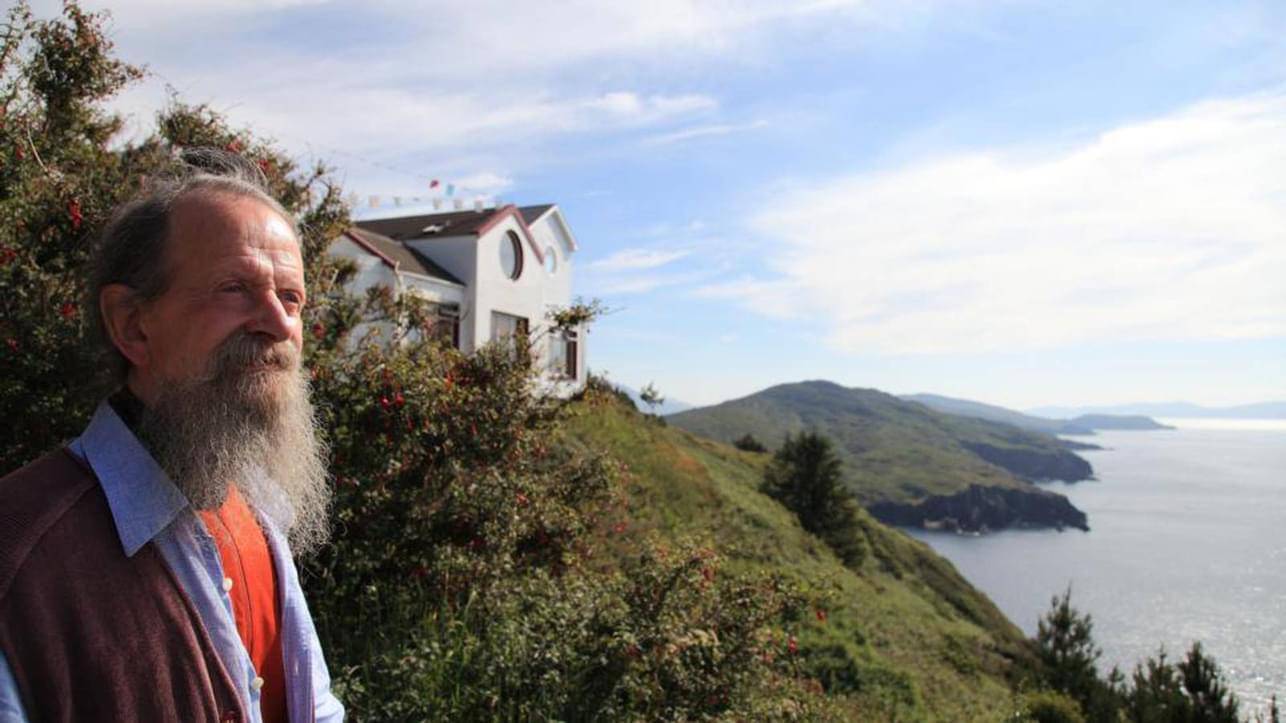
Peter Cornish at the Dzogchen Beara Buddhist retreat centre that he founded in West Cork, the subject of Chasing the Light. 

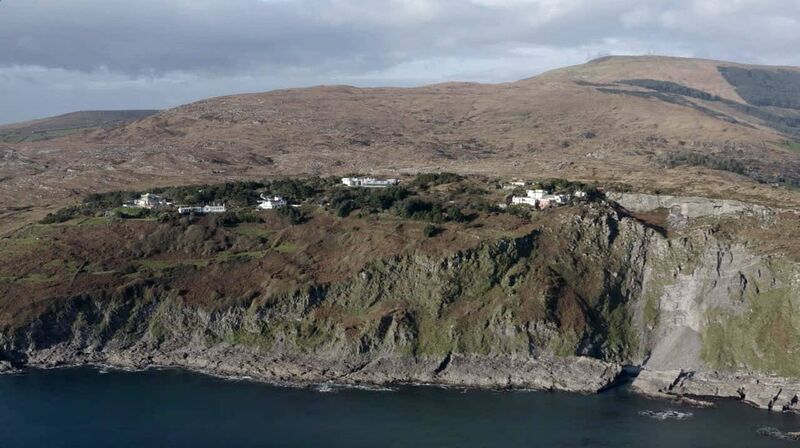
It’s the West Cork spiritual retreat centre created by a young hippie couple who dared to dream big. When Peter and Harriet Cornish fell in love with the Beara Peninsula in the 1970s, they decided to build a spiritual retreat centre on its remote clifftops.
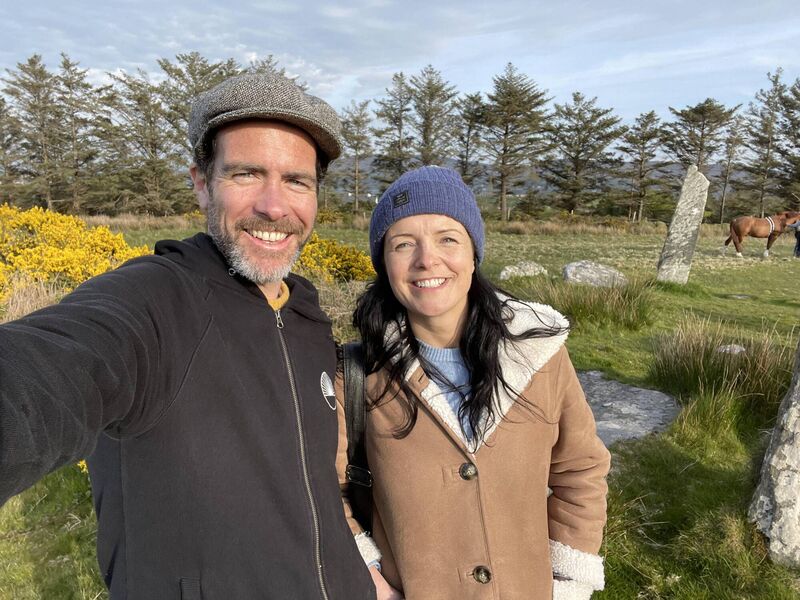
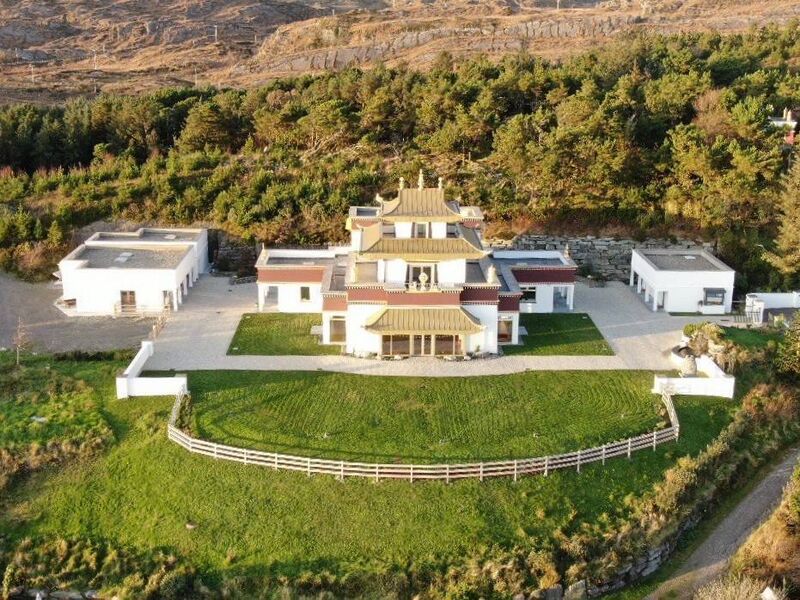
Dzogchen Beara would go on to become a much-loved Tibetan Buddhist centre - but for this place, the road to enlightenment would be paved with huge challenges.

In 2017, the centre’s spiritual teacher Sogyal Rinpoche was accused by a number of students of physical, emotional and sexual abuse, committed over several years. By this time Rinpoche was a hugely high profile figure in Buddhism, having written the best-selling book The Tibetan Book of Living and Dying.

Balancing the decades of work and testimonies of Dzogchen Beara with the revelations was the ultimate filmmaking challenge for director Maurice O’Brien, whose documentary Chasing the Light comes to cinemas on December 13th.

“It was trying to get that balance right. It was, by far and away, the most difficult part of the story for us to tell,” says O’Brien. “We couldn’t make a film celebrating why this place was so special and so great without also looking at this dark chapter in its history, even though as far as I’m aware, none of the serious abuse took place in Cork.

“Sogyal Rinpoche really became world famous, was essentially touring the world all the time. So he was only ever in Cork for about a week a year. But still, the fact that he was the spiritual director, it meant that we just couldn’t ignore this element of the story.”

O’Brien, a long-established filmmaker, first became interested in the story of Dzogchen Beara when he went on a week-long silent retreat there in late 2018. “I was just really burnt out from work, and somebody had said: ‘You might get something from going down here’. I’d never done a week-long silent retreat before or anything like it, and I’d never even heard of Dzogchen Beara, to be honest.

Chasing the Light director Maurice O'Brien and producer Clare Stronge.

“But I went down and was immediately blown away by the setting, and the cliffs down the Beara Peninsula, looking across the Mizen Head, and I could see that they were building this huge temple down there, which was going to be the first Tibetan Buddhist temple in Ireland.”

The filmmaker was also struck by the sheer variety of people, many of whom had travelled from abroad, who were taking part in the course. He got a huge amount, he says, out of the teachings and the setting. Intrigued by the place, he began reading a book by its founder.

“I picked up the autobiography of Peter Cornish, the man who in 1974 had come over to basically start building what would become Dzogchen Beara. Just following this slightly crazy dream he had to build a spiritual refuge for people of all religions and none. I went down there to escape from work and recover from burnout. And after I’d say two days, all I could think about was work! All I could think about was: ‘Oh, my God,’ I need to make a film about this place.”

Peter’s wife Harriet, who shared his dream of building the centre, only got to see it take life in the early stages of development. She was just 44 when she died of cancer in 1993. “A really powerful element of the work they do there is around people that have suffered a bereavement or that might be dealing with a diagnosis,” says O’Brien. “They have a spiritual care centre that’s aimed at that type of work. I think that’s really powerful, and that was established after Peter’s wife, Harriet, died from cancer.

Dzogchen Beara. Picture: DZB

“There are different layers to the place. That was always Peter’s vision, that you don’t have to be a Buddhist to go there. That’s still very much the attitude, they’re not trying to make converts out of anybody. They’re trying to be of benefit by spreading these teachings. Some of our characters have gone very, very deep into the teachings and fully committed to that way of life.”

Still, he says, it took time and commitment to bring those involved on board in the making of the documentary. O’Brien, for example, had been unaware of the Sogyal Rinpoche controversy when he initially raised the idea of a film. In 2017, a number of Sogyal Rinpoche’s long-term students in France, Australia and the USA wrote a joint letter, accusing him of physical, emotional and sexual abuse committed over several years.

“I’d never heard of him. I didn’t know anything about him. I immediately went away and Googled. And of course, it’s all out there on the internet. I was like: ‘Okay. There’s a whole other element of the story here, which I never imagined’.”

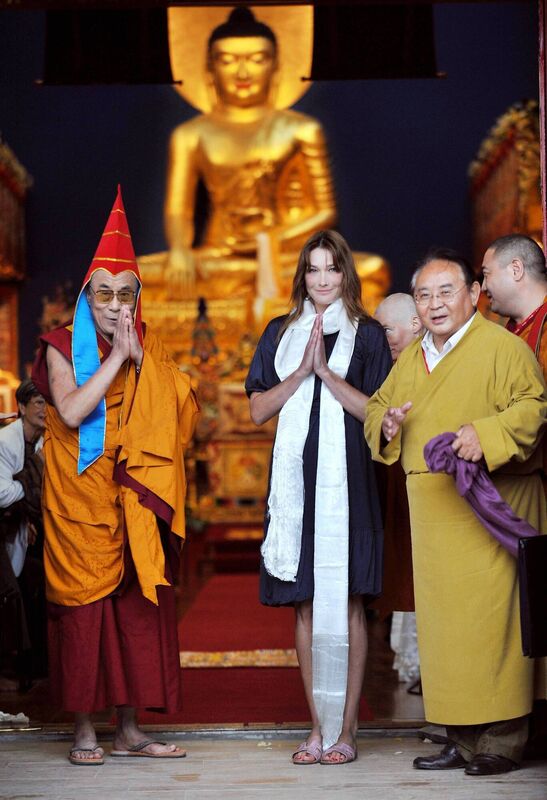
Tibetan spiritual leader Dalai Lama and France's  former first lady Carla Bruni-Sarkozy with Sogyal Rinpoche, Dzogchen Beara's former spiritual leader.  Picture: Pascal Guyot/AFP via Getty Images

Other filmmakers had made approaches in the past, but it was O’Brien’s interest, persistence and patience - he filmed for almost two years before an agreement was formalised - that sees the story of Dzogchen Beara coming to the screen.

“I think if I just rocked up there as a filmmaker, I know for fact they would have just said no. There have been people over the years that have tried to make a film about the place, and I think it was the fact that I had gone down there to do a retreat, the fact that I had been down there on this week-long retreat.

“I think they just felt it was maybe the right time. Certainly, Peter was getting older (Cornish passed away last year). He had never really told his story fully on camera before. He wasn’t in the best of health, so it was a kind of now or never in terms of his story. And this year is the 50th anniversary since they arrived. There were a lot of those elements that I think ultimately encouraged them to open the door.”

The spectacular setting for Dzogchen Beara in West Cork. 

Chasing the Light releases in cinemas following a sold-out screening at Cork International Film Festival last month. It felt fitting, says the Co Tipperary-born filmmaker, to bring the film back to Cork. “All the community came to that, which was a real big moment for us, that they all came and were supportive of the film in that way.”

The film looks striking on screen, and O’Brien feels that its dramatic West-Cork setting plays a huge part in making Dzogchen Beara a special place. “A lot of people will talk about the view down there as being a meditation in itself. There is something about that, when you’re in the shrine room and you’re just looking out at the ocean, and the line of the sea seems to be halfway up the skyline. There’s something very powerful and meditative about that.”

As Chasing the Light comes to our screens, O’Brien is planning his next project, a documentary series. “I’m working with Manchán Magan at the moment on a series which will be going out next year, based on his book, Listen to the Land Speak, which has just been really lovely.”

  • Chasing the Light is in cinemas from Friday, December 13

x

More in this section

Scene & Heard

Newsletter

Music, film art, culture, books and more from Munster and beyond.......curated weekly by the Irish Examiner Arts Editor.

Cookie Policy Privacy Policy Brand Safety FAQ Help Contact Us Terms and Conditions

© Examiner Echo Group Limited