Book review: Beara and Montana intersect in gripping tale
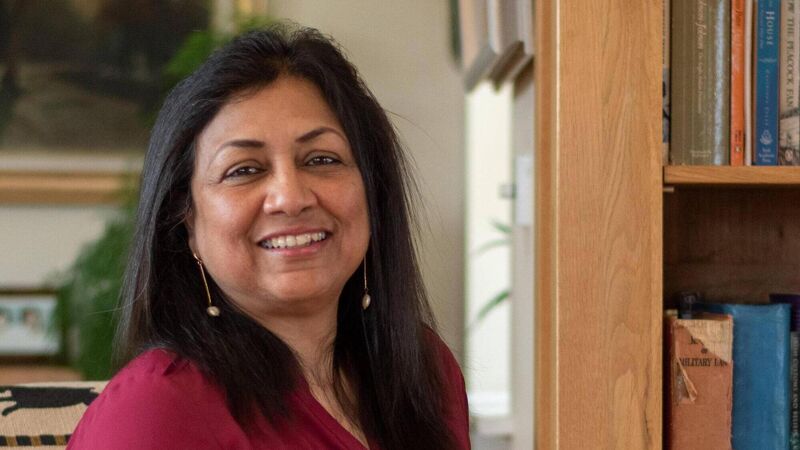
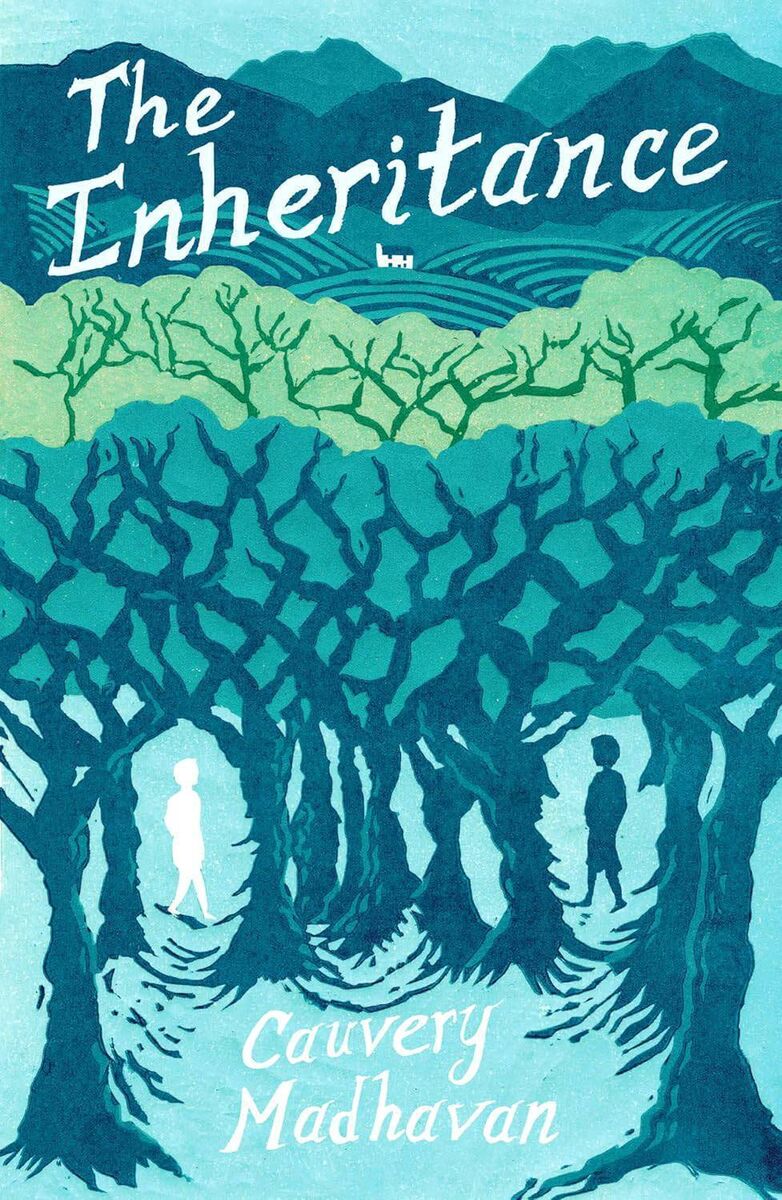
Cauvery Madhavan: 'The Inheritance' is her fourth novel.
- The Inheritance
- Cauvery Madhavan
- HopeRoad, €18.85
- Review: Brendan Daly
It’s 1986 and the 29-year-old journalist has just been sacked after punching his boss in the face. Simultaneously, Marlo’s relationship with his family is unravelling after his mother’s astonishing confession.
Named after Marlon Brando, he moves from London, where he was born and grew up, to a cottage in Glengarriff he inherited from his mother’s uncles.
Soon, the rhythm of Marlo’s life switches from a “frenetic tap dance” to a “slow waltz”. A neighbour recruits him to drive a minibus between Glengariff and Cork and Marlo begins to fall in love with Kitty McSwiney.
One of Marlo’s regular bus passengers is Kitty’s son, Sully. The six-year-old is non-verbal and in Glengarriff oak forest Sully waves at Cloichin, a spirit whom no one else can see.
Cauvery Madhavan’s diverting if uneven novel fluently hopscotches between two timelines.
Sully’s recognition of Cloichin is where the two plots intersect. Here, Madhavan threads a tragic chapter in Irish history through her fiction.
In June 1602, Queen Elizabeth I’s forces killed about 300 Gaelic Irish in the Dursey Island massacre. Six-year-old Cloichin was a “cursed mute boy” whose family was annihilated.
He witnessed English soldiers throw his mother, sister, and brothers over the island’s cliffs. In 1986, Cloichin’s spirit wanders the forest attempting to retrieve a family heirloom and he believes Sully can help him in his quest. The novel’s chemistry stems from the parallels Madhavan evokes between and within the narrative strands.
The most obvious is paternal absence. Marlo’s mother became pregnant at 15, raised him herself, and never told Marlo who his father was.
Sully’s father was killed in the Whiddy Island disaster in 1979 before Sully was born. Cloichin knew his father, but the latter’s principal loyalty was to his clan “and never was he around” for his son.
Similarly, inherited trauma franks the lives of Marlo, Sully, and Cloichin. The search for identity and the importance of place run through the book like a watermark. Marlo is writing about Dursey’s history for a Montana newspaper.
The American state has a vibrant resonance in Beara: Following the failure of the copper mines in Allihies in the early 20th century, roughly 1,500 people emigrated from the peninsula to work in the mines of Butte, Montana.
Marlo moving to Glengarriff is an inversion of the “great exodus”. When he tells Kitty he feels “embraced” by Beara’s mountains, she suggests Marlo has “come back to where you belong”.
Meanwhile, in the wake of the Dursey slaughter, the Irish chieftain Donal Cam O’Sullivan Beare led about 1,300 of his clan on a 500km march to sanctuary in Leitrim before O’Sullivan Beare emigrated to Spain. But Cloichin’s father doesn’t follow him to the continent. “It is in Beara that we belong,” he tells his son.
Madhavan is an Indian-born writer who lives in Co Kildare. is her fourth novel.
If the book’s themes echo those of John McGahern or Donal Ryan, the reliance of the book’s 1986 strand on Irish-specific references (Kimberley biscuits, MiWadi) suggests the pastiche of Martin McDonagh’s early plays.
Likewise, the frequently caricatured dialogue (“those BBC English feckers”) hints at a misplaced sensibility. Against this, the novel conjures Beara’s majestic landscape, rendering it almost as a background character, and the prose is occasionally sprinkled with a tender poignancy.
When Cloichin takes refuge in the forest after the massacre, he sleeps beside a horse, forcing his body between the animal’s head and chest.
“If I closed my eyes,” he says, “it was almost like being with my dear mother again.”
BOOKS & MORE
Check out our Books Hub where you will find the latest news, reviews, features, opinions and analysis on all things books from the Irish Examiner's team of specialist writers, columnists and contributors.