Book review: Strange future to navigate
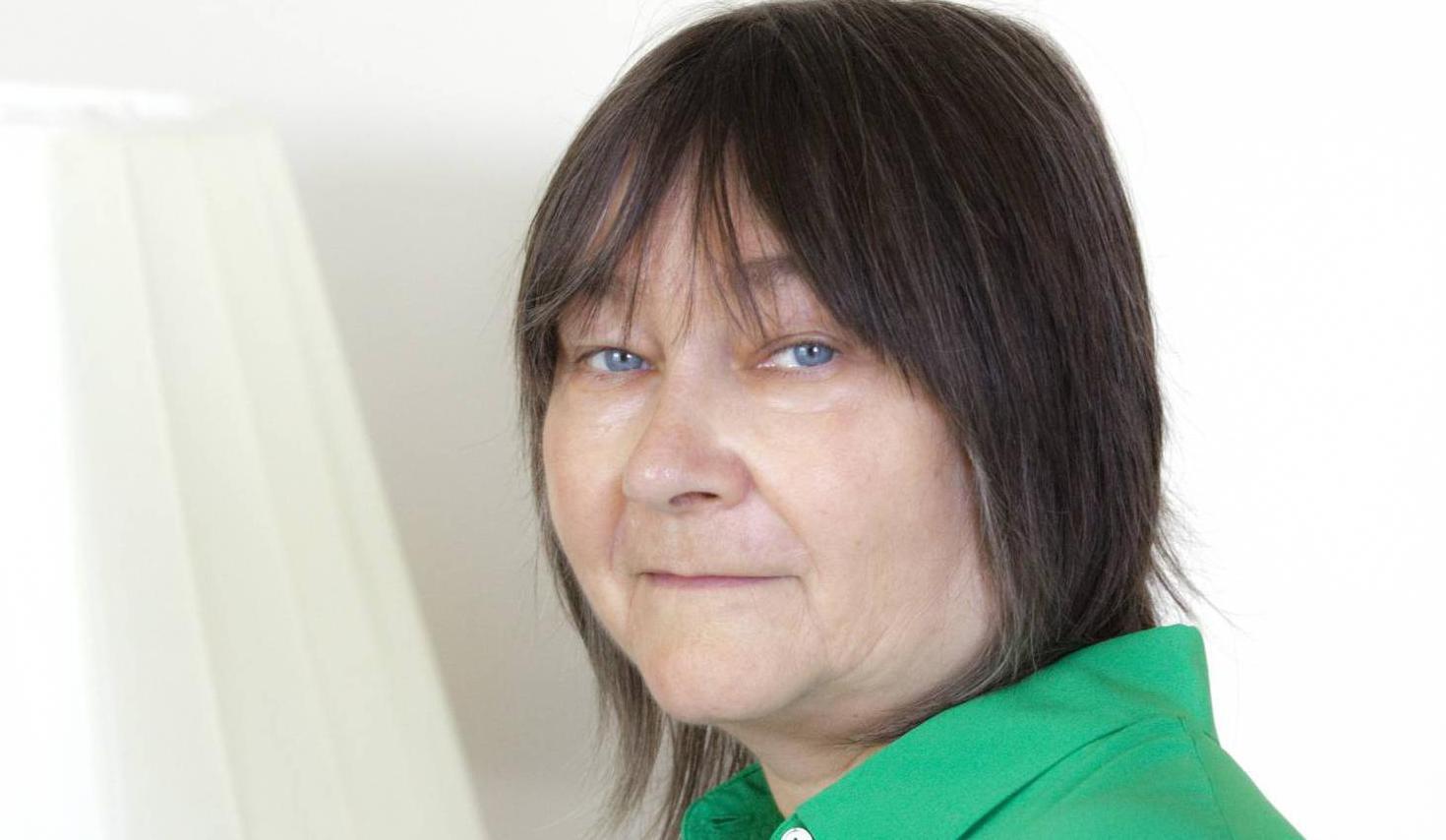
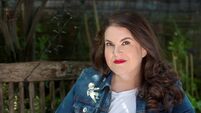
Ali Smith is one of the UK’s leading novelists. Born in Inverness in 1962, she has been shortlisted for the Booker Prize four times and won several major prizes
Book review: Strange future to navigate

Ali Smith’s latest novel descends into dystopian cliches. Picture: Leonardo Cendamo/ Getty Images

  • Gliff 
  • Ali Smith 
  • Hamish Hamilton, €21.75 

The novel begins in a strange country where the young narrator Bri, short for Briar, and younger sister Rose are saying goodbye to their mother who is working in a hotel, covering for her sister who is ill: 

‘For a moment I didn’t recognize her. I thought she was just a woman working at the hotel. She had her hair scraped back off her face and tied in a ponytail and she was wearing clothes so unlike her and so not quite right for her shape that it took me that moment to work out that they were her sister’s work clothes, the uniform they made the women and girls working here wear…’

The country is ‘strange’ because the novel is set in the future, the near future — Tamagotchis were popular in their mother’s childhood. 

The unidentified landscape is very like the English midlands, giant Tescos, and pockets of countryside between small towns. 

But now state surveillance, via wrist-mounted ‘educators’, smartphones, and ubiquitous surveillance cameras, controls the population.

Those that have escaped by clinging to the old ways, are labelled ‘unverifiables’ and are being hunted down.

Ali Smith is one of the UK’s leading novelists. Born in Inverness in 1962, she has been shortlisted for the Booker Prize four times and won several major prizes. 

She is known for a playful way with narrative, and for linked series of novels, so expectations are high.

Bri is a clever child with a curiosity about words and how meaning is generated. Rose is more impulsive, but equally clever. She knows the difference between AI and real.

After leaving their mother, her partner Leif drives the campervan home. They discover that their house is encircled by red paint, still wet, and Leif decides to leave, and become travellers, living in the van. 

But on their first night the beloved campervan is also encircled in red paint and eventually confiscated. 

Leif leaves the children alone in a friend’s empty house while he goes for help. 

They have a kettle, running water and a stash of money as well as 42 tins — 36 meatballs in tomato sauce, four creamed rice, and two sweetcorn. 

This seems a rather anachronistic food stash for the near future, but perhaps it reflects the family’s retro inclinations.

Bri goes walkabout, trying to learn more about the outside world by talking to “unverifiables”, depicted as vaguely hippy individualists, fond of folklore: Oona, Daisy, Wolf, Valentina, Arkan, Ulyana… 

Meanwhile Rose discovers horses in a field, a great excitement. The children had never been near a horse, nor ever smelt one: 

“Seven horses, small and large, all the colours of horse, beautiful and mangy, were drifting their noses across grass and ripping it with their teeth from the ground making a sound I’d never heard before.” 

Rose feeds grass to a grey, and names him Gliff, even though she is not sure what the word means.

Gliff is in fact a Scottish and northern English word for a shock, a fright, a transient moment, or a sudden glimpse.

Suddenly, ‘fast forward five years,’ writes the narrator, leaving the reader totally disoriented. 

We no longer trust the narrator, and the children, after “processing and re-ed”, have been absorbed by the system, and work, or worked in a state factory. 

Narrative coherence has gone too, but to say more would lead to spoilers.

A second novel will follow in August 2025, Glyph — a signifying mark, as in “hieroglyph”, which will reveal a story “hidden”, according to the press release, in this one, Gliff.

The novel descends into dystopian cliches, with inhumane working conditions and increasingly flaky ‘unverifiables’.

For me, it failed totally to live up to the promise of its very lovely first half.

BOOKS & MORE

Check out our Books Hub where you will find the latest news, reviews, features, opinions and analysis on all things books from the Irish Examiner's team of specialist writers, columnists and contributors.
More in this section

Scene & Heard

Newsletter

Music, film art, culture, books and more from Munster and beyond.......curated weekly by the Irish Examiner Arts Editor.

Cookie Policy Privacy Policy Brand Safety FAQ Help Contact Us Terms and Conditions

© Examiner Echo Group Limited