Culture That Made Me: Cork comedian and broadcaster Ross Browne
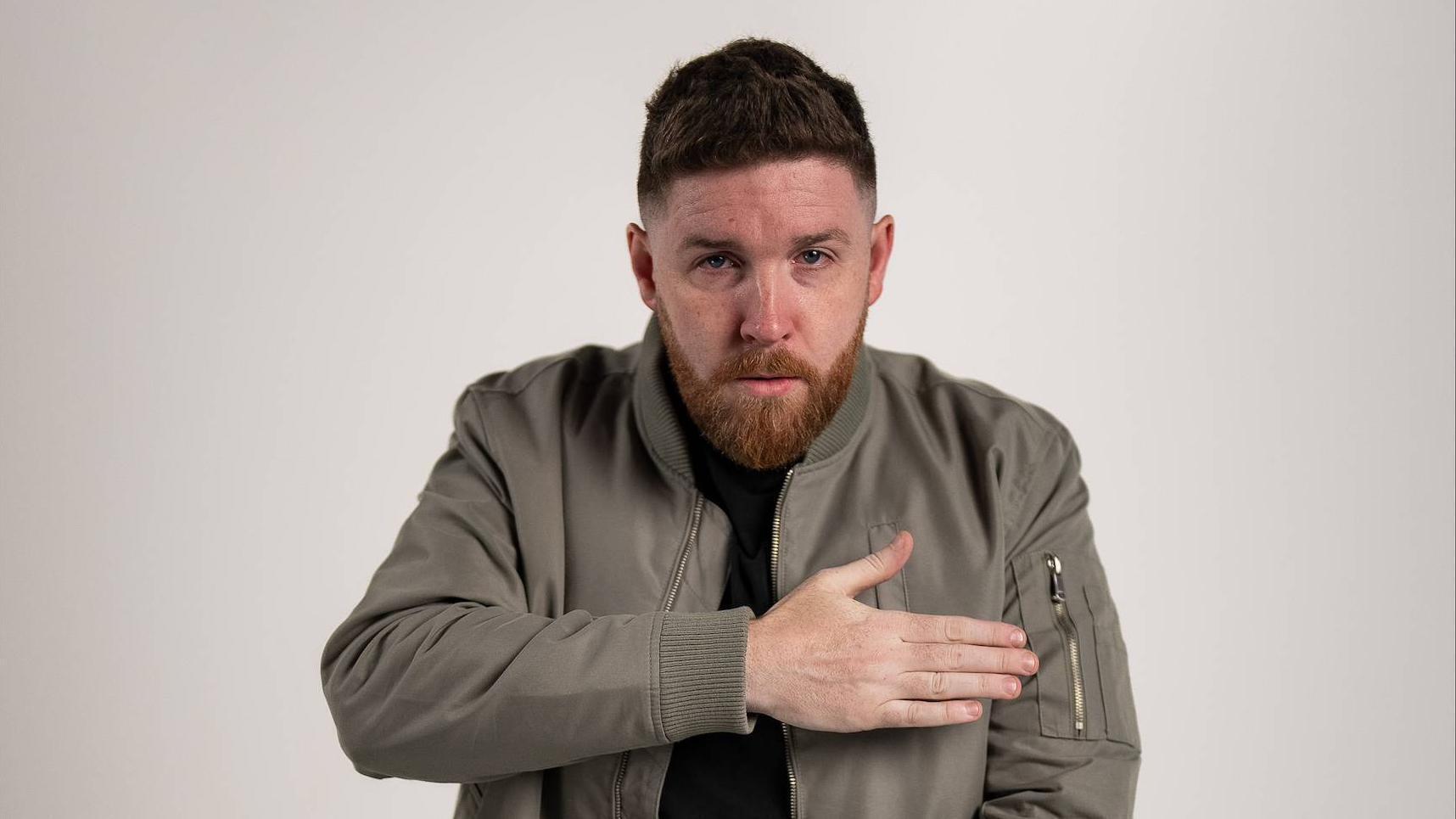
Ross Browne is at Cork Opera House in September.
Born in 1984, Ross Browne, grew up in Inniscarra, Co Cork. He was a professional wrestler from age 15 until about 30. In 2006, he began performing stand-up comedy. He starred in RTÉ television’s candid camera series The Fear from 2012. Later screen credits include The Young Offenders. He co-hosts the radio show Lorraine & Ross in the Morning on Cork’s 96FM. He will perform his stand-up show at Cork Opera House, 8pm, Saturday, 21 September. See: www.corkoperahouse.ie.
Growing up, I loved big Saturday night entertainment on TV. I loved the glitz and glamour of, say, Chris Evans’s Don't Forget Your Toothbrush. TFI Friday when I was 12 felt like the most badass show ever. First of all, the “F” stands for “fuck”. Drinking in the afternoon. There's live bands outside. You could hear people talking, not paying attention and laughing in the background. The interviews felt freewheeling. It felt like controlled chaos or that they were barely hanging on to control.
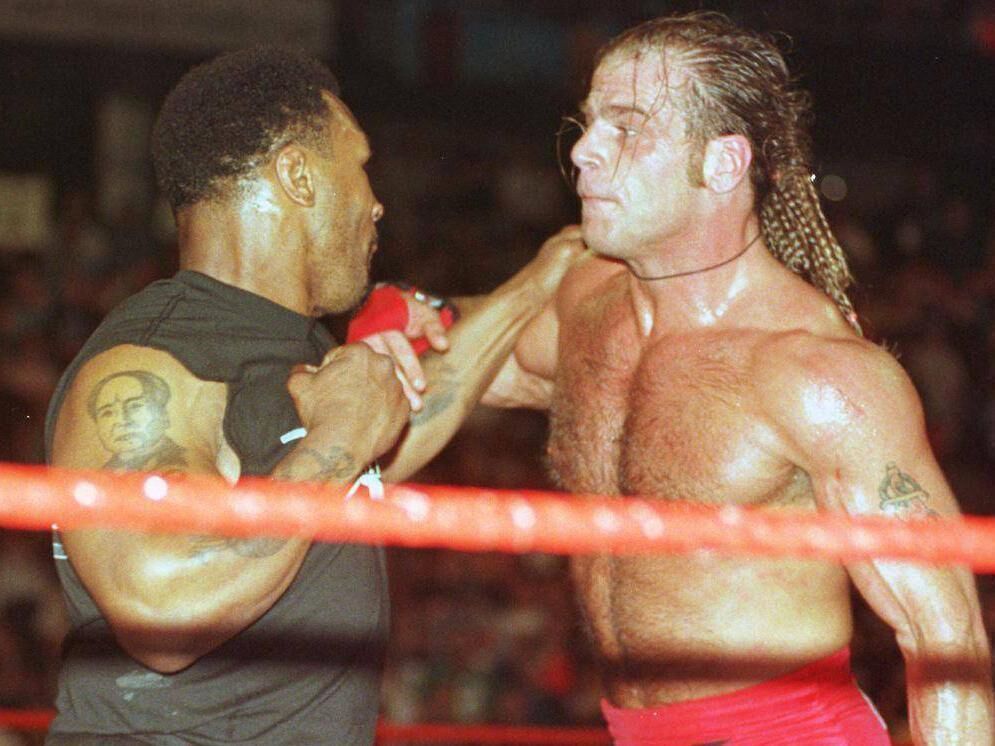
I was obsessed with professional wrestling. I loved the bad guys. The first star to capture my attention was Shawn Michaels. He was a braggadocious, over-the-top, cocky and arrogant wrestler. “Stone Cold” Steve Austin was the ultimate anti-hero. Sticking up the middle fingers at the crowd even when they loved him. Mick Foley was slightly deranged. I've done a stand-up gig with him. He's the most gentle man you could meet, but in his wrestling days, he was this wild, sadistic pain pervert, but humorous. It was the humour of him and “Stone Cold” Steve Austin I identified with.
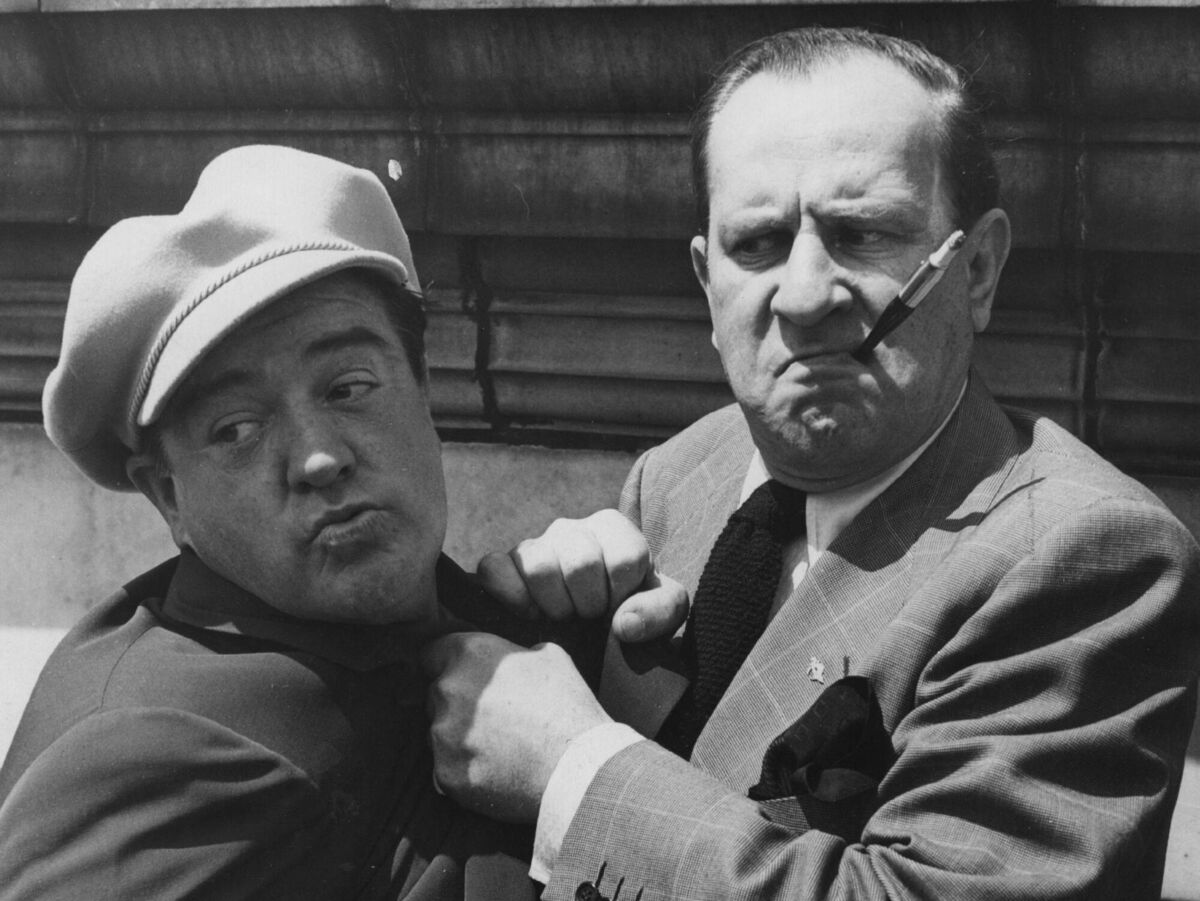
Abbott and Costello made their first movie in 1940. They came from vaudeville. In any double act where there's the straight man and the idiot, what you actually find is it's two idiots. It's just one of them is a bigger idiot. By proxy, the lesser idiot becomes the intelligent one. You need two idiots. Abbott and Costello's timing was incredible. Their baseball sketch “Who's on first?” is genius. It’s the whole playing with words. I love wordplay and when you create a puzzle and then tear the puzzle apart.
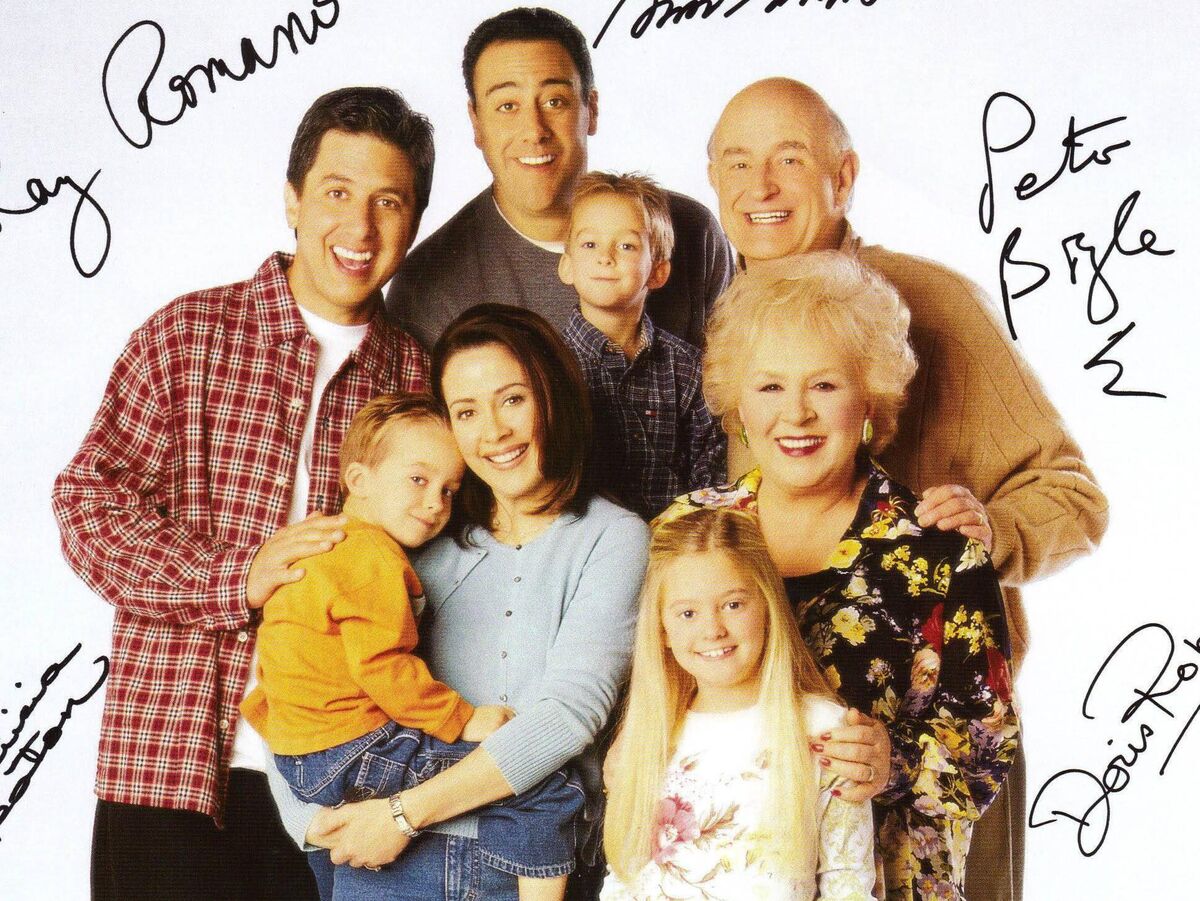
Everybody Loves Raymond is probably the greatest sitcom ever written. It ran for nine seasons back in the ’90s. It's written by Phil Rosenthal, a genius. It's based on the comedy of Ray Romano, about a guy, Ray, a sportswriter who wants a quiet, undisturbed life with his wife, daughter and twin boys, but all his parents – and his older brother, who's jealous of him – live across the road from him. They're the most interfering mother and the most interfering mother-in-law in the world. His dad is this overbearing neanderthal. It’s brilliant.
I love Steven Spielberg’s The Goonies. Watching it makes me feel what it feels like to be a kid. It's BMXs, tape cassette players, Bon Jovi music videos, early MTV generation. I love the idea of a group of friends, because as a kid I didn’t have that. Even though I was a performer, I was timid. I liked the camaraderie of these friends doing anything for each other and going on an adventure and being bold. I was always the kid that asked my parents. I remember once some guys in my estate climbed under a fence to get into a local soccer pitch and I walked home 20 minutes away and asked, “Can I climb under the fence?” So the idea of going underground and finding pirate treasure sounds like something I should have done.
A lot of people think comedians make up stuff on the spot and that it's different every night. It’s not, but Billy Connolly made you feel like he just thought of a story. He had that ability to make the audience feel like he's just shooting the shit with people in a pub. He gave the illusion of freewheeling improvisation. He also had this fantastic ability – what looked accidental but was actually a difficult comedic technique – to deviate from the story he was on, looking like he’d gotten distracted, tell an entirely different 10 minutes of a story, and then come directly back to the point he left off from the original story. Nobody else could do it like him.
I love Declan O’Rourke. I’m immersed in his music at the moment. I was late to the game with Declan. He’s a genius. He's romantic. Oftentimes, he steps into the dark and the morose, the stuff he did on the Famine was incredible. He's got this lovely, genuine touch. Authenticity is so important to me. He seems like the most authentic performer. The thoughtfulness comes through in all his work.
Evans appealed to me when I was younger because he was very animated, high-pitched, very cartoonesque. He wore this mis-fitting suit. He sweated loads. I love the art of storytelling, but what I loved about Lee Evans was he performed all of the act-outs as if the scene was actually happening all over again. He wouldn't just tell you a story. He’d re-enact it. I love the way he uses his voice and his body to fill in the gaps in the story. I would be quite physical and animated on stage as well. He’s definitely an influence.
Max Porter’s second book Lanny was the first of his books I read. It’s fantastic. It's very experimental fiction. He didn't write it in a linear structure. It's fragmented. A lot of it is almost poetry. Nothing seems to connect. Everything seems fractured until the further in you get. It's almost like you're connecting all of the pieces you've already read together retrospectively. By the time you get to the end, it all falls together as this lovely tapestry. He's got this fantastic ability to confront the things a lot of writers avoid, which is not leaning away from the truth of a subject for fear of being called soft or uncool.
Kevin Barry is very visual, very cinematic in the way he writes, even if he's writing about sitting on the top of an apartment in Cork or one of The Beatles coming over to the West of Ireland to buy an island. City of Bohane is the most post-apocalyptic, steampunk Gangs of New York version of an Irish city you could imagine. I could see and feel every character. His dialogue is better than most screenwriters’ dialogue. No sentence isn't either funny or cool or slick and it's undercut with this fantastic, Irish-y writing style. He hacks at spellings and punctuation, sounding out the word when he writes. I heard him say regarding City of Bohane, “read the characters’ voices like you're from Cork, Limerick or you're a traveller.” Immediately, I knew I was going to enjoy reading it.