Podcast Corner: Three shows for fans of the late, great Edna O'Brien
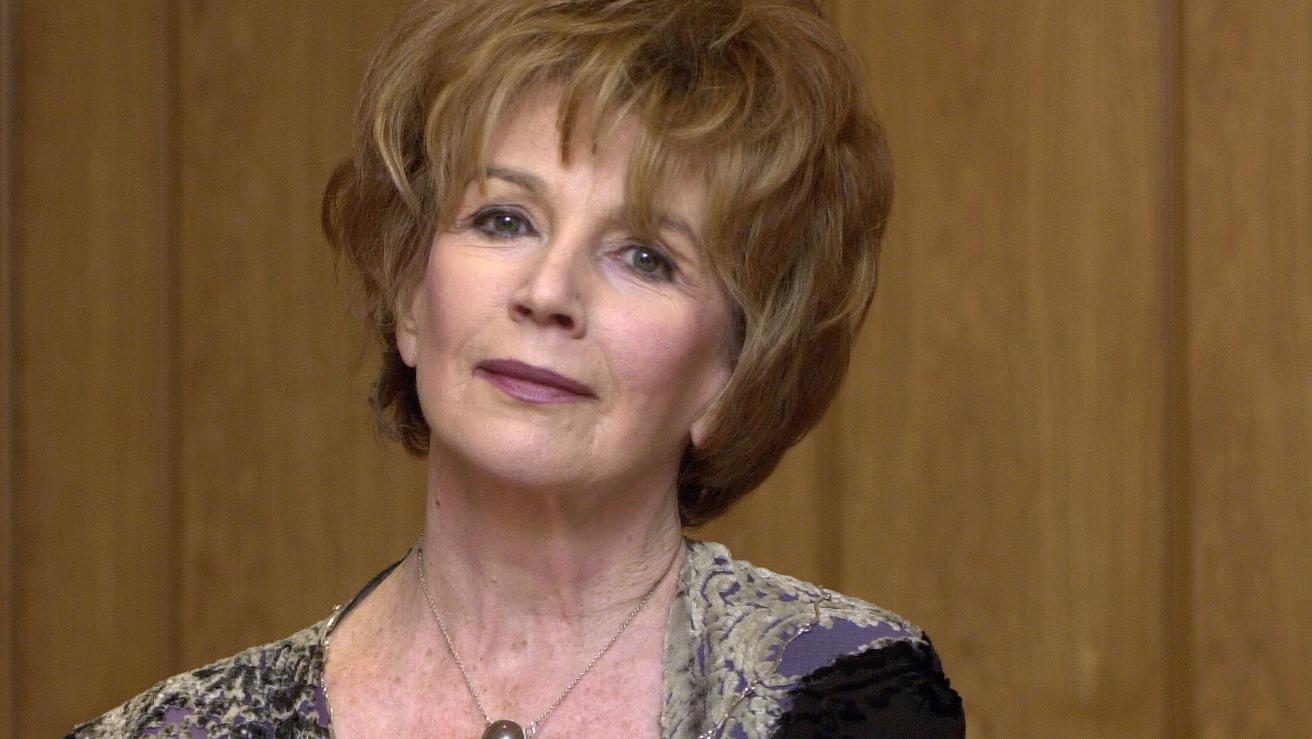
Edna O’Brien included The Pogues and Maria Callas in her Desert Island Discs selections. Picture: Joe Dunne/RollingNews.ie
The sad news over the weekend of the passing of one of Ireland’s greatest writers, Edna O’Brien, will have sent many reaching for their bookshelves and a well-thumbed copy of . There are plenty of audio treats both featuring and about O’Brien to delve into as a reminder of her genius.
A journalist and radio presenter, Joe Jackson delved into his archive within 30 minutes of hearing of the passing of O’Brien on Sunday evening. His podcast, running for three years, is a treasure trove of interviews from his career spanning some 1,400 interviews with people in the worlds of arts, politics, and entertainment. Jackson talked with O’Brien in 1992. Her incisiveness is instantly evident as she tells him: “If people don’t recognise malevolence… I can tell within one second of reading either a review or a piece about someone, the stance of the writer. And I can tell from that stance if their whole agenda is to slice someone up.”
From Canada’s CBC Radio, this show only recently featured an interview with O’Brien, to mark the 200th anniversary of Lord Byron’s death — her portrait of the ‘world’s first celebrity’, , was released in 2010 and this interview is from around then. Talking about , she says: “I think the reason it created such a furore was there hadn't been really a tradition of women writers in my country, perhaps in many countries. That was one reason. The other was by the nature of the style which I chose to write it in — because the style of each of my books I think is different — it seems as if it's merely a diary or a confession. Well, as we all know, there's more to a book than just slinging down a letter or a diary. But it seemed like that.”
O’Brien was on the long-running BBC show in 2007 and of course Kirsty Young is the perfect guide through O’Brien’s life. How did the author meet her husband, asks Young. “Well, where many Irish people meet, funnily enough, in a public house.”
Later, O’Brien is asked does she feel she had to choose between writing and love (she had taken a 10-year break from writing beginning in 1978). She replies: “I do. The choice has to be made because both are very hard taskmasters. But also, if I were to fall in love again before I die — and this is boastful, but why not be a little boastful — I would hope for an extraordinary man who was a great poet as well as a great journeyman on the earth.”