'Winning the Booker was insane': Paul Lynch at West Cork Literary Festival in Bantry
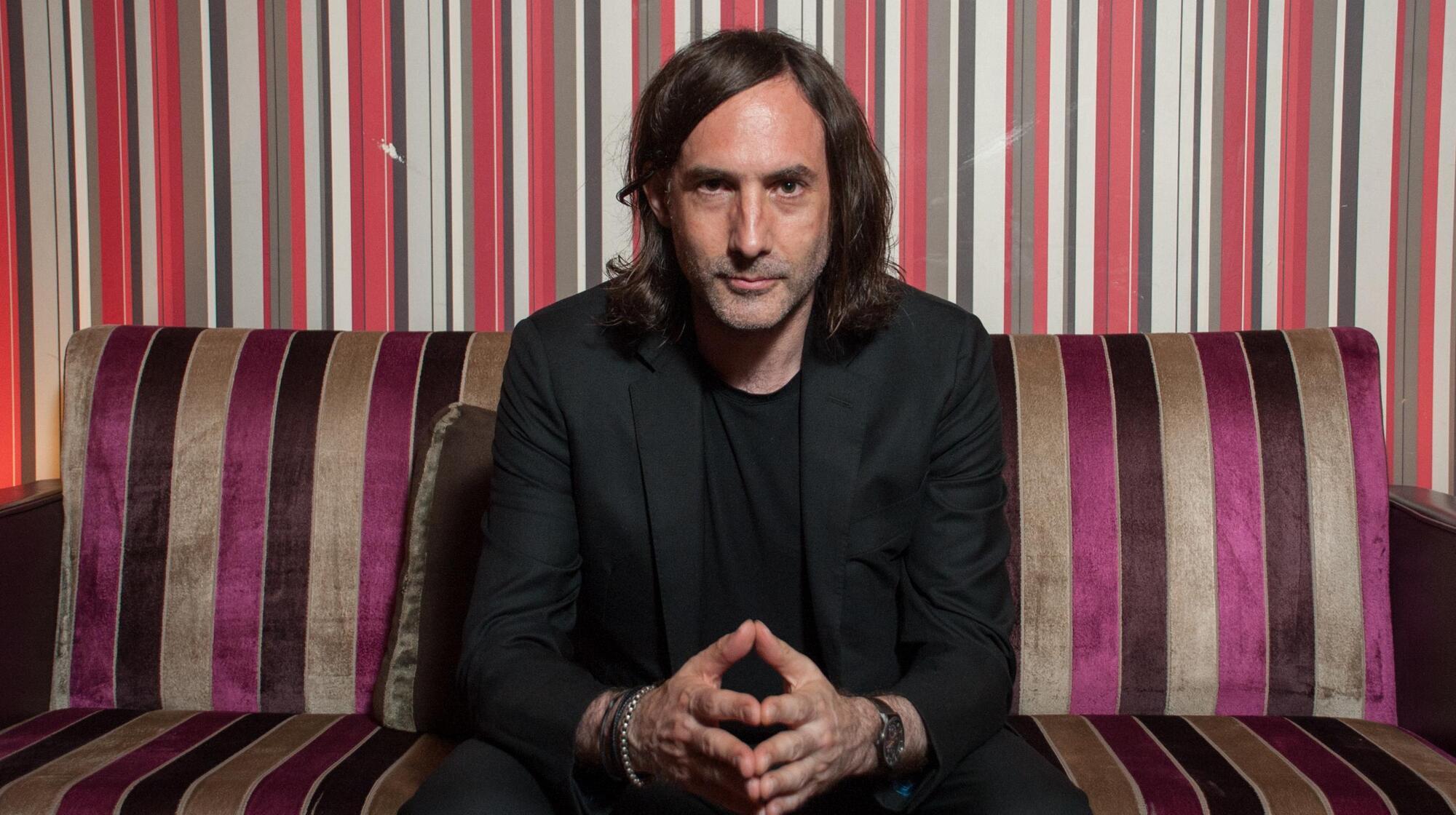
Paul Lynch in Bantry for West Cork Literary Festival. Picture: Karlis Dzjamko
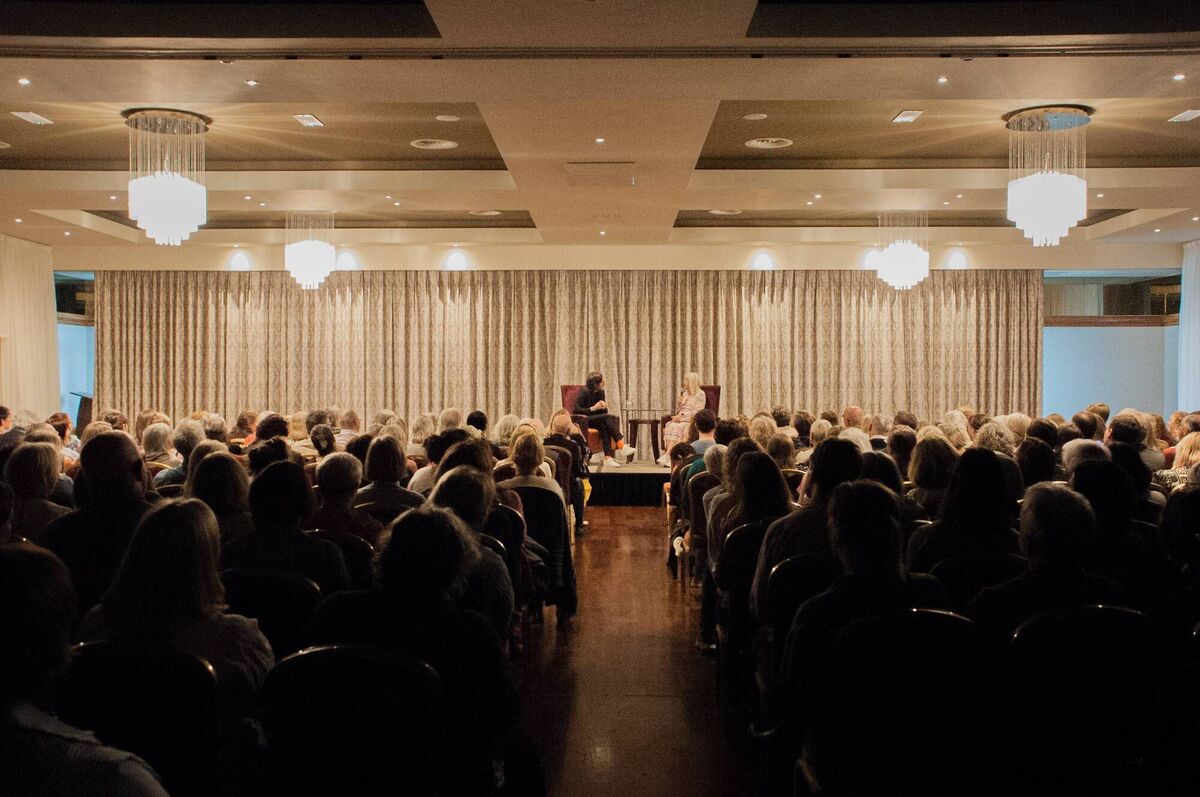
Paul Lynch makes no bones about it; winning the Booker Prize in 2023 for his fifth novel, Prophet Song, has changed his life. "Winning the Booker was insane. I've done at least 200 interviews," he told the crowd at the Maritime Hotel.
The prize money and the surge in book sales have been welcome, of course, but with them has come a massive loss of solitude. For one who values his privacy, there have been some surreal moments; popping into a pharmacy during an interview with the Sydney Morning Herald journalist Helen Pitt in May saw her profile being headlined, The day I shopped for hair products with Booker Prize winner Paul Lynch.
Lynch’s appearance at the West Cork Literary Festival comes on the same day as UCC academic Dr Dónal Ó Drisceoil’s lecture on Cork University Press’s forthcoming Atlas of the Irish Civil War. Just as that doorstopper investigates a tragic and disruptive episode in Irish history, so Lynch’s novel could be said to investigate a period of dysfunction in Ireland’s future, when the country succumbs to fascism.
Interviewed by literary journalist Sue Leonard, Lynch speaks of how the novel took him four years to compose. An earlier project failed to ignite, but he knew he had something solid to work with when the character of Eilish appeared on the page. He talks of writing in almost mystical terms. When Leonard asks why he adopted a female voice for the novel, Lynch insists he had no choice but to trust his intuition, or daemon.
He is well aware of how Prophet Song has chimed with political developments across the world. It’s a global novel, he says, but also distinctly Irish. He speaks of his concerns about publishing the book in Russia, and his gratification on learning that doing so has been welcomed by that country’s independent thinkers as “almost an act of sedition.”
One of the wonders of Prophet Song is its characters’ willingness to accept – and even excuse - the small, uncomfortable changes that foreshadow despotism. Lynch points to people’s right to march as a tipping point in social breakdown, and recalls a recent trip to Italy, where a journalist told him that people can still march, but in doing so they risk being beaten up by the police.
Lynch takes questions from the audience. Along with the compliments from several admirers, one woman objects to his disinclination to condemn neo-liberalism and toxic politicians more explicitly in his book. “But that’s your novel to write,” he replies briskly. “Mine is doing something completely different.”
Another asks if he will produce a sequel to Prophet Song. No, he insists, satisfied as he is with his decision to end the book on a question mark.
- West Cork Literary Festival concludes on Friday, July 19
Read More