Laethanta Saoire: When It Was Still Just Us Three, by Molly Aitken
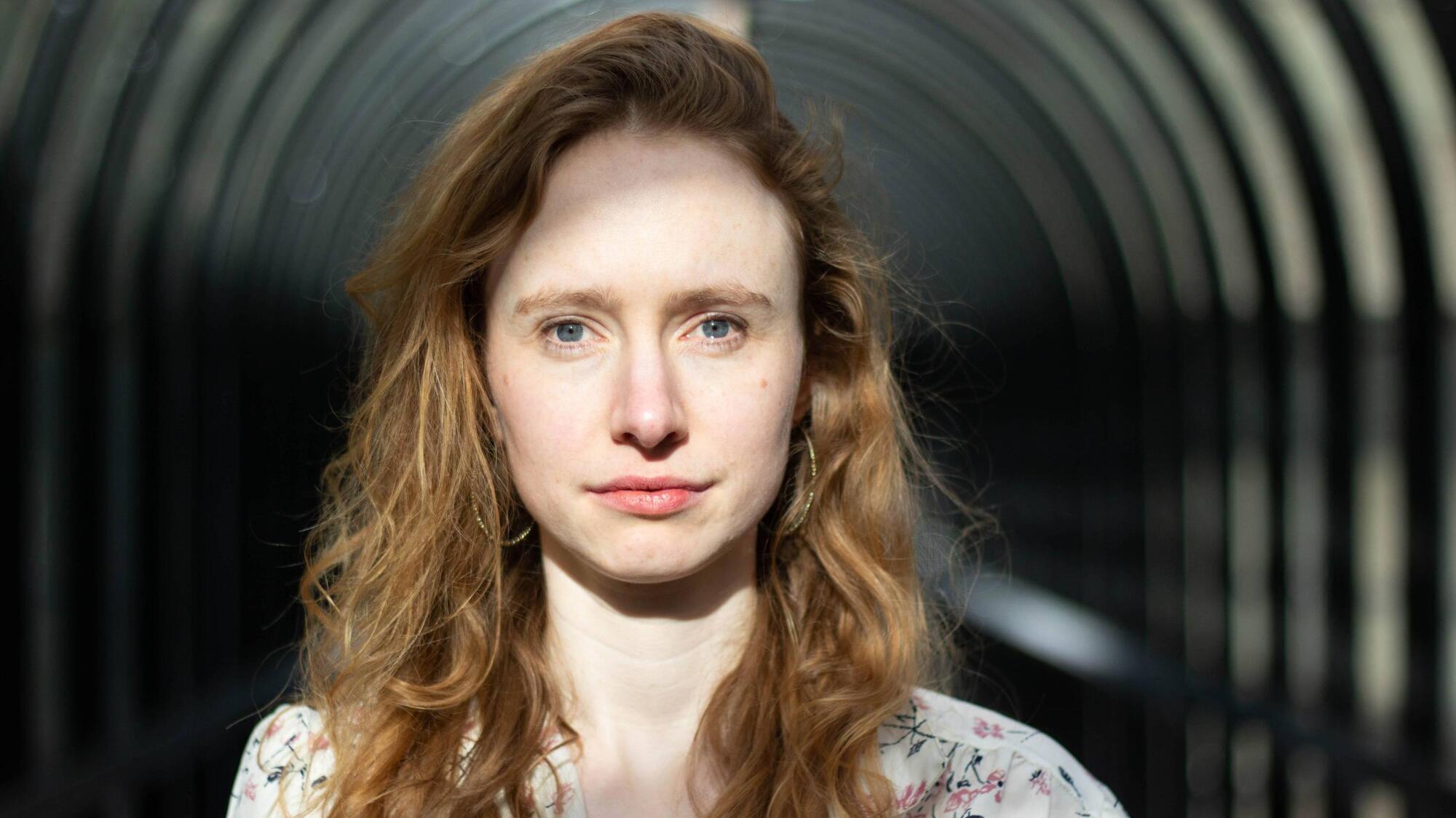
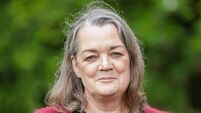
Molly Aitken, author. Picture: Christy Ku
But there we were, the three of us – and, of course, our boyfriends of the moment – sailing to Heir Island. The wind was not up to much so we took it in turns to row, some of us making swifter progress than others. We were self-consciously aware of our gorgeousness, our hair sea frizzed, lips chapped, sunglasses flashing. We felt no danger in the boat, despite knowing that it was repaired by one of our dads, and wasn’t he prone to cutting all sorts of corners? The three of us were still so young, only halfway through our degrees at Galway University, and all the wild things still possible.
Nestled between our legs were two fraying Supervalu bags for life. We had wedged them with tubs of beetroot and chickpea salad (drenched in obligatory lemon dressing), a few bars of mint chocolate and ten or eleven bottles of cider. We shared a bottle between us three and by the time we moored the boat, we’d already drunk four. Above the sky was overcast and, of course, none of us had lathered sun cream on before heading out. We were twenty years old, and far too busy for that.
We traipsed across the island to the furthest beach, because wasn’t it imperative we stretch our legs after spending so long at sea? We took it in turns to carry the picnic bags, fingers chaffing against each other as we passed them between us, letting our heads rest briefly on each other’s shoulders, brushing bugs from each other’s shorts, listening to the crunch of our walking boots on the gravel. Of course, we fell to whispering about our boyfriends who lagged behind in their male cluster, no doubt sensing, as they often must have done with us, that they’d been pushed out.
One of the boyfriends was Swedish or Norwegian or Scottish, and he kept stopping to take photos of flowers and the road and the other boyfriends. But we barely saw the sea or the sky or the island, because we’d been here too many times to count: crab fishing off the pier with our dads; the biology school trip where we’d tried to sneak off to gossip in peace but the teacher had caught us; that time one of our parents rented a cottage for our eighteenth birthdays and two of us had kissed and how we’d all laughed, our breath hot and reeking of beer.
There had always been a sense between us that we needed to rush away from West Cork. It just wasn’t for us. We’d all agreed. We were the children of blow ins and so even when we’d befriended our peers at school we knew that we’d never really fit with them. We were too aggressively ambitious, too fanciful, too weird. At this point, that was fine by us. We’d come back from Galway with our superiority and our foreign friends and our egotistical wild dreams. We didn’t need to be here. We were just back for the craic and our parents and to show these boyfriends the places that had shaped us.
We walked, our sentences loaded with succulent plans for living in Italy and France and Malta. Our ideas were just hot notions of lazy days, parties, new sexual partners and even new friends, but we breezed over them. None could replace any of us. It wasn’t possible, but we agreed we’d have to give our boyfriends the boot. What use was there in an Erasmus if you were pining for a man back home? None of us mentioned how we’d all found strange new housemates online who were probably filthy or addicts or hilarious or gorgeous, but we’d visit each other in our new home countries, because ‘the pizza’, ‘the wine’, ‘the boat we’d take out to that lagoon’.
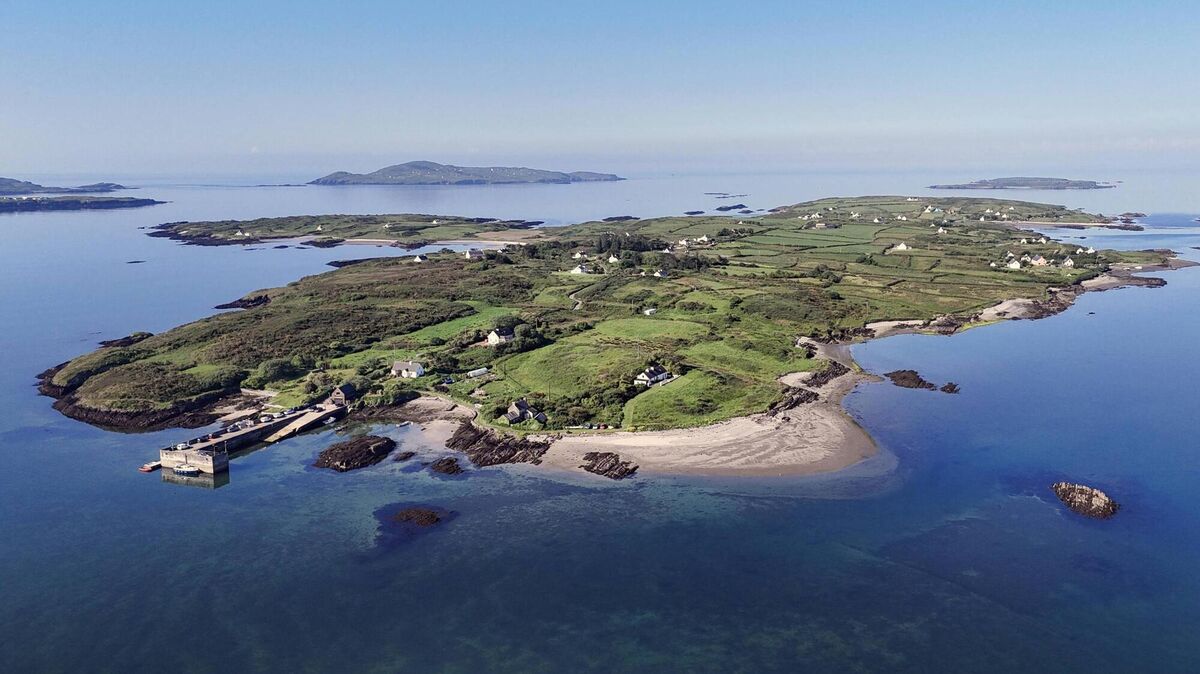
We reached the beach without our boyfriends. Like all tourists, they had vanished amidst Heir’s thick grass and rough roads. We had forgotten to bring a blanket but threw down our jackets. The sun knifed through the fleeing clouds and so we stripped down to our swimsuits and laid out, admiring, comparing, devouring each other’s pale bodies. We laughed at how next year, when we were all abroad, our bland Irish skin would blend into the sand. We would look like bikinis abandoned on the beach.
Two of us snuggled up to get warm, refusing to get dressed because hadn’t we only just taken our clothes off? The third ran into the sea. We vaguely wondered where our boyfriends were as now would be a good time for a photo. All of us windswept, and deliciously imperfect. Our freckled shoulders on display, our squinting eyes. These were the things worth remembering, we said.
We were suddenly all very cold, skin turning all goose-pimpled and bluish. We enfolded each other, dragging the jackets up over our legs, giggling and rubbing our own arms and each other’s backs. Then the boyfriends did arrive looking sheepish and sweet, and we teased them and tried to charm them into the water. They refused because who would want to be those people that caught pneumonia in July? So we ate our tubs of salad and drank the remaining ciders, and despaired over the melted chocolate. We were listless then. All the food. We smoked three cigarettes. We draped our legs over our boyfriends and rested our heads in each other’s laps, stroking each other’s wild hair, making it even wilder.
This was the last time we’d be together in this way, unencumbered by things like bored spouses, delicious children and important jobs in soft fields like therapy and journalism and charities. At the end of the summer we’d scatter to our three different countries. Even though we had all promised to spend half our years abroad on trains and Ryanairs across Europe, we would only see each other sporadically for spritzes and salty crisps in piazzas. We would never quite manage to meet up just us three again.
So this was it, the day I would gorge on in the years to come. Us three girls so filled up with the pleasure we took in our young selves and all our possible and probable futures ahead.
We were laughing again as we headed back to the boat. Later, back at the house of one of our parents, one of us would weep with the sun burn, another would have to extract a tic from beneath someone else’s small breast, and years on we’d all say, when we could barely conjure those boyfriends’ names to our lips, what a good day we’d all had on Heir Island, that summer before we all left Ireland for good.
We sailed the boat home. The wind was finally with us, and on this stretch of water, together, we were so serious and yet so quick to laugh. That’s youth, isn’t it? It happens under blazing blue skies and everything is weighty yet unimportant. We all looked back at the island and none of us took a picture.
- Molly Aitken grew up in Ballydehob, and is the author of Bright I Burn, a novel that re-imagines the life of Alice Kyteler, Ireland's first 'witch'. Molly's debut novel, The Island Child, was longlisted for the Authors' Club Best First Novel Award. Molly was a recent guest at West Cork Literary Festival is now studying for a PhD in Creative Writing and History at Sheffield Hallam University.