Culture That Made Me: Playwright Mark O'Rowe on Radiohead, Chekov and Jackie Chan
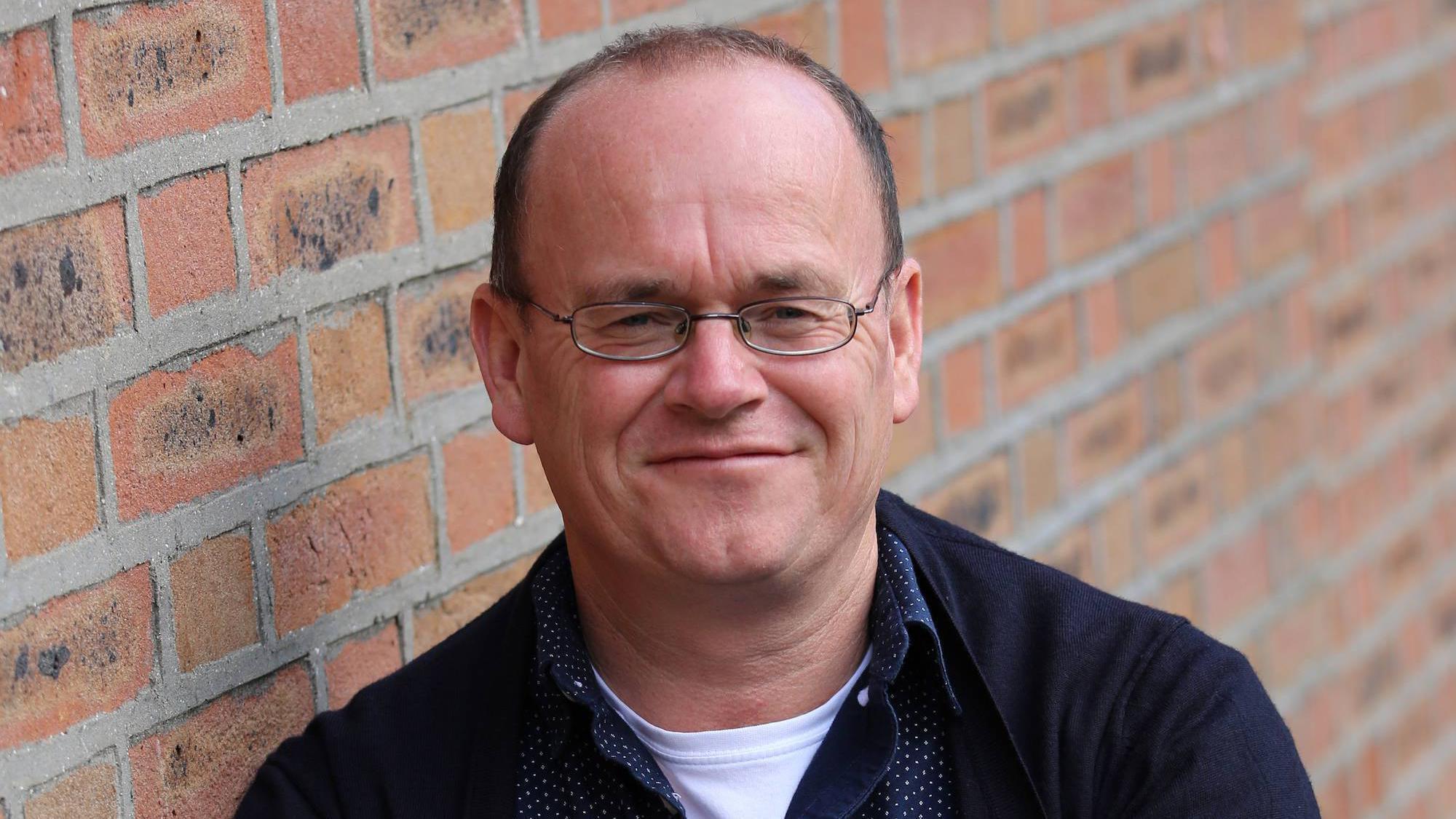
Mark O'Rowe launches his latest play, Reunion, at Galway International Arts Festival.
Born in 1970, Mark O'Rowe grew up in Tallaght, Dublin. His plays include Howie the Rookie and Terminus as well as several adaptations such as Henrik Ibsen’s Hedda Gabler. He also writes for film and television.
His screenplays include Intermission, Boy A and The Delinquent Season, which he also directed.
Reunion, his latest play, runs at the Galway International Arts Festival until Saturday, July27. See: www.giaf.ie.
Reading Elmore Leonard was the first time I became aware of an author having a distinctive sound. I love the quality of his writing, its music in both prose and dialogue, the sheer present tenseness of what’s going on. You don’t read him for his plots, which meander sometimes, or for depth, which there isn’t a lot of, just for the sentence-to-sentence experience, which is pure pleasure.
I learned through Anton Chekhov’s four great plays – The Seagull, Uncle Vanya, Three Sisters and The Cherry Orchard – that stories don’t always need to be propelled by great narrative drive or contain characters whose motivations have been worked out like a maths equation. There are mysteries here that are never solved, and that’s why they constantly feel alive, re-approachable and real.
I can't believe Radiohead’s album Kid A is 24 years old! I love Radiohead. Their music is so complex, evocative and beautiful. That moment at the end of 'How to Disappear Completely', when it feels like you're flying!
They've been a constant in my adult life; in fact, theirs is the only music I can play while writing! At the moment, I'm listening to this album every day after rehearsals as I walk home.
I was given Alexander MacKendrick’s On Film-making: An Introduction to the Craft of the Director as a gift over 20 years ago, and of all the books I’ve read on dramatic writing, it’s the best. MacKendrick was an American filmmaker who directed several Ealing films, as well as The Sweet Smell of Success. Despite its title, about 80 percent of the book is on dramatic storytelling. I still come back to it for inspiration, or just to remind myself of the fundamentals.
I adore Sidney Lumet, but Network is all about Paddy Chayefsky's script. Some people think it's overly literary, but to me, seeing great actors like Finch, Holden, Dunaway, Duvall, Beatty and Beatrice Straight wrestling with this dense, almost Shakespearean dialogue is a complete thrill. Everyone involved committed completely to the insanity.
David Mamet’s play The Cryptogram is a quiet, unsettling story about our blind spots, how, when we’re too distracted by our own concerns, we often take our eye off other, more important things. The play has a constant sense of dread. Tragedy has crept in the door, unnoticed. We just don’t know yet what form it’s going to take. It's rarely done, probably because the dialogue is typically tricky, and one of the main characters is a 10-year old boy. Mamet was a huge influence when I was younger. I read a book of his short sketches, which were strange and funny, and decided to try writing my own, each about two or three pages long. Not long after I wrote my first play.
made me believe that evil might exist as a force outside of man's own actions.
I was a big fan of Jackie Chan’s Police Story as a teenager. It’s his best film. The humour is lost in translation, and the plot is barely there, but the set pieces are unbelievable. The shopping mall finale is something I re-watch and remain gobsmacked by.
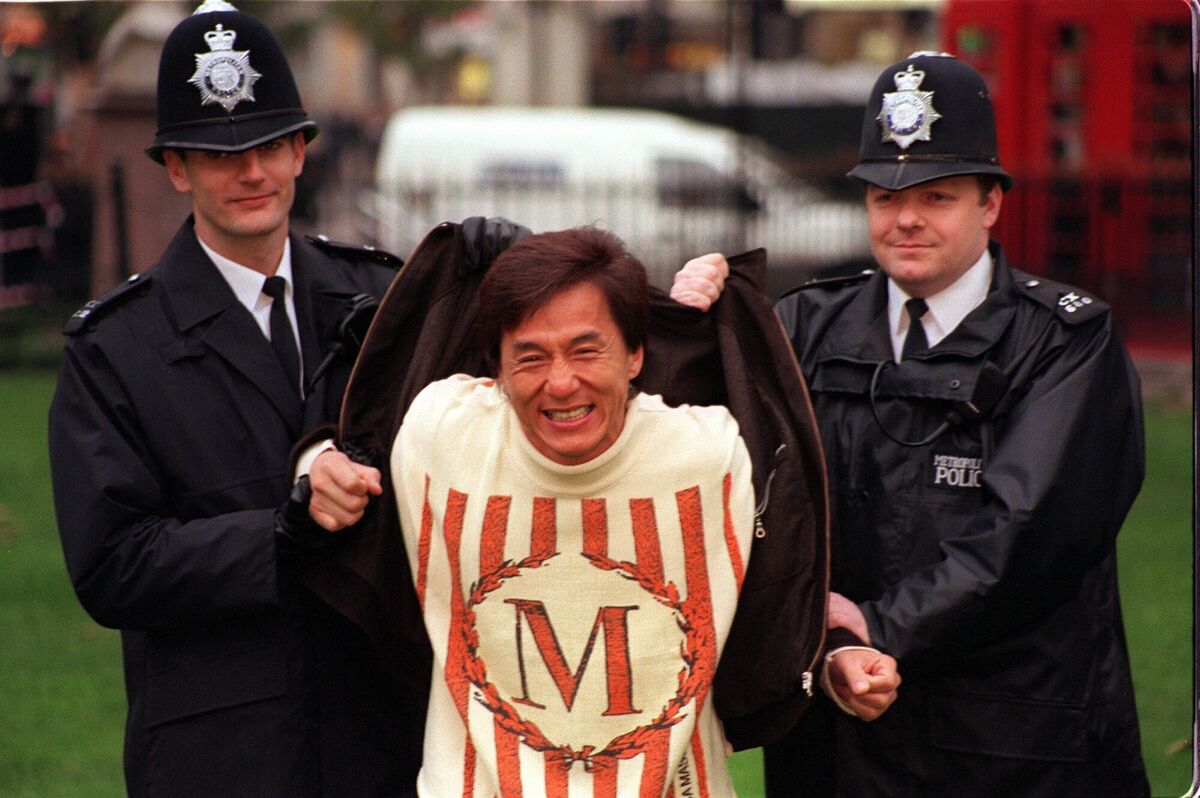
For decades, filmmakers have been using fast editing to make unskilled fighters look skilled, but watch how long each take is here, all the better to appreciate the astonishingly inventive choreography and physical prowess, and to see what lengths these artists – who literally risked their lives – went to in order to entertain and delight us.
Philip Roth’s Everyman is underrated. It's a short book. Coming after his great trilogy – American Pastoral, I Married a Communist, and The Human Stain – maybe people felt it was a little unambitious? It’s about ageing and coming to terms with death, one of the saddest books ever. I’ve read it five or six times over the years. The older I get, the more difficult it becomes to finish. It’s a painful, even terrifying, experience, yet exhilarating in its artistry. I love Roth, his fearlessness, the beauty and density of his prose, his refusal to be anyone but himself.
Jean Renoir’s film Rules of the Game influenced my play Reunion. It’s set on a giant country estate just before the second world war. It’s a large ensemble piece with multiple characters and storylines. It’s amazing how his camera glides around this big house, following one character, then veering away to follow another, almost at whim, as they play out their respective (and connected) stories. Class is one of its big themes, but really, it’s just a great humanist drama, with selfish, flawed, but ultimately beautiful characters.
No Country for Old Men by Joel and Ethan Coen is one of my favourite movies. Talk about economic storytelling. They give the audience work to do, which is gratifying.
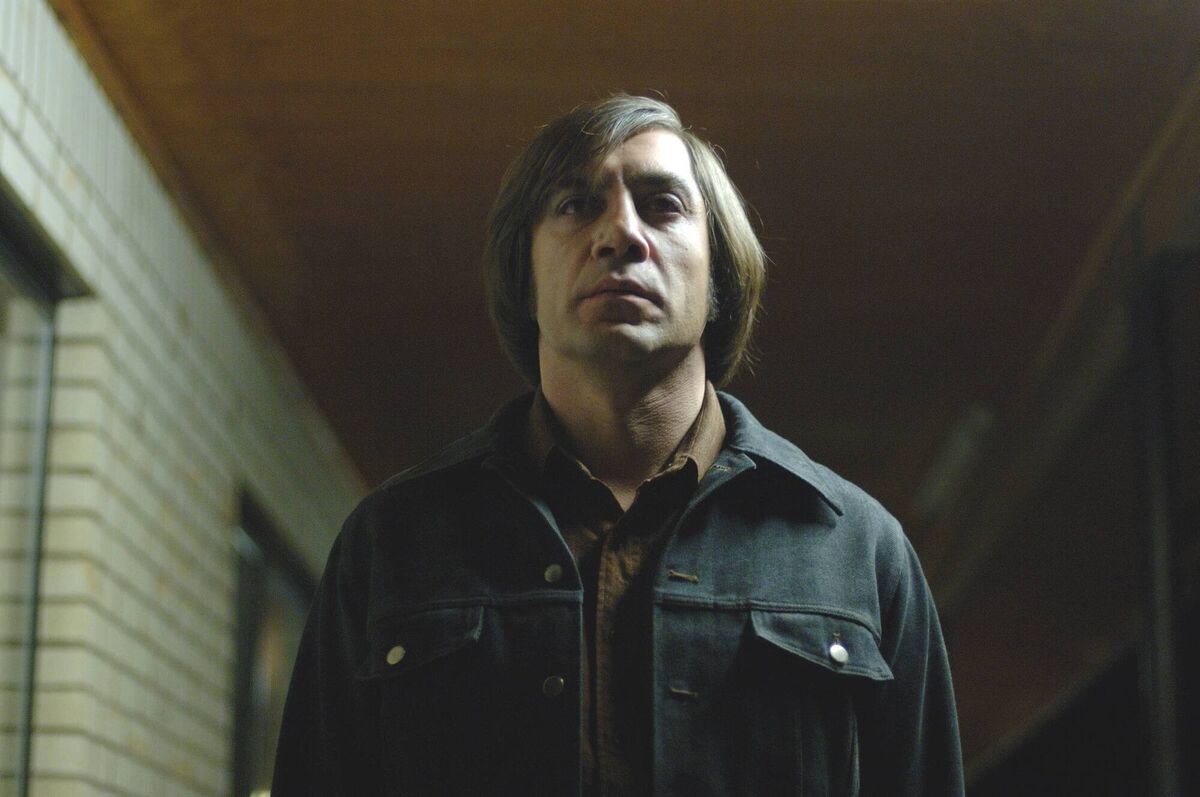
I love the scene near the end where Sheriff Bell goes to visit the old man Ellis, and they discuss how Bell's uncle died, gunned down outside his house, and how his wife had to bury him the next day, "Diggin' in that hard caliche." So beautiful.
Speaking of No Country for Old Men, I've been reading Cormac McCarthy since my twenties. I've read all his major works at least three times, and his last, The Passenger, I read three times in a row. My God, the sheer ambition of it, the despair, but also the mystery, the sense that there is some great meaning hidden in there waiting to be decoded. Its sister-novel, Stella Maris, is also amazing, and contains a description of the experience of drowning I'll never forget.
Robert Bresson’s film L'Argent is based on a Leo Tolstoy short story. It’s about a forged banknote that gets passed from hand to hand, its effects eventually leading a decent man to murder. I first saw it in my late teens, and it marked me in ways I can't describe. The blank acting style of Bresson's actors, and the way the camera focused on unusual details – a grasping hand, a bowl of coffee, an overturned table – gave the film such a palpable quality. The plot’s horrifying inevitability almost
I read Marilynne Robinson’s Gilead while one of my sons was going through a particularly difficult period a few years back. Its almost biblical story of fathers and sons, of patience and fortitude and acceptance, helped me to get through it. Robinson is one of the wisest writers around and comes closer to a universal truth (comforting in some ways, and in others not) than anyone I've read. It somehow feels like a work that's always been around.