Book review: Kaleidoscope of lives put on Parade

Rachel Cusk's latest 'novel' takes a bigger step away from convention, having no plot, and very little character development or scene-setting
Book review: Kaleidoscope of lives put on Parade

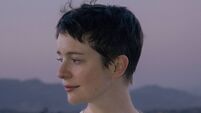
Author Rachel Cusk is known for her essays on art, especially the challenges facing the female artist. Picture: Siemon Scamell-Katz

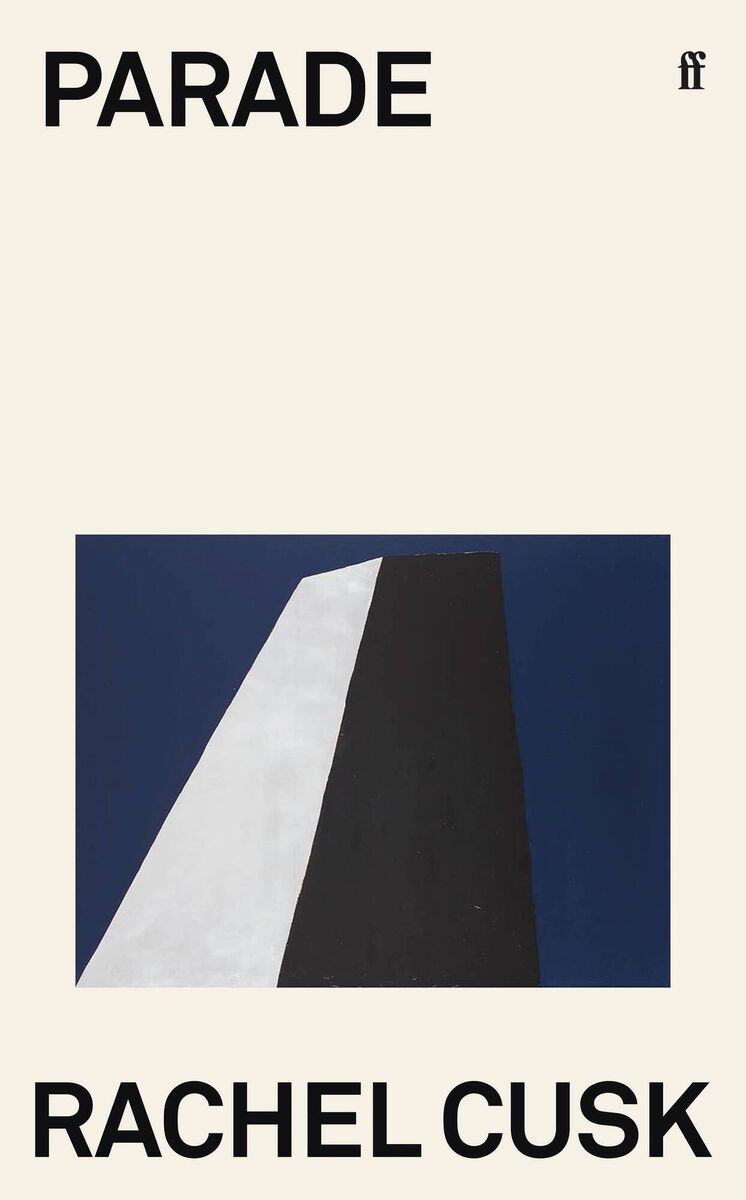
  • Parade 
  • Rachel Cusk 
  • Faber, €17.40 

Rachel Cusk is known for her innovative autofiction, most recently the ‘Outline’ trilogy, and for her essays on art, especially the challenges facing the female artist. 

Her latest “novel” takes a bigger step away from convention, having no plot, and very little character development or scene-setting. The New York Times called it “Sterile, ostentatious and essentially plotless”.
That is a fair comment. There is a lot of leaden, impenetrable art-talk — “I find something deathly in the interference of illusion with reality,” for example, but in the rare moments when the novel comes alive, it is both bracing and stimulating.

There are four sections, each featuring loosely interconnected characters: The Stuntman, The Midwife, The Diver, and The Spy.

The “parade” consists of a succession of successful artists, all known as G, all considered in the light of their thoughts on the making of art, their relationship with their partner and children, and breaking free of the influence of their own parents.

They are all in pursuit of “the root of being that is the sole source of artistic worth”.

The question of why women artists sabotage their art by having children is considered from many angles. Can a woman be an artist only if she refuses to love?

There are frequent disorienting changes from first person singular or first person plural to third person. 

Eventually the reader gets used to not knowing who is speaking, and it doesn’t seem to matter. 

Scene setting is generally minimal, for example: “They lived in a region of forests some distance from the city.” Nevertheless, the overwhelming impression is that the novel is set in mainland Europe, and that the majority of the artists are affluent and well-educated. No one is starving in a garret.

Other characters referred to as G include a sculptor, clearly based on Louise Bourgeois, a 19th-century painter of self-portraits who died young in childbirth, obviously based on Paula Modersohn-Becker, (whom Cusk has written about elsewhere), a male Black artist whose work, we are told, is marginalised in the same way as that of women artists, appreciated but accorded no significance, and a film-maker who anonymously made a series of films, “little homespun tragedies”, with no clear beginning or end.

G’s wife is attacked, as was Cusk when living in Paris, on a quiet, sunny city street by a stranger, a deranged woman who hits her forcibly in the head, causing interesting repercussions. 

“Being hit in the head, I now saw, had been both real and unknowable, was the inversion of representation while being ultimately representative. The world is upside down, a friend of mine said when I told her what had happened to me.”

The most memorable parts are those which feature evocative scene-setting, particularly a remote farm and cottage on a small rocky island (Greek, perhaps), visited several times by a couple on holiday (“we”), whose identity the reader only gets to know later at a boozy al fresco dinner.

The dinner, in a hard-to-find Italianate courtyard with globe-like lights and a magical atmosphere, is a highlight. 

It features a genuinely interesting conversation at a table of shocked museum staff and speakers assembled for a day conference about G that was suddenly cancelled due to a suicide in the gallery.

“The dark hot night had deepened, and in the courtyard a state of fever seemed briefly to mount as the sounds of conversation and laughter converged and became indistinguishable, and the waiters hurried among the packed table with loaded trays.”

Parade will either delight or infuriate its readers, depending on their level of interest in the lives and achievements of artists through the ages, and the eternally unsolved conflict of being woman, mother and artist.

BOOKS & MORE

Check out our Books Hub where you will find the latest news, reviews, features, opinions and analysis on all things books from the Irish Examiner's team of specialist writers, columnists and contributors.

More in this section

Scene & Heard

Newsletter

Music, film art, culture, books and more from Munster and beyond.......curated weekly by the Irish Examiner Arts Editor.

Cookie Policy Privacy Policy Brand Safety FAQ Help Contact Us Terms and Conditions

© Examiner Echo Group Limited