Author interview: Nicholls’ latest romance tells a complex tale of love
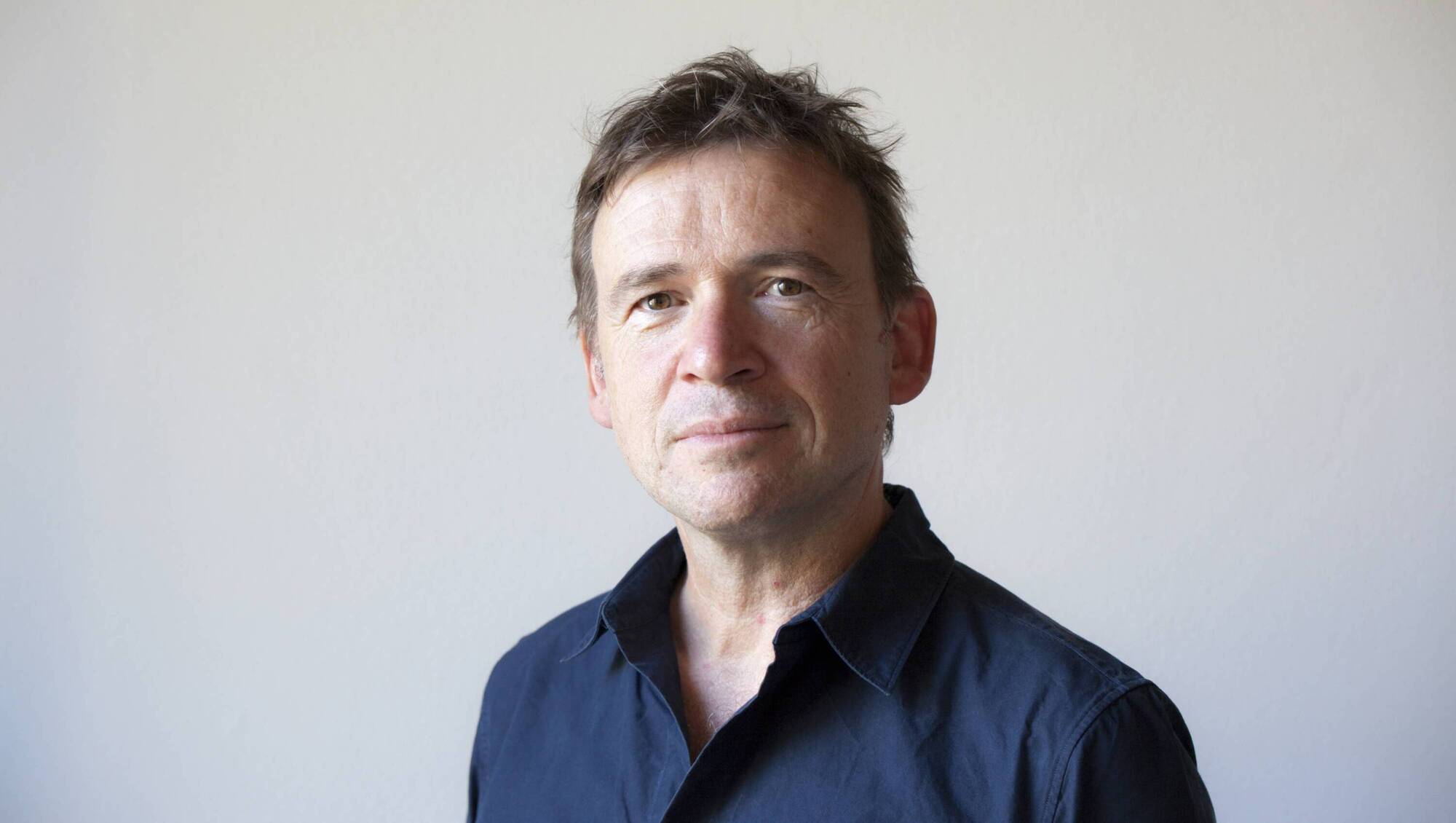
David Alan Nicholls Ú uno scrittore, sceneggiatore e autore televisivo inglese. Mantova 7 settembre 2019. (Photo by Leonardo Cendamo / Getty Images)
- You Are Here
- David Nicholls
- Sceptre, £20
When David Nicholls recently dropped into a café near his London home, it was thronged with young people holding copies of his book and taking photos on their smartphones. The café features in the Netflix adaptation of the classic modern love story about Emma and Dexter, who first meet at their university graduation; the book tracks their relationship on the same day across three decades.
When was published in 2009, it became a literary phenomenon selling millions of copies around the world; when the screen adaptation was released earlier this year, it too became a massive hit. The selfie-taking youngsters were oblivious to the fact that the man in their midst had written the book which had inspired their pilgrimage.
“The teenagers in the café were paying a little kind of pilgrimage to it, to the locations, with their books and taking photographs. I said hello, and you could genuinely see them thinking ‘who is this? why is this old man talking to us?’ Nicholls is surprised and gratified by the way continues to resonate.
“I absolutely love it and I’m thrilled. And I'm also aware how much older I am than that new generation of readers. For them, it’s kind of a historical novel — it’s literally like me reading a book about the 1950s, so it’s a huge surprise.”
When I chat with Nicholls, he is in the enviable position of having two books on the bestseller list — which is selling to a whole new generation thanks to the Netflix adaptation, and , his most recently published book.
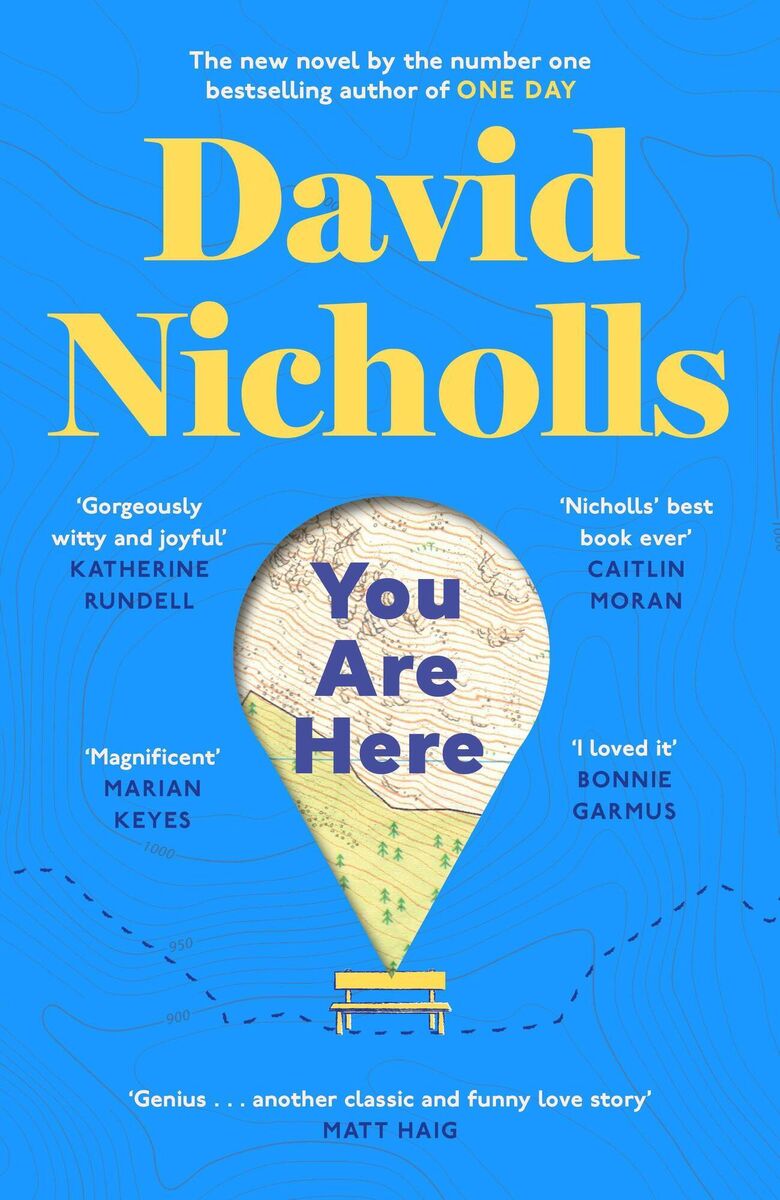
It is another love story, this time focused on the slightly more mature relationship between Marnie, a divorced copy-editor and Michael, a teacher estranged from his wife, who are thrown together on a coast-to-coast walking trip, from the Irish Sea to the North Sea.
Nicholls has written four other novels, including the Booker-longlisted , which was also adapted for television. However, he is accepting of the fact that he will probably be always best known for , which has connected with readers and viewers on a different level.
“I’ve always been very fond and proud of it. I’m also accepting that when people say ‘I love your book’, that’s the one they’re talking about, even though there are five others. I'm extremely lucky to have that as a writer.”
Nicholls, who is appearing at the West Cork Literary Festival next month, is also an accomplished screenwriter. He has written for the much-loved TV series and adapted literary classics including and as well as winning a BAFTA for his work on , a five-part television series based on Edward St Aubyn’s novels.
Screenwriting seemed like a natural detour from Nicholl’s original career as an actor. While he enjoyed acting, it was never a vocation and Nicholls says he made the right decision in giving it up.
“I was cast at the RSC where you play all the small parts. I was desperate to do that because I thought, no one will find me out as an actor, but I will get to be around actors. But for the most part, I think it was a blessing really not to have done more. I remember having to choose between playing a small part at the RSC and working on other people’s scripts at the BBC. And that was a very good choice, because if I had got a little taste of acting success, I would have definitely kept going. I did love being in companies. I liked being in rehearsal rooms; I didn’t ever really love the performance.”
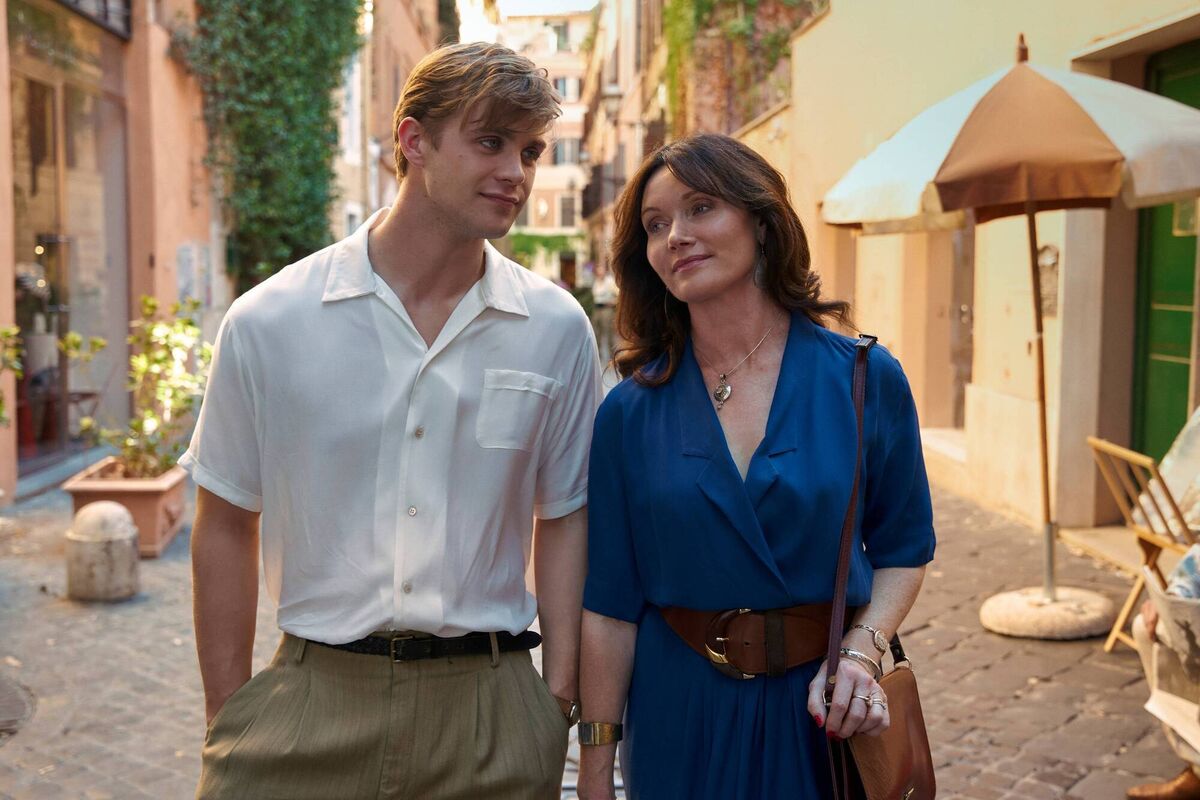
Nicholls has worked with some of the best actors in the business, including Benedict Cumberbatch, who played Patrick Melrose, Tom Holland in , and the rising stars Leo Woodall and Ambika Mod in . However, he admits to being “very shy” around actors.
“I always keep a slight distance. I get quite jealous of writers who have a very close relationship with actors.
"I don’t hang around with them — maybe that’s healthy, I’m not sure. But I do love them and the way they can transform things. So I hope that continues.”
The recent adaptation of generated such interest and buzz that I assume TV companies are chomping at the bit to option . While he would like to see Marnie and Michael reach people in the same way that Dexter and Emma did, Nicholls is pragmatic about the realities of getting a book to the screen.
“There’s the beginning of a conversation about it, though I think it’s a more demanding book, it doesn’t have as much story, and it’s all outside. A lot of dialogue is a good thing until it’s not, until it becomes a bit boring and visually uninteresting. The novel has passages of speech, which if you just transcribed them to the screen, would take 25 minutes. You can’t do that. There are challenges but I love the characters and I’d love to see it have another life at some time in the future,” he says.
Nicholls considers himself doubly lucky to have had such success as a novelist and screenwriter, although he is so affable that he is almost apologetic when he points out that both disciplines come with their own pressures.
“I find TV and film almost heart-stoppingly stressful. Seeing a bad cut of something or realising you’ve made a mistake with a scene and it’s too late or a joke doesn’t work and it's there, you can’t cut it out, that stuff is horrific, and also a privilege — I know it's a lot of people’s dream and I always remind myself of that. I love the peace and quiet of writing prose when it’s going well. But I also have times when I think ‘I can’t do this again, this is no good, I’m going to have to throw it away’. That has its own anxiety. But I'm very lucky to be able to do both.”
He has been kept busy with the renewed success of and promoting . He plans on taking a break and says he has nothing on his writing slate as of yet.
“I don't have an idea in my head at the moment. I haven’t been offered a script that I love or that I’m desperate to do. I’m just going to focus on talking about and towards the end of the year, maybe start on something new.”
Does he find that idea of a blank page liberating or scary? “With fiction, it’s quite scary. The novels, without being autobiographical, have always had a little catalyst in real life. Whether it’s becoming a parent or losing my father, there’s always been something that has given me a push towards the subject. And I don’t know what the next push is going to be. I’m aware of getting older now and I'm aware of time more and more, but I don’t want to write anything too downbeat or morbid.
“My kids are going to be leaving home — in the next two or three years, they’ll both be gone. That will open up a whole new age and I'll have to see how I respond to that.”
David Nicholls will appear, along with Anne Enright, at The West Lodge Hotel on Saturday, July 13, at 8.30pm, as part of the West Cork Literary Festival.