'People made it political': The Wolfe Tones on 60 years and their final gig in Cork
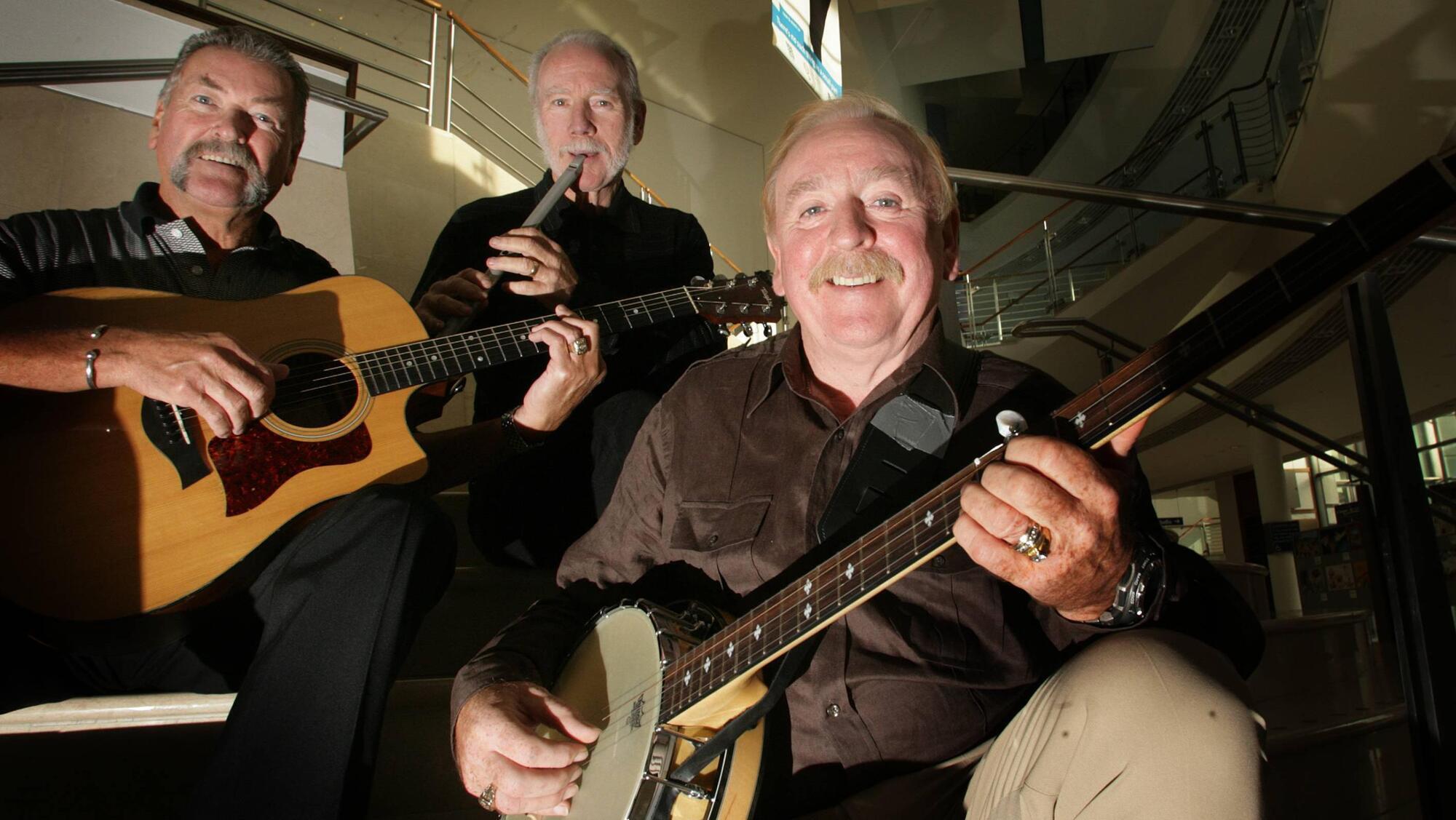
A diamond anniversary is rare in music but Eoghan O’Sullivan talks to a folk trio still on the one road
Brian Warfield and The Wolfe Tones.

Brian Warfield and The Wolfe Tones.

The most memorable image of festival season 2023 was the aerial shot of the thousands of people gathered around Electric Picnic’s second stage, Electric Arena, under the early evening Sunday sunshine, teeming for a look at The Wolfe Tones. Yes, the hottest band of the summer, the biggest hit with the millennial crowd who sell out Electric Picnic every year, was a folk trio with a collective age of nearly 240.
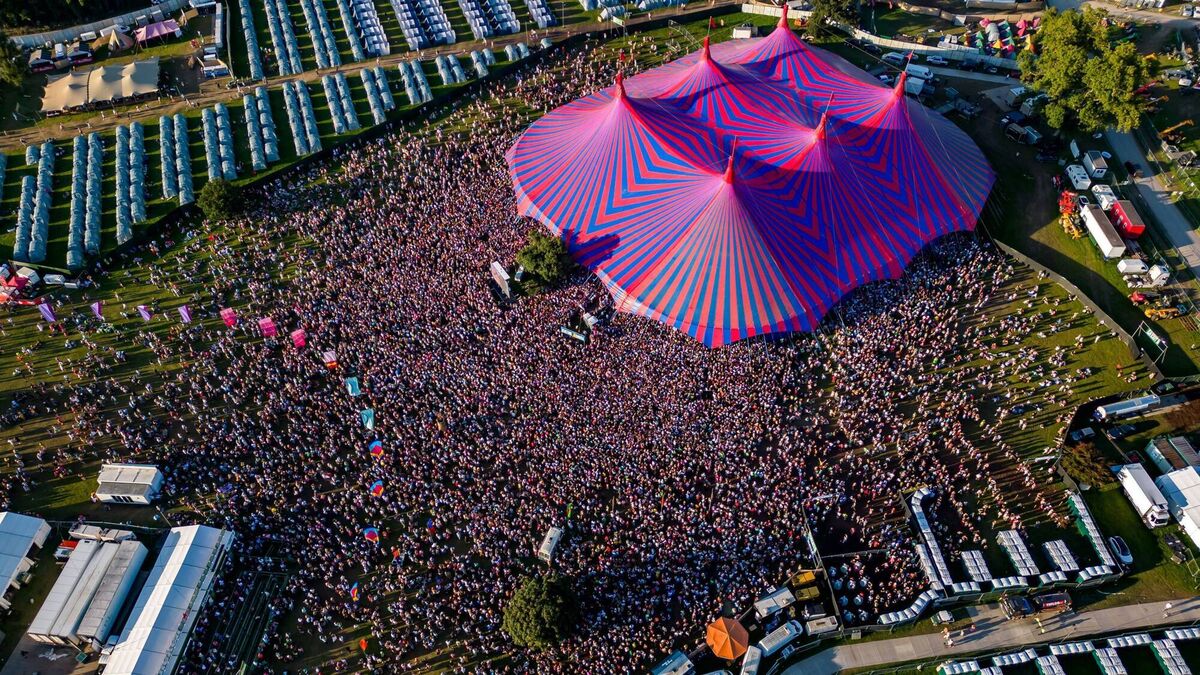
Some nine months on from the show, Brian Warfield, who co-founded The Wolfe Tones in the early 1960s, says the Electric Picnic gig is up there as one of their favourite shows of all time.

“I think it was a surprise to everybody. We knew there was a great surge of popularity for The Wolfe Tones with young people and everything else, because we felt it at the gigs. We knew we were going to fill the tent but we were really amazed when we saw the aerial photographs.”

It might take a sociologist more than a music critic to explain their popularity in 2024. Maybe there’s something about the defiance of young — when your elders are saying you shouldn’t listen to something, well, what would you expect them to do?

There was a swell of criticism regarding The Wolfe Tones in the weeks following the Electric Picnic performance, including in this newspaper. Columnist Tom Dunne said fair play to them, but wrote: “They are nothing like Lankum or Damien Dempsey. It’s more like Phil Coulter crossed with Foster and Allen, except not as edgy. It’s Ronan Keating’s version of ‘Fairytale of New York’ rather than The Pogues.”

Mick Clifford mused: “But what of the history narrative being purveyed? For one side, it is glamourising the killing engaged in by the Provos, while the other sees it as retrospective approval from today’s youth. In reality, history through the songs of The Wolfe Tones is from the land neither colonised nor rebelling.”

Former Taoiseach Bertie Ahern even got in on the act, saying we need to “try and educate the rising population of what we just lived through for 30 years in this country”.

Warfield, you imagine, lapped it all up, but even he can’t quite explain the rise in popularity, bar saying that they’ve always had a young crowd. “I think people were amazed when they saw [us at] the Electric Picnic. And so were we. And humbled by it. It’s been a very important milestone for The Wolfe Tones, and we’re on the main stage this year. So hopefully we can emulate that.”

Thousands crowded around the Electric Arena tent in the hopes of hearing The Wolfe Tones play on the final day of Electric Picnic 2023. Picture: Aerial.ie

As he always has done down through the years, Warfield says The Wolfe Tones never called themselves a rebel band. Tommy Byrne told the 2 Johnnies last year that Gay Byrne was the first person to call them rebel songs, even though they had learned them in school — and that was only after 1969, 1970. Warfield says: “People made it political, but it’s always been the story of Ireland. And people made it political because of the Troubles.” He adds: “They saw us as supporters of violence, but that wasn’t the case. We were supporters for peace, and we had many peace songs. But they ignored that and looked at the political end of what we were saying.”

So if he claims the crowds now aren’t political — the plethora of Tricolours among the various crowds is evident — were they political in the ’70s and ’80s?

“They were accused of being so,” he begins, but again demurs. “The purpose of the music was to tell the story of our country and to tell the history of our land, whether it be the Cork Brigade [‘Rifles of the IRA’] or ‘God Save Ireland’ or all those songs, which meant a lot to people, ‘A Nation Once Again’.

“And a lot of Irish people still had grandfathers alive who fought in the War of Independence, who fought for Ireland, gave their lives some of them, or gave their wealth, their reputation and everything else... they should have been remembered. I always remember in 1966, we did a show — Éamon de Valera was at it, it was for the 50th anniversary of the 1916 Rising. And after the show, he came up, and he said, ‘You know, something… while you guys are still going, 1916 will never be forgotten’.”

Warfield recalls another Taoiseach who encouraged The Wolfe Tones: Charles Haughey. He had seen them at Siamsa Cois Laoí, an annual event held at Páirc Uí Chaoimh in Cork from 1977 to 1987.

“He loved The Wolfe Tones, he loved Irish music. He loved The Fureys as well. He loved all kinds of Irish ballads. He was a great fan of all the ballads and the ballad groups.”

Illustrating the juggernaut that is The Wolfe Tones in their 60th year, they’re playing Musgrave Park on June 29. Of course, all 14,000 tickets are long sold out. It’s their first outdoor show in the city since Siamsa Cois Laoí, when they were the only band to play all 10 shows.

“Cork was one of the first places we went to outside Dublin… down to Fr Matthew Hall and we built up a great following around Cork. And you know, the Rebel County has been backing the rebel group since.”

Warfield recalls another show in Cork as part of a tour around the country with The Dixies.

“We did a couple down in the Savoy. We had great, wild parties after that. I think Rory Gallagher used to start off the show. We’d go second and then the interval. And then The Dixies were on third. They were great, fun times. And my god, they were a great bunch and a hilarious bunch to be out with, honest to god, we had some great times down in Cork. We went to their houses, had parties. Just unforgettable times.”

Were The Wolfe Tones fans of Gallagher and was he fans of them? “We just respected [each other]. We used to chat about music, obviously. He was in a different field than we were and The Dixies as well were on another platform. We were folk, he was blues, and The Dixies were a showband, all things to everybody.”

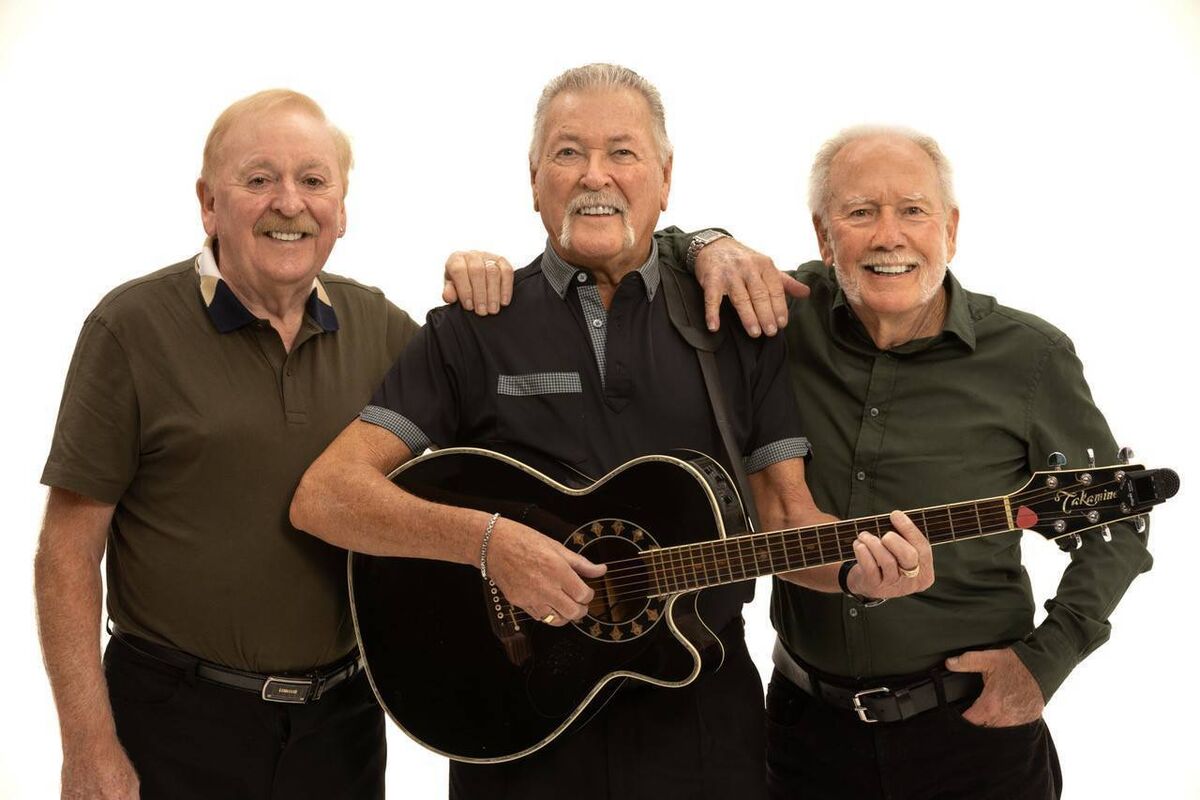
The Wolfe Tones.
The Wolfe Tones.

The old showbiz cliché is to go out on a high, to leave the crowd wanting more, and that’s seemingly what The Wolfe Tones, completed by Noel Nagle, are doing this year.

A trio of gigs at Dublin’s 3Arena, celebrating their 60th anniversary, are billed as their final gigs. Warfield says Byrne, who turned 80 in March, has been talking about finishing up for some time now. What about Warfield, is he still enjoying it at age 78? “Oh, I am. Yes, absolutely. I love what I do. And it’s been a privilege to be able to earn a living from something that you love and enjoy. I’m a songwriter, I’ve written over 200 songs. It’s a wonderful thing to get your music out there to the world.”

So is it that they find the gigs tough now, playing for over two hours?

“No, I don’t find them tough at all. I think that’s one of my joys is performing. I love it. I think all the lads feel that way as well. I think what got to Tommy is the travelling. He said he had lots of things to do before he kicks the bucket. So, he wants to do things before he finishes off.”

Warfield also has things he wants to do, including staging a musical called Celtic Exodus, named after a solo album of his from 1999. It tells the story of the struggle to get to America during the Famine. So they’re still hard at work, playing the biggest shows of their lives, 60 years after forming. Do they have any regrets?

“Very little. We lost a lot of family life. Because we did six-week, eight-week tours of America, Europe, and you miss a lot of family things. Our wives are very supportive. We’re still with the same wives that we started with. Our children were neglected at times, I would say, I missed birthdays, some confirmations. I guess that’s cruel. The children felt it, I felt it. It’s just we were so busy at the time… We all miss that and you regret that fact.”

  • The Wolfe Tones play Musgrave Park on Saturday, June 29

More in this section

Scene & Heard

Newsletter

From music and film to books and visual art, explore the best of culture in Munster and beyond. Selected by our Arts Editor and delivered weekly.

Cookie Policy Privacy Policy Brand Safety FAQ Help Contact Us Terms and Conditions

© Examiner Echo Group Limited