Magic from landscape sparked inspiration for debut novel
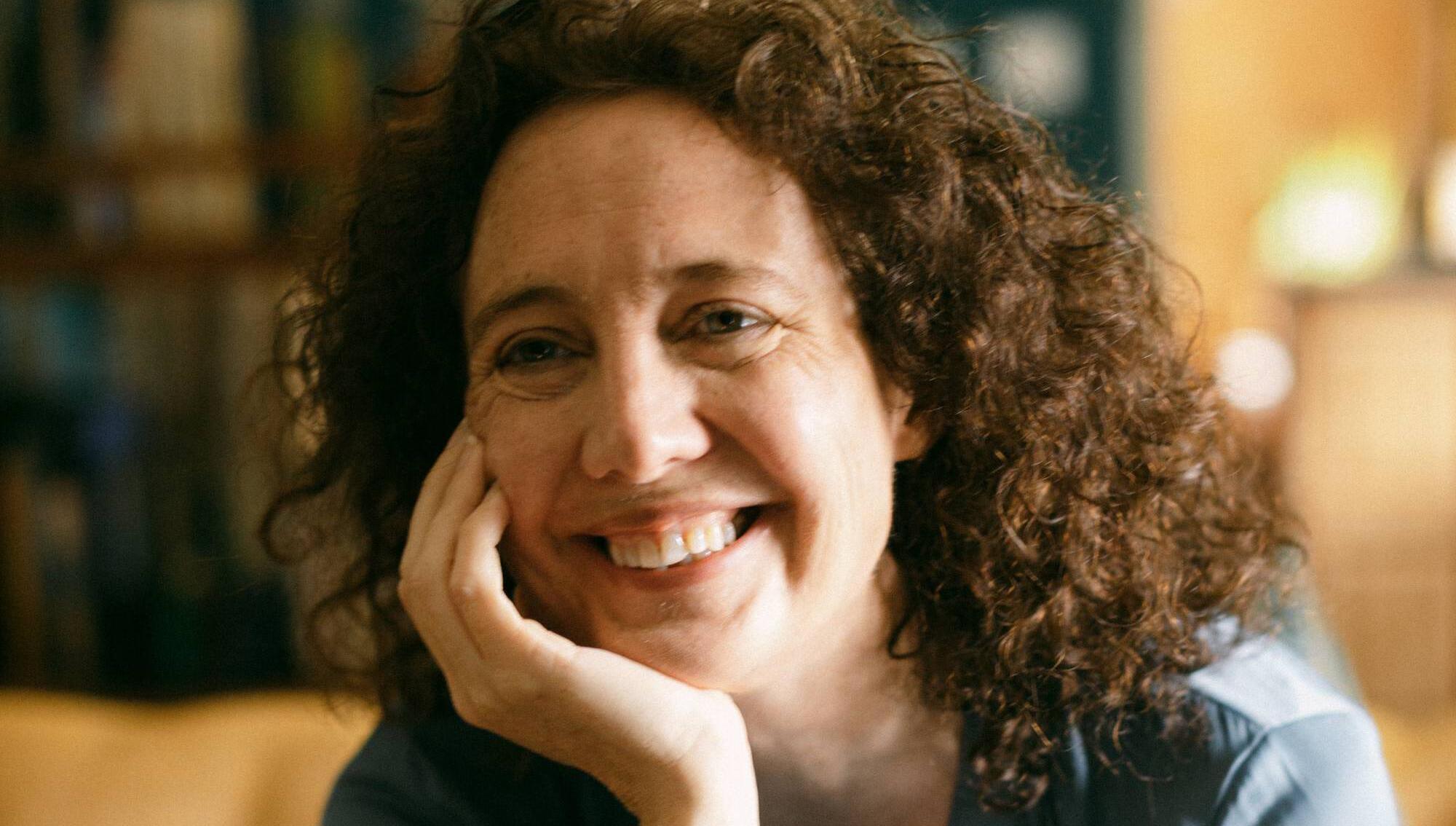
Trained psychotherapist Leeanne O’Donnell believes her work in radio helped her become a better write, ‘because there is a kind of collage involved in radio editing, where you have these pieces of information and you have to get them into position’. Picture: Kate Bean Photography
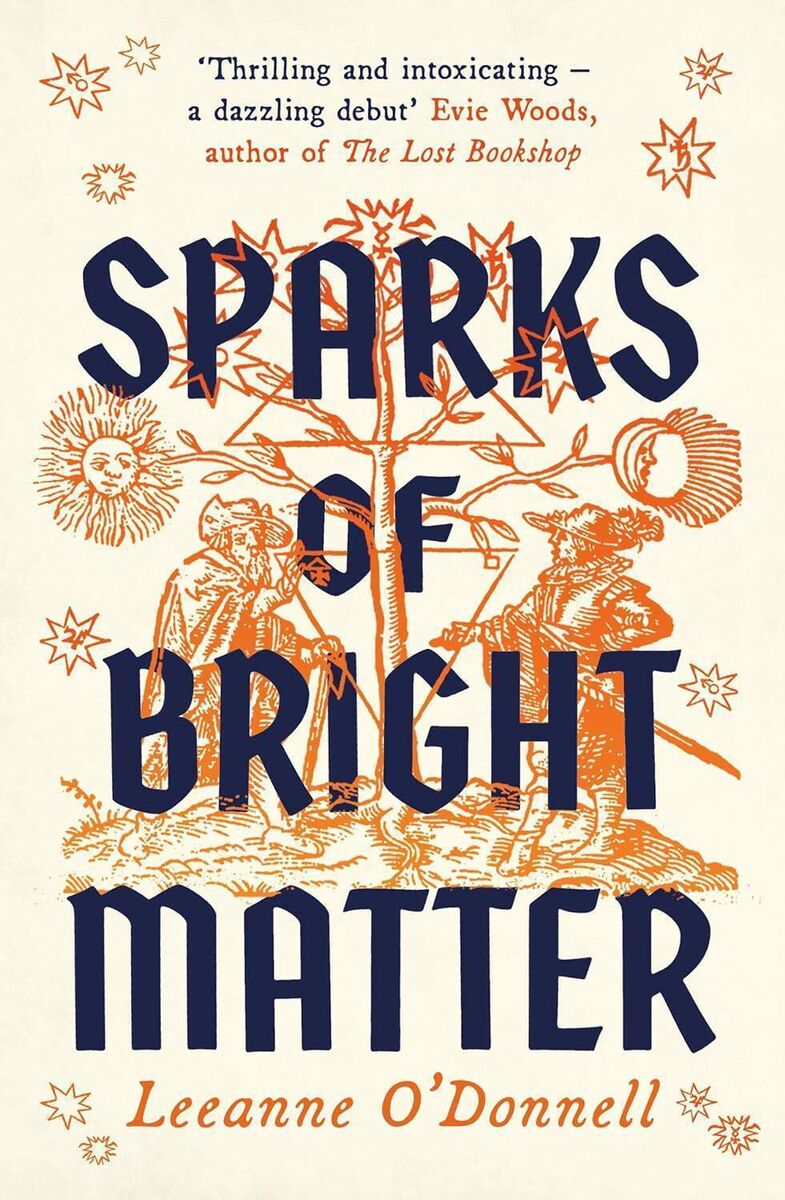
- Sparks of Bright Matter
- Leeanne O’Donnell
- Eriu, €15.99
When it came to inspiration for her debut novel, Leeanne O’Donnell didn’t have to look far.
The Dublin native has been settled with her wife and daughters in the west Cork village of Ballydehob for many years and the landscape of the surrounding area has been a defining influence on her first book, , an intriguing and atmospheric weaving of fact and fiction.
The protagonist, Peter Woulfe, is an alchemist, and is based on the real-life figure of the same name, a chemist and mineralogist, who was born in Ennis in 1727 and made many significant discoveries in the field.
follows Woulfe as he searches for a missing mysterious illustrated book, falling under the spell of the enigmatic Sukie along the way.
The action begins in Georgian London before time-hopping back to Woulfe’s childhood growing up in the shadow of Mount Gabriel; the Mizen peninsula landmark is where O’Donnell’s story also began.
“The original impulse for the book came from this feeling of magic in the landscape. There is a certain energy here that is very compelling.
"The sun was shining and I remember looking up at Mount Gabriel and thinking of the word alchemy, and knowing that there were copper mines on the mountain."
"I didn't know anything about any Irish alchemists so I did a search and came across Peter Woulfe.
"That became the pivot where I started to be curious about the psychology of an individual who was seeking so desperately these sparks of bright matter in the world.
"Somehow it all tied together in in my head — the old mines on the mountain and the magic of the landscape in West Cork.
"And this idea that some individuals throughout history have locked themselves away in laboratories, trying desperately to make gold, to reach enlightenment.”
The analogy between writing a book and the alchemical process seems like an obvious one, but O’Donnell laughs when I bring it up.
“I only figured that out when I was deep into copy edits — I was like, ‘poor Peter Woulfe, he is locked away in a room trying to find the sparks of bright matter and enlightenment and he wants to heal the soul of the world'.
"And then I realised, ‘oh, God, that's what I want to do; I’m here trying to make something beautiful with words'."
may be O’Donnell’s first book but she is no stranger to telling a story, carving out a long and successful career in radio production, picking up several awards for her documentaries along the way. However, writing a book was always in her sights.
“In some ways, I was diverting some of my ambition in different directions, when really what I wanted to do was to be writing.
"It was probably my childhood dream to be a writer. I loved reading and I came from a house full of books.
"I remember one time, we went on holidays and my sister and I had a suitcase each. We put clothes in one suitcase and books in the other.
"In a way it’s strange that it’s taken me this long to get here. But I loved my radio work — and that was storytelling. I think it really helped me be a better writer.
"Because there's a kind of a collage involved in radio editing, where you have these pieces of information and you have to get them into position in such a way that a listener can be brought into a story.
"That’s what you end up having to do with a book as well.”
O’Donnell has excelled in the audio medium of radio, and it is interesting that the art of listening is also engrained in one of her other areas of expertise, as a trained psychotherapist.
“I do see a few clients. It's very special work and you have to be in the right place for it.
"I don't know how well it really goes with it with the fiction writing. They’re different parts of the sympathetic system because you’re making up stories when you’re writing fiction.
"And when you’re trying to be with somebody through psychotherapy, you have to be with what is and with where people are at. So sometimes I feel like they’re not the easiest bedfellows,” she says.
She also has a podcast, , which looks at the resonance that ancient legends have in the 21st Century. What draws her to such stories?
“I think it's the sense of needing to go back into the past, to find a wisdom that we’ve lost. There is a wisdom embedded in our culture and in our stories that is a source of huge richness for us."
"If we don’t bring that with us, we get quite lost. And you see that around a lot at the moment, that there isn’t a sense of the direction in which we're supposed to be orienting ourselves.
"But the more I get into the myth stuff, the thing that really interests me is the magic, it’s that something more than the human, the mortal, the rational.”
This clash of the magical and the rational is a theme she explores in , which also has resonances for the present.
“Peter Woulfe is a character that happens at a time in history where rational thought is taking over from superstition and beliefs. And he was an opportunity for me to examine what happens when you’re torn between the two.
"He believes in magic and angels while also being really rational. And as a society for the last 200 or 300 years, that’s where we’ve been at.
"We’ve lost one set of guidelines, and they weren’t all great, there was loads of superstition and all sorts of awful things that were done in the name of belief.
"But by stepping so firmly, and exclusively into the rational, we sort of lost a bit of magic.
"And I think people know that and feel that because our hearts have a hunger for it — a bit of the something that is more than just us and our thoughts.
"I love magic and I love spirituality but we need to have rational thought, we need to have frameworks, and superstition and ignorance for want of a better word is so dangerous. It's a delicate line we have to dance.”
Eriu, the publishers of have said it will appeal to fans of the hugely successful , by Sarah Perry and the acclaimed , by Maggie O’Farrell. How does O’Donnell feel about such illustrious comparators?
“I would be very flattered by those comparisons. I think that with the best books, it feels like you’ve made a friend — it’s like you’ve had an encounter, and you’ve been a little bit altered.
"So I would love it if people read and felt that — that they had met somebody who had impacted on them and made them feel something.”