Tom Dunne: The glorious 1960s really were as significant as the Reformation
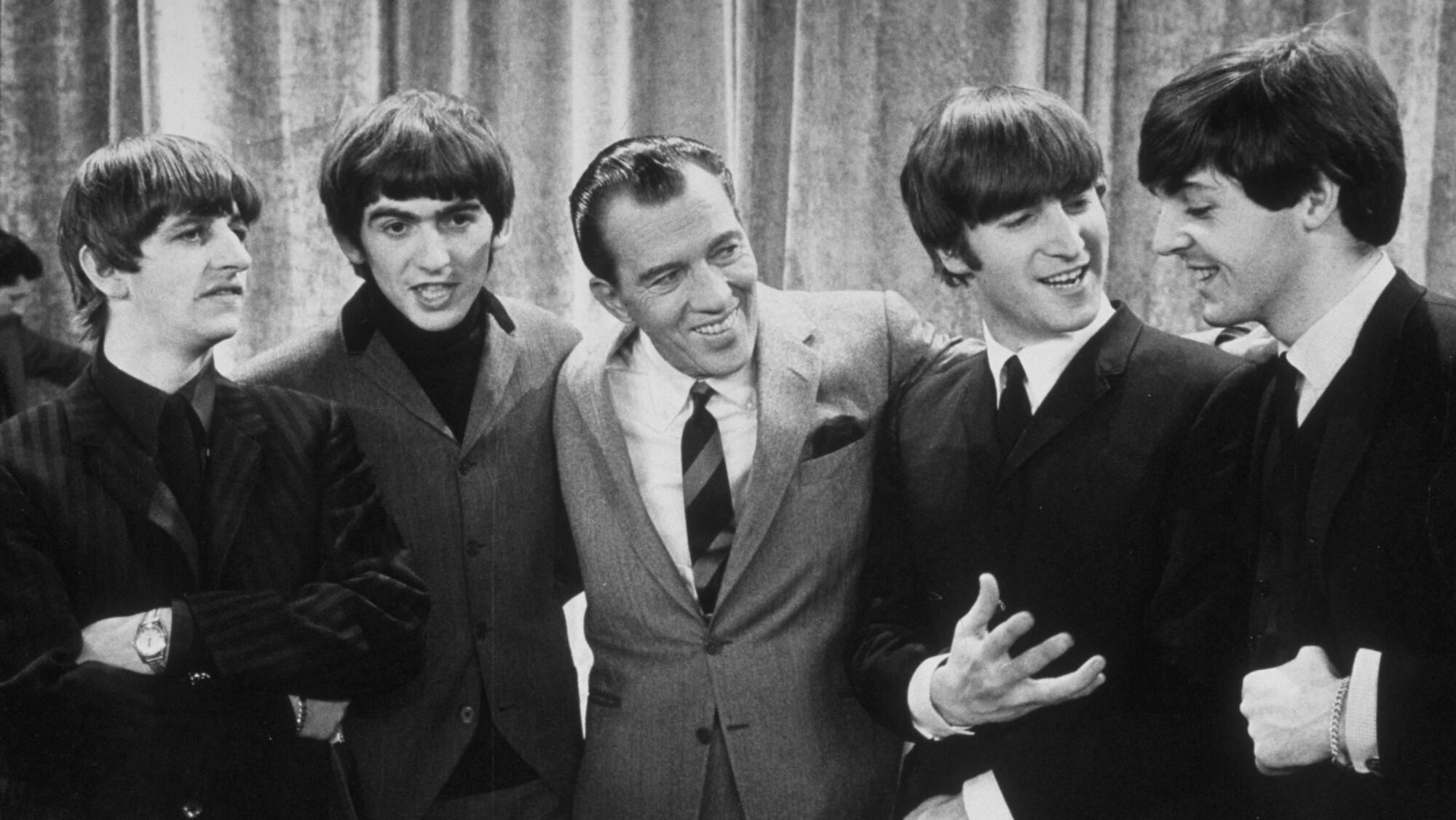
The Beatles, on the set of his television variety series, The Ed Sullivan Show in New York, February 9, 1964. (Photo by Express Newspapers/Getty Images)

We all know that musically and culturally the sixties were a bit special. But could they have been so special their effects will still be felt hundreds of years from now? Are we living in a golden age? Should we be paying more attention?
Tom Holland, the historian, and one-half of the most consistently entertaining history podcasts on earth, The Rest is History, believes so. “The 1960s” he says, were as significant a decade for broad Western culture as the first decade (the 1520s) of the Reformation.” I think the correct exclamation here is “Yowzah!”
The Reformation, as you may recall, was a dramatic time. Notices were nailed to doors, people were excommunicated and endured fiery deaths. It gave us Protestantism, and that according to Derry Girls is the gift that keeps on giving.
As the girls said: “Aye, Protestants; love marches, hate Abba, love soup, keep the toaster in a drawer, love cleaning, and don’t buzz off statues the way we do.”
That would be enough for most people, but the Reformation was also transformational in Western culture. It shaped our views to this day on freedom of religion, freedom of conscience, the dignity of the individual and political democracy. How can the 1960s compete with that?
Anyone who lived through the Sixties will probably agree. “The Earth shifted on its axis,” they will say. But critics will dismiss that as fanciful. The music was great, yes, and people took drugs and made love. But to have a lasting impact on a par with the Reformation? Really?
Holland argues they will, and that central to its impact will be the music of The Beatles. He believes Sixties writers articulated views on personal freedom, religion and civil rights that would recalibrate society, creating ripple effects we see to this day.
And music, particularly that of The Beatles was the key driver of change. In the Reformation it was hymns that helped express a new understanding of values. In the sixties it was Sgt Pepper, Bob Dylan and The Stones. Phew! What a thought!
I had initially thought that Tom had meant the Renaissance, and I could see more easily. They were quite clearly a mass cultural event the likes of which we had rarely seen before. Their artistic influence is still heard in half of the music of today. And it still sounds as if it was recorded, well, Yesterday.
The success was instant. There was a pre-Beatles world and post-Beatles one, a black and white one, and one in glorious technicolour. You can even give it a precise date: February 9, 1964. Ice Age ends, as Father Maguire might say.
At that point, the war was still fresh in people’s minds. The Beatles’ appearance on that Ed Sullivan Show was only as far removed from the horrors of the Second World War as we are now from Amy Winehouse’s ‘Rehab’, The Gossip’s ‘Standing in the Way of Control’, or the Oxegen Festival. It was that fresh.
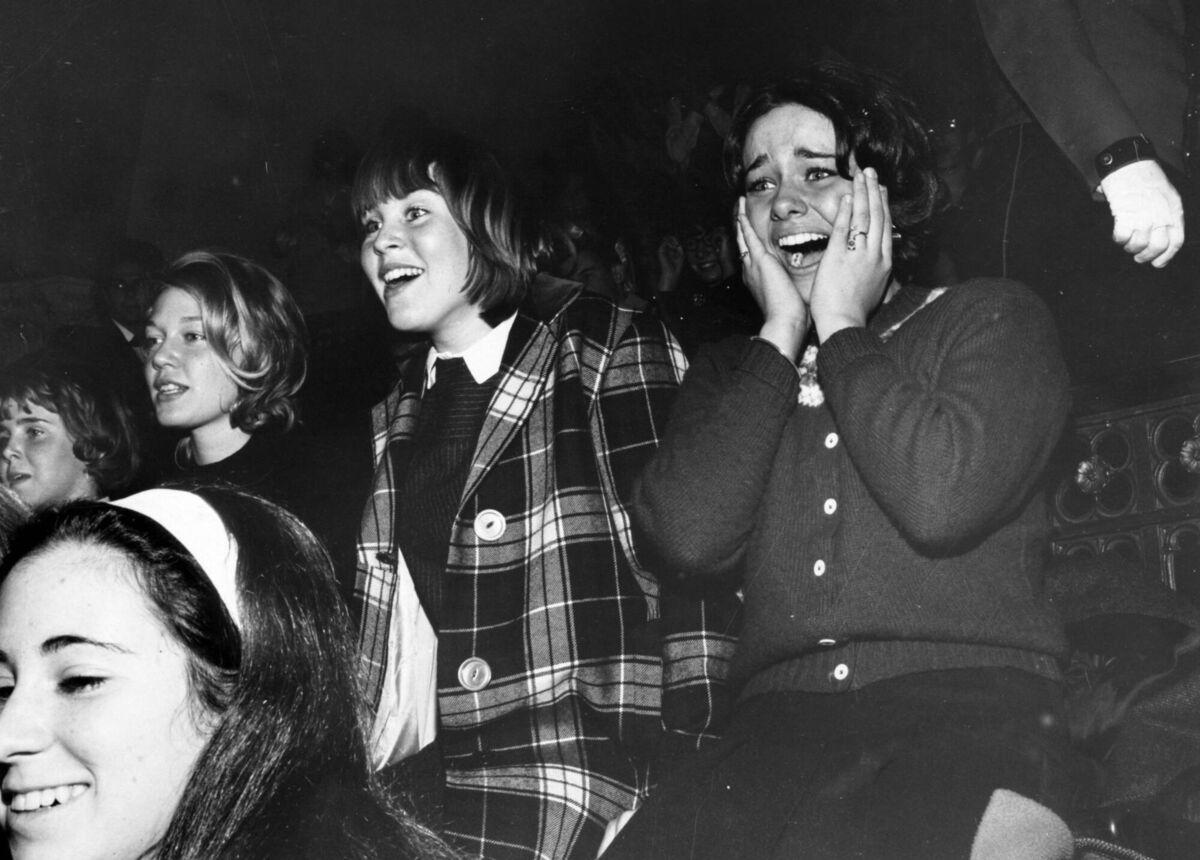
Conscription had only ended in England in 1960. John and Ringo missed being called up by months. If they had been conscripted there would have been no Beatles. Liverpool where they grew up, was a war-ravaged town. They got their start in a German, war-ravaged town. Most Hamburg bouncers were ex-Nazis. The war was everywhere.
Their success was made possible by new developments in technology. Advances in studio recording, the mass production of records, cross-Atlantic plane travel and television could put The Beatles into every home in America. It made them tangible, accessible, and almost unavoidable.
They ignited the Sixties, and their success opened a door for all the other Sixties talents to step through. They helped expose Dylan to a level of audience he would never otherwise have seen. The Beatles were the gateway drug, but Dylan had the hard stuff.
They helped create and energise a wave of writers, artists, filmmakers and musicians who would question all that had gone before. They were uniquely placed to point at the previous generation and say, “Look at what your views got us: war, devastation and death.”
The only way we will know if Holland is right will be to hook up in 200 years' time and see how it’s all panned out. My money is on The Beatles. I think the Earth did shift. There was a Renaissance quality to it too, and a Christian one. That ‘All You Need is Love’ idea had been around before, you know!