Book review: A history of peasants in world where agriculture is diminishing
'Remembering Peasants' explains our very DNA as it brings us to an appreciation of why we are where we are as we enjoy the prosperity of our modern western society
Book review: A history of peasants in world where agriculture is diminishing

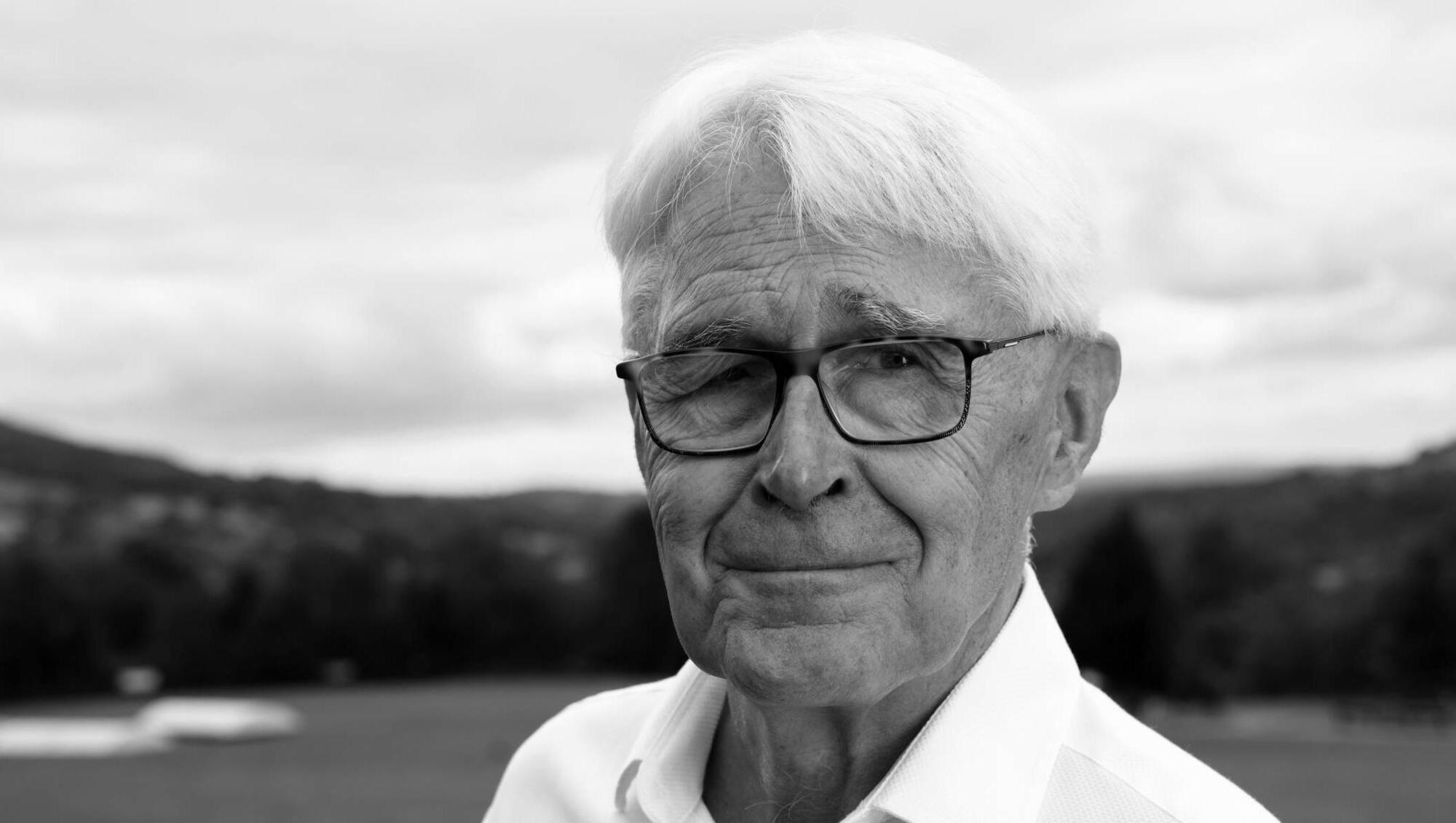
Patrick Joyce is an emeritus professor of history at Manchester University, his family roots are in Mayo and Wexford.

  • Remembering Peasants: A Personal History of a Vanished World 
  • Patrick Joyce 
  • Allen Lane, £25

Once in a while you pick up a book, look at the title and think, “that’s an interesting topic”. Remembering Peasants: A personal History of a Vanished World is such a book. 

The author, Patrick Joyce, is emeritus professor of history at Manchester University. His family roots are in Mayo (father) and Wexford (mother). 

His childhood years were shaped by summer visits to grandparents in Mayo and Wexford. These are memories of a rural Ireland — a peasant Ireland — that has been left behind in the 20th century.

In the opening chapters of the book, Joyce explores the changes that have occurred in Ireland and those that have occurred across Europe. 

We learn that France, described as “once the greatest peasant country in Europe”, had 23% of its workforce employed in agriculture in 1950, but by 2019 this figure had reduced to 3%. 

The story is the same or worse across the rest of Europe. 

Even Poland and its neighbouring countries, still thought to be lagging behind the original members of the EU, have shown a drastic decline of those working in agriculture from 80% a hundred years ago to 10% now.

In 2015 only one third of all farms were considered viable in Ireland; a further third were and are considered unviable but sustainable by means of an off-farm income. 

Even the author’s cousins, living in what he refers to as “Joyce Country” in Mayo, now call themselves “hobby farmers”.

Having laid out his theories before the reader, Joyce devotes the remainder of the book to examining the culture and the beliefs of a peasant life that is rapidly fading from our world. 

The term peasant is often used in a pejorative sense in modern conversation; this should not be so. It is an all-encompassing term that aptly describes the rural life of most of our forefathers for more than 1,000 years.

Throughout the book, the reader is given an insight into the peasant structure and credo that, through its labour and sweat, once powered the economy of the world. 

For the most part, all peasants, from Ireland to Italy to Poland, devoted their lives to the cause of feeding their masters for little more than a roof of sods set over their draughty bothán walls.

For all of that, peasant life was far from disordered. There was a structure and a hierarchy to it. From the layout of a peasant’s house to the following of the seasons, everything had a place, a purpose, and a time. 

Today we tend to judge the peasant lifestyle by 21st century urban-living standards. Peasant communities, however, did not think like we do. 

Just like modern society, there was bullying, revenge, and violence in peasant living; there was also higher levels of acceptance.

Peasants did not see the land for itself and its beauty. They understood the rhythm of the seasons and viewed the land as useless without their work. 

The peasant folklore was a means of passing on the lessons learned to future generations and their views on religion contrasted greatly with modern thinking. 

Religion was often, but not always, Catholic or Orthodox. Joyce tells us the object of attention in peasant religion is humanity; “God is more heavenly than earthly, at times benign, at times wrathful”. 

In history across Europe, the peasant’s masters were wrathful too. Rents were always exorbitant, and many had to serve in the armies of their lords and kings. Suffering was their way of life.

Throughout, Joyce draws on the poetry of Seamus Heaney to underline his arguments. 

Heaney, a master craftsman of observation, is identified as a member of the last generation to have been reared in the rural Ireland of the peasant.

Remembering Peasants is the result of Joyce’s personal observations and study. His style of writing is calm and thought-provoking. 

It is not a book to be rushed as each chapter drops another layer of intricacy on to the lives of a section of society that has often been dismissed as “simple peasants”. It is all the better for this.

This is a read to reflect on; it explains our very DNA as it brings us to an appreciation of why we are where we are as we enjoy the prosperity of our modern western society.

x

BOOKS & MORE

Check out our Books Hub where you will find the latest news, reviews, features, opinions and analysis on all things books from the Irish Examiner's team of specialist writers, columnists and contributors.

More in this section

Scene & Heard

Newsletter

Music, film art, culture, books and more from Munster and beyond.......curated weekly by the Irish Examiner Arts Editor.

Cookie Policy Privacy Policy Brand Safety FAQ Help Contact Us Terms and Conditions

© Examiner Echo Group Limited