Culture That Made Me: Tony O'Donoghue of RTÉ on music, books, and great commentators
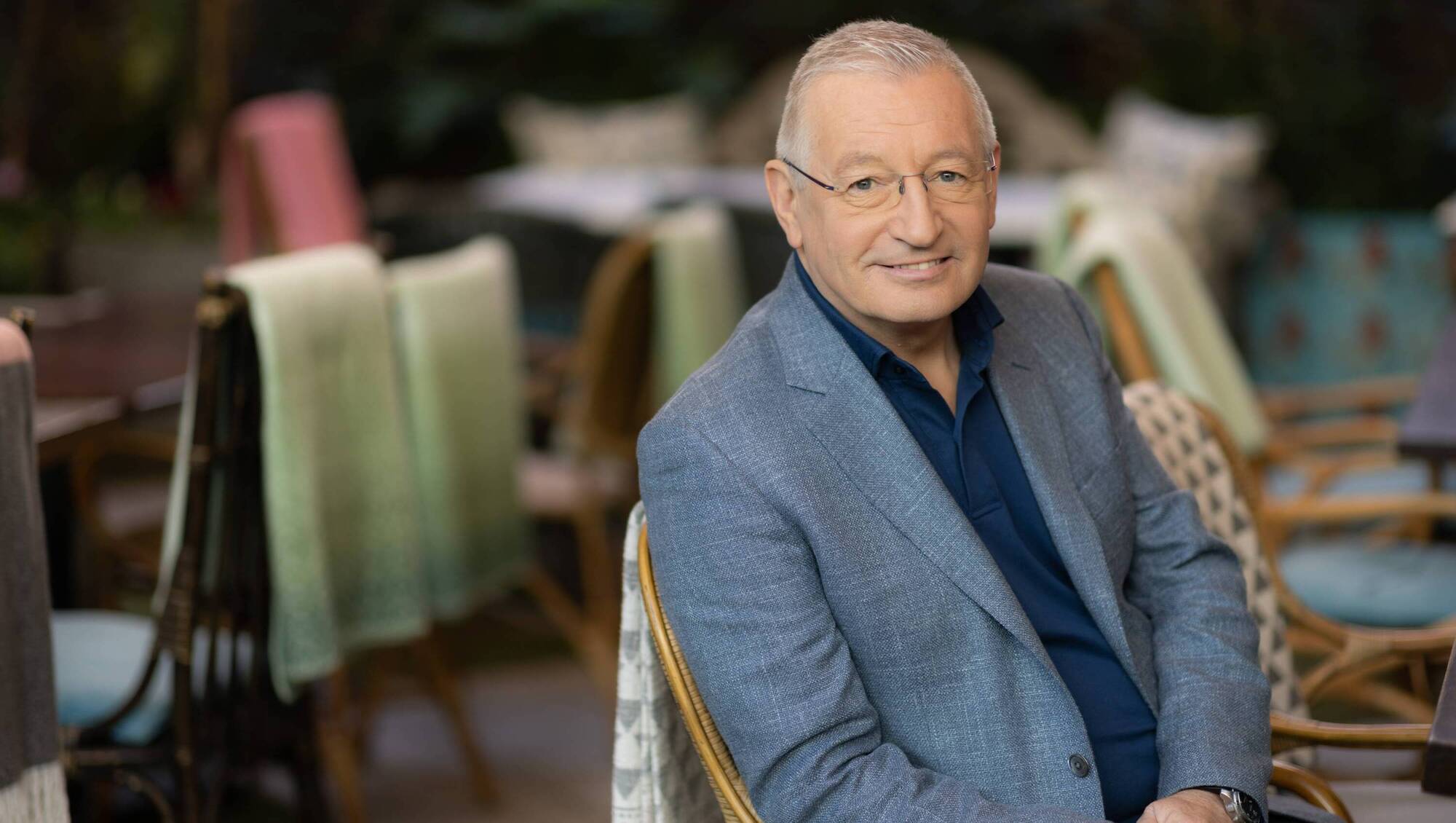
Tony O'Donoghue
Born in 1964, Tony O’Donoghue grew up on Magazine Road, Cork city. He worked in the music industry in the 1980s, managing the band Cypress, Mine!, running gigs for MCD and presenting The Rock Slot on RTÉ Radio Cork. In 1989, he did his first major sports broadcast, covering the Cork county senior hurling final between Sarsfields and Glen Rovers. He has since covered Olympics, World Cups and World Athletic Championships. He will be a presenter on RTÉ television for this summer’s European Football Championship in Germany.
Simple Minds at City Hall in Cork, February 1984, was amazing. The sound rig, the lighting was spectacular. The production was enormous – the drum riser and drum kit was so big it nearly took up the whole stage. It really turned my head. I was in UCC at the time. I met them walking across Patrick’s Bridge in the afternoon. I asked them for an interview with the college magazine. Charlie Burchill, the guitarist, said, “Yes.” True to his word, the show was that night, and the following day I went up to the Metropole Hotel – where they were staying – and got an exclusive with Simple Minds, who were on the cusp of being massive.
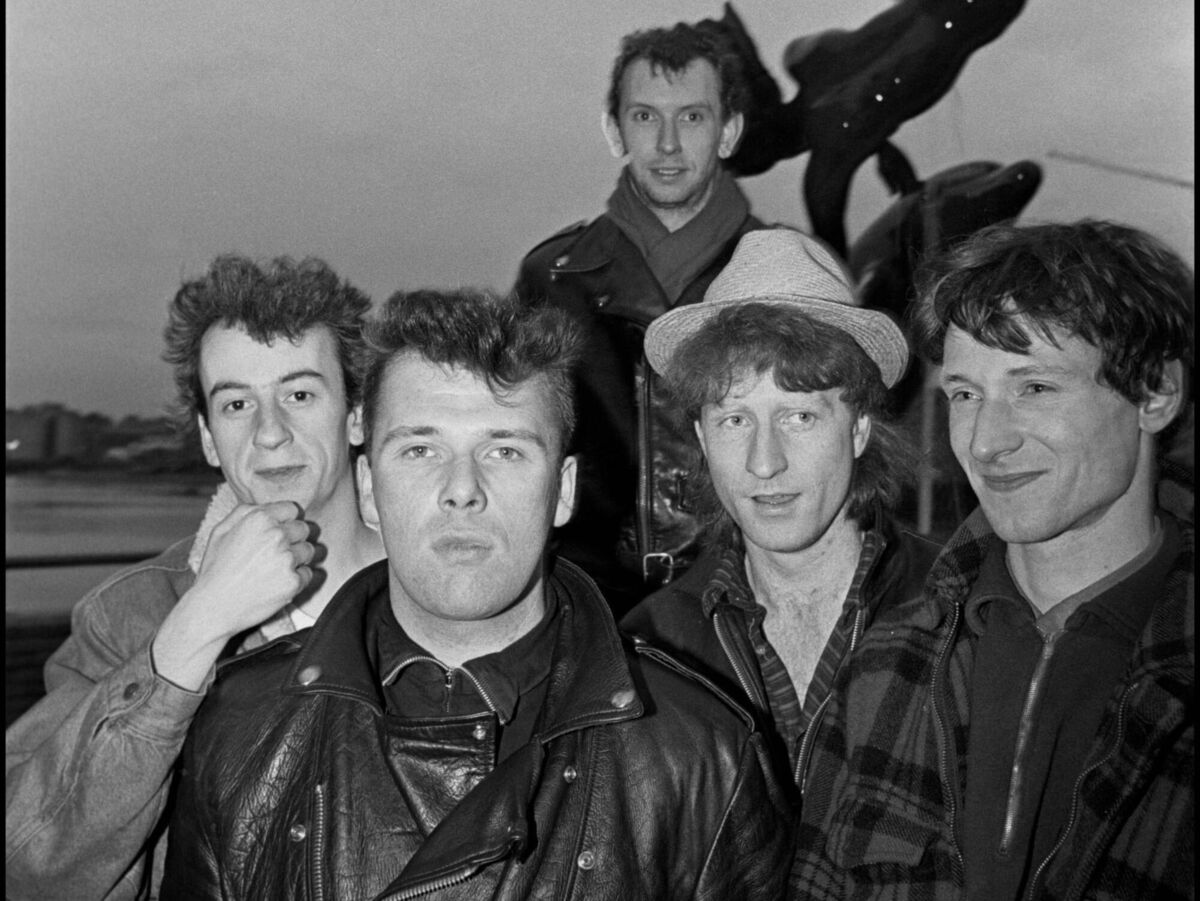
I was always a huge fan of Microdisney. I got to know Cathal Coughlan, God rest him, when he came back to Ireland with his band Fatima Mansions. The Clock Comes Down the Stairs from Microdisney is one of my go-to albums. It has an atmosphere. He was a wonderful lyricist, and with a lot of edge and anger came a gentleness as well. Cathal was just an enthralling performer. That continued onto Fatima Mansions and his last project, Telefís. He was a unique, wonderful artist.
I love any Michael Moore documentary. He speaks the truth. He shows America its ugly side, whether America is prepared to accept that or not. His documentaries are simple, but their messages are clear. The problem is the messages aren’t getting through. As Morrissey, post-Smiths, might say, “America your head’s too big/ Because America, your belly is too big.” True Romance I loved True Romance, a film from the 1990s scripted by Quentin Tarantino, starring Christian Slater and Patricia Arquette. That scene between Dennis Hopper and Christopher Slater is unforgettable. It’s a tragic/feelgood movie. It’s awful – there is so much horror and violence in it, but it’s also a love story, with a banging soundtrack.
I have a poster in my home office from the Lark by the Lee concert in August 1985. The band I managed, Cypress, Mine! were on the bill. I was involved in organizing it – organizing safety divers for the River Lee, crash barriers with local Gardaí, security, dressing rooms and staging. This was the gig U2 played at, unknown to me until late the night before. It was the time of U2’s The Unforgettable Fire, a few weeks after Live Aid, which put them into a different stratosphere. They played on the back of a 40-foot truck at Lee Fields. People were fainting. It was phenomenal. The thousands of people who were there are only outnumbered by the thousands who said they were there, but weren’t.
I've always loved The Smiths. “Punctured bicycle/On a hillside desolate/Will nature make a man of me yet?” I mean, just start with that line. You've got to admire it, and the melodies of Johnny Marr to go with the songwriting of Morrissey. Maybe Morrissey’s not everyone's cup of tea these days, but he’s an original. He captured a mood in northwest Britain, and, of course, people will say The Smiths are more Irish than U2.
Van Morrison’s Moondance and Astral Weeks are brilliant. An album I love is No Guru, No Method, No Teacher. It’s sublime, transcendental – there's something meditative about it. He can bring you to another place. He’s special. I was lucky enough to have done gigs with him. I remember one time he came to City Hall in Cork. It was a Tuesday night. He was in great form, unusually for Van, and he wanted to go out. There was nowhere open late. I rang Dominic O'Keeffe, owner of Reds nightclub, a famous night spot in Cork, and he opened the club up, so a few of us went out because Van Morrison wanted to go out.
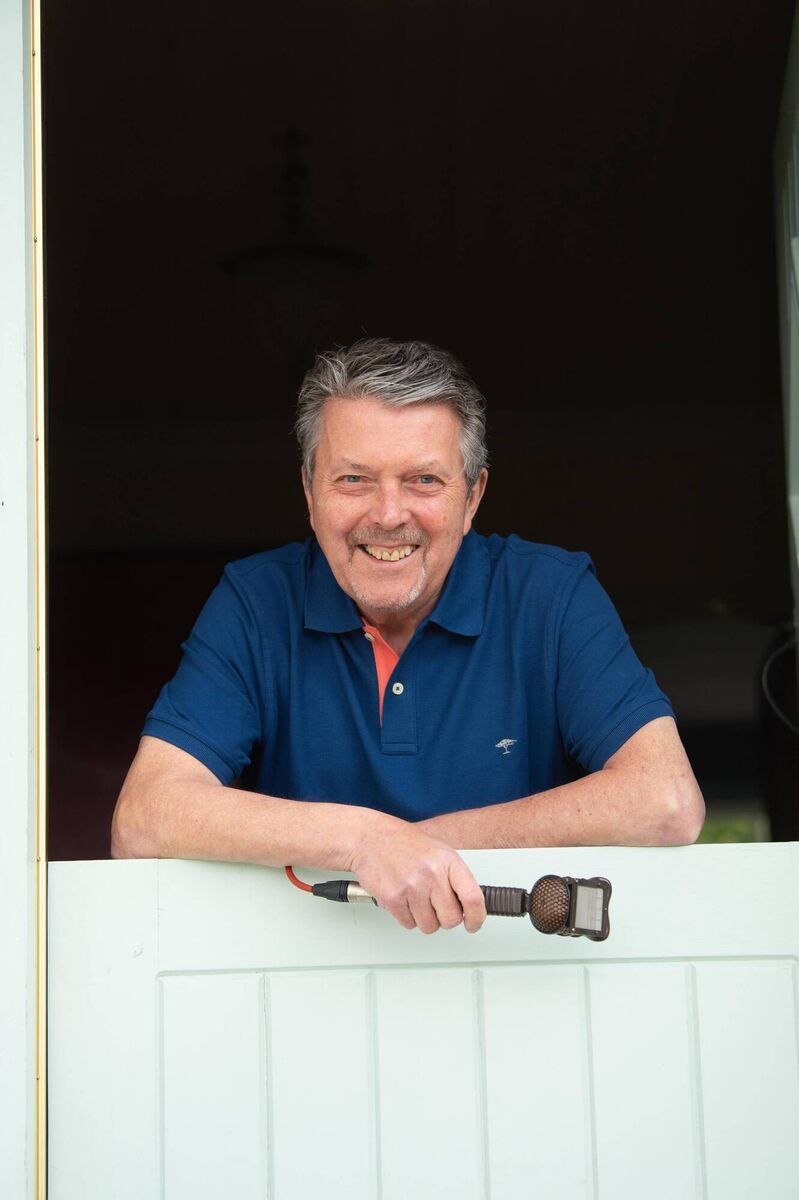
In the sports context, George Hamilton is one of the world’s best commentators. All the greatest moments in Irish sport seem to have George Hamilton as a soundtrack to them. Whether it’s football – Euro 88, Italia 90, USA 94 – or at Olympics level, and he remains a terrific rugby commentator. He’s the consummate broadcaster. He has the vocabulary, the intelligence and knowledge, the awareness of drama, the gears in his voice, the ability to find the right word at the right time, and also the sense to shut up at times.
A hero of mine, and he's sadly gone now, is the great Jimmy Magee. Who can forget his description of Maradona's famous goal against England in the 1986 World Cup? You could fill the time from when Maradona picked up the ball, just on the halfway line, all the way to when he put it past Shilton into the net, and mostly Jimmy Magee just said, “Different class. Different class!” Just the way he intoned that phrase. In the same way as when he called in John Treacy's medal at the ’84 Olympics, having the sense of timing. “A different class.”
1984 When I was young, and being idealistic, I volunteered at the Quay Co-op, on Sullivan's Quay. It was a vegetarian restaurant, a meeting place for different groups. I worked in the bookshop. When I think of it, I think of George Orwell’s Nineteen Eighty-Four. I first read the novel before the year 1984. It was only ever meant to be a book about sometime in the dystopian future. It’s frightening when you think about it – propaganda, perpetual war in the world, Big Brother watching you, the role of facts in society, and how they can be manipulated. There was so much truth in it, about where we’re going, and this was long before the internet and social media. It’s given us a name for it, Orwellian.
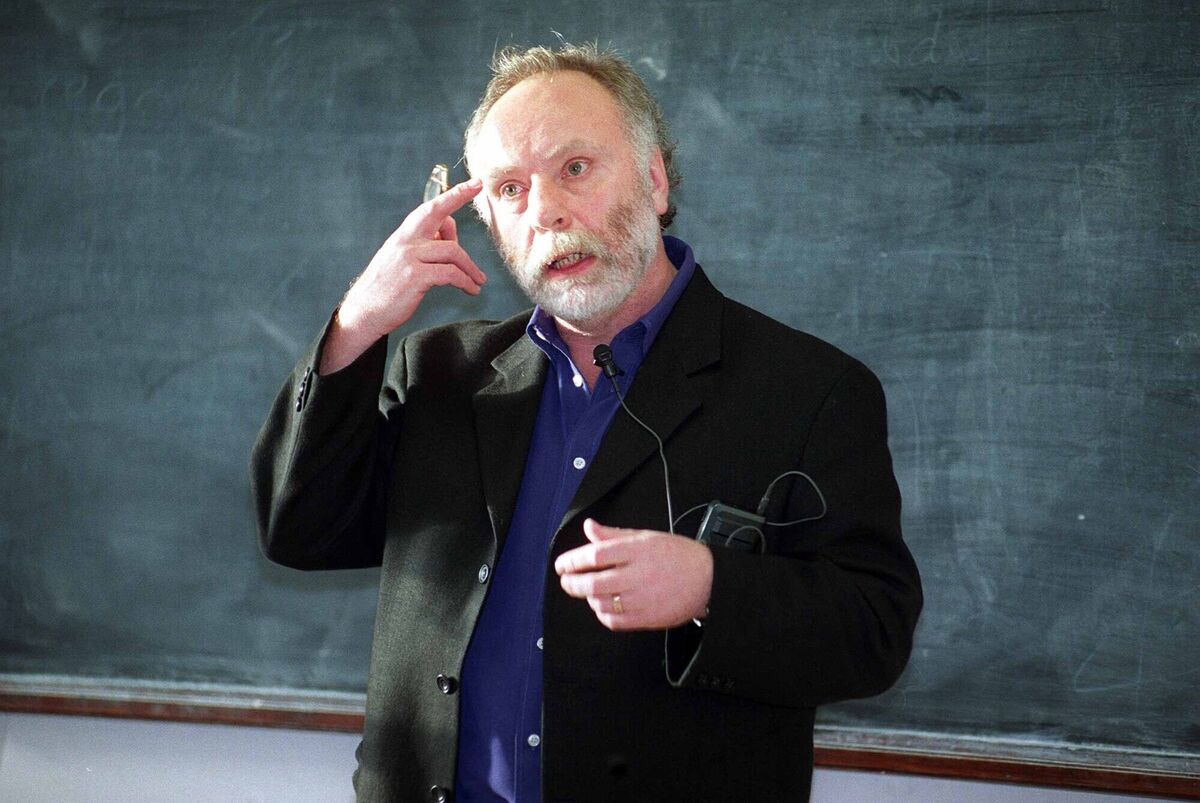
Brian Keenan's An Evil Cradling is a beautiful book. It's a book about love, even though it’s about a horrible hostage situation. You can feel the claustrophobia. His relationship with his fellow hostages, his relationship with his captors, what was going on inside his head and the style of the writing, it’s amazing. I used to live in Dalkey in Dublin and I saw him there once. I didn't want to go up and meet him. I was afraid it would break the spell for me. They say, “Never meet your heroes.” I was so moved by that book.