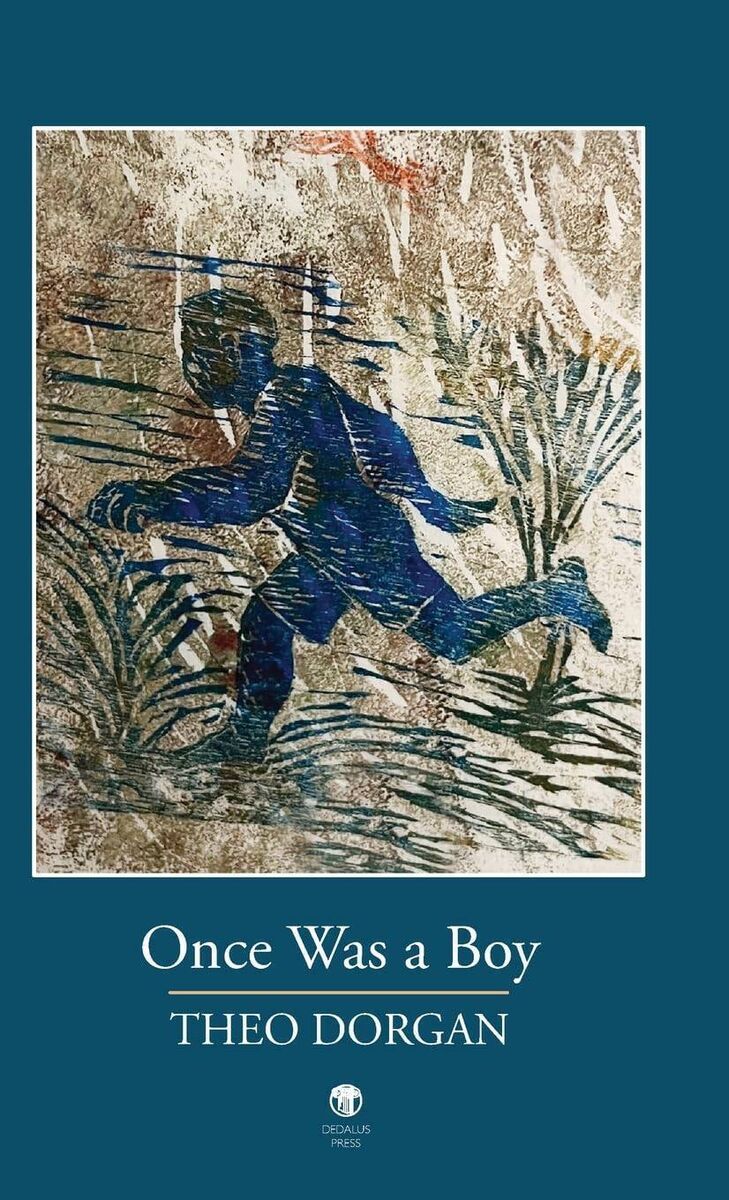
Book review: Evocative writing of the ’50s and ’60s in poet's memoir
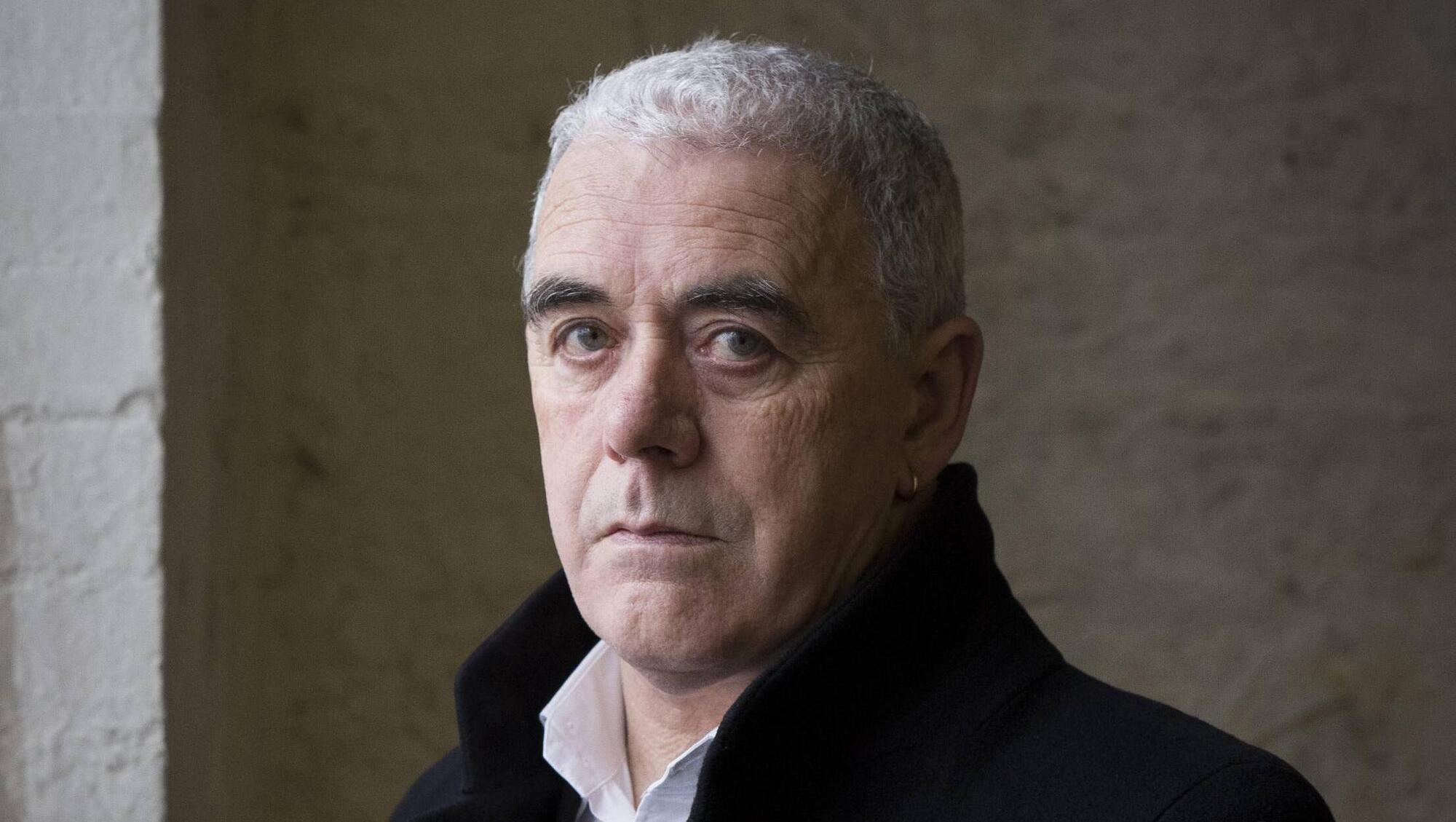
Theo Dorgan's 'Once Was a Boy' is an account of how a sensitive boy whose curiosity with words grows into the ambition to be a writer
Theo Dorgan’s memoir is a reliable account of the Irish education system in the past.

Theo Dorgan’s memoir is a reliable account of the Irish education system in the past.

  • Once Was a Boy 
  • Theo Dorgan 
  • Dedalus Press, hb €20/ pb €12.50 

Like  Summoned by Bells by John Betjeman, Once Was a Boy by Theo Dorgan is an episodic memoir in verse of a child’s life on Cork’s northside up to 12 years of age.

Bells knell too at the start of this book: “The boom of the North Cathedral, the rippling tones from Shandon. The tolling is low. That means a funeral.” 

It’s the early ’50s, when a large radio crammed with warming-up, glowing valves rather than dinky transistors is the centre of a family’s attention. 

Bakelite is a feature with its “particular smell of electricity” capable of evoking memories for those of us who’ve spent more of our lives in the last century than the present.

The opening poems are affective accounts of a preschool childhood spent primarily in the company of the mother, her domestic routines, the comings and goings of a father and his working apparel, exchanging his labour for bread and tea to go on the table — all this happening against the backdrop of Cork’s northside with its “tang of roasting barley from Murphy’s Brewery” and the sour aromas from the local slaughterhouses, symmetrical with the smell of Beamish’s and other slaughterhouses on the southside.

Soon our hero is entering the convent school. The first year is with Mrs Ryan whose “eyes are kind”. 

The regimentation of the boys is mirrored in the ordered arrangement of chalk sticks in a box, but learning begins and it isn’t until the following year, when they reach Sister Angela, that they are introduced to the fear and violence so integral to an Irish education of that epoch.

Sister Angela pinches boys behind their knees and Sister Benedicta warns the boys of the fires of hell with no trace of the humour Frank O’Connor imparted in his accounts.

Later in the boy’s primary school, fear and violence is compounded by bullying between the boys themselves and Dorgan is a fragile, uncertain, vulnerable creature in this milieu, but all the time his consciousness is blooming. 

His sensitivity to the power and efficacy of words grows, not least where English comes up against words like “Terrazzo” and “Anseo”, words peculiar to particular power hierarchies.

You won’t find here the babytalk of James Joyce’s Portrait. Social class, degrees of varying poverty among the boys becomes impossible for a growing child’s consciousness to ignore. Whose father works in Dunlops? Whose father drives his own car?

Violence worsens at the hands of the Brothers “big cranky men from the country in long black robes” who know how to make the boys hate them, for their sarcasm, leatherings, and relentless efforts to undermine confidence and self-esteem.

The boys need to develop the nous to manoeuvre their way between unwritten rules and unpredictable but never unexpected physical abuse: “We have more faith in the lore than in the Catechism. How to be safe, how to avoid being beaten, how to disappear.” 

Aside from being a memoir of Cork life in the ’50s and ’60s, Once Was a Boy is a reliable account of the Irish education system which historians, pedagogists, and others will need to read.

It is an account of how a sensitive boy whose curiosity with words grows into the ambition to be a writer, of how this boy could survive such a hell. 

Dorgan manages to nimbly balance the expectations of a regular reader of poetry with those of a reader more curious about the subject matter — an essential read for local history, social history, and personal memoir buffs.

x

More in this section

Scene & Heard

Newsletter

From music and film to books and visual art, explore the best of culture in Munster and beyond. Selected by our Arts Editor and delivered weekly.


Cookie Policy Privacy Policy Brand Safety FAQ Help Contact Us Terms and Conditions

© Examiner Echo Group Limited