BBC show pays tribute to Cork-based classical composers
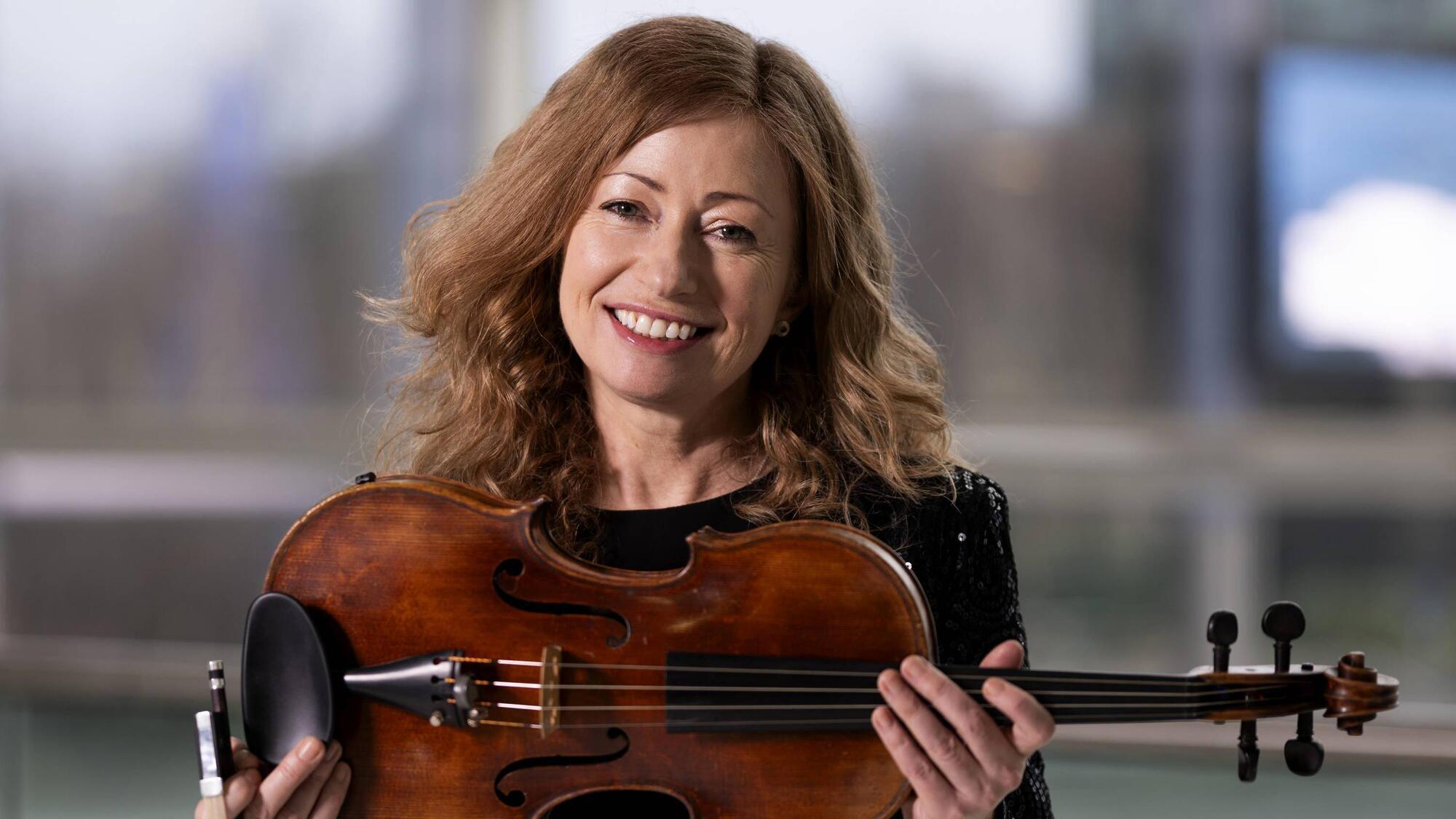
Róisín Ní Dhúill presents Irish Classical – Hidden in Plain Sight. Picture: BBC
Just as Irish literature is seen as distinctive, classical music from Ireland can and should be seen in this way too, and Cork has played a major role in developing that Irish classical music voice.
Róisín Ní Dhúill puts forward this argument in a three-part BBC Radio 3 series, in which she plays a selection of recordings and traces their roots in song, folk music, and history.

The Fleischmann family changed the course of music in her home city of Cork, says presenter Ní Dhúill.
“The brilliant pianist Tilly Fleischmann and her Bavarian husband Aloys taught generations of Cork musicians and their son Aloys changed the course of music not just in Cork but in Ireland as a whole,” says the presenter of the BBC series.
Having both studied music in Munich at the turn of the 20th century, Cork-born Tilly and her husband, who became organist and choirmaster in Cork’s North Cathedral, brought with them influences from the European classical tradition, says Ní Dhúill.
Their son Aloys studied music at University College Cork in the 1930s and subsequently returned to his alma mater where he became professor of music.

“He went to the ends of the earth to keep the tradition of classical music going in Cork,” says Ní Dhúill. “He started the Cork International Choral Festival, he brought amazing conductors and orchestras to Cork. He also brought the RTÉ String Quartet to Cork, giving the city its own cultural identity.” Ní Dhúill, who studied music at UCC and is now a viola player in the BBC Philharmonic, relates a personal story illustrating Fleischmann’s dedication to the development of music in her home city.
“I remember as a teenage viola player getting a phone call from Professor Fleischmann asking if I might play with the Cork Symphony Orchestra, which he conducted. It felt like a very special moment to get a phone call from such a distinguished figure. It demonstrates the level of commitment he had to musical life in Cork — he even made all the phone calls.”
In the series’ second episode ‘Growing an Irish Tradition’, broadcast on Sunday, January 14, Ní Dhúill traces the story of classical music through the lens of Cork as Ireland moved towards independence and a restored cultural identity. Through a selection of recordings, she illustrates that Fleischmann and other leading Cork-based composers and musicians were key to developing a distinctive Irish voice.
“Fleischmann was passionate about Ireland developing its own unique not just classical but art music, developing its culture in a broad way, to become a performer on the global stage, which it is now.
“He was very interested in getting an Irish voice in classical music that wasn’t just about rearranging folk tunes, that it would develop its own voice, like Irish literature.
“Up until then, it was more about collection of music and there were some composers who included Irish tunes and Irish melodies in their music but it was not as recognised.” In the 19th century, there were perceptions of classical music as being English, even though it was much more European, and of being elitist, says Ní Dhúill. Fleischmann was instrumental in moving that perception forward during the 20th century, she says.
Fleischmann’s mission to create a sense of Irish identity in music inspired a new and influential generation of Irish composers, particularly Seán Ó Riada from Cúil Aodha and later Mícheál Ó Súilleabháin, both of whom lectured in music at UCC.
“Seán Ó Riada did a lot to involve Irish musicians in the classical tradition and give them a sense of pride around their own music and develop it in new directions, with Irish people getting the recognition for their own music through classical music as well and performing it on the global stage – that was really important.”

Mícheál Ó Súilleabháin also evolved music in a new direction, says Ní Dhúill of her lecturer, who went on to establish the Irish World Academy of Music and Dance in Limerick.
“Ó Súilleabháin was known for pushing the boundaries of how classical and traditional music could work together but not everybody was composing in this way and plenty were leaning towards European traditions. The difference now is that they could do that now and stay in Ireland.”
Another figure involved in the classical music milieu in Cork was Arnold Bax, a well-known English composer who was deeply inspired by Ireland.
“Bax loved Ireland, he wrote literature under the pseudonym of Dermot O’Byrne. He very much identified with the Irish cause. He was friends with Patrick Pearse and he wrote a piece for him after 1916 called ‘In Memorium’.”
Ní Dhúill tells the story of Bax’s involvement with Cork. “He was invited to adjudicate at Feis Maitiú by Tilly Fleischmann. They thought he’d never accept and he did. That’s where the amazing friendship with the Fleischmanns started. He used to come to Cork every year and go to the North Cathedral to hear Herr Fleischmann’s choir. He died in the Fleischmann home and is buried in St Finbarr’s Cemetery.”
In the series, Ní Dhúill features a number of other Cork musicians and composers, including the work of electronic and acoustic music composer Linda Buckley in the final episode’s exploration of Irish music in a world of international film and gaming music.
- The BBC Radio 3 series Irish Classical – Hidden in Plain Sight is available on the BBC Sounds app and on the website https://www.bbc.co.uk/sounds/play/live:bbc_radio_three. The second episode airs on Sunday, January 14, at 11pm.